Česky (CZK)
 Slovensky (EUR)
 Deutsch (EUR)
 Austria
 Belgium
 Bulgaria
 Croatia
 Denmark
 Estonia
 Finland
 France
 Germany
 Greece
 Hungary
 Italy
Italy Latvia
 Lithuania
 Luxembourg
 Netherlands
 Poland
 Portugal
 Romania
 Slovenia
 Spain
Spain Sweden










Bay Leaf: the Quiet Herb That Makes Food Taste More Complete
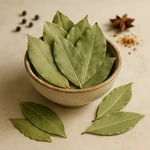
🌿 What bay leaf actually is (and why it’s usually dried)
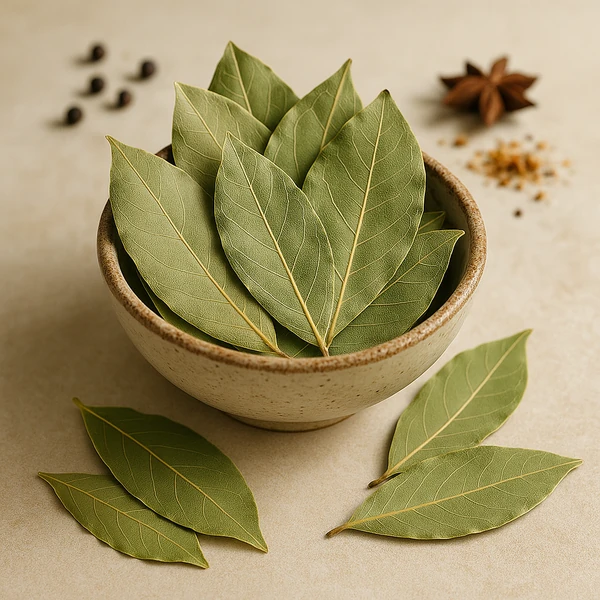
Culinary bay leaf typically comes from Laurus nobilis (bay laurel). In everyday cooking it’s most often sold dried: drying concentrates the leaf’s resinous, herbal aroma and makes it stable for pantry storage. Fresh leaves can be more pungent and “green,” but dried bay is the standard because it releases flavor gradually and predictably during simmering.
Bay is at its best in dishes that cook gently for a while—stocks, soups, braises, bean pots, tomato sauces—where it has time to infuse without becoming harsh.
🍲 Aroma and taste: what bay leaf contributes
Bay leaf adds an herbal, slightly woody fragrance with a faint tea-like bitterness. Think of it as a background note that supports savory ingredients rather than a headline flavor. It pairs especially well with:
- Fat and gelatin (broths, meat braises): it helps savory flavors feel deeper.
- Tomato and wine: it rounds acidity and adds warmth.
- Alliums and warm spices (onion, garlic, pepper, clove, cinnamon, star anise): it helps “bind” aromatics into one coherent profile.
⏱️ How to use bay leaf so it’s not just “something in the pot”
When to add it
- Early in cooking for soups, stocks, stews, braises, and long-simmered sauces.
- At the start of a reduction (when you’re simmering a sauce to concentrate flavor).
- In pickling liquids and marinades that are briefly boiled to infuse.
When to remove it
Remove bay leaves before serving. They stay stiff and sharp-edged even after cooking, and biting into one is unpleasant. In smaller volumes (a small saucepan of sauce, for example), pull the leaf earlier—once the aroma is noticeable—so the bitterness doesn’t build.
How much to use
For most home cooking, 1 leaf for a pot is a solid default; 2 leaves works for a large batch (big stockpot, big braise). Bay leaves vary in strength and age, so it’s smarter to start modestly and adjust next time.
A simple trick: “wake it up” in fat
If your recipe starts with sautéing onion or aromatics, add the bay leaf to the oil for 20–30 seconds before liquids go in. This helps release fragrant compounds and gives a more integrated result—especially in rich stews and braises.
🍚 Where bay leaf makes the biggest difference (including Asian-friendly uses)
1) Soy-based braises and “dark” sauces
Bay leaf fits naturally into sweet-salty braising liquids—soy sauce, sugar, vinegar, stock—because it adds a warm herbal backbone that plays well with caramelized notes. It can support spice-heavy profiles (for example, star anise and cinnamon) without competing.
2) Filipino-style adobo (a classic place for bay)
In many Filipino adobo variations, bay leaf is part of the core aroma alongside vinegar, soy sauce, garlic, and peppercorns. It’s a great example of bay acting as a bridge between acidity and savoriness.
3) Rice, beans, and lentils
Add a bay leaf to the cooking water for rice or legumes for a subtle, comforting lift. You won’t necessarily identify bay as a distinct flavor—things just taste more “complete.”
4) Pickles and quick marinades
Bay leaf brings structure to brines and pickling liquids. If you make quick pickles at home, try a small piece of bay with peppercorns and garlic for extra depth.
Note on “bay leaf” in different cuisines
In parts of South Asia, what’s called “Indian bay leaf” (often tej patta) can be a different plant with a different aroma profile. If a recipe is designed for that leaf, standard Mediterranean bay will still work in many cases, but the result won’t be identical—use a lighter hand the first time.
🧠 How to choose, store, and refresh bay leaves
What to look for
- Whole leaves with a clear herbal scent when you crush one between your fingers.
- Color that isn’t dull gray (some fading is normal, but completely lifeless leaves often mean weak aroma).
- Low breakage: lots of dust and shards can make sauces more bitter and harder to fish out.
Storage
Keep bay leaves airtight, away from heat and sunlight. If they smell like nothing, they will add almost nothing. Many cooks replace bay leaves every 6–12 months for reliable results (sooner if they’ve been sitting open near the stove).
🚫 Common mistakes (and easy fixes)
- Using too many leaves in a small pot: this is the fastest route to a medicinal bitterness. Use fewer leaves, or remove earlier.
- Leaving the leaf in the finished dish: always fish it out before serving.
- Expecting instant flavor: bay is not a last-minute seasoning. Add it early, or briefly infuse it in hot liquid if time is short.
- Boiling aggressively for a long time: a gentle simmer gives a cleaner infusion.
Quick practical idea: bay-infused soy braising base
When you want a fast, savory “foundation” for a weeknight meal, simmer for 10–15 minutes: soy sauce + water (or stock) + a little sugar + a splash of vinegar + garlic + black pepper + 1 bay leaf. Use it to braise mushrooms, tofu, or chicken, then remove the leaf and reduce the sauce slightly to finish.
❓ FAQ
Can you eat bay leaves?
Not recommended. Bay leaves don’t soften much and can be sharp. Use them as an infusion, then discard.
Is one bay leaf really enough?
Often, yes—especially if the leaf is fresh and aromatic. If your bay leaves are old, adding more won’t fully fix the problem; replacing them usually helps more.
What’s a substitute if I don’t have bay leaf?
No substitute is perfect. In a pinch, a small strip of citrus peel, a sprig of thyme, or a tiny pinch of oregano can add some of the missing “background” aroma, depending on the dish.

Recommended products2
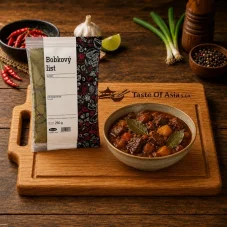
Drana Bay Leaf 250 g
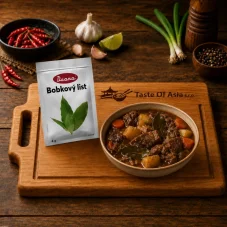
Drana Bay Leaf 4 g
Read next
If you want to continue with the same topic, here are more related articles to explore: