Česky (CZK)
 Slovensky (EUR)
 Deutsch (EUR)
 Austria
 Belgium
 Bulgaria
 Croatia
 Denmark
 Estonia
 Finland
 France
 Germany
 Greece
 Hungary
 Italy
Italy Latvia
 Lithuania
 Luxembourg
 Netherlands
 Poland
 Portugal
 Romania
 Slovenia
 Spain
Spain Sweden










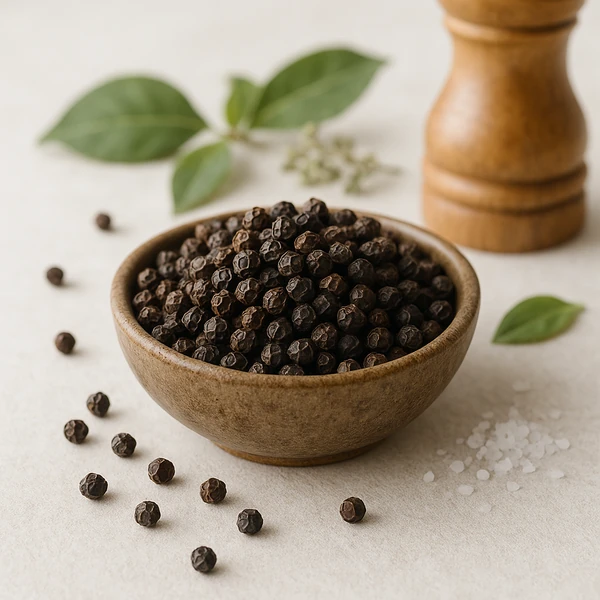
Whole Black Peppercorns: How to Use Them for Maximum Aroma in Asian Cooking
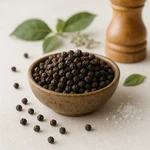
Why whole peppercorns make a bigger difference than you’d expect 🧂
Pepper can feel so familiar that it becomes an afterthought. But whole peppercorns are tiny capsules of essential oils: when you crack or warm them, those oils release fast and noticeably. In many Asian dishes—where garlic, ginger, soy, coconut, and aromatics compete for attention—pepper doesn’t just add “heat.” It bridges flavors, sharpens savory notes, and makes a dish taste more complete.
The trick is timing: pepper can be background support or the star accent, depending on whether you simmer it, bloom it in oil, or add it right at the end.
What whole black pepper tastes like (and why it works) 🌿
Black pepper comes from unripe pepper berries that are dried until their skins darken and wrinkle. Its heat is warming and prickly rather than chili-hot. Aromatically it can lean woody, resinous, slightly citrusy, sometimes even floral—especially when freshly cracked.
That profile is why it plays so well with classic Asian building blocks:
- Umami (soy sauce, fish sauce, mushrooms): pepper makes savory flavors feel brighter and less flat.
- Fat (oil, ghee, coconut milk): fat carries pepper aroma and rounds out its bite.
- Acid (lime, rice vinegar, tamarind): a little tang makes pepper smell more vivid.
How to “wake up” peppercorns without ruining them 🔥
There are three reliable ways to get more fragrance from whole peppercorns. Choose based on the dish and how much texture you want.
1) Crack, don’t pulverize
For most Asian cooking, a coarse crack is ideal: it releases aroma but avoids turning bitter and dusty. You can crack peppercorns with a mortar and pestle, the flat of a knife, or the bottom of a pan. Coarsely cracked pepper is excellent in marinades and stir-fries because it stays noticeable.
2) Dry-toast briefly, then crack
For curries, spice pastes, and dry rubs: toast whole peppercorns in a dry pan over medium heat for about 30–60 seconds, shaking often, just until they smell strongly peppery. Let them cool slightly, then crack or grind. This step boosts aroma dramatically—just don’t let them darken too much, or they can turn harsh.
3) Simmer whole for gentle depth
In broths, soups, and braises, add peppercorns whole so they infuse slowly. This gives a rounded pepper note without the sharp punch of freshly cracked pepper. If you dislike biting into peppercorns, use a spice sachet/tea infuser or simply fish them out before serving.
Where whole black pepper shines in Asian dishes 🍜
- Broths and soups: add whole peppercorns early for steady warmth (great in chicken broth bases, noodle soups, or slow-simmered stocks).
- Curries and masala-style cooking: toast-and-crack for maximum fragrance, or simmer whole if you want a softer pepper layer behind other spices.
- Marinades: coarsely cracked pepper clings to tofu, chicken, pork, and mushrooms and stays aromatic after cooking.
- Stir-fries: add cracked pepper near the end to keep it bright; add earlier only if you’re cooking at moderate heat and want it to mellow.
Choosing peppercorns: what to look for at home 🛒
When you’re buying whole peppercorns, freshness matters more than brand hype. A few practical checks:
- Aroma test: crack a couple between your fingers. You should smell pepper immediately. If it’s faint or dusty, it’s probably old.
- Appearance: peppercorns should look fairly uniform and not overly pale. Excessive grey dust in the bag can mean they’ve been shaken around for a long time.
- Size isn’t everything: larger peppercorns can be more aromatic, but the real indicator is how intense they smell when cracked.
Common mistakes (and easy fixes)
- Burning pepper in very hot oil: cracked pepper can scorch quickly and taste bitter. Fix: add it later, or toast whole peppercorns gently first and lower the heat when adding aromatics.
- Only peppering at the table: that gives bite but not depth. Fix: use a two-stage approach—infuse a little early (whole) and finish with a small amount of freshly cracked pepper.
- Using pre-ground pepper for everything: it’s convenient, but it loses aroma fast. Fix: keep whole peppercorns for most cooking and grind as needed.
Storage: keep the fragrance you paid for ✨
Store whole peppercorns in an airtight container away from heat, steam, and direct light. Whole pepper stays aromatic much longer than ground pepper, but it still fades over time—especially if it lives next to the stove.
A simple “pepper boost” you can use tonight
Fast stir-fry finish: crack 1/2–1 teaspoon of peppercorns. When your stir-fry is almost done, lower the heat, add the cracked pepper for 10–20 seconds, then turn off the heat and add a small splash of soy sauce or a squeeze of lime. You’ll notice the aroma lift immediately.
Our pick (great for a peppery stir-fry)
- Royal Orient Baby Corn 425 g – quick to toss into a wok; finishes nicely with freshly cracked black pepper and a savory sauce.
FAQ ❓
- Is whole black pepper “spicy” like chili?
- No. It’s warming and sharp, but it doesn’t bring the same burn as chili. It adds bite and aroma more than heat.
- Should I add whole peppercorns to a stir-fry?
- Usually cracked is better for stir-fries. Whole peppercorns can be too intense when you bite into them, unless you plan to remove them later.
- When should I grind pepper for the best aroma?
- As close to cooking (or serving) as possible. Even 10–15 minutes after grinding, the fragrance starts to fade.

Recommended products3

Drana Pepper Black Ground 20 g
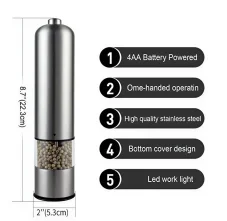
Herzberg Stainless steel pepper mill
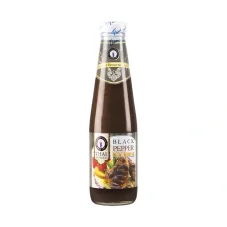
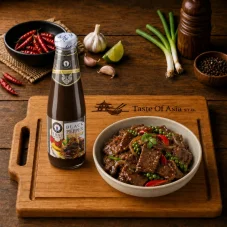


Thai Dancer Pepper sauce for frying 300 ml
Read next
If you want to continue with the same topic, here are more related articles to explore: