

 Česky (CZK)
 Slovensky (EUR)
 Deutsch (EUR)
 Austria
 Belgium
 Bulgaria
 Croatia
 Denmark
 Estonia
 Finland
 France
 Germany
 Greece
 Hungary
 Italy
Italy Latvia
 Lithuania
 Luxembourg
 Netherlands
 Poland
 Portugal
 Romania
 Slovenia
 Spain
Spain Sweden










Whole Mixed Peppercorns: How to Use Them for Better Aroma and Juicier Flavor
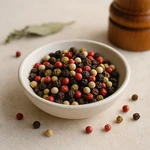
Why mixed peppercorns deserve a spot in your grinder
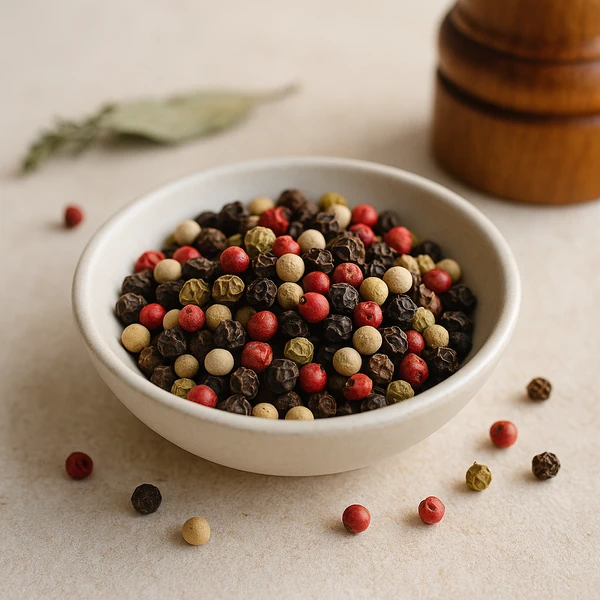
Pepper can be more than just “spicy.” When you crush whole peppercorns, aromatic oils are released instantly—this is where the warm, citrusy, woody notes come from. A mixed blend is especially handy because it combines several pepper styles in one jar, giving you a rounder, more layered aroma than plain black pepper alone.
In practical terms: mixed peppercorns work as a reliable finishing touch for Asian-inspired dishes (stir-fries, noodle bowls, broths) and also elevate simple plates like eggs, roasted vegetables, or creamy soups.
🌶️ What “mixed peppercorns” actually are
Most blends combine peppercorns from the Piper nigrum vine harvested and processed in different ways:
- Black pepper: bold, piney, and the most “peppery” in aroma.
- White pepper: smoother and earthier; great when you want pepper heat without visible black specks.
- Green pepper: fresher and slightly herbal, usually milder.
Many mixes also include pink peppercorns. These are not true pepper (Piper), but berries from a different plant, valued for their lightly sweet, floral aroma. In small amounts they add brightness and visual appeal.
👃 Flavor & aroma: what to expect in the pan and on the plate
A mixed blend tends to feel “juicier” and more complex: you get a quick lift (often from green/pink), then a warm pepper backbone (black/white), and a lingering finish. This is why mixed peppercorns can be friendlier in delicate dishes where straight black pepper might feel too sharp.
🍳 When to add pepper: timing makes the difference
Pepper changes character depending on heat and time. Use this simple rule of thumb:
- Early (into oil, broth, or sauce): pepper mellows and blends in. Good for soups, braises, curry sauces, and marinades.
- Mid-cook (quick stir-fry heat): aroma blooms, but stays lively. Ideal for wok vegetables, noodles, and fried rice.
- At the end (finishing): maximum fragrance and “spark.” Best for serving bowls, salads, and dips.
Tip: If you want both depth and freshness, add a small pinch during cooking and finish with a few twists right before serving.
🧂 How to use whole mixed peppercorns (with practical techniques)
1) Grind size matters
- Coarse crush: great for steaks, roasted tofu, fried eggs, or as a finishing touch on ramen and noodle bowls.
- Medium grind: everyday cooking—stir-fries, sauces, fried rice.
- Fine grind: good when you want pepper evenly distributed (dressings, batters, dumpling fillings).
2) Toast briefly for deeper aroma
For a richer, slightly smoky fragrance, toast whole peppercorns in a dry pan for 10–30 seconds—just until you smell them strongly. Then crush in a mortar and add to sauces or marinades. Don’t push it too far: over-toasting turns pepper bitter.
3) Infuse pepper without “pepper bites”
In broths or coconut-based sauces, you can simmer lightly crushed peppercorns for 5–10 minutes and then strain, leaving flavor behind without lots of pepper pieces.
Great pairings for Asian cooking
Mixed peppercorns are most useful when they support aroma and umami rather than competing with heat from chilies. Try them with:
- Garlic + ginger: a classic base for stir-fries and quick sauces.
- Soy sauce + sesame: finish fried rice, noodles, or steamed vegetables with a few twists.
- Coconut milk curries: pepper adds warmth and lift without making the curry taste “chili-hot.”
- Mushrooms: pepper enhances savory depth (especially in broths and creamy sauces).
- Citrus (lime, yuzu, lemon): pepper and acidity make each other taste brighter—perfect for dressings and dipping sauces.
Common mistakes (and how to avoid them)
- Burning pepper in hot oil: add pepper after aromatics (garlic/ginger) release fragrance, or lower the heat before adding.
- Using only pre-ground pepper: it’s convenient, but aroma fades fast. Keep whole peppercorns for finishing.
- Over-seasoning at the table: mixed pepper is nuanced—start small and build gradually.
- Storing next to the stove: steam and heat flatten aroma quickly.
🧊 Storage tips for longer-lasting aroma
Keep peppercorns in a tightly closed container, away from light, heat, and moisture. A cupboard is better than an open shelf. If you use a grinder, refill smaller amounts more often—pepper stays fresher and the blend keeps its balance.
A quick usage idea (no recipe stress)
Peppery soy-lime finish for stir-fries: mix 1 tbsp soy sauce, 1–2 tsp lime juice, a few drops of sesame oil (optional), and freshly crushed mixed peppercorns. Drizzle over hot vegetables or noodles right before serving. The heat releases aroma instantly.
Our picks (ingredients that play well with pepper)
- Royal Orient Baby Corn 425 g – mild, sweet crunch that pairs nicely with a peppery soy-based stir-fry.
- Koningsvogel Chilli paste Sambal Badjak extra hot 375 g – for those times you want real chili heat; finish with mixed peppercorns for added aroma and depth.
❓ FAQ
- Is mixed peppercorn blend always the same?
- No. Some blends include pink peppercorns; others stick to black/white/green. The exact balance changes the aroma, so treat each jar as slightly unique.
- Can I cook with mixed peppercorns, or only finish with them?
- Both. Cook with a small amount for depth, then add a fresh grind at the end for fragrance.
- What’s the biggest upgrade I can make?
- Use whole peppercorns and grind right before serving. That single habit delivers the biggest difference in aroma.

Recommended products1
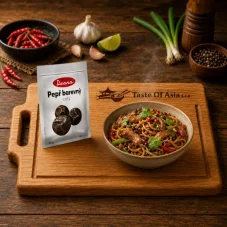
Drana Whole Mixed Pepper 20 g
Read next
If you want to continue with the same topic, here are more related articles to explore: