Česky (CZK)
 Slovensky (EUR)
 Deutsch (EUR)
 Austria
 Belgium
 Bulgaria
 Croatia
 Denmark
 Estonia
 Finland
 France
 Germany
 Greece
 Hungary
 Italy
Italy Latvia
 Lithuania
 Luxembourg
 Netherlands
 Poland
 Portugal
 Romania
 Slovenia
 Spain
Spain Sweden










Gingerbread spice mix: a fragrant blend that lifts both the dough and your spirits in winter
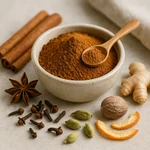
Open a jar of gingerbread spice and you’ll instantly recognize the scent: sweet warmth, a little bite, and that unmistakable “holiday baking” feeling. The magic of the blend is that it doesn’t just add perfume—it also deepens flavors like honey, cocoa, toasted nuts, and caramelized fruit. And because many of its core spices come from Asia’s spice-growing regions and trade routes, the flavor profile can feel surprisingly at home alongside tea, rice-based desserts, or soy-honey glazes.
🧡 What gingerbread spice actually is
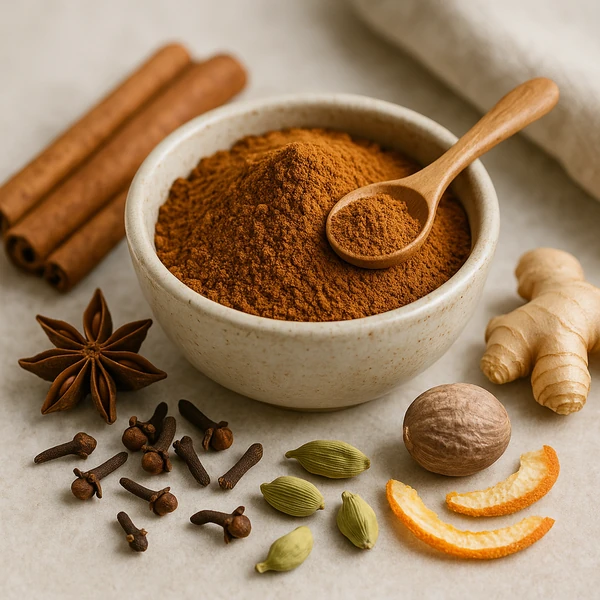
“Gingerbread spice” isn’t a single fixed recipe. It’s a family of blends used across Europe for honey cakes, gingerbread cookies, and spiced bakes. Most mixes combine a few key notes:
- Sweet warmth (usually cinnamon)
- Bright heat (ginger, sometimes pepper)
- Deep aroma (clove, allspice, nutmeg)
- Optional licorice-like lift (star anise or anise)
- Floral-citrus accent (cardamom, occasionally coriander)
In practice, you’ll often see blends built around cinnamon + ginger + clove, then rounded out with allspice and/or nutmeg. Some versions add cardamom or star anise for a more complex, perfumed finish.
🌿 A quick note on origin (why it feels “global”)
Gingerbread as a tradition is European, but the flavors that define it are tied to historic spice routes. Cinnamon (from Sri Lanka and Southeast Asia), ginger (South and Southeast Asia), cardamom (India), clove (Indonesia), and star anise (China/Vietnam) all shaped what “festive” baking tastes like today. That’s why gingerbread spice can echo profiles found in chai-like teas, braises perfumed with warm spices, or desserts that pair spice with citrus and caramel.
🍪 How to use gingerbread spice (beyond gingerbread)
Sweet baking: where it shines
- Cakes and loaves: pairs especially well with honey, molasses, cocoa, banana, or pumpkin/squash.
- Cookies: ideal for crisp, spiced cookies and buttery shortbread variations.
- Crumbles and streusels: a pinch in the topping makes fruit bakes taste instantly “seasonal”.
- Fruit desserts: apples, pears, plums, figs—especially with toasted nuts or caramel.
Breakfast and drinks: the fastest win
- Oatmeal, rice porridge, or yogurt: stir in a small pinch, then sweeten with honey or brown sugar.
- Hot chocolate and cacao: cocoa loves cinnamon and clove—start light and adjust.
- Milk tea / latte-style drinks: whisk into warm milk or a milk alternative; it tastes fuller if gently heated rather than added cold.
- Homemade syrup: simmer sugar + water with the spice blend, cool, strain if needed, and use in coffee or iced drinks.
🍜 Can you use it in savory food? Yes—just keep it subtle
Gingerbread spice can work in savory cooking when you treat it like an aromatic accent rather than a main flavor. The trick is to use very small amounts and balance it with salt + acidity (soy sauce, vinegar, citrus) so it doesn’t read as “cookie-like”.
- Glazes for roasted vegetables or tofu: a pinch of spice + soy sauce + honey + garlic + a splash of rice vinegar or lemon.
- Slow-cooked dishes: a tiny amount can deepen braises and stews, especially those already using ginger, star anise, or cinnamon-like notes.
- Spiced nuts: roast cashews or almonds with a touch of spice, salt, and a little sugar—great with drinks.
Rule of thumb: if your blend contains strong clove or star anise, start even smaller. Those notes expand quickly in hot, savory dishes.
🧪 How much to add (practical dosing guide)
- Cake or quick bread batter (about 500 g / 4 cups flour): 2–3 tsp, depending on how spice-forward you want it.
- Cookies: 1–2 tsp per standard batch (because cookies can turn bitter if over-spiced).
- Oatmeal / porridge (1 bowl): 1/8–1/4 tsp.
- Hot drink (1 mug): a small pinch; whisk well or heat briefly to bloom the aroma.
- Savory glaze or sauce (2–4 servings): start with 1/8 tsp, taste, then adjust.
If you’re unsure, add half of what you think you need, mix thoroughly, then taste. Spices “wake up” as they sit—especially in warm batters and sauces.
🛒 Choosing a good blend (what to look for)
- Aroma first: it should smell vivid as soon as you open the jar. A flat, dusty scent usually means it’s old.
- Check the ingredient list: a good blend is mostly spices. If sugar, flour, starches, or “flavorings” appear, you may get weaker flavor and less control.
- Know your cinnamon: many blends use cassia cinnamon (bold, classic “bakery” taste). Ceylon cinnamon is softer and more delicate—both are fine, but the overall blend will differ.
- Grind matters: very coarse blends can taste gritty in drinks and smooth batters; finely ground is usually more versatile.
🧺 Storage tips (keep it fragrant longer)
- Airtight and dark: store in a tightly sealed jar away from sunlight and the stove.
- Keep steam out: don’t shake spice directly over a hot pot—moisture causes clumping and speeds flavor loss.
- Buy or mix smaller amounts: ground spices fade faster than whole spices. If you bake seasonally, a smaller jar often stays more aromatic.
- Best-before isn’t the same as best-tasting: if the scent is weak, you’ll need more—and that can push clove/nutmeg into harsh territory.
🥣 Easy DIY gingerbread spice (a flexible base)
If you want to customize the profile (more ginger bite, less clove, extra cardamom), mixing your own is straightforward. Try this as a starting point and adjust to taste:
- 4 tsp ground cinnamon
- 2 tsp ground ginger
- 1 tsp ground allspice
- 1/2 tsp ground cloves
- 1/2 tsp ground nutmeg
- Optional: 1/2 tsp ground cardamom or a pinch of ground star anise
Mix well and store airtight. If you love a brighter blend, increase ginger and cardamom; if you want a darker, deeper blend, nudge up allspice and (carefully) clove.
❓ Quick FAQ
Is gingerbread spice the same as pumpkin spice?
They overlap (cinnamon, ginger, nutmeg), but gingerbread spice often includes clove and sometimes cardamom or anise-like notes, giving it a deeper, more “bakery” aroma.
Why does my bake taste bitter?
Most often it’s too much clove or nutmeg, or spices that have lost brightness so you add extra. Reduce the dose next time and consider refreshing your blend.
Can I use it in tea?
Yes. It works particularly well in black tea or milk tea. For the smoothest result, simmer it briefly or steep it in warm milk, then strain if needed.
⭐ Our picks (pantry shortlist for a better blend)
- Cinnamon for the main “warm” body
- Ginger for gentle heat and lift
- Cloves (use sparingly) for depth
- Cardamom for a floral, citrusy finish
- Star anise (optional) for a subtle licorice note in tiny amounts
🧭 Related categories (if you’re expanding your spice shelf)
- Whole spices (for fresher grinding)
- Sweet spice blends (for baking and drinks)
- Tea-friendly aromatics (ginger, cardamom, cinnamon)
Gingerbread spice is small but powerful: a pinch can make a plain batter feel richer, a hot drink smell like a bakery, or a glaze taste more rounded. Treat it like a layering tool—start modestly, taste often, and let the warmth do the work.

Recommended products1
Drana Gingerbread 25 g
Read next
If you want to continue with the same topic, here are more related articles to explore: