

 Česky (CZK)
 Slovensky (EUR)
 Deutsch (EUR)
 Austria
 Belgium
 Bulgaria
 Croatia
 Denmark
 Estonia
 Finland
 France
 Germany
 Greece
 Hungary
 Italy
Italy Latvia
 Lithuania
 Luxembourg
 Netherlands
 Poland
 Portugal
 Romania
 Slovenia
 Spain
Spain Sweden










Madras Curry: a Spicy Indian Classic and Easy Ways to Use It at Home
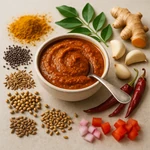
🌶️ What “Madras curry” actually means
“Madras” is a name you’ll often see on curry powders and pastes that lean hotter, deeper, and more aromatic than mild blends. The term links back to Madras (today’s Chennai) in South India, but it’s worth knowing that Madras curry as sold in Europe is usually a recognisable flavour profile rather than one fixed, official recipe.
In practice, the label can refer to:
- Madras curry powder (a dry spice blend) for quick seasoning, sauces, and roasting.
- Madras curry paste (a concentrated, ready-to-cook base) that helps you build a sauce fast.
Both aim for a similar result: a warming spice backbone with noticeable chilli heat and a savoury depth that develops as it cooks.
🧡 Flavour profile: what to expect in the pan
Madras-style curry typically tastes toasty and warming, often with a pleasantly sharp edge from chilli. Depending on brand and format, you may notice:
- Heat: from mild-medium to genuinely spicy (it varies a lot between products).
- Earthy depth: the “curryhouse” style richness you get when spices are briefly fried.
- Roundness: especially when paired with tomatoes, coconut milk, or yoghurt.
If your Madras curry tastes flat at first, it’s rarely a “bad curry” problem—it’s usually a technique problem. A short bloom in oil (or ghee) makes a dramatic difference.
🍳 Madras curry vs Thai curry pastes (quick orientation)
Madras curry is most often used in an Indian-inspired direction: warm, spice-led, and built on sautéed aromatics plus tomatoes, stock, coconut milk, or yoghurt.
Thai curry pastes, by contrast, usually lean more on fresh aromatics (such as lemongrass, galangal, lime leaf) and their flavour reads more herbaceous and bright. If you like exploring different “curry” styles, it helps to think of Madras as a spice-forward option in your pantry.
🥘 The easiest ways to use Madras curry at home
Madras curry shines when you treat it as a foundation and build around it. Here are reliable, low-effort uses:
- One-pan curry sauce: fry onion (and garlic/ginger if you like), bloom the Madras, then add tomatoes, stock, or coconut milk. Simmer and add chicken, chickpeas, tofu, or vegetables.
- Quick marinade: mix Madras curry with oil plus something creamy (yoghurt or coconut milk). Coat chicken, tofu, paneer, or cauliflower; roast or grill.
- Lentils and chickpeas: add Madras while sautéing aromatics, then simmer with lentils/chickpeas until creamy. Finish with lemon or lime.
- Roasted vegetables: toss veg with oil, salt, and a small amount of Madras; roast until browned. The surface toasts and the aroma intensifies.
🧩 Pairings that balance the heat and boost flavour
Madras curry is bold, so it benefits from “counterweights.” Keep these three levers in mind:
- Acid (lime, lemon, tamarind): added at the end, it lifts aroma and stops the sauce feeling heavy.
- Fat (oil, coconut milk, yoghurt): carries spice aromas and softens sharp heat.
- Sweetness (a pinch of sugar, caramelised onion): rounds out chilli bite and makes the spices taste fuller.
For serving, neutral sides (rice, flatbreads) let the curry take centre stage, while crunchy toppings (cucumber, herbs) bring contrast.
💡 Powder or paste—what should you choose?
Both are useful; the best choice depends on how you cook.
- Madras curry powder is easy to dose, great for dry cooking (roasting, stir-frying), and lets you control salt and acidity more precisely.
- Madras curry paste is the fastest route to a sauce. It’s ideal when you want a consistent result with minimal measuring.
If you’re new to Madras, start small: you can always add more, but you can’t take heat out once it’s in.
✅ Common mistakes (and how to avoid them)
- Burning the spices: bloom Madras briefly over medium heat with enough oil, then add liquid before it darkens too much.
- Adding it only at the end: Madras needs a few minutes of cooking to taste rounded, not raw.
- Over-spicing too early: the sauce concentrates as it simmers. Start modestly, then adjust.
- Forgetting salt and acid: Madras gives aroma, but balance comes from seasoning and a final squeeze of citrus.
🧊 Storage tips for maximum aroma
- Powder: store airtight, away from heat and light. Use within a few months for peak fragrance.
- Paste: refrigerate after opening, keep the surface clean, and close tightly. If you don’t cook with it often, portion and freeze.
🍽️ A no-stress Madras curry template (10–20 minutes active time)
- Sauté chopped onion in oil until softened (optional: add garlic and ginger).
- Stir in Madras curry (powder or paste) and cook for 20–60 seconds until fragrant.
- Add crushed tomatoes or coconut milk (or a mix) plus a splash of stock/water.
- Add your main ingredient (chicken, chickpeas, tofu, vegetables) and simmer until cooked.
- Finish with salt and a squeeze of lime/lemon; add a pinch of sugar if the heat feels sharp.
Our picks (Madras essentials)
- Paste Madras kari 50 g – a quick base when you want a sauce without building a spice cabinet.
- Drana Madras Curry 500 g – a large-format option for frequent cooking and batch meals.
Related category
- Curry pastes – useful if you like comparing styles and building fast weeknight curries.
FAQ
Is Madras curry always very hot?
Not always. “Madras” usually signals more heat than mild curry, but intensity varies by brand and whether it’s a powder or paste. Start with a smaller amount, simmer, then adjust.
Can I make Madras curry without coconut milk?
Yes. Tomatoes plus stock (or water) give a lighter, punchier curry. Yoghurt can add creaminess too—just keep the heat gentle to avoid splitting.
What proteins work best?
Chicken, chickpeas, lentils, tofu, and firm vegetables (cauliflower, potatoes, pumpkin) all handle Madras spices well.

Recommended products2
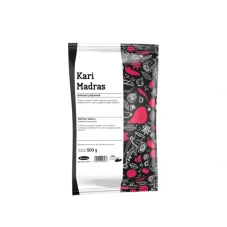
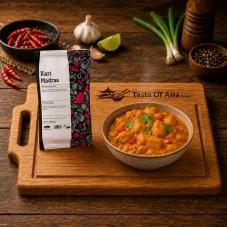
Drana Madras Curry 500 g
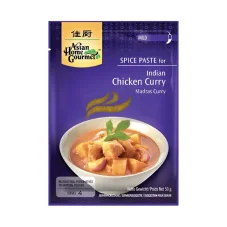
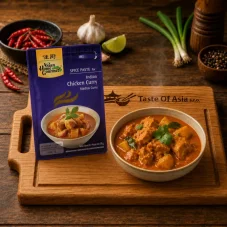


Paste Madras kari 50 g
Read next
If you want to continue with the same topic, here are more related articles to explore: