

 Česky (CZK)
 Slovensky (EUR)
 Deutsch (EUR)
 Austria
 Belgium
 Bulgaria
 Croatia
 Denmark
 Estonia
 Finland
 France
 Germany
 Greece
 Hungary
 Italy
Italy Latvia
 Lithuania
 Luxembourg
 Netherlands
 Poland
 Portugal
 Romania
 Slovenia
 Spain
Spain Sweden










Sauce for Chicken and Rice: How to Nail an Asian-Style Flavor at Home
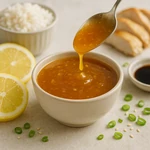
🍚 Why the sauce matters more than the chicken
Plain rice and mild chicken are a perfect blank canvas: they’re filling, affordable, and easy to cook. But they can also taste flat if the seasoning stays only on the surface. In many Asian home kitchens, the sauce isn’t a final garnish—it’s the element that ties together protein, rice, and vegetables so every bite tastes intentional.
A good chicken-and-rice sauce does three jobs at once: it brings a clear flavor direction (tangy, savory, spicy, aromatic), it clings to the chicken, and it lightly coats the rice instead of pooling at the bottom of the plate.
🥢 What makes a sauce taste “Asian-style” (without being complicated)
Across East, Southeast, and South Asian cuisines you’ll see different ingredients, but the same idea shows up again and again: balance. Instead of one dominant taste, the sauce often combines two or more of these pillars:
- Salt + umami (soy sauce, fish sauce, oyster sauce, fermented pastes, stock)
- Sweetness (sugar, palm sugar, honey, fruit, sweet sauces)
- Acidity (rice vinegar, lime/lemon, tamarind)
- Heat (fresh chili, chili flakes, chili pastes)
- Aromatics (garlic, ginger, scallion, toasted spices)
When people say a dish tastes “like takeout,” it’s usually because the sauce hits that sweet-salty-tangy zone and has enough body to glaze the chicken.
🍋 Choose your sauce style: four reliable directions
If you’re cooking chicken and rice regularly, it helps to think in “styles” rather than fixed recipes. Pick one direction and build from there.
1) Bright sweet-sour (citrus or vinegar)
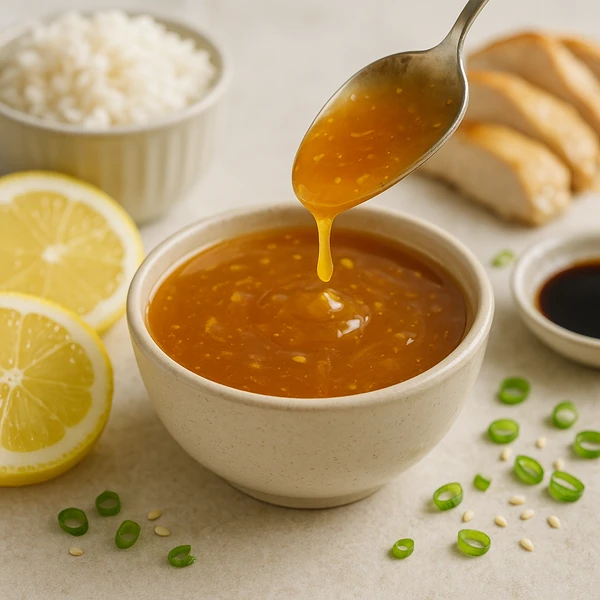
This is the style you reach for when you want a lighter, punchy dinner. It works especially well with stir-fried vegetables (bell pepper, onion, pineapple, carrots) and with chicken that’s been seared until browned. The goal is a glossy glaze that lightly sticks to the meat.
Best for: crispy or pan-seared chicken, quick veggie stir-fries, jasmine rice.
2) Soy-umami “everyday stir-fry”
Soy-forward sauces are the most forgiving. They can be thin and brothy (great for spooning over rice) or reduced into a clingy glaze. Add ginger and garlic and you already have a strong base; add a touch of sugar and a splash of vinegar and it becomes restaurant-like very quickly.
Best for: busy weeknights, mixed vegetables, leftovers you want to revive.
3) Curry-style sauce (spiced and comforting)
Curry sauces are made to be eaten with rice—thick enough to coat each grain, aromatic enough to feel substantial. Depending on the region, the base can be coconut-forward, stock-based, or built from fried spice paste. If you’re aiming for “bowl food,” this is the easiest path.
Best for: one-bowl meals, meal prep, adding potatoes or chickpeas for extra body.
4) Tomato-spiced and gently creamy
Tomato-based sauces show up in several Asian traditions, often with warm spices and a soft, rich texture. This direction is ideal if you want something less sharp than sweet-sour but still vibrant. It’s also a smart bridge for anyone new to Asian pantry ingredients.
Best for: mild heat preferences, kid-friendly dinners, basmati or jasmine rice.
🔥 How to build a sauce that clings (not watery)
Texture is where home versions often miss the mark. If the sauce is too thin, it slides off chicken and leaves rice bland; if it’s too thick, it turns heavy and dull. Use one of these methods—each works, just choose based on your style.
Option A: Reduce it (best flavor, needs a few minutes)
- Simmer the sauce uncovered until it looks slightly thicker than you want—once it hits the chicken, it will tighten further.
- Keep the heat lively so water evaporates. Gentle simmering is fine; a lazy low heat often stays watery.
Option B: Starch slurry (fastest and most consistent)
Mix 1 tsp cornstarch with 1 tbsp cold water (scale up as needed). Bring your sauce to a simmer, then whisk in the slurry little by little. Stop when the sauce coats a spoon. Give it 30–60 seconds to cook through so it doesn’t taste chalky.
Tip: If you’re using citrus juice, add it at the end; long boiling can dull brightness.
Option C: Coconut milk or nutty richness (for curry-style)
For curry sauces, body often comes from coconut milk, ground nuts, or well-fried spice paste. Let it simmer gently to thicken and concentrate aroma.
🌶️ Seasoning “shortcuts” that taste intentional
These are small moves that make a simple sauce feel layered:
- Start with aromatics: fry garlic and ginger briefly in oil until fragrant (don’t burn). This creates a base aroma that reads as “wok-style” even without a high-power burner.
- Add sweetness early, acid late: sugar and honey dissolve and round out saltiness; acids are brighter when added near the end.
- Finish with a few drops of toasted sesame oil: treat it like perfume—too much can overpower everything.
- Use scallions as a finishing herb: add some at the end for freshness; cook some at the beginning for sweetness.
💡 Keep chicken juicy in saucy dishes
- Don’t over-simmer the chicken in the sauce: cook chicken until just done, then toss it in the finished sauce for 1–2 minutes to coat.
- Brown first, sauce second: a quick sear adds flavor compounds that make the sauce taste deeper without extra ingredients.
- Slice for the sauce: thinner pieces absorb flavor faster and need less time in the pan.
Quick “mix-and-match” sauce templates (no special equipment)
Use these as starting points for one portion (about 250–300 g chicken). Double for meal prep. Adjust to taste—especially saltiness.
Template 1: Everyday soy-umami glaze
- 2 tbsp soy sauce
- 1 tbsp water or stock
- 1–2 tsp sugar or honey
- 1 tsp rice vinegar (or a squeeze of lime)
- Garlic + ginger (to taste)
- Optional: starch slurry to thicken
Template 2: Sweet-sour (bright and sticky)
- 2 tbsp water
- 1.5 tbsp vinegar (rice vinegar is ideal)
- 1–2 tbsp sugar
- 1 tbsp ketchup or tomato paste (for body and color)
- Optional: pineapple juice or orange/lemon zest
- Starch slurry for a glossy finish
Template 3: Fast curry bowl sauce
- 1–2 tsp curry powder (or curry paste)
- 200 ml coconut milk or stock (choose richness level)
- Salt to taste
- Optional: a little sugar to round it out
- Simmer until lightly thickened
Common mistakes (and quick fixes)
- Too salty: add a splash of water/stock and a little sweetness; serve with more rice and vegetables to balance.
- Too sour: add a bit of sugar and simmer briefly; don’t keep adding soy to “hide” acidity.
- Too sweet: add a small amount of vinegar or citrus; a pinch of salt can also reduce perceived sweetness.
- Glossy but bland: you likely thickened without enough seasoning. Add umami (soy/fish/oyster sauce) in tiny increments and taste.
Our picks (useful for sweet-sour chicken and rice)
- SWAD Chutney mango exotic sauce 350 g – a handy shortcut when you want fruit sweetness plus gentle spice. Stir a spoonful into a soy-vinegar base or use it to soften a sharp sweet-sour sauce.
FAQ
Should I sauce the chicken in the pan or pour sauce over rice?
For the most “bistro-style” result, toss chicken in the sauce in the pan so it gets coated. Then spoon a little extra sauce over rice if needed.
Can I make the sauce ahead?
Yes. Most soy-based and sweet-sour sauces keep well for 3–5 days refrigerated in a sealed container. Reheat gently and add a splash of water if it thickens too much.
What rice works best with saucy chicken?
Jasmine rice is a classic pairing for fragrant sauces; basmati works well with tomato-spiced or curry-style sauces. The main rule: cook rice a touch drier (not wet) so it can absorb sauce without turning mushy.

Recommended products1
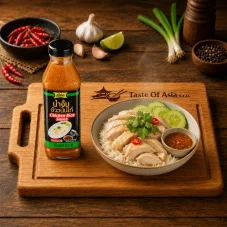
Lobo Chicken and Rice Sauce 220 ml
Read next
If you want to continue with the same topic, here are more related articles to explore: