

 Česky (CZK)
 Slovensky (EUR)
 Deutsch (EUR)
 Austria
 Belgium
 Bulgaria
 Croatia
 Denmark
 Estonia
 Finland
 France
 Germany
 Greece
 Hungary
 Italy
Italy Latvia
 Lithuania
 Luxembourg
 Netherlands
 Poland
 Portugal
 Romania
 Slovenia
 Spain
Spain Sweden










Sauce for Meatballs: How to Get the Flavor (and Texture) Right — with an Asian Twist
🥣 Why sauce matters more than the meatball seasoning
Meatballs are essentially a blank canvas: rich, savory, and mild enough to work with many cuisines. A well-made sauce does three jobs at once:
- Moisture: it protects meatballs from tasting dry, especially if they’re baked or reheated.
- Contrast: acidity and heat cut through fat; sweetness rounds sharp edges.
- Aroma: ginger, garlic, sesame, citrus, chili—these are what make the dish smell irresistible before the first bite.
Across Asia, meatballs (including chicken, pork, beef, and fish balls) are often served with bold dips or quick glazes. The principle is simple: build big flavor fast, then reduce or thicken so it actually sticks.
✨ The three formats: glaze, pour-over sauce, or dip
Pick the format first—your technique changes depending on how you’ll serve the meatballs.
- Glaze (shiny, sticky): best for party bites, skewers, lunchboxes. The goal is a thin coating that clings.
- Pour-over sauce (more volume): best with rice, noodles, mashed potatoes—anything that benefits from extra “gravy”.
- Dip (served on the side): best when you want crisp surfaces to stay crisp (fried or air-fried meatballs) or when guests prefer different heat levels.
🧠 A simple sauce blueprint that works every time
Instead of following a strict recipe, think in building blocks. Most great meatball sauces contain:
- Salty backbone: soy-style seasoning, fish sauce, or a salty paste (use sparingly).
- Sweetener: sugar, honey, palm/coconut sugar, or a sweet chili base—helps glaze and caramelization.
- Acid: lime/lemon juice, rice vinegar, tamarind, or a splash of pickling brine for brightness.
- Heat: chili flakes, chili paste, hot sauce—add gradually.
- Umami booster: miso, fermented bean pastes, toasted sesame, dried mushroom powder, or a dash of oyster-style seasoning.
- Aromatics: garlic, ginger, scallion, citrus zest—often the difference between “fine” and “wow”.
Practical order: balance salty + sweet first, then add acid, then heat. If you add acid too early, you may overcorrect sweetness and end up chasing the flavor in circles.
🧷 How to make the sauce cling (not slide off)
“Good flavor” isn’t enough—meatballs need the right texture in the sauce. Three reliable methods:
1) Reduce for stickiness
Simmer the sauce until it lightly coats a spoon. Reduction concentrates flavor and naturally thickens sugar-based sauces. Use medium heat and stir often to prevent scorching (sweet sauces burn quickly).
2) Use a starch slurry for a glossy finish
For a restaurant-style sheen, mix cornstarch (or potato starch) with cold water, then whisk it into gently simmering sauce in small amounts. Stop as soon as it turns glossy and slightly syrupy. Too much slurry = jelly-like sauce.
3) Emulsify for creamy body
If you want a satay-style or sesame sauce, fat and water must stay together. Whisk in nut butter or coconut milk at low heat, then adjust with water or stock until it’s pourable. Avoid a hard boil, which can cause separation.
🌶️ Four Asian-leaning flavor paths that pair beautifully with meatballs
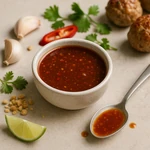
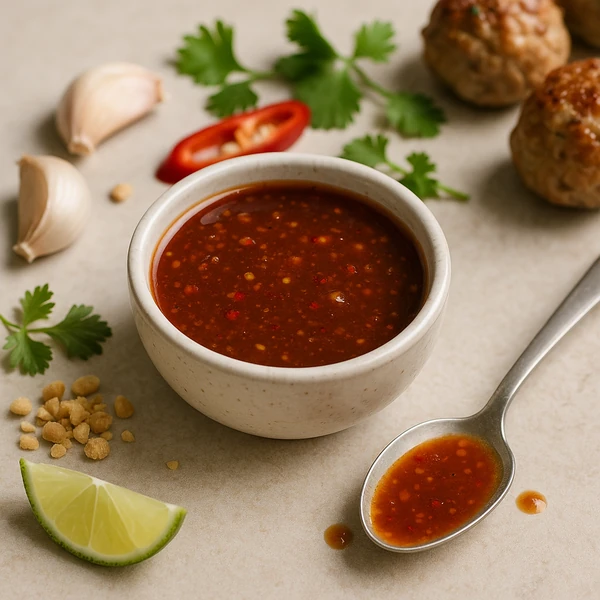
1) Thai-inspired spicy-sour dipping sauce
Ideal for finger food or for meatballs served alongside crisp vegetables. Aim for a punchy balance: salty + sour first, then sweetness, then heat. Finish with fresh aromatics (garlic, cilantro, scallion) so it tastes alive.
Pairs best with: pork, chicken, turkey, fish balls.
2) Peanut satay-style sauce (creamy, roasty, comforting)
Satay-style sauce turns meatballs into a hearty main dish—especially with rice or noodles. Keep it creamy but not heavy: peanut notes should be prominent, with enough acid to keep it from feeling flat.
Allergen note: peanuts are a common and serious allergen; label clearly if serving guests.
Pairs best with: chicken, pork, beef (especially if the sauce includes a little lime or tamarind).
3) Miso-ginger umami sauce (deep, savory, not overly sweet)
Miso gives a long-cooked depth without long cooking. Use gentle heat so the miso stays rounded rather than harsh. A touch of sweetness helps miso taste fuller; ginger keeps it bright.
Pairs best with: chicken, pork, and lighter beef meatballs.
4) Citrus sticky glaze (bright, glossy, crowd-pleasing)
A lemon/lime-orange style glaze is great when you want something kid-friendly (skip the heat) but still interesting. Citrus zest gives aroma; juice provides the lift that prevents sweetness from feeling cloying.
Pairs best with: chicken, turkey, pork; also great with meatballs that include ginger or scallion.
👃 The fast upgrade: bloom aromatics first
If your sauce ever tastes “complete” but not exciting, it’s usually missing fresh aroma. One minute makes a difference:
- Warm a teaspoon of oil.
- Add minced garlic and/or ginger (and chili if using) for 20–40 seconds—just until fragrant.
- Add your sauce base and proceed with reduction or thickening.
This technique works even when you start from a ready-made sauce base, because it adds that just-cooked fragrance people associate with truly fresh food.
🍽️ Serving ideas (and what they do for the dish)
- Steamed rice: neutral, so the sauce becomes the star.
- Noodles: meatballs become the “topping”; choose a slightly looser sauce so it coats strands.
- Stir-fried greens: bok choy, cabbage, green beans—bitterness and crunch balance sweet or nutty sauces.
- Pickles or quick cucumber salad: extra acidity keeps rich meatballs from feeling heavy.
🧊 Storage and reheating (so the sauce stays glossy)
- Refrigerate sauce (separately if possible) in a sealed container for 3–4 days.
- Reheat gently on low heat with a splash of water. High heat can break emulsified sauces and can turn starch-thickened sauces too thick.
- Glazed meatballs reheat best in a pan with a tiny splash of water, covered for 2–3 minutes, then uncovered to re-gloss.
🍳 Optional: a quick “any night” glossy glaze (template)
Use this as a starting point, then steer it toward any of the flavor paths above.
- Base: soy-style seasoning + a little water or stock
- Sweet: honey or sugar
- Acid: rice vinegar or citrus juice
- Aroma: garlic and ginger (bloomed in oil)
- Finish: cornstarch slurry to make it cling
Simmer until glossy, toss meatballs in the pan to coat, then serve immediately for the best texture.
🧺 Our picks (pantry staples that make meatball sauces easier)
- Chili paste or chili flakes (for controlled heat)
- Rice vinegar and citrus (for quick brightness)
- Miso or toasted sesame (for instant umami depth)
❓ FAQ
Why does my sauce taste good in the pan but bland on the meatballs?
Meatballs absorb and dilute flavors. Make the sauce slightly more intense than you think you need, then coat the meatballs and taste again. A small extra splash of acid (vinegar or citrus) often “wakes it up” instantly.
My glaze burns quickly—what am I doing wrong?
High sugar + high heat = burning. Use medium heat, stir frequently, and add the meatballs only once the sauce has thickened slightly. If it’s reducing too fast, add a tablespoon of water to slow it down.
How do I keep a peanut sauce from becoming too thick?
Whisk in warm water or coconut milk gradually until it’s pourable. Peanut sauces thicken as they cool, so aim a little looser than your final desired texture.

Recommended products1
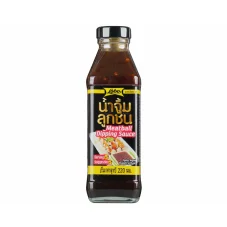
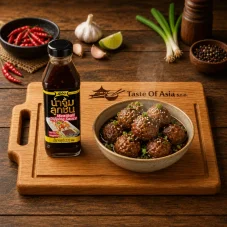


Lobo Meatball Sauce 220 ml
Read next
If you want to continue with the same topic, here are more related articles to explore: