Česky (CZK)
 Slovensky (EUR)
 Deutsch (EUR)
 Austria
 Belgium
 Bulgaria
 Croatia
 Denmark
 Estonia
 Finland
 France
 Germany
 Greece
 Hungary
 Italy
Italy Latvia
 Lithuania
 Luxembourg
 Netherlands
 Poland
 Portugal
 Romania
 Slovenia
 Spain
Spain Sweden










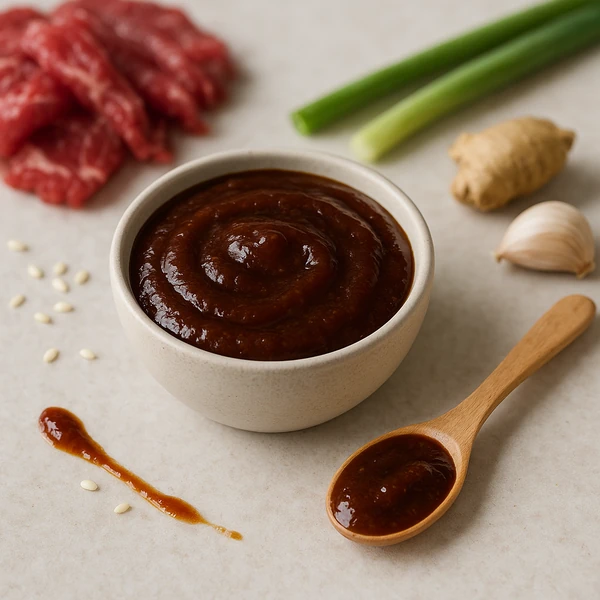
Bulgogi-Style Hoisin Sauce: the Sweet-Umami Shortcut for Fast Marinades and Glossy Glazes
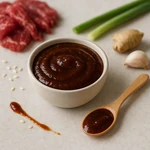
🌶️ What “Bulgogi-Style Hoisin” Means
Classic hoisin comes from Chinese cooking: a dense, dark sauce with a sweet-salty backbone and plenty of savory depth. It’s famous as a dip (think pancakes, rolls), as a wok sauce base, and as a glaze that turns glossy when heated.
Bulgogi, on the other hand, is a Korean BBQ flavor direction—typically a balance of sweetness, soy-like saltiness, garlic, sesame notes, and that “grilled” feel you get from a hot pan or grill.
When a sauce is labeled bulgogi-style hoisin, it’s usually aiming to combine hoisin’s thick sweetness with a Korean BBQ-inspired profile. The practical benefit is simple: one sauce can cover marinating, finishing, and dipping without you having to build the flavor from scratch.
👃 Flavor & Texture: What to Expect
Most bulgogi-style hoisin sauces sit in the sweet-umami zone with noticeable savory punch. The texture is generally thick enough to cling to meat, tofu, or vegetables—perfect for creating a lacquered surface in the last minute or two of cooking.
Because the sauce tends to be sweeter and denser than a thin stir-fry sauce, it behaves a bit like a glaze: it aromas up quickly, darkens slightly, and can caramelize if pushed too hard.
🍳 How to Use It (Without Overthinking)
1) Quick marinade for meat, tofu, or mushrooms
Use it straight as a marinade when you want speed. Thinly sliced beef or pork takes to it especially well, but chicken thighs, tofu, tempeh, and portobello mushrooms also work beautifully.
- Fast option: 10–20 minutes for thin slices.
- More intense: 1–4 hours for larger pieces.
- Easy upgrade: add minced garlic, grated ginger, or a sprinkle of sesame seeds.
2) Pan glaze for a glossy finish
For stir-fries, the easiest method is to cook your protein and vegetables first, then add the sauce at the end.
- Sear your main ingredient until nearly done.
- Lower the heat slightly.
- Add 1–3 tablespoons of sauce and toss for 30–60 seconds until it coats and turns shiny.
- If it looks too thick, loosen with a spoon of water.
This keeps the flavor bright and prevents the sugars from scorching.
3) Dip for crispy snacks and fresh sides
Because bulgogi-style hoisin is already balanced, it works as a ready-to-serve dip for spring rolls, fried chicken bites, dumplings, or even oven fries. If you prefer it less sweet, brighten it with a little lime juice or a splash of mild vinegar.
4) “Instant sauce” for noodles and rice bowls
Stir 1–2 tablespoons into hot noodles or rice, then add crunchy vegetables (cucumber, carrot), herbs, and a soft egg. It’s one of the quickest ways to get that Korean-BBQ-meets-hoisin vibe at home.
🧩 Pairings That Make the Sauce Taste Even Better
- Sesame + scallions for a classic finishing touch.
- Garlic + ginger to push the BBQ character.
- Something acidic (lime, rice vinegar) to balance sweetness.
- Heat (chili flakes or hot sauce) if you want contrast.
- A little water to help it coat noodles or large stir-fries evenly.
💡 Common Mistakes (and How to Avoid Them)
- Burning the sauce: add it near the end, especially on very hot pans.
- Over-salting: taste before adding extra soy or salt—these sauces are usually already seasoned.
- Too thick for noodles: thin with water (or noodle cooking water) so it spreads instead of clumping.
- Expecting it to behave like a thin stir-fry sauce: think “glaze” rather than “broth.”
🍽️ A Simple 10-Minute Serving Idea
Bulgogi-style hoisin glazed chicken bowl: pan-sear sliced chicken thighs, add the sauce for the last minute to coat, then serve over rice with shredded cabbage, cucumber, and a sprinkle of sesame seeds. Finish with scallions and a squeeze of lime if you have it.
🧊 Storage & Handling
Follow the label instructions, especially after opening. As a general rule: keep the bottle closed tightly, use a clean spoon if you’re dipping (to avoid contamination), and store it away from heat and sunlight. Thick sweet sauces can change flavor if repeatedly heated and cooled, so pour out what you need rather than hovering the open bottle near the stove.
🛒 Our picks
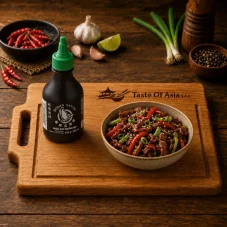
- Flying Goose Hoisin Sauce 200 ml – handy size if you want to test hoisin as a base for bulgogi-style marinades and glazes.
- Flying Goose Hoisin sauce 455 ml – a practical bottle for frequent stir-fries and dipping.
- Haiyin Bridge Hoisin Sauce 1790 ml – a big-format option for heavy users and batch cooking.
🔎 Related category
- Hoisin Sauces – explore different styles if you’re comparing classic hoisin with bulgogi-inspired blends.
❓FAQ
Is bulgogi-style hoisin sauce the same as bulgogi marinade?
Not exactly. Bulgogi marinade is typically built from several ingredients (soy, sugar, garlic, sesame, etc.). Bulgogi-style hoisin aims to deliver a similar sweet-savory BBQ direction in a single, thick sauce—more of a shortcut and often better suited to glazing.
Can I use it on vegetables?
Yes. It’s excellent on mushrooms, eggplant, broccoli, and bell peppers—just add the sauce at the end so it coats without burning.
How do I make it less sweet?
Balance it rather than “fixing” it: add acidity (lime or vinegar), a bit of heat (chili), or dilute lightly with water and use it more as a finishing sauce than a heavy coating.

Recommended products6
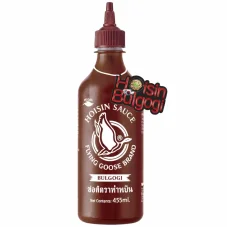
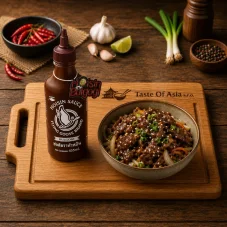


Flying Goose Hoisin Bulgogi Sauce 455 ml
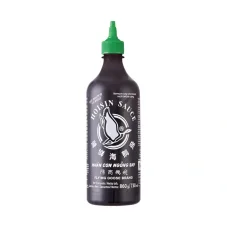
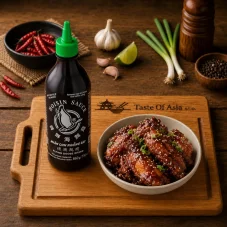
Flying Goose Hoisin Sauce 730 ml

Haiyin Bridge Hoisin Sauce 1790 ml
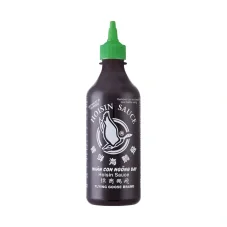
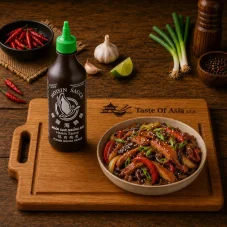
Flying Goose Hoisin sauce 455 ml
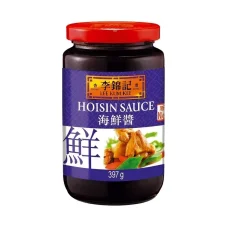

Lee Kum Kee Hoisin sauce 397 g
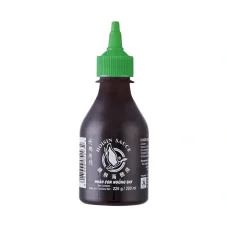
Flying Goose Hoisin Sauce 200 ml
Read next
If you want to continue with the same topic, here are more related articles to explore: