Česky (CZK)
 Slovensky (EUR)
 Deutsch (EUR)
 Austria
 Belgium
 Bulgaria
 Croatia
 Denmark
 Estonia
 Finland
 France
 Germany
 Greece
 Hungary
 Italy
Italy Latvia
 Lithuania
 Luxembourg
 Netherlands
 Poland
 Portugal
 Romania
 Slovenia
 Spain
Spain Sweden










Sweet-Spicy Chili Sauce with Yuzu: Citrus Heat That Lifts Any Dish
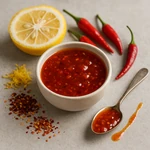
🌶️🍋 What makes “sweet-spicy chili sauce with yuzu” different?
Think of it as a three-part seasoning sauce: chili heat, a touch of sweetness, and yuzu citrus. Classic sweet chili sauces lean heavily on sugar and mild chili, often tasting sticky and straightforward. The yuzu version keeps that easy, crowd-pleasing profile but adds a distinctive citrus top note—less like plain lemon and more floral, aromatic, and complex.
Yuzu is a prized East Asian citrus (used widely in Japan and Korea) known for its perfumed peel and sharp, clean aroma. In modern Asian cooking, yuzu shows up in ponzu-style sauces, dressings, and finishing condiments because it brings freshness without tasting flat.
In a sweet-spicy sauce, yuzu does something especially useful: it cuts through richness. That’s why this style works so well with fried foods, grilled meats, creamy dips, and oily noodles.
👃 Flavor profile: what to expect
- First impression: bright citrus aroma as soon as the bottle is opened.
- On the palate: sweet at the front, then a building warmth from chili; yuzu lifts the finish so it doesn’t feel heavy.
- Texture: usually smooth and pourable, sometimes slightly syrupy so it coats wings, tofu, or roasted vegetables.
🥢 The three best ways to use it (and why each works)
1) Dip
As a dip, the sauce stays “pure,” so you notice the yuzu most. It’s a natural match for foods that are mild inside and crisp outside:
- dumplings (gyoza/mandu)
- spring rolls
- tempura vegetables or shrimp
- crispy tofu, nuggets, fries
2) Glaze (finish strong)
Sweetness helps the sauce cling and caramelize, while yuzu keeps the glaze from tasting cloying. The key is timing: apply it near the end so the sugar doesn’t burn.
- Chicken wings: toss right after baking or air-frying.
- Salmon: brush on in the last 2–4 minutes of cooking.
- Grilled skewers: glaze after the meat is cooked through, then quickly set it over heat.
3) Fast seasoning for bowls and noodles
When you don’t have time to build a full sauce, a spoonful can do the job—especially if you add a little saltiness and fat for balance:
- Rice bowl: mix with soy sauce (or a pinch of salt) and a few drops of sesame oil, then drizzle.
- Stir-fry noodles: add at the very end so the citrus stays lively.
- Cold noodle salad: thin with a splash of water and a neutral oil to make a quick dressing.
🍤 Pairings that really shine
Rich meats and fatty cuts
Yuzu’s job is to brighten and “reset” your palate. That’s why it pairs beautifully with:
- pork belly (roasted or pan-seared)
- thigh meat (juicy chicken, turkey)
- fried cutlets and crispy breaded pieces
Seafood
Citrus and seafood are natural friends. Use yuzu chili sauce as a finishing glaze or dip for:
- shrimp (grilled or tempura)
- salmon and trout
- calamari and fish bites
Vegetables and tofu
Sweet-spicy plus citrus makes plant-based dishes feel more “complete” without extra cooking:
- roasted cauliflower, carrots, squash (great with caramelized edges)
- crispy tofu or tofu katsu
- stir-fried green beans or mushrooms
🔥 Managing heat and sweetness (common pitfalls)
- Sweet sauces hide heat: start with a teaspoon, taste, then add more. The burn can arrive later than you expect.
- Don’t scorch the sugar: if you’re glazing, add the sauce at the end or off-heat. Burnt sugar tastes bitter and dulls the yuzu aroma.
- Balance with salt and fat: if the sauce tastes “too fruity” or “too sweet,” pair it with something salty (soy sauce) and a little fat (mayo, sesame oil, or butter in small amounts).
✅ How to choose a good yuzu chili sauce
Labels vary a lot. Here’s what to look for depending on how you cook:
- For dipping: choose a sauce with a clear yuzu aroma (often indicated by yuzu juice or yuzu extract on the ingredients list).
- For glazing: a slightly thicker sauce coats better; too watery can slide off during cooking.
- For everyday bowls: pick a balanced one—moderate sweetness, medium heat—so you can use it often without overpowering everything.
- Check allergens: some sauces include soy, wheat, or sesame, depending on the style.
🧊 Storage and keeping the flavor fresh
- Follow the bottle: some sauces are shelf-stable until opening, then need refrigeration.
- Use a clean spoon: avoiding food crumbs or moisture in the bottle helps preserve taste and texture.
- Protect the citrus aroma: keep it tightly closed; yuzu’s fragrance fades faster than pure chili heat if left exposed.
🍜 Quick 5-minute idea: citrus spicy mayo for “anything crispy”
If you want a dip that feels restaurant-level with almost no effort:
- Mix 2 tbsp mayonnaise with 1–2 tsp yuzu sweet-spicy chili sauce.
- Add a pinch of salt if needed (or a tiny splash of soy sauce).
- Use with fries, chicken bites, tempura, sushi bowls, or roasted vegetables.
Tip: if you like it lighter, swap half the mayo for Greek yogurt.
Our picks (ingredients worth having on hand)
- Flying Goose Chilli Sauce Sriracha Yuzu 455 ml – a convenient option when you want yuzu brightness with a familiar sriracha-style chili kick.
- S&B Yuzu paste 43 g – useful if you already have a favorite sweet chili sauce and want to add real yuzu character to dips, dressings, and glazes.
FAQ
Is it only for Asian dishes?
No. It works anywhere you’d use a sweet-spicy sauce or hot honey—tacos, sandwiches, roasted vegetables, even as a glaze for grilled cheese-style toasties.
Can I cook with it for a long time?
You can, but you’ll lose much of the yuzu aroma and risk burning the sugar. For the freshest citrus character, treat it as a finishing sauce.
What if it’s too sweet for me?
Mix it with soy sauce, rice vinegar, or a squeeze of fresh lemon/lime. You can also combine it with chili flakes or a sharper hot sauce to reduce perceived sweetness.

Recommended products1
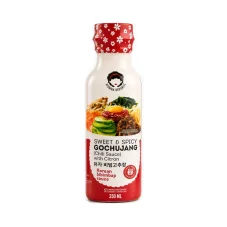
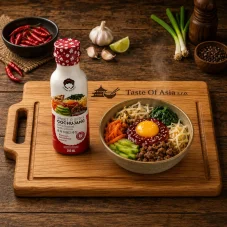
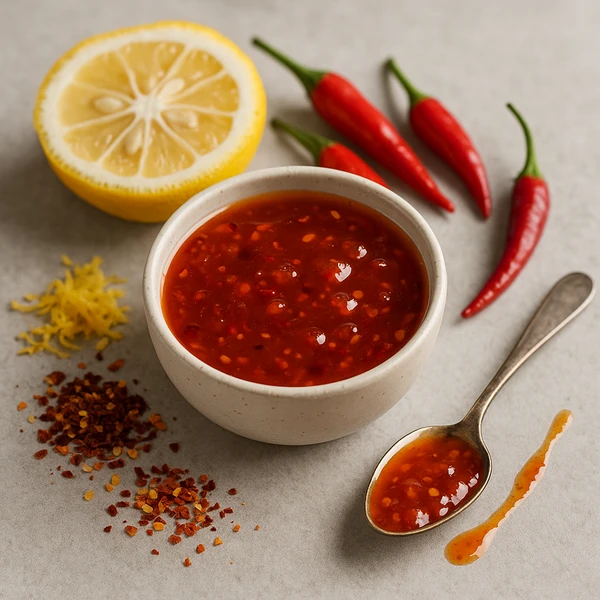
Ajumma Republic Korean sweet and spicy chili sauce with yuzu 250 ml
Read next
If you want to continue with the same topic, here are more related articles to explore: