

 Česky (CZK)
 Slovensky (EUR)
 Deutsch (EUR)
 Austria
 Belgium
 Bulgaria
 Croatia
 Denmark
 Estonia
 Finland
 France
 Germany
 Greece
 Hungary
 Italy
Italy Latvia
 Lithuania
 Luxembourg
 Netherlands
 Poland
 Portugal
 Romania
 Slovenia
 Spain
Spain Sweden










The Sriracha Phenomenon
🌶️ All about sriracha: where it comes from, how it tastes and how to use it
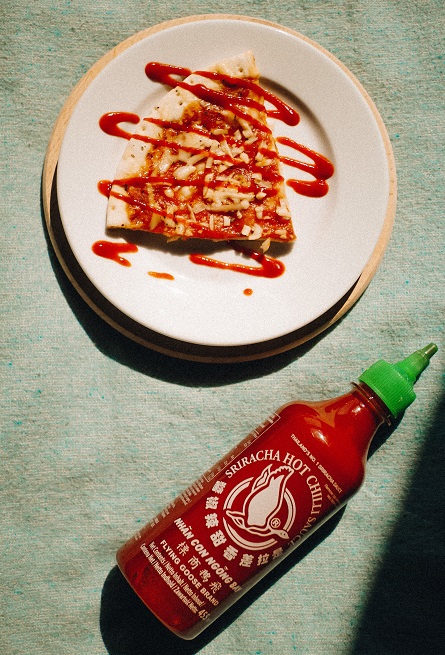
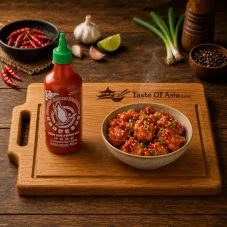
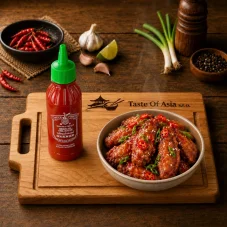
Sriracha is a chilli sauce that delivers big impact with a small amount. It’s spicy, garlicky and gently sweet, so it works as a topping but also as a quick ingredient for sauces, marinades and dips. When you want a fast flavour boost without overthinking, sriracha is a safe bet.
🧭 History and origin: from Thailand to the world
The name “sriracha” is often linked to the Thai coastal town of Si Racha, where similar chilli sauces were used with seafood and street food. Over time, the style spread widely, and its balanced flavour made it a modern cooking staple around the world.
🧪 Ingredients, styles and why sriracha sauces differ
Classic sriracha is built on a simple base:
- 🌶️ chilli peppers
- 🧄 garlic
- 🧂 salt
- 🍬 sugar
- 🍶 vinegar
What changes from brand to brand is mainly:
- the pepper variety and ripeness
- the balance of sugar and vinegar
- heat level
- added aromatics such as pepper or citrus notes
For a quick overview, see Sriracha sauce
👃 Flavour profile: hot, but rounded
- 🔥 medium to bold heat
- 🧄 garlicky
- 🍬 gently sweet
- 🍶 lightly tangy thanks to vinegar
This combination doesn’t only add heat, it also shapes balance, which is why sriracha works where plain chilli would taste harsh or flat.
🍳 How to use sriracha: wok, dips, grill and oven
- 🥢 dumpling dip: sriracha with soy sauce and a splash of vinegar
- 🍜 noodles: a spoonful adds shine and an umami kick
- 🔥 stir-fries: add near the end for a brighter aroma
- 🍗 marinades: sriracha with garlic, sugar and lime makes a fast glaze
- 🧯 oven dishes: toss roasted vegetables or tofu with a sriracha dressing
- 🍔 street style: stir into mayo or a yogurt dip
If you want to compare other options, see Chilli sauce
🫶 Health benefits
Sriracha is mainly a seasoning, but practically it can help because:
- it boosts flavour so you may need less salt elsewhere
- it makes vegetables and simple dishes more exciting, helping build a more varied plate
- a small amount can lift a dish without adding multiple sauces
⚠️ Heat tolerance varies. Start small and adjust gradually.
✅ How to choose the right sriracha
- 🔥 Heat level: classic for gentle warmth, extra hot for a stronger kick
- 🧄 Aroma: some are more garlicky, others lean peppery or citrusy
- 🍜 Use case: rounder options work well in dips and noodles, bolder ones shine in glazes and marinades
- 🧯 When to add: add late in hot dishes to keep the aroma lively
🛒 Our picks
At Asian Food Shop it’s handy to keep a classic and a more characterful option:
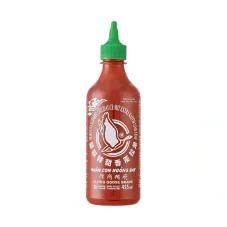
- Flying Goose Sriracha chili sauce 455 ml a reliable all-rounder for dips and noodles
- Flying Goose Chilli Sriracha sauce extra hot 455 ml when you want a sharper punch for stir-fries and marinades
- Flying Goose Sriracha chili sauce with black pepper 455 ml a spicier, peppery profile for sauces and glazes
🍜 Recipe: Thai-style rice noodles with a sriracha-lime sauce and tofu
A quick wok-style dish that’s sweet, tangy and spicy. Here, sriracha adds not only heat but also colour and that glossy “restaurant” finish.
Ingredients
- rice noodles 200 g
- tofu 250 g
- sriracha sauce 2–3 tbsp
- soy sauce 2 tbsp
- fish sauce 1 tbsp (optional)
- lime 1 (juice)
- sugar 1 tsp
- oil 2 tbsp
- garlic 3 cloves
- spring onion 2
- bell pepper 1
- carrot 1
- basil a handful (Thai basil if possible)
- sesame 1 tbsp
Method
- Cook the rice noodles according to the package instructions, rinse and drain
- Pat the tofu dry, cube it and fry in hot oil until golden
- Add chopped garlic, carrot and bell pepper and stir-fry briefly so they stay crisp
- Mix sriracha, soy sauce, lime juice, sugar and optional fish sauce in a bowl
- Add noodles to the pan, pour in the sauce and toss quickly until everything is coated and slightly thickened
- Finish with spring onion and basil, sprinkle with sesame and serve immediately
✅ Tip: For a more “restaurant” gloss, add a spoonful of water while tossing the noodles with the sauce.

Recommended products12
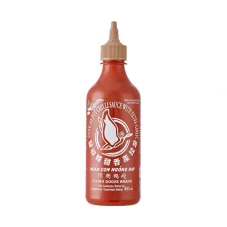
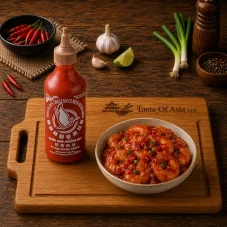
Flying Goose Sriracha chili sauce with extra garlic 455 ml
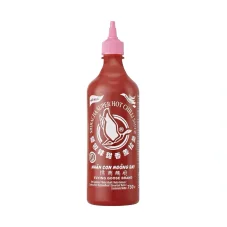
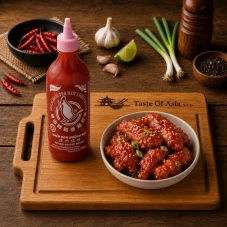
Flying Goose Sriracha chili sauce extra hot without MSG 730 ml
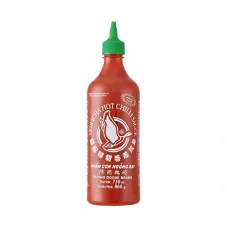
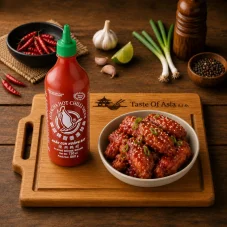
Flying Goose Sriracha chili sauce 730 ml
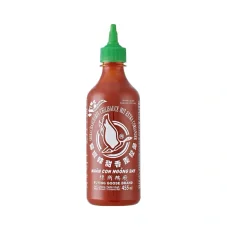
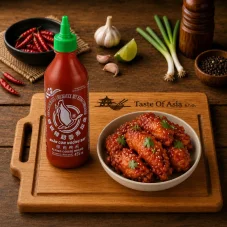
Flying Goose Sriracha chili sauce with coriander 455 ml
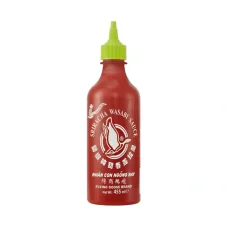
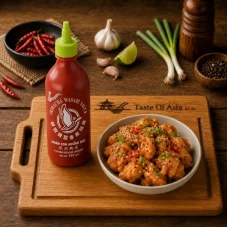

Flying Goose Sriracha Wasabi Chili Sauce 455 ml
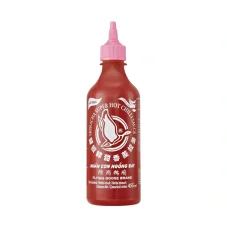
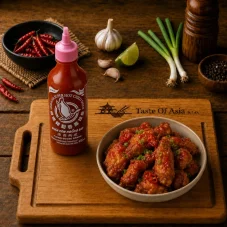
Flying Goose Sriracha chili sauce extra hot without MSG 455 ml
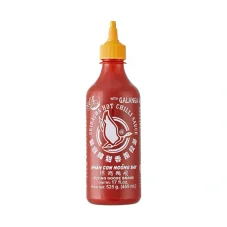
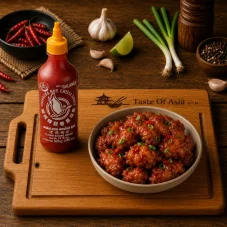
Flying Goose Sriracha chilli sauce with Galangal 455 ml
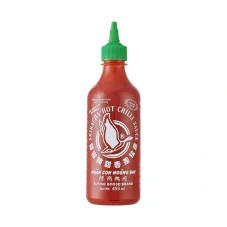
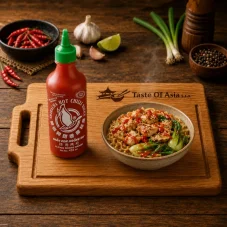
Flying Goose Sriracha chili sauce 455 ml
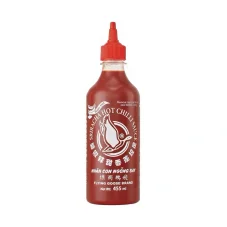
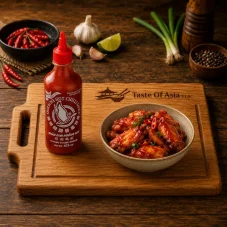
Flying Goose Chilli Sriracha sauce extra hot 455 ml
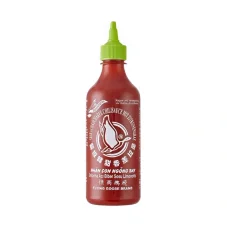
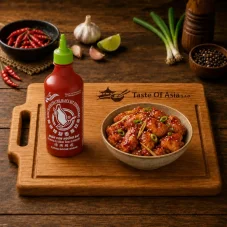
Flying Goose Chilli Sriracha sauce with lemongrass 455 ml
Flying Goose Chilli Sriracha sauce with Kaffir Lime 455 ml
Eaglobe Sriracha chilli sauce 136 ml
Read next
If you want to continue with the same topic, here are more related articles to explore: