

 Česky (CZK)
 Slovensky (EUR)
 Deutsch (EUR)
 Austria
 Belgium
 Bulgaria
 Croatia
 Denmark
 Estonia
 Finland
 France
 Germany
 Greece
 Hungary
 Italy
Italy Latvia
 Lithuania
 Luxembourg
 Netherlands
 Poland
 Portugal
 Romania
 Slovenia
 Spain
Spain Sweden










Japchae Noodle Sauce: the Korean Sweet‑Savory Finish That Makes Glass Noodles Shine
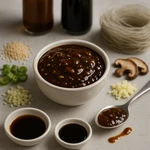
What “japchae sauce” actually is 🍶
Japchae is a classic Korean noodle dish traditionally made with dangmyeon—chewy, translucent sweet potato glass noodles—stir-fried with vegetables and often beef, then finished with a flavorful seasoning. In home cooking, the “sauce” isn’t usually a single heavy condiment; it’s a light, glossy seasoning that coats the noodles and brings everything together.
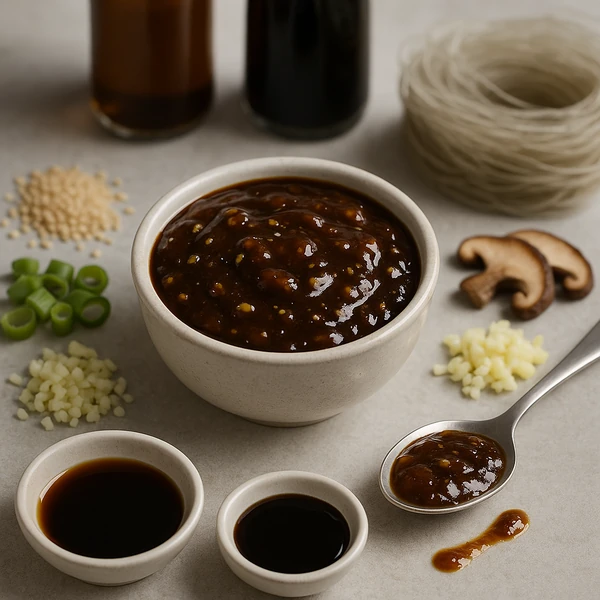
A typical japchae-style sauce is built around:
- Soy sauce for salt and depth
- Sugar or syrup for gentle sweetness (key to the signature balance)
- Sesame oil for nutty aroma
- Garlic (and sometimes scallion) for warmth
- Black pepper for a mild bite
- Optional heat (chili flakes/paste) depending on the style
Ready-made japchae sauces aim to deliver that balance consistently and quickly—especially useful when you’re cooking “whatever’s in the fridge” and still want a distinctly Korean-style result.
Flavor profile: what to expect 👃
Japchae sauce should taste sweet‑savory first, then gently aromatic. It’s not meant to be sharp like vinegar-based dressings or heavy like thick stir-fry gravies. When it’s right, it makes vegetables taste sweeter, mushrooms taste more savory, and noodles taste richer without feeling greasy.
- Sweetness: noticeable but not dessert-like
- Salt/umami: rounded, soy-forward
- Aroma: sesame and garlic come through as soon as the noodles hit the pan
- Heat (optional): usually mild; japchae doesn’t need to be fiery to be satisfying
Which noodles work best—and why ✨
The classic choice is glass noodles made from sweet potato starch. They’re springy, slightly chewy, and excellent at holding seasoning in a thin, even layer. That “sauce cling” is a big part of why japchae tastes so complete with relatively simple ingredients.
You can still use a japchae-style sauce on other noodles, but results vary:
- Rice noodles: softer and more delicate; reduce the sauce a touch so they don’t break down
- Wheat noodles: heartier; take seasoning well, but may need a brighter finish (pepper or a little extra garlic)
- Shirataki/konjac noodles: benefit from extra aromatics and a longer stir-fry to help flavor absorb
How to use japchae sauce in real cooking (without guessing) 🥢
The biggest difference between “okay noodles” and “restaurant-style japchae” is timing + dosage. Add too early and it can burn or turn watery; add too late and it won’t absorb properly.
Best practice on the stovetop 🔥
- Cook the noodles properly (usually boil briefly, then rinse). Drain well—excess water is the enemy of glossy coating.
- Stir-fry vegetables first (onion, carrot, bell pepper, spinach, mushrooms are common). Keep them crisp.
- Add noodles and toss to warm through.
- Add sauce gradually, tossing constantly so it coats instead of pooling.
- Finish off the heat with a final drizzle of sesame oil (if your sauce isn’t already sesame-forward).
Quick dosing guide: start small, then adjust. As a rough baseline, try 2–3 tablespoons of sauce per 100 g (dry) glass noodles, depending on how much veg/protein you add and how strong the sauce is.
Cold lunchbox version 🧊
Japchae is great at room temperature. For a cold noodle salad, keep the sauce slightly lighter: toss while noodles are still just warm, then let it sit for 10 minutes. The noodles will drink in flavor as they cool.
Customize the taste: sweet, savory, spicy, or extra umami 🌶️
Even a good bottled sauce may need small adjustments depending on your ingredients. Use these “tiny tweaks” rather than overhauling the whole dish:
- Too mild? Add a little more soy sauce, or a pinch of salt only after tasting (mushrooms and beef can “soak up” seasoning).
- Not sweet enough? Add a small spoon of sugar, honey, or syrup—then toss and wait 1–2 minutes before judging.
- Needs more aroma? Add minced garlic briefly in the pan, or finish with extra sesame oil off-heat.
- Want heat? Use chili flakes or a small amount of chili paste; keep it subtle so the dish stays balanced.
Allergen note: japchae sauces commonly contain soy (and often wheat/gluten depending on the soy sauce), plus sesame. If you cook for allergies, check labels and keep sesame oil as an optional finishing step.
Common mistakes (and how to avoid them) ✅
- Watery japchae: noodles weren’t drained well, vegetables released water, or sauce was added before the pan was hot. Fix by stir-frying a little longer to evaporate moisture.
- Clumped noodles: glass noodles can stick as they cool. Rinse after boiling and toss with a tiny bit of oil before adding to the pan.
- Over-sauced and heavy: add sauce in stages; it’s easier to add than to take away. If you overdo it, bulk up with extra vegetables.
- Burnt sweetness: sugary sauces scorch quickly—avoid leaving sauce sitting on the hot pan without tossing.
A simple “build-your-own” japchae sauce formula (home pantry friendly) 🧄
If you like mixing to taste, this is a reliable starting point for 2 servings (adjust up/down):
- 2 tbsp soy sauce
- 1 to 1½ tbsp sugar or syrup
- 1 tbsp sesame oil
- 1–2 cloves garlic, finely grated/minced
- Black pepper to taste
- Optional: chili flakes/paste for gentle heat
Mix, then add gradually during the final toss. Let the dish rest 5–10 minutes before serving—japchae often tastes better once flavors settle into the noodles.
Optional quick serving idea: 15-minute weeknight japchae 🕒
Cook glass noodles, stir-fry mushrooms + carrot + spinach, add noodles, then toss with your japchae sauce. Top with toasted sesame seeds if you have them. For protein, thinly sliced beef, tofu, or omelet strips work especially well.
Our picks (non-traditional, but useful for sweet‑spicy tweaks) 🥭
If you’re out of sugar or want a fruitier sweet‑heat note, a small spoon of mango chutney can replace part of the sweetener in a japchae-style sauce (especially in cold noodle salads). This isn’t traditional Korean flavor—but it can be a fun pantry shortcut.
FAQ
Is japchae supposed to be spicy?
Not necessarily. Many versions are mild and focus on sweet‑savory balance and sesame aroma. You can add heat, but it’s optional.
Why do glass noodles taste bland even with sauce?
Usually because the noodles were too wet, the sauce was added too late, or the dish didn’t rest. Drain well, toss while hot, and let it sit for a few minutes before serving.
Can I make japchae without meat?
Yes. Use mushrooms, tofu, or extra vegetables and keep the sauce aromatic (garlic + sesame) so the dish still feels full-bodied.

Recommended products1
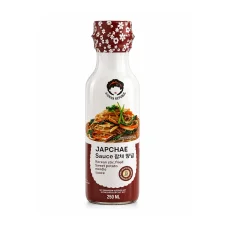
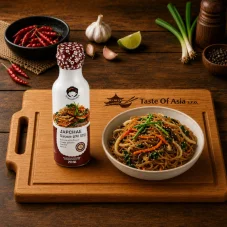
Ajumma Republic Japchae Noodle Sauce (Korean Style) 250 ml
Read next
If you want to continue with the same topic, here are more related articles to explore: