

 Česky (CZK)
 Slovensky (EUR)
 Deutsch (EUR)
 Austria
 Belgium
 Bulgaria
 Croatia
 Denmark
 Estonia
 Finland
 France
 Germany
 Greece
 Hungary
 Italy
Italy Latvia
 Lithuania
 Luxembourg
 Netherlands
 Poland
 Portugal
 Romania
 Slovenia
 Spain
Spain Sweden










Tamarind: What It Tastes Like, How to Use It, and Which Form to Buy

What tamarind is 🌳
Tamarind comes from the tamarind tree (Tamarindus indica), which grows across tropical and subtropical regions. The fruit forms as curved brown pods filled with a sticky, dark pulp and hard seeds. Cooks mostly use the pulp (not the seeds) to add acidity, fruitiness, and gentle caramel-like depth to sauces, broths, and drinks.
Historically, tamarind traveled widely via trade routes and became a pantry staple in South and Southeast Asia, the Middle East, and later the Caribbean and Latin America—each region adapting it for local sauces, sweets, and refreshing beverages.
Flavor profile: more than “sour” 🍋
Tamarind’s taste is a balance of tart and sweet. Think of a mix of dried fruit (date/prune-like richness) and a citrusy tang. That combination makes it especially useful when you want acidity and body—something lemon juice can’t always provide on its own.
- Gives brightness without tasting sharp or “thin”
- Adds depth to salty, spicy, and roasted flavors
- Plays well with sweetness (palm sugar, brown sugar, honey)
How it’s used in everyday cooking 🍜
Tamarind shows up wherever a dish needs a rounded sour note:
- Thai-style stir-fry sauces: balances fish sauce/soy, sugar, and chili
- Hot and sour soups: adds tang without overpowering herbs like lemongrass or galangal
- Indian cooking: a common souring agent in lentil stews, vegetable curries, and chutneys
- Marinades and glazes: helps create a glossy, sweet-sour finish on grilled or roasted foods
- Drinks: tamarind water is a classic refresher—tangy, lightly fruity, and easy to sweeten
Pairing ideas: tamarind works particularly well with chili, garlic, ginger, toasted spices, peanuts, coconut, fish sauce, soy sauce, and brown sugars.
Pods, pulp blocks, paste, concentrate: which should you choose? 🧂
Tamarind is sold in several formats. The “best” one is the one that fits how you cook and how much prep you want to do.
1) Whole pods
Traditional and aromatic, but the most work. You crack the shell, remove fibrous pulp, soak it, then strain. Great if you enjoy doing it the classic way and want control over strength.
2) Compressed pulp (block)
Very common in Asian kitchens. You break off a piece, soak it in hot water, mash, and strain to make tamarind “water” (a cooking liquid you can add to sauces and soups). Good balance of authenticity and storage life.
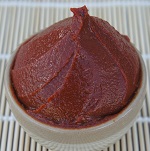
3) Tamarind paste (ready to use)
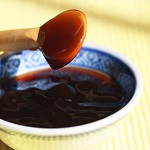
Fast and convenient. Ideal for weeknight cooking, dressings, and quick sauce adjustments. Taste can vary by brand—some pastes are pure, others are sweetened—so it’s worth checking the label and tasting before adding sugar.
4) Tamarind concentrate
Very strong and efficient: a small amount goes a long way. Best for experienced cooks or for applications where you want intense sourness quickly. Measure carefully and adjust gradually.
Quick kitchen conversions (as a starting point)
Because products vary in strength and sweetness, these are only guidelines. Always taste and adjust.
- From pulp block: soak about 1–2 tbsp pulp in 60–80 ml hot water, mash, then strain to get a tangy tamarind liquid.
- From paste: start with 1 tsp, stir in, then increase in small steps.
- From concentrate: begin with 1/4–1/2 tsp and build up slowly.
Buying tips: what to look for 🫙
- Sweetened vs. unsweetened: if the ingredient list includes sugar, the paste will be milder and more “chutney-like.” Unsweetened versions give you more control in savory dishes.
- Texture clues: pulp blocks often contain fibers (normal). Pastes should be smooth; heavy separation can happen, but it should mix back easily.
- Flavor check: tamarind should taste tangy and fruity—not musty or flat. If it’s dull, it’s likely old or poorly stored.
Common mistakes (and how to fix them)
- Adding too much too early: tamarind can intensify as it cooks down. Start small, simmer, then adjust near the end.
- Forgetting balance: classic tamarind sauces often rely on a trio: sour + sweet + salty. If it tastes harsh, add a touch of sugar; if it tastes cloying, add salt or chili; if it tastes heavy, add a bit more acidity.
- Skipping straining (with pulp): fibers and seed fragments can make sauces gritty. Strain for smooth results.
Storage & shelf life
- Pulp blocks / pods: keep airtight in a cool, dry place. Once opened, reseal well to prevent drying and odor absorption.
- Paste or concentrate: refrigerate after opening and use clean utensils to avoid contamination. If the flavor fades over time, you may need slightly more to reach the same tang.
Nutrition notes (and a sensible approach)
Tamarind contains natural sugars and is also a source of fiber and several minerals (often noted for potassium and magnesium). In cooking it’s typically used in small amounts, but sweetened products can add more sugar than you expect—especially in drinks and sauces. If you’re watching sugar intake, choose unsweetened options and sweeten only to taste.
Optional quick method: make tamarind cooking liquid at home
- Place 1–2 tbsp tamarind pulp (from pod or block) in a bowl.
- Pour over 60–80 ml hot water and let stand 10 minutes.
- Mash thoroughly with a spoon, then strain through a fine sieve.
- Use the liquid in soups, stir-fry sauces, marinades, or dressings.
Tip: make a small batch and store it in the fridge for a couple of days for fast weekday cooking.
Our picks
- Thai Dancer Tamarind 400 g — a classic option for making tamarind liquid for soups and sauces.
- Thai Dancer Tamarind paste 250 ml — convenient for quick sauces and dressings.
- Thai Dancer Tamarind paste 435 ml — a larger size if you cook with tamarind often.
FAQ ❓
Is tamarind the same as tamarind paste?
“Tamarind” can mean the fruit/pulp in general, while “tamarind paste” is a prepared product. Paste may be pure or sweetened, so its strength varies—taste first.
What can I substitute for tamarind?
There’s no perfect substitute. In a pinch, you can combine lime/lemon juice with a little brown sugar (or date syrup) to mimic the sour-sweet balance, but you’ll miss tamarind’s distinctive fruity depth.
Why does my dish taste too sharp after adding tamarind?
It likely needs balancing. Add a small amount of sweetness and a touch of salt, then simmer briefly and re-taste. Building flavor gradually works better than adding a large spoonful at once.


Recommended products5
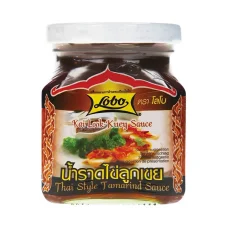


Lobo Tamarind sauce Thai style 270 ml
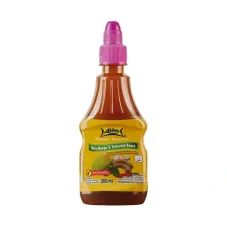

Lobo Spicy mango tamarind sauce 300 ml
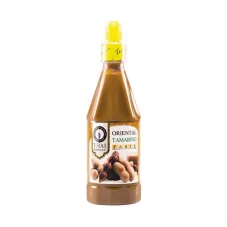
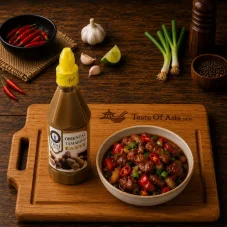
Thai Dancer Tamarind paste 435 ml
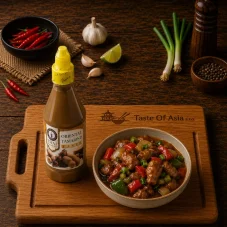
Thai Dancer Tamarind paste 250 ml
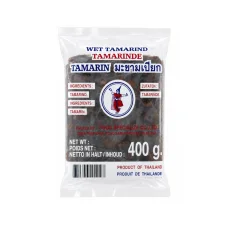
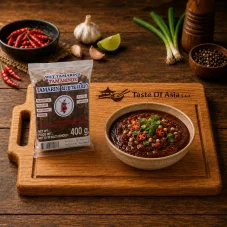
Thai Dancer Tamarind 400 g
Read next
If you want to continue with the same topic, here are more related articles to explore: