

 Česky (CZK)
 Slovensky (EUR)
 Deutsch (EUR)
 Austria
 Belgium
 Bulgaria
 Croatia
 Denmark
 Estonia
 Finland
 France
 Germany
 Greece
 Hungary
 Italy
Italy Latvia
 Lithuania
 Luxembourg
 Netherlands
 Poland
 Portugal
 Romania
 Slovenia
 Spain
Spain Sweden










Soy mushroom sauce
🍄 Mushroom soy sauce: extra umami for stir-fries, rice and meat-free sauces
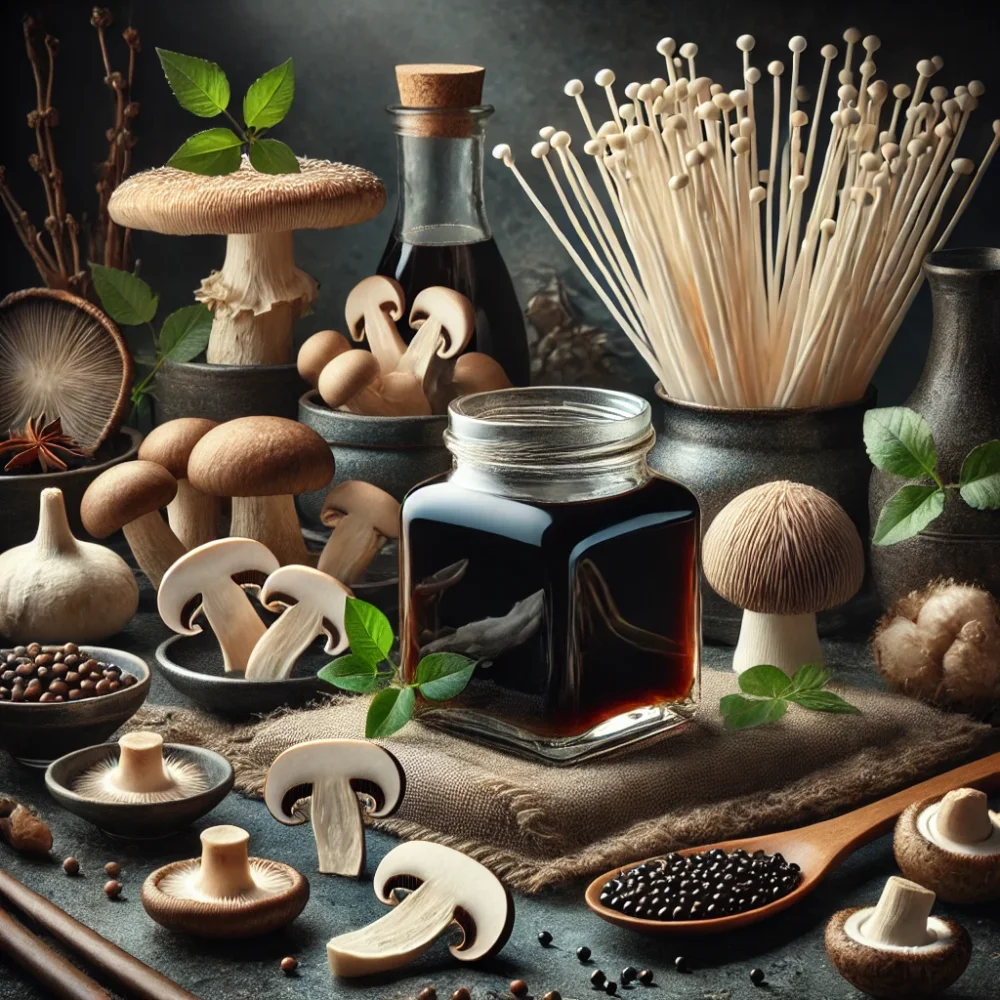
Mushroom soy sauce is a style of soy sauce that follows a simple idea: the classic salty, savoury base is paired with a mushroom note, usually via mushroom extract or flavouring. The result tends to feel rounder and deeper than standard light soy sauce, while remaining an all-purpose seasoning for quick stir-fries and sauces.
Asian cooking ingredients are available at Asian Food Shop
💡 Note: In everyday cooking, mushroom soy sauce often works as a fast “umami booster” when a fuller taste is desired without simmering stock for hours
🕰️ Origin and background
Soy sauce developed as a fermented seasoning across East and Southeast Asia. The mushroom version builds on the long-standing use of mushrooms for their savoury depth. In practice, mushroom soy sauce became a convenient shortcut for adding a mushroom-like finish even when fresh or dried mushrooms are not part of the recipe.
In parts of Southeast Asia it is also used as a table seasoning, similar to regular soy sauce, but with a fuller aftertaste.
🧪 Making, types and ingredients
The base is similar to other soy sauces: fermentation and ageing. The “mushroom” element is typically added as a mushroom component, most often as an extract or flavouring.
Common kitchen styles
- light mushroom soy sauce for everyday seasoning and quick stir-fries when extra umami is needed without significantly darkening the dish
- dark mushroom soy sauce combines the colouring effect of dark soy sauce with a mushroom note and is popular for noodles, fried rice and glazes
- mushroom vegetarian sauce is often used as an alternative to Oyster Sauce when a fuller-bodied, sweet-savoury base is needed
For a quick pantry overview, the categories Soy sauces and also Light soy sauce and Dark soy sauce help separate use cases.
👃 Flavour profile
- 🍄 a mushroom finish and a rounder umami impression
- 🧂 a salty base typical of soy sauces
- 🍯 in darker styles a mild sweetness is more common
- 🔥 it tends to read stronger in hot dishes than in cold dipping sauces
✅ Note: In dishes with a pronounced sweet component or a thick sauce, mushroom soy sauce is best added in smaller increments so the mushroom note does not dominate.
🍳 How it is used
🔥 Stir-fries and quick wok cooking
Mushroom soy sauce works well with vegetables, tofu and meat. It is often added towards the end of stir-frying so the aroma stays clear. Garlic, ginger and a small touch of sugar are common pairings for balance.
🍜 Noodles and fried rice
In noodles and fried rice it helps create a fuller profile without building a complex sauce. Dark mushroom styles add colour and a subtle sheen.
🍲 Sauces with “body” without meat
Mushroom vegetarian sauce is frequently used as a stand-in for oyster sauce, adding sweet-savoury depth and gentle thickness. The category Oyster Sauce is a useful reference point.
🥟 Dips and finishing
In dipping sauces, mushroom soy sauce can act as a fuller alternative to standard light soy sauce. It is commonly balanced with acidity and chilli.
🔥 Oven glazes
In glazes, mushroom soy sauce is combined with sugar and oil to create a glossy finish and a more pronounced savoury depth.
🫶 Wellness notes
Mushroom soy sauce is primarily a seasoning. Because umami increases perceived fullness, smaller amounts can sometimes deliver a “complete” taste with fewer extra seasonings. It is typically salty, so gradual dosing is sensible. Some styles contain wheat, which matters for gluten avoidance.
✅ How to choose mushroom soy sauce
- use case everyday seasoning and stir-fries versus colour and glazing with darker styles
- mushroom intensity a subtle finish versus a more pronounced mushroom profile
- texture thinner mushroom soy sauce versus thicker vegetarian mushroom sauce
- pantry setup keeping a standard light soy sauce and a mushroom version covers most needs
🛒 Product picks
- Dek Som Boon Mushroom Soy Sauce 300 ml a versatile choice for quick stir-fries and everyday seasoning
- P.R.B. Soy Sauce Dark Mushroom 500 ml useful for noodles and fried rice when colour and sheen matter
- Dek Som Boon Mushroom Vegetarian Sauce 300 ml a practical alternative to oyster sauce for fuller, meat-free sauces
🥦 Recipe: Thai-style wok vegetables with mushroom soy sauce
A straightforward stir-fry where mushroom soy sauce provides the main savoury base and vegetables stay crisp.
Ingredients
- broccoli 1 small head
- carrot 1
- spring onion 2
- shiitake mushrooms 150 g fresh or rehydrated
- garlic 2 cloves
- ginger about a 2 cm piece
- tofu 200 g optional
- mushroom soy sauce 2 tbsp
- sugar 1 tsp
- oil 2 tbsp
- white pepper to taste
- water 3 to 5 tbsp as needed
- sesame optional to finish
- jasmine rice for serving
Method
- Cut broccoli into florets. Slice carrot thinly. Cut spring onion on the bias. Slice shiitake.
- If using tofu, pat dry, cube and pan-fry in a little oil until golden on the edges.
- Heat oil in a wok and briefly fragrance garlic and ginger.
- Add carrot and broccoli and stir-fry for 2 to 3 minutes. Add a splash of water if needed so vegetables soften slightly but stay crisp.
- Add shiitake and tofu and toss briefly.
- Add mushroom soy sauce and sugar, season with white pepper and cook briefly until the sauce clings lightly and looks glossy.
- Add spring onion at the end and serve with jasmine rice. Finish with sesame if desired.
✅ Note: For this kind of stir-fry, mushroom soy sauce performs best with short cooking. Prolonged simmering can mute aroma.

Recommended products3
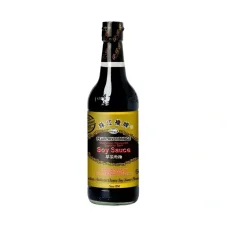
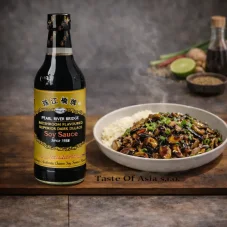


P.R.B. Soy Sauce Dark Mushroom 500 ml
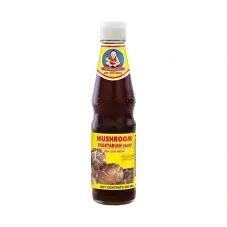
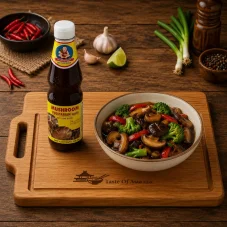
Dek Som Boon Mushroom Vegetarian Sauce 300 ml
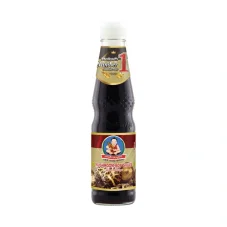
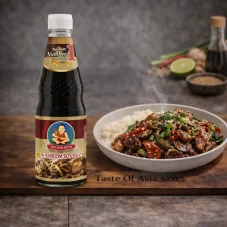
Dek Som Boon Mushroom Soy Sauce 300 ml
Read next
If you want to continue with the same topic, here are more related articles to explore: