

 Česky (CZK)
 Slovensky (EUR)
 Deutsch (EUR)
 Austria
 Belgium
 Bulgaria
 Croatia
 Denmark
 Estonia
 Finland
 France
 Germany
 Greece
 Hungary
 Italy
Italy Latvia
 Lithuania
 Luxembourg
 Netherlands
 Poland
 Portugal
 Romania
 Slovenia
 Spain
Spain Sweden










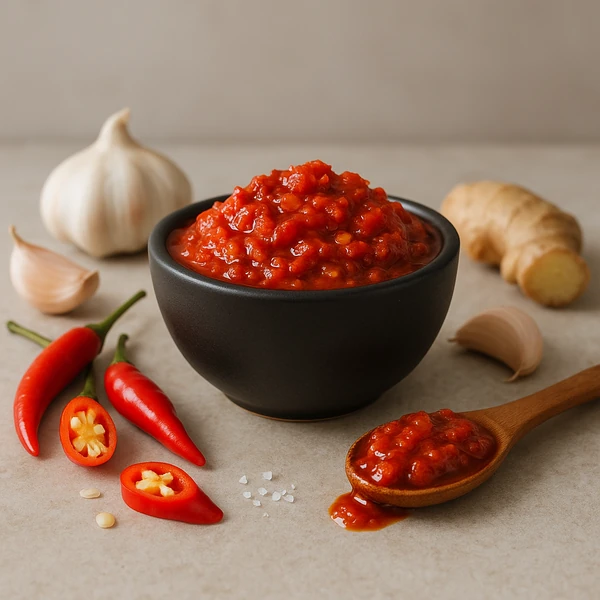
Surinamese Sambal Chilli Paste: What It Is and How to Use It in Everyday Cooking
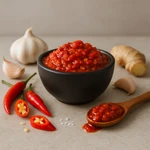
Chilli pastes called sambal are everyday staples in many kitchens because they solve a common problem: how to add bold chilli taste quickly, without chopping fresh chillies every time. A Surinamese-style sambal fits that role perfectly—spoon a little in, and a dish instantly becomes more lively, fragrant, and satisfying.
Suriname’s food culture reflects a mix of influences (including Southeast Asian and Caribbean traditions), and sambal is one of the condiments that travelled and adapted. In practice, it behaves like a versatile “heat + aroma” concentrate: a small amount can season a whole pan.
🌶️ What is Surinamese sambal?
Surinamese sambal is a chilli paste used both at the table and during cooking. Depending on the producer and style, it can be straightforward and chilli-forward (think crushed chillies with salt), or more complex with added aromatics. Either way, its key features are:
- Concentrated heat: a little goes a long way.
- Distinct chilli aroma: the fragrance blooms quickly when warmed in oil.
- Practical texture: easy to stir into soups, sauces, and stir-fries without needing extra prep.
👃 Flavour profile: what to expect
Most sambal-style chilli pastes deliver a clean chilli taste with a salty backbone. Some versions lean brighter and fresher; others are deeper, sometimes slightly smoky or more “cooked” in character. In food, sambal tends to:
- Lift umami in savoury dishes (broths, soy-based sauces, stir-fries).
- Cut richness in fatty or creamy components (coconut milk, fried foods).
- Balance sweetness in glazes and sweet-savoury sauces.
🍳 How to use it (without overdoing the heat)
The easiest rule is simple: start small, taste, then adjust. If you’re new to sambal, begin with ¼ teaspoon per portion and build from there.
🔥 1) Add it while cooking
- Stir-fries and fried rice: fry sambal briefly in oil (10–20 seconds) before adding vegetables/protein. This releases aroma and spreads the flavour through the whole dish.
- Soups and broths: whisk in a small spoonful near the end, then balance with something sour (lime/lemon) if needed.
- Sauces: stir into soy-based sauces, noodle sauces, or pan sauces to add chilli depth without extra chopping.
🍜 2) Use it at the table
- Instant “finisher”: add a tiny dab to noodles, dumplings, rice bowls, or roasted vegetables.
- Mix-in condiment: blend with a little oil or a spoon of the cooking liquid to make it easier to distribute evenly.
🥣 3) Turn it into a quick dip
For a fast, crowd-pleasing dip, mix sambal with mayonnaise or plain yogurt, then add a pinch of salt and a squeeze of citrus. It’s excellent with fried snacks, grilled chicken, or roasted sweet potato.
🍋 Flavour pairings that make sambal taste “complete”
Heat is most enjoyable when it’s balanced. Sambal shines when you pair it with one or two of these elements:
- 🍯 Sweetness: a touch of sugar, honey, or a sweet sauce rounds harsh edges.
- 🍋 Acidity: lime, lemon, or rice vinegar brightens chilli and keeps dishes feeling light.
- 🥥 Creaminess: coconut milk, peanut-based sauces, or dairy soften the burn and carry aroma.
- 🧂 Umami + salt: soy sauce, broth, or fermented seasonings make the heat feel integrated rather than “on top”.
🧾 What to check before you buy (and why it matters)
Not all sambals behave the same. Before choosing a jar, consider:
- Heat level: some are everyday-hot; others are intentionally fiery. If you want a paste for frequent use, start with a milder, “clean” chilli style and move up.
- Texture: smoother pastes melt into sauces; chunkier pastes are great as a table condiment.
- Ingredients & allergens: some chilli pastes include shrimp or other seafood-based ingredients. Always check the label if you have allergies or dietary restrictions.
- Saltiness: many chilli pastes contain salt—season the rest of your dish after adding sambal to avoid oversalting.
🧊 Storage and handling tips
- Use a clean spoon: it prevents unwanted flavours and helps the paste keep longer.
- Close tightly and store as directed: many chilli pastes are best kept refrigerated after opening.
- Protect the surface: if the paste dries out, stir well; if your brand recommends it, a thin layer of neutral oil can help reduce oxidation.
⚡ 3 fast ways to use sambal tonight
- 15-minute wok noodles: warm oil, fry a small spoon of sambal, add vegetables + protein, then finish with soy sauce and a splash of lime.
- Spicy soup upgrade: stir sambal into chicken or veggie broth, add noodles and greens, and finish with citrus.
- Quick marinade: mix sambal with oil and soy sauce; coat chicken, tofu, or mushrooms for 20–30 minutes before grilling or pan-frying.
🛒 Our picks (similar sambal-style chilli pastes)
- Windmill Chilli pasta Sambal Oelek 200 g – a classic, straightforward crushed-chilli style that’s easy to use in almost anything.
- Windmill Chilli pasta Sambal Oelek 750 g – great if you cook spicy food often and want a larger, pantry-friendly size.
- Windmill Chilli pasta Sambal Brandal 200 g – for those who want a noticeably hotter kick.
🧭 Related categories
❓ FAQ
Is sambal the same as chilli sauce?
Not usually. Sambal is typically a chilli paste—thicker, more intense, and often less sweet than bottled chilli sauces. It’s designed to be cooked with or added in small amounts.
How much should I use?
Start with ¼ teaspoon per portion, then increase gradually. The heat can vary widely between brands and styles.
When should I add it: at the start or the end?
For aroma and an even flavour, fry it briefly in oil early on. For a sharper, more direct heat, stir it in near the end or add it at the table.

Recommended products1
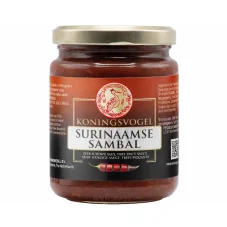


Koningsvogel Chili Paste Surinamese Sambal 270 g
Read next
If you want to continue with the same topic, here are more related articles to explore: