

 Česky (CZK)
 Slovensky (EUR)
 Deutsch (EUR)
 Austria
 Belgium
 Bulgaria
 Croatia
 Denmark
 Estonia
 Finland
 France
 Germany
 Greece
 Hungary
 Italy
Italy Latvia
 Lithuania
 Luxembourg
 Netherlands
 Poland
 Portugal
 Romania
 Slovenia
 Spain
Spain Sweden










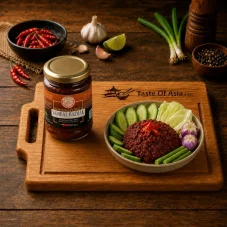
Sambal Badjak: Indonesian Chili Paste with Onion & Garlic (How to Use It Well)
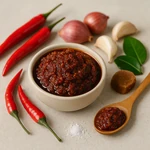
🌶️ Why Sambal Badjak belongs in your fridge
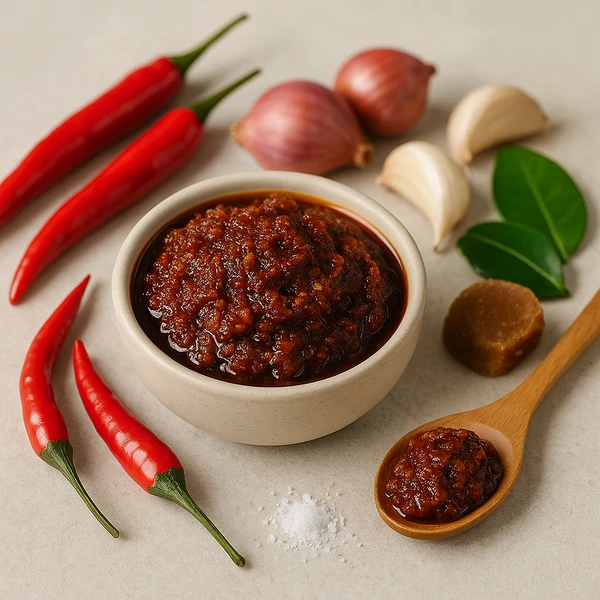
If you like Southeast Asian flavors but don’t always have time to build a sauce from scratch, Sambal Badjak is a practical shortcut. It’s bold and fragrant, yet usually more “complete” tasting than a plain chili paste—so it can season a dish on its own, not just make it spicier.
Think of it as a ready-to-use flavor base: chili heat plus aromatics, with a slightly caramel-like sweetness that helps it pair well with noodles, rice, grilled foods, and rich sauces.
🧄 What Sambal Badjak is (and how it tastes)
“Sambal” is a broad family of chili condiments found across Indonesia and neighboring regions. Sambal Badjak is one of the versions that’s typically cooked and built around more aromatics.
- Core character: chili-forward, but supported by onion and garlic aroma.
- Balanced edge: a mild sweetness often shows up in the background, making the heat feel less sharp.
- Texture: usually a spoonable paste—chunkier than hot sauce, easier to stir into food than fresh chopped chilies.
Because it’s aromatic and rounded, it works both as a table condiment and as a quick “starter” for stir-fries and sauces.
🍳 Sambal Badjak vs. Sambal Oelek: which one to choose?
If you’ve used Sambal Oelek before, the difference is straightforward:
- Sambal Oelek is typically a simple blend of crushed chilies and salt. It’s great when you want clean chili heat without changing the dish’s flavor direction too much.
- Sambal Badjak is more layered and kitchen-friendly: onion/garlic notes and a subtle sweetness make it taste closer to a finished seasoning.
Many cooks keep both: Oelek for “pure heat,” Badjak for “heat + flavor.”
✅ Best ways to use Sambal Badjak (practical ideas)
You’ll get the most out of Sambal Badjak when you treat it like a concentrated seasoning. Start small, taste, then adjust.
- Stir-fry base: warm 1–2 teaspoons in a little oil for 20–30 seconds, then add vegetables, tofu, chicken, shrimp, or tempeh.
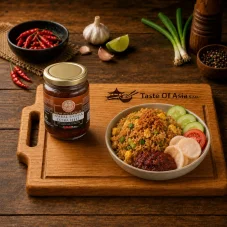
- Noodles & rice: stir into fried rice, toss with noodles, or add a small spoon to a finished bowl as a finishing kick.
- Quick sauce booster: mix into coconut-based sauces, soy-based pan sauces, or peanut sauces to add depth and heat at once.
- Dip or table condiment: serve a small dish alongside grilled meats, spring rolls, or roasted vegetables.
- Marinade shortcut: combine with oil and a splash of acidity (lime or vinegar) and coat proteins before cooking.
🧠 Dosing & common mistakes (so it tastes great, not harsh)
- Don’t start with a big spoonful: heat levels vary by brand and batch. Begin with 1/2 teaspoon per serving and build up.
- Bloom, don’t burn: a short warm-up in oil opens the aroma; high heat for too long can make chili taste bitter.
- Balance matters: if it feels too intense, soften it with coconut milk, a little sugar, or a creamy element (mayo or yogurt-style sauces).
- Check the label for dietary needs: some sambals contain sugar and other seasonings; if you’re watching allergens or sweetness, read the ingredients.
🧊 Storage tips (especially after opening)
Chili pastes keep their best flavor when handled cleanly:
- Refrigerate after opening and keep the lid tightly closed.
- Always use a clean spoon (avoid introducing crumbs or moisture).
- If the surface darkens slightly over time, that’s usually oxidation—stir and assess aroma; discard if you notice mold or an off smell.
🌶️ Quick 3-minute mixing ideas (no cooking required)
- Sambal Badjak + mayo: an instant spicy dip for fries, tempura-style snacks, or fried tofu.
- Sambal Badjak + soy sauce + lime: a punchy dressing for noodles, cucumber salad, or rice bowls.
- Sambal Badjak + a little honey: a fast glaze for oven-baked chicken wings or roasted cauliflower.
Our picks
- Koningsvogel Chilli paste Sambal Badjak extra hot 375 g – for those who want the full aromatic style with a stronger kick.
- Windmill Chilli pasta Sambal Oelek 200 g – a clean, straightforward chili paste for pure heat.
- Windmill Chilli pasta Sambal Oelek 750 g – a larger size if you cook spicy food often.
Related category
❓ FAQ
Is Sambal Badjak very hot?
It depends on the brand and whether it’s labeled extra hot. The key difference is that Badjak usually tastes more aromatic and rounded, not just spicy.
Do I need to cook it?
No—it's ready to eat. But briefly warming it in oil often makes the onion/garlic aroma noticeably richer.
What’s the simplest way to use it?
Stir a small spoon into hot rice or noodles, then add a splash of soy sauce or a squeeze of lime for instant balance.

Recommended products2
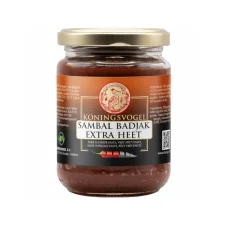

Koningsvogel Sambal Badjak Extra Hot Chili Paste 280 g
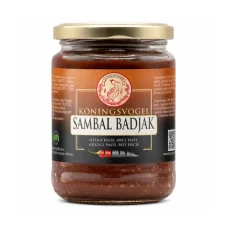
Koningsvogel Chili Paste Sambal Badjak 280 g
Read next
If you want to continue with the same topic, here are more related articles to explore: