

 Česky (CZK)
 Slovensky (EUR)
 Deutsch (EUR)
 Austria
 Belgium
 Bulgaria
 Croatia
 Denmark
 Estonia
 Finland
 France
 Germany
 Greece
 Hungary
 Italy
Italy Latvia
 Lithuania
 Luxembourg
 Netherlands
 Poland
 Portugal
 Romania
 Slovenia
 Spain
Spain Sweden










Maengda Chilli Paste: Thai Heat with a Distinct Aroma (and How to Use It)
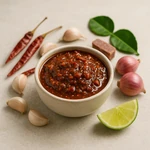
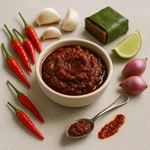
🌶️ What is Maengda chilli paste?
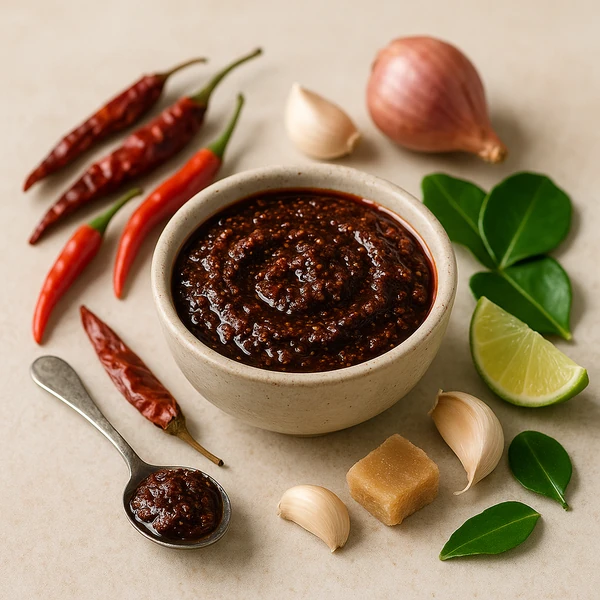
Maengda chilli paste is a Thai-style nam prik-inspired paste: thick, intensely seasoned, and designed to be used in small amounts. Unlike many bottled chilli sauces (which are pourable and often sweet-forward), chilli pastes are typically denser and more concentrated—one teaspoon can season a whole portion.
The word Maengda is often associated with a very specific Thai aroma traditionally linked to giant water bug (known in Thai as “mang da”), a classic flavouring in certain regional chilli dips. Modern “Maengda” pastes may contain that ingredient, an essence/flavouring, or simply aim to recreate the same distinctive fragrant character. The practical takeaway: it’s a paste chosen as much for aroma as for spiciness.
👃 Taste, aroma & texture: what to expect
- Heat: typically medium-hot to hot, but perceived heat depends on how you use it (straight vs. diluted into a sauce or broth).
- Flavour: savoury and punchy, often with salty/umami depth and a slight sweetness in the background.
- Aroma: noticeably fragrant—when warmed in oil it “blooms” quickly and becomes the main character of the dish.
- Texture: thick, spoonable, sometimes slightly coarse. A little oil separation in the jar is normal; stir before using.
🍳 How to use Maengda chilli paste (the practical ways)
Think of Maengda as a flavour concentrate. Start small, taste, then build. These are the most reliable uses:
1) Stir-fry base (best for releasing aroma)
Heat a tablespoon of neutral oil, add ½–1 tsp paste, and stir for 10–20 seconds until fragrant. Then add garlic/shallot (optional), protein or tofu, vegetables, and finally noodles or rice. This quick “blooming” step helps the paste distribute evenly and taste rounder.
2) Fast noodle sauce 🧂
Whisk a small spoon of paste with a splash of water or stock, then add a salty element (fish sauce or soy sauce) and a touch of sugar. Toss with hot noodles and finish with lime for balance.
3) Soup and broth booster
Stir in ¼–½ tsp at the end for a fragrant kick, or simmer gently for a minute if you want the flavour to fully integrate. It works especially well when the soup has something to soften the heat (mushrooms, noodles, egg, or a creamy component).
4) Dips and quick “table seasoning”
For a simple dip, loosen the paste with a bit of warm water or oil and add lime juice. You can also serve a tiny amount alongside rice, grilled meats, or a fried egg—treat it like a punchy condiment rather than a sauce you pour generously.
🥥 Pairings that make Maengda shine
Because Maengda is intense, the best dishes build in contrast. These pairings help you get the Thai-style balance at home:
- Acidity: lime, tamarind, or rice vinegar lifts the aroma and keeps the paste from tasting heavy.
- Sweetness: a small pinch of sugar (or sweet vegetables like bell pepper) rounds sharp heat.
- Richness: coconut milk, egg, or fatty grilled meat softens the burn and makes the aroma more perfumed.
- Fresh elements: cucumber, herbs, spring onion, or crunchy greens bring relief and texture.
✅ How to choose and what to watch for
- Ingredient list & allergens: some Maengda-style pastes may include seafood ingredients or flavourings; check if you avoid shellfish/fish.
- Salt level: many chilli pastes are salty by design. If your paste is salt-forward, reduce additional fish sauce/soy until you’ve tasted.
- Heat tolerance: don’t judge by colour alone. Start with ¼–½ tsp and scale up after mixing into the dish.
- Desired style: if you want a clean, straightforward chilli taste, a simpler paste can be better (see comparison below).
🔥 Maengda vs. Sambal Oelek: when to use which?
Both are useful, but they do different jobs in the kitchen.
| You want… | Choose | Why |
|---|---|---|
| Aromatic, distinctly Thai fragrance + heat | Maengda chilli paste | More character and “perfume” when warmed in oil |
| Clean, direct chilli kick with minimal extra flavour | Sambal Oelek | Simple chilli foundation that fits many cuisines |
| A pourable, sauce-like finish for bowls & snacks | Chilli sauce | Usually smoother and easier to drizzle |
🧊 Storage & common mistakes
Storage tips
- Use a clean, dry spoon each time to avoid introducing moisture.
- Close the jar tightly; store in the fridge after opening if the label recommends it.
- If oil separates, stir—this is normal and often helps preserve aroma.
Common mistakes (and how to fix them)
- Burning the paste: keep the heat moderate and bloom briefly; burnt chilli paste turns bitter fast.
- Over-seasoning: because it’s concentrated, add in small increments and taste after mixing.
- Making it one-note hot: add lime (acid) and a pinch of sugar (sweet) to bring back balance.
Quick idea: 5-minute “Maengda noodle toss” 🍜
For 1 serving: mix ½ tsp Maengda chilli paste with 1–2 tbsp hot water, 1 tsp soy sauce (or fish sauce), ½ tsp sugar, and a squeeze of lime. Toss with hot cooked noodles, add sliced cucumber or greens, and top with a fried egg.
Our picks (if you want alternatives alongside Maengda)
- Windmill Chilli paste Sambal Oelek 200 g – a compact jar for straightforward chilli heat.
- Windmill Chilli pasta Sambal Oelek 750 g – ideal if you cook spicy stir-fries often.
- Flying Goose Chilli Sauce Sriracha with Hemp 455 ml – for a smoother, drizzle-friendly heat.
Related categories
FAQ
- Is Maengda chilli paste the same as Thai chilli jam?
- Not usually. Thai chilli jam (often nam prik pao) tends to be sweeter and more jam-like. Maengda-style pastes focus more on a distinctive fragrance and savoury punch.
- Can I use it as a marinade?
- Yes—use a small amount and dilute with oil plus a salty element. Because it’s concentrated, it’s better as part of a marinade rather than the only seasoning.
- How much should I use?
- Start with ¼–½ tsp per portion, especially in soups or sauces. For stir-fries, ½–1 tsp bloomed in oil is usually enough to flavour a whole pan.

Recommended products1
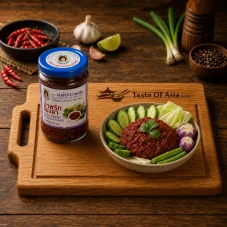


Maepranom Chili Paste Maengda 228 g
Read next
If you want to continue with the same topic, here are more related articles to explore: