

 Česky (CZK)
 Slovensky (EUR)
 Deutsch (EUR)
 Austria
 Belgium
 Bulgaria
 Croatia
 Denmark
 Estonia
 Finland
 France
 Germany
 Greece
 Hungary
 Italy
Italy Latvia
 Lithuania
 Luxembourg
 Netherlands
 Poland
 Portugal
 Romania
 Slovenia
 Spain
Spain Sweden










Chilli Paste in Oil: How to Use It (and How It Differs from Sambal and Chilli Sauces)
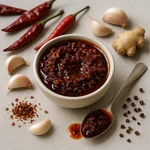
Why chilli paste in oil is such a kitchen shortcut 🌶️
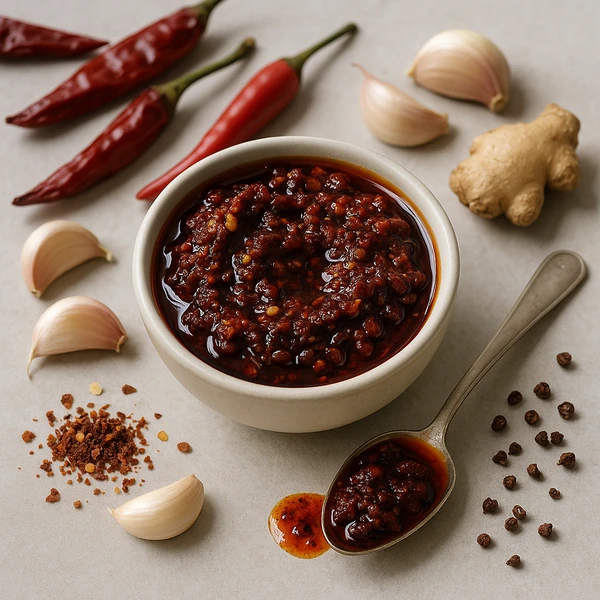
Many spicy condiments add heat, but chilli paste in oil adds heat plus depth. The oil spreads aroma through the whole dish, while the chilli solids bring texture and an intense, savoury punch. It’s especially helpful when your meal tastes “flat” and needs something more than salt—just a small spoon can make noodles taste stir-fried, soup taste richer, and simple vegetables taste intentional.
Depending on the brand and style, you’ll encounter everything from gently spicy, fragrant pastes to very hot versions with a strong toasted note. What they share is the same idea: concentrated chilli flavour suspended in oil for easy mixing, finishing, and quick frying.
What it is (and what it usually tastes like) 👃
Chilli paste in oil is a concentrated blend where chilli is the star and oil is the carrier. Some jars are smooth, others coarse, and many include extra ingredients for savoury complexity (often aromatics such as garlic or shallot, and sometimes a hint of sweetness). The overall profile is typically:
- Warm, roasted aroma (especially after brief heating)
- Spice that builds rather than hitting all at once
- Umami depth that can replace multiple seasonings in a pinch
Across Asia, similar condiments developed as practical staples: a way to preserve chilli and keep an instant flavour booster on hand. Today they’re used both at the stove and at the table—like a “finishing oil” with attitude.
How to use it: 2 reliable approaches 🍳
1) Bloom it in the pan (best for stir-fries and sauces)
Add a small spoon to a hot wok or pan and stir for 10–20 seconds until fragrant, then add your main ingredients. This releases aroma into the oil and helps coat vegetables, tofu, meat, or mushrooms evenly.
- Great for: fried rice, noodle stir-fries, quick vegetable sides, egg dishes
- Watch out: don’t scorch it—if the pan is smoking hard, lower the heat before adding the paste
2) Stir it in at the end (best for soups, bowls, and finishing)
Mix a little into hot broth, drizzle over dumplings, or stir into cooked noodles with a splash of soy sauce. This keeps the flavour bright and prevents bitterness from overheating.
- Great for: ramen-style bowls, clear soups, rice bowls, dipping sauces, marinades
- Pro tip: start with 1/2 teaspoon, taste, then build—many jars are more concentrated than they look
Chilli paste in oil vs. sambal vs. chilli sauce: what’s the real difference? 💡
They can look similar on the shelf, but they behave differently in food. Use this practical guide:
- Chilli paste in oil: a blend where oil is part of the experience. Ideal when you want aroma and a rich, savoury finish, or when you want the chilli flavour to spread through a dish easily.
- Sambal (e.g., sambal oelek): typically a more straightforward crushed chilli paste with less emphasis on oil. It’s great when you want a clean chilli taste and control over the rest of the seasoning (salt, sugar, acidity). Explore options in Sambal and chili paste.
- Chilli sauces: usually smoother and more pourable, often designed as a ready-to-use table sauce (dipping, drizzling, glazing). Browse styles in Chilli sauce.
Rule of thumb: choose chilli paste in oil when you want heat and aroma with a glossy finish; choose sambal when you want chilli intensity without the oily base; choose chilli sauce when you want a finished, balanced sauce you can use straight from the bottle.
Flavour pairings that make it shine 🍜
Chilli paste in oil is strongest when you give it something to balance or “frame” the heat. These combinations work across many Asian dishes:
- 🍋 Acidity: lime juice or rice vinegar brightens and keeps it from feeling heavy
- 🧂 Salt & umami: soy sauce (or fish sauce) deepens savoury notes
- 🍯 A touch of sweetness: a pinch of sugar or sweet chilli sauce rounds off the burn
- 🥥 Creamy elements: coconut milk softens spice and makes it feel richer
- 🌰 Nutty/toasted notes: sesame, peanuts, or toasted seeds echo the roasted aroma
Choosing a jar: what to check before you buy 🧠
- Texture: coarse pastes are great for topping and adding crunch-like contrast; smoother ones dissolve more easily into soups and sauces.
- Heat level: the same “chilli paste” label can range from mild to very hot. If you’re unsure, plan to use smaller amounts and build gradually.
- Oil separation is normal: solids often sink and oil rises—this is expected, not a flaw.
- Intended use: if you mainly want a table condiment, look for strong aroma and a balanced flavour; if you want it for stir-fries, choose one that blooms nicely when heated.
Storage and common mistakes (so it stays tasty) ✅
- Stir before using: mix the oil and solids so you don’t get “only oil” one time and “only chilli” the next.
- Use a clean spoon every time: introducing moisture or food bits is the fastest way to spoil the jar.
- Don’t burn it: when cooking, heat it briefly just until fragrant—bitter notes appear when chilli and aromatics scorch.
- Follow the label after opening: some jars are fine in a cupboard; others keep best refrigerated. Keep the lid tight to protect aroma.
A quick usage idea: 5-minute spicy noodle bowl
If you have cooked noodles, you’re one spoon away from a satisfying bowl. Mix in a small bowl:
- 1–2 tsp chilli paste in oil
- 1 tbsp soy sauce
- 1–2 tsp rice vinegar or lime juice
- Optional: a pinch of sugar, sesame seeds, spring onion
Toss with hot noodles. Add a fried egg, tofu, or leftover chicken. If it feels too intense, loosen it with a splash of noodle water or broth.
Our picks (if you want to compare with sambal)
Chilli paste in oil and sambal solve different problems, but sambal is a useful point of reference—especially if you prefer a cleaner chilli flavour without the oily base:
- Windmill Chilli pasta Sambal Oelek 200 g – a practical size for testing how sambal works in your cooking.
- Windmill Chilli pasta Sambal Oelek 750 g – a larger jar if sambal becomes a frequent staple in your kitchen.
- Windmill Chilli pasta Sambal Brandal 200 g – for those who like a more assertive, punchy heat profile.
Related categories
FAQ
Can I use chilli paste in oil as a marinade?
Yes—use a small amount and pair it with soy sauce and a little acidity (lime or rice vinegar). For frying or grilling, avoid very sugary mixes to reduce burning.
Is it the same as chilli oil?
Not exactly. Chilli oil can be mostly infused oil, while chilli paste in oil includes a significant amount of chilli solids (and often aromatics), so it tastes fuller and has more texture.
How much should I add?
Start with 1/2 teaspoon per serving, taste, then adjust. It’s easier to add more than to fix an overly spicy bowl.

Recommended products1
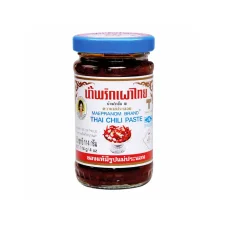
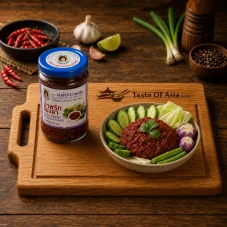


Maepranom Chili paste in oil 114 g
Read next
If you want to continue with the same topic, here are more related articles to explore: