


 Česky (CZK)
 Slovensky (EUR)
 Deutsch (EUR)
 Austria
 Belgium
 Bulgaria
 Croatia
 Denmark
 Estonia
 Finland
 France
 Germany
 Greece
 Hungary
 Italy
Italy Latvia
 Lithuania
 Luxembourg
 Netherlands
 Poland
 Portugal
 Romania
 Slovenia
 Spain
Spain Sweden










Trade influences in Asian cuisine: how ingredients, techniques, and flavors spread along routes
Asian cuisines were shaped by more than just climate and local agriculture – trade also played a crucial role. Spices, sugar, tea, citrus fruits, as well as techniques for working with grains and fermentation spread both by sea and land. In this article, we will show exactly what "trade influences" mean on the plate and how this perspective can help you better understand the differences between regions and cook smarter at home.
🌶️ What are "trade influences" in cuisine (and why it doesn’t make sense to look for one "Asian flavor" without them)
Trade in Asia transferred not only ingredients. It also transferred cooking methods, preservation techniques, sometimes even ideas about what is "good" and "right" food. This is why similar principles (for example fermentation or working with acidity) meet in different parts of Asia, but in completely different forms.
In practice, it is useful to look at "trade influences" as three types of transmission:
- transfer of ingredients (what started to be used where),
- transfer of techniques (how it is worked with – from fermentation to working with grains),
- transfer of flavors (what we today consider typical and “indispensable”).
Spices and the sea: “spice routes” and ports as places where flavors mixed
Maritime and overland trade spread across Asia spices, aromatic woods, sugar, tea, citrus fruits – and alongside these also various production and kitchen methods. It is important that ports were not just “warehouses”: they were points where people met, cooked together, tasted, and adopted what worked.
This shows on the plate simply: when new aromatic and flavor components enter a cuisine, the cuisine starts to build on contrasts (for example sweetness from sugar, freshness and acidity from citrus, aroma from spices) and these contrasts gradually become the “norm” of that style.
Silk Roads: it was not just about silk, but also techniques, grains, fermentation, and ideas
The Silk Roads are a useful reminder that trade transferred much more than luxury goods. Along with them spread:
- spices, fruits and vegetables,
- techniques (including approaches to fermentation and preservation),
- religious ideas and ideas of healthy eating,
- new ways of working with grains.
The last is surprisingly practical even today. “What is the base” (rice, wheat, and other grains) is determined not only by fields and climate, but also by how you learn to handle grains: how to grind them, how to make noodles from them, how to build broth dishes with them, how to combine them with sides. That is why there is such a clear boundary in Asia between areas where rice is the main staple rice, and areas where wheat and other grains play a bigger role wheat and other grains.
Columbian exchange: why chili is a “younger layer” in Asia than it seems
One of the most important trade-historical layers is the so-called Columbian exchange – transfer of crops between continents. Thanks to it, among other things, chili peppers, tomatoes, potatoes and cassavaarrived in Asia.
The practical consequence is crucial: today many people cannot imagine parts of Thai, Korean, or Indian cuisine without chili, but from a historical perspective it is a newer flavor layer. For home cooking, this is good news: spiciness is not a “mandatory tax for authenticity,” but a tool you can dose according to your preference.
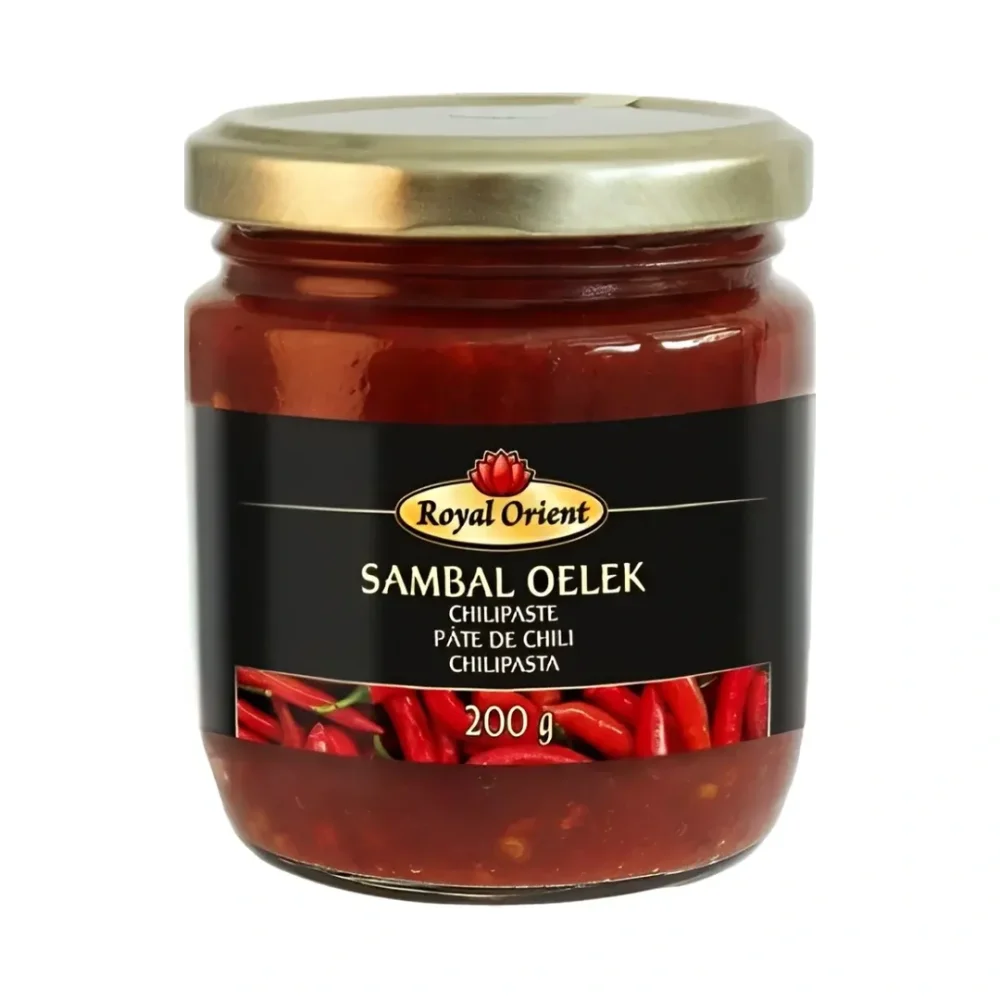
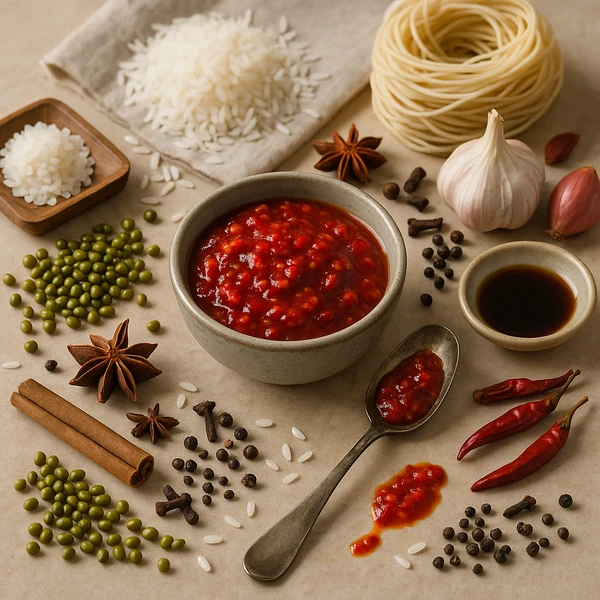
If you want to work with chili simply and controlled, pure chili pastes without complex additives are useful – for example Royal Orient Chilli paste Sambal Oelek. Start really small (for example 1/4 teaspoon per serving), mix, taste, and only then add more.
🍳 How trade “translates” the map of Asia into flavor: eastern vs. southeastern direction (and what you recognize from it in the kitchen)
For orientation, it is useful to look at Asia as several large flavor zones. It’s not the only possible model, but it helps quickly understand why two “Asian” dishes can taste completely different.
East Asia: umami, fermented bases, broths, and work with texture
East Asia (typically China, Japan, Korea, Taiwan) is characterized by a strong role of rice (and in some areas also wheat), the importance of broths and noodle dishes, a large role of umami and fermented bases. In practice, this means that the “depth” of flavor often arises not only from spices but also from techniques and building ingredients.
A good illustration of portability and storability (and thus spread across regions) are dried ingredients: seaweed and mushrooms. When dried, they are light, durable, and easy to transport; in the kitchen they then work as a flavor foundation – typically for broths, soups, and noodle dishes.
Southeast Asia: herbs, fermented sea bases, coconut, acidity, and chili
Southeast Asia (Vietnam, Thailand, Laos, Cambodia, Malaysia, Singapore, Indonesia, the Philippines, and others) often stands on rice and rice noodles, fresh herbs, and strong flavor layers: fish sauces and fermented sea bases, coconut, tamarind and lime, sambals, chili dips, and curry pastes.
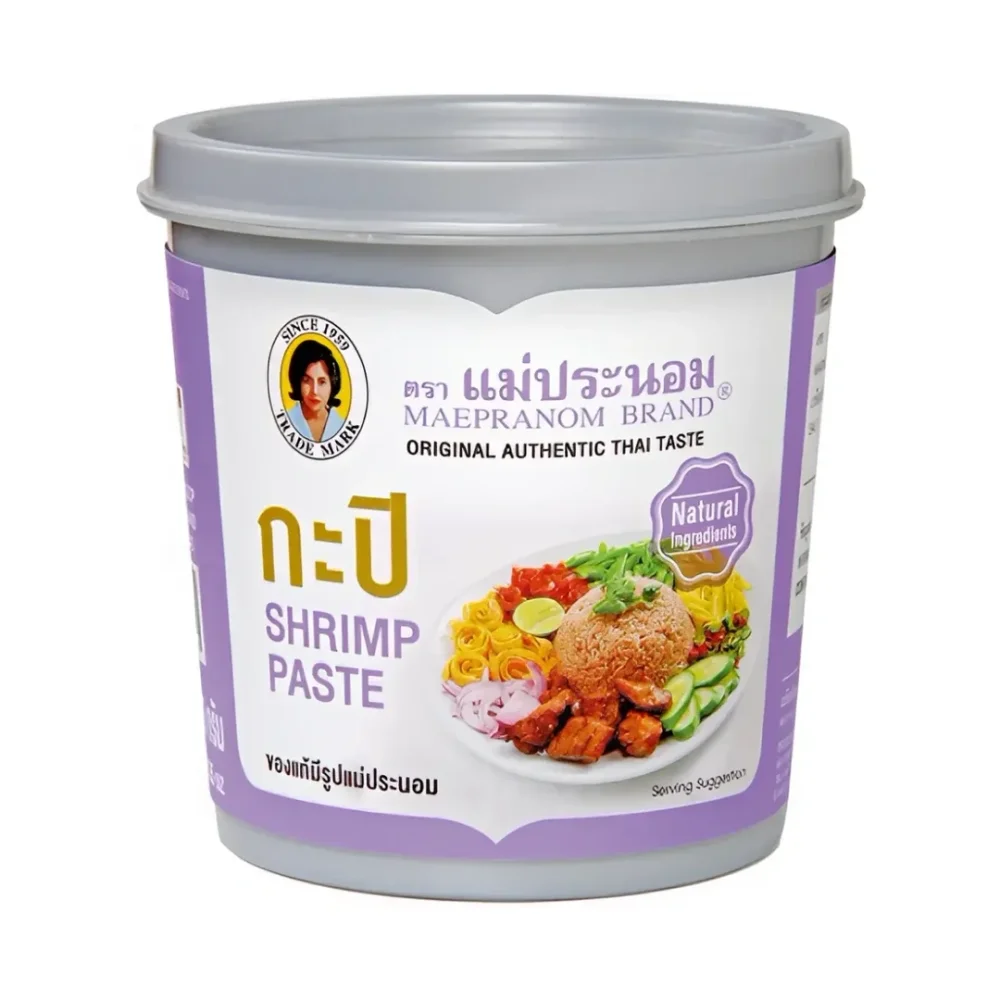
If you want to understand at home what a “fermented sea base” means as a flavor building block, work with it like salt: in small amounts and mostly at the start of cooking. A typical example is Maepranom shrimp paste – often 1/4 to 1/2 teaspoon in a pan or sauce is enough to round and intensify the flavor without overpowering the dish with a strong “marine” tone.
Rice belt vs. wheat belt: why the “base” of a dish differs and how it affects cooking
Besides trade routes, climatic and agricultural conditions also play a role. In warm and humid areas rice thrives, in drier and cooler regions wheat and other grains tend to play a bigger role. For home cooking, the most important practical impact is: a different base means a different logic of sauces, sides, and texture.
- With rice a contrast often stands out: small sides, pickled components, broth or sauce as accompaniment.
- With noodles (often wheat ones) it is typical that they like to "take on" sauce or broth and the dish feels more compact.
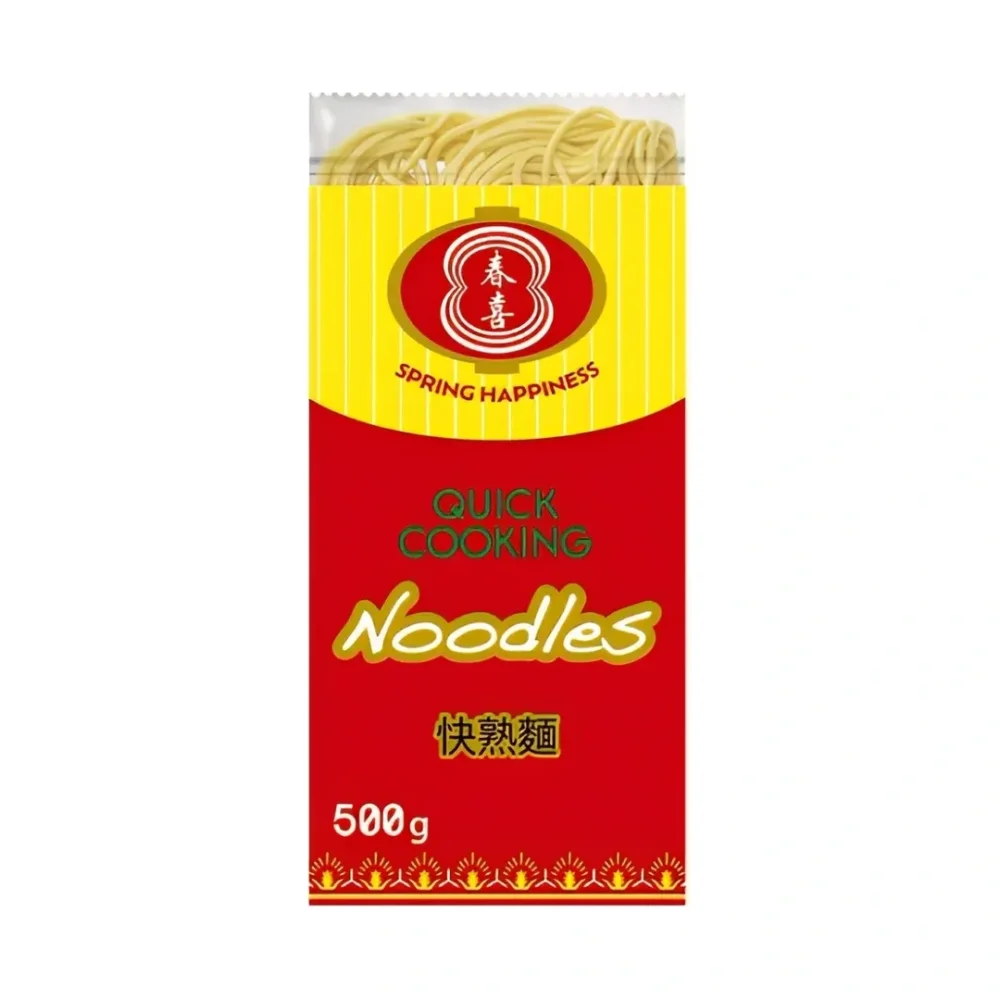
If you want a quick universal base for noodle dishes, neutral wheat noodles that soften quickly and absorb sauce and broth well are suitable – for example Spring Happiness quick egg-free noodles. Consider them as a “canvas” on which you can easily test the difference between broth-style and stir-fry style.
Practically at home: how to start cooking “more regionally” (and not just “Asian”)
If you take away only one thing from trade influences, let it be this: instead of chasing one "Asian" sauce, choose a specific flavor direction and build a few simple habits around it. Below are four that work across cuisines while respecting their differences.
1) Start from the “carrier”: rice, noodles, or sheets/wrappers
Food always relies on some basis. For home orientation, it is practical to have at least two different rices on hand – one for “loose” accompaniment and one for dishes where the rice should hold shape.
- If you aim for dishes like sushi or onigiri, it makes sense to reach for sushi rice (there the type of rice is functionally key).
- For common bowls, sides, and combinations with sauce, fragrance and softness are often sought – typically aromatic rice is used, for example from the category jasmine rice.
- If you want a loose side dish suitable for strongly spiced dishes, people often choose long-grain rice – a good guide is the category basmati rice.
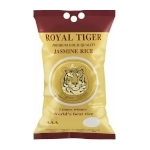
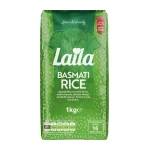
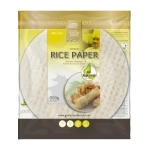
And if you want to change the format of a dish without changing flavors, a “wrapper” helps: for example rice paper makes a completely different experience from the same ingredients (more about texture, more about contrast).
2) Dosing is everything: work with "small layers"
Many Asian cuisines are based on eating bold things in small amounts: sour side dish, fermented paste, chili, intense relish. This rule is also useful while learning – if you overdo it, the food will be "just" salty/spicy and you lose the rest.
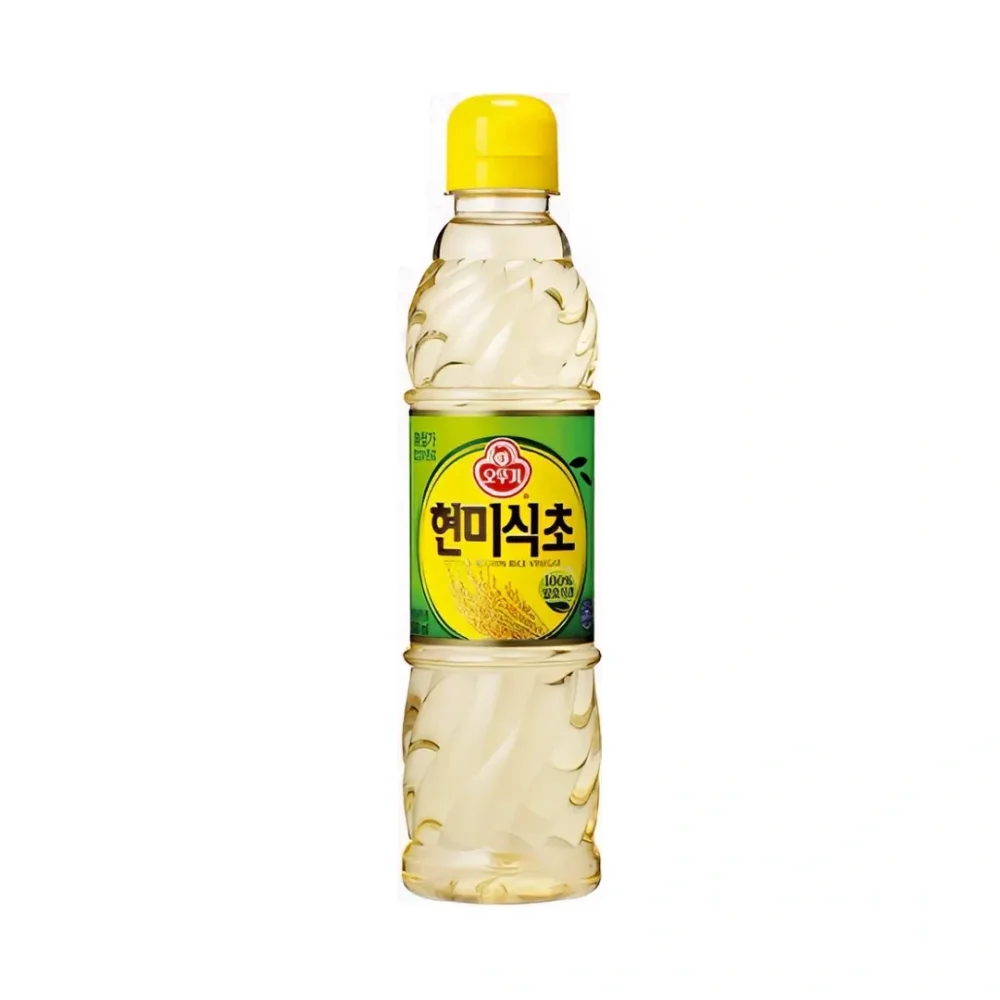
- Acidity: for a delicate, controllable acidity that does not overpower other tastes, rice vinegar is suitable. For dressing or quick seasoning, start with about 1–2 teaspoons per serving and adjust. A practical example is Otoki brown rice vinegar.
- Spiciness: with pure chili pastes, start with pinches (1/4 teaspoon per serving) and add after tasting – see the above-mentioned sambal.
- Salty-umami depth: with shrimp paste or similar bases, start really minimally (1/4 teaspoon), briefly sauté, and only then build additional layers.
3) Speed up learning with ready-made mixes – but take them as a “direction sample,” not a universal shortcut
Ready-made pastes and mixes can be a good way to quickly “get a feel” for a specific food style (what is dominant: sweetness, spiciness, fermented depth, garlic, acidity…). However, it is always better to take them as a starting point and adjust according to your own base (rice/noodles/vegetables).
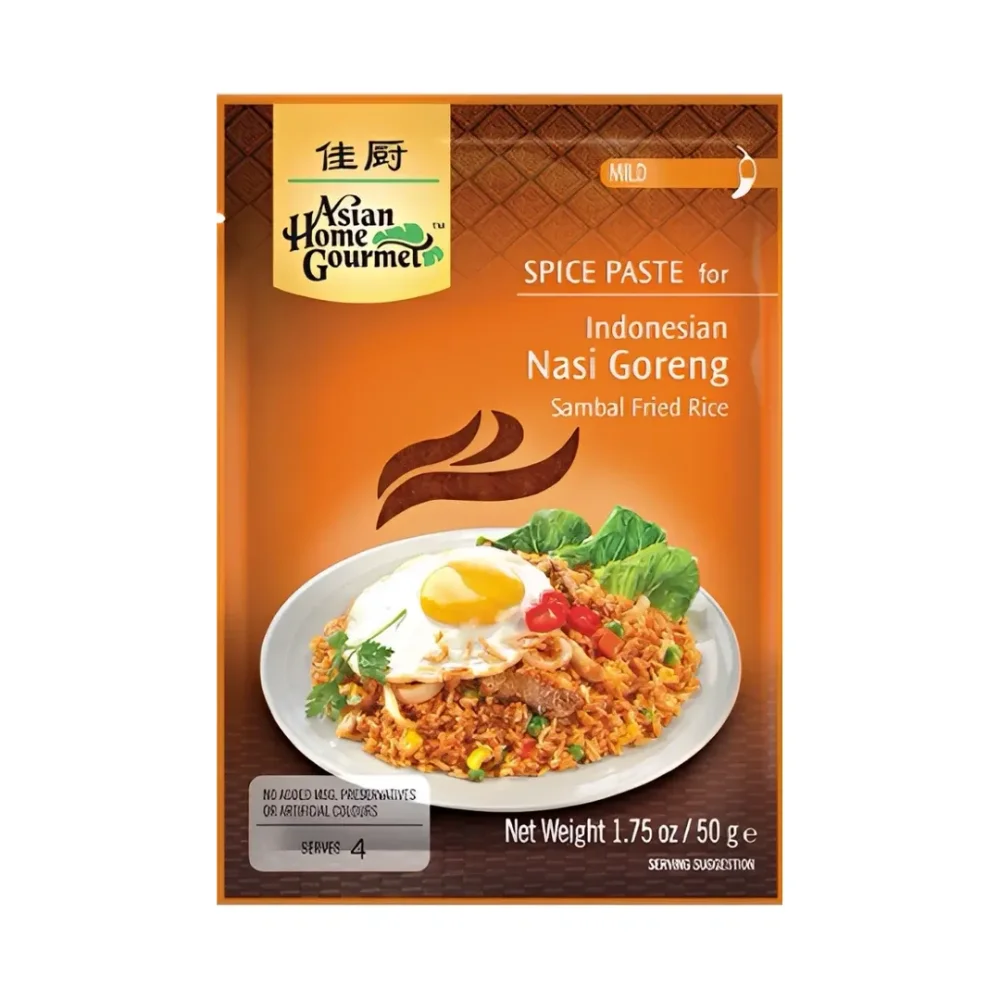
- For quick fried rice in Indonesian nasi goreng style, for example, AHG Nasi Goreng rice paste can work – but be careful that the rice is not overcooked (dry rice holds structure and the paste coats better).
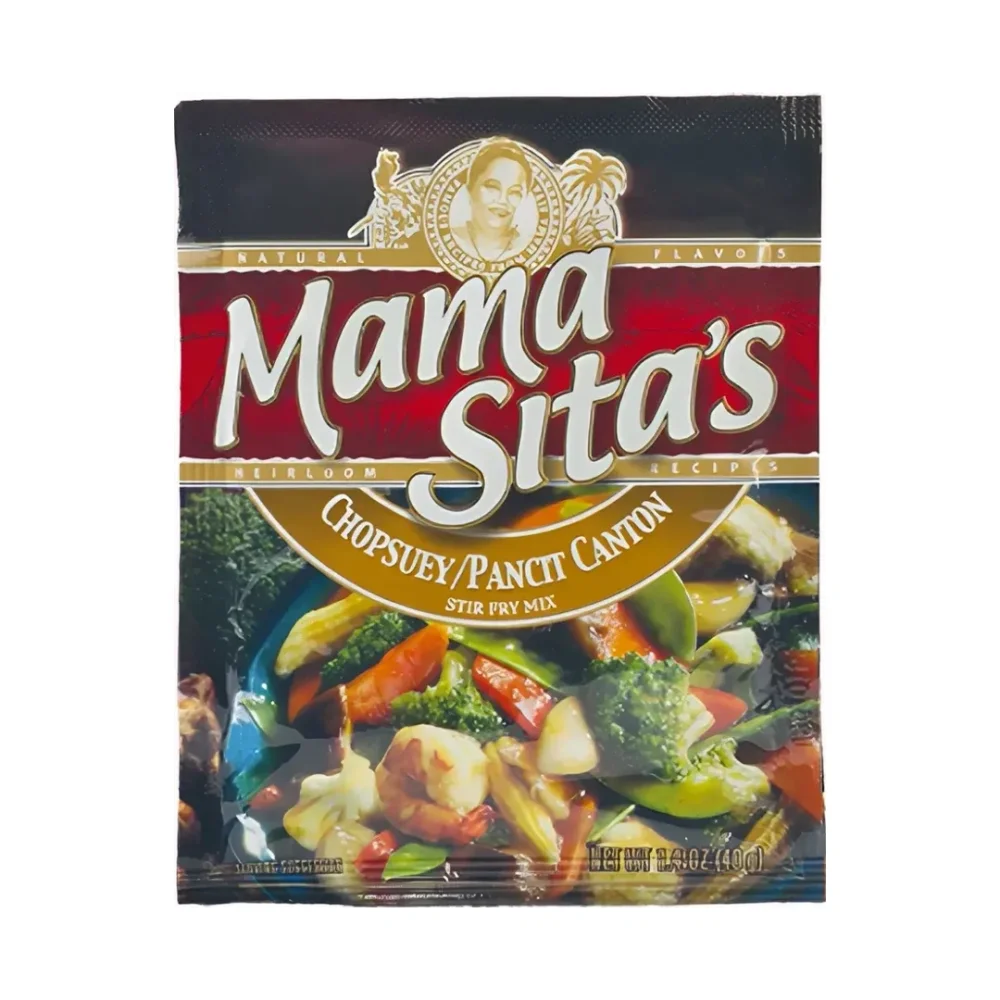
- For vegetable stir-fry in chopsuey style, you can go for Mama Sita’s vegetable stir-fry Chopsuey mix. If the result is too intense, the easiest fix is not to add water and “dilute,” but rather add more of the basic ingredient (vegetables, tofu, noodles) and stir for a shorter time.
Another index for similar starter mixes can be found in the category pastes and spices for rice.
4) Don’t forget the “contrast”: pickled and sour side dishes as a brake on richness
In many Asian cuisines, pickled and sour side dishes are not just decoration. They can lighten fat and richness, add crunchiness, and especially create contrast that makes the next bite interesting again. It is important that it is often not a large portion, but a small, intense accent.
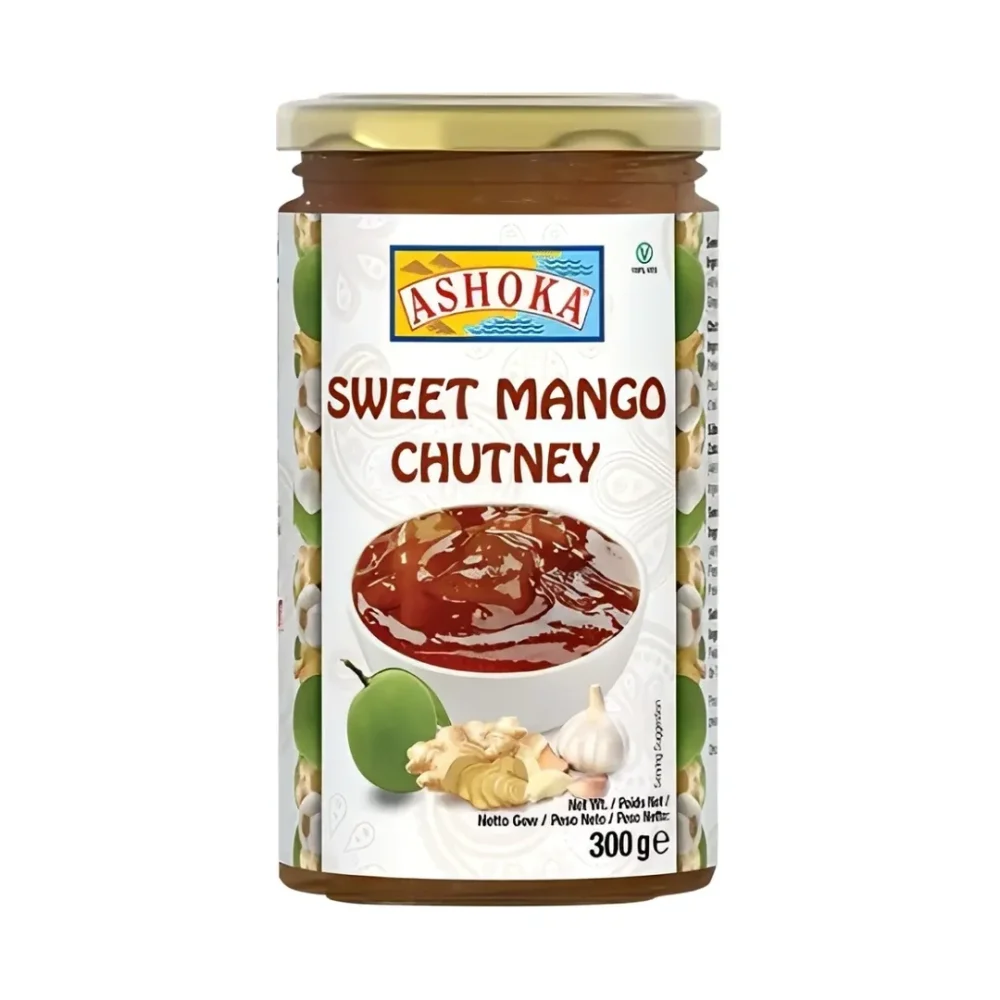
A similar role (though in a different direction – sweeter) at home can be played by chutney as a small accompanying amount. If you want to try the logic of a "small spoon beside the main dish," you can work with, for example, Ashoka sweet mango chutney: try 1 teaspoon with rice or simple meat/tofu and feel how the impression of the whole bite changes.
💡 What to watch out for: the most common mistakes that flatten regional differences
- “Asian = spicy.” Chili is key in many regions but historically a newer layer. Spiciness is a tool – and without proper dosing it easily overpowers the rest (umami, herbs, broth, fermentation).
- “One rule applies to all Asia.” The same applies not only to tastes but also to dining and table habits. What is culturally sensitive or important in Japan or Korea may not have the same weight elsewhere – and modern urban dining is usually more relaxed than formal traditions.
- Too large a portion of intense supplements. Shrimp paste, chili paste, strong pickles, or relish often work best in small doses. If you add too much, the result will be “strong” but flat and tiring.
- Replacing “sour side dishes” with just one thing. Sour and pickled supplements in Asia have many forms and functions (from short pickling to deep fermentation). If you stick to just one “universal” variant, you lose a large part of the regional food identity.
- Diluting sauces with water as a first aid. When flavor is too aggressive, it often works better to add a base (rice, noodles, vegetables) or fat (oil) and shorten cooking time rather than “diluting” it to blandness.
What to take away from the article
- Trade shaped Asian cuisines not only through ingredients but also through techniques, ideas about food, and habits that over time became “typical” for the region.
- Spices, sugar, tea, citrus, and cooking methods spread by sea and land; ports were places where flavors really mixed.
- The Silk Roads also conveyed grain handling and fermentation techniques – and that helps explain why rice is the base in some places and wheat and noodles elsewhere.
- Chili is essential in many cuisines but historically a younger layer; at home, treat it as a dosable tool, not a test of “authenticity.”
- For better home cooking, it is most practical to choose a specific flavor direction and build it on small, precisely dosed layers (acidity, spiciness, umami, side dishes).

Read next
If you want to explore this topic further, continue with these related blog guides and articles:
