


 Česky (CZK)
 Slovensky (EUR)
 Deutsch (EUR)
 Austria
 Belgium
 Bulgaria
 Croatia
 Denmark
 Estonia
 Finland
 France
 Germany
 Greece
 Hungary
 Italy
Italy Latvia
 Lithuania
 Luxembourg
 Netherlands
 Poland
 Portugal
 Romania
 Slovenia
 Spain
Spain Sweden










What to replace fish sauce, miso, mirin and other essentials with: honestly, functionally and without myths
Substitutes for Asian ingredients are a great backup plan – but this is exactly where the most common half-truths like “it’s the same” arise. In practice it is often not possible to replace the name, but the function in a specific dish: saltiness, umami, fermented character, gentle sweetness or a “rounding” of flavor. In the article you’ll find a simple decision system and honest, practical substitute options for fish sauce, soy sauce, miso and mirin – including when it’s better to admit the result won’t be the same.
Why substitutes for “essentials” are so sensitive (and you can see it most in Japanese logic)
Ingredient substitutes are among the most practical topics in home cooking – and at the same time the most treacherous. It’s very easy to slip into phrases like “this is the same” or “something similar will do.” But for many Asian fundamentals it’s not about one property (for example just saltiness), but about a combination of flavors and effects.
This is clearly visible in Japanese cuisine (washoku), which builds on purity of flavors and on the fact that a few pantry ingredients can create fullness even in relatively simple dishes. That’s why fermented bases like miso, soy sauce, mirin, vinegar and others are so important in Japanese cooking. When you replace them with “something similar,” you often don’t lose just one component – the entire flavor logic of the dish shifts.
Basic rule: don’t replace the name, replace the function
When a recipe calls for fish sauce, miso or mirin, it doesn’t automatically mean “add salty / sweet / liquid.” First clarify, what exactly the ingredient is supposed to do in the dish:
- Saltiness (and how quickly it “kicks in”).
- Umami (depth, fullness, “background taste”).
- Fermented character (subtle or pronounced).
- Rounding and linking flavors (typical for mirin).
- Aromatic note (sometimes very subtle, but crucial for the result).
Only then does it make sense to choose a substitute – and above all to admit whether it will be a full substitute, a functional one, or only an emergency fix.
Three levels of substitutes: full, functional and emergency
1) Full substitute within the same “family”
Best scenario: you don’t have the specific type, but you have another of similar kind and function. Typically this concerns different soy sauces or different types of miso. The result won’t be identical, but it will be “in the right world.”
2) Functional substitute
Here the goal is to save the main role of the ingredient: for example saltiness + part of the umami, or sweetness + rounding. The flavor will shift, but the dish can still work very well if you adjust the rest of the seasoning accordingly.
3) Emergency substitute
The emergency option only saves one “lever” (often saltiness), but you lose depth and character. It’s fair to use it, but good to know the result will be flatter and sometimes unbalanced.
🍜 Second rule: the ingredient’s role in the specific dish decides
When the ingredient is the backbone of the flavor
If the ingredient is one of the main pillars (typically in sauces, glazes and bold dressings), the substitute is more noticeable. For Japanese sauce bases this typically applies to combinations like soy sauce + sake + mirin (sometimes with added sugar): it’s a simple system where each component has a clear role.
When the ingredient is supportive
If the ingredient in the recipe is “just a little” for finishing (for example a pinch of mirin to balance saltiness in a sauce), its function can often be imitated more easily – and a less precise substitute will pass without major harm.
Fish sauce: one of the hardest ingredients to replace
With fish sauce it’s fair to say the essential point out loud: a full substitute usually doesn’t exist. Not because it lacks “saltiness,” but because fish sauce combines multiple effects at once:
- pronounced saltiness,
- deep umami,
- fermented character,
- and a specific aroma that in the finished dish often doesn’t read as “fishy,” but creates a flavor background.
What works as a functional substitute
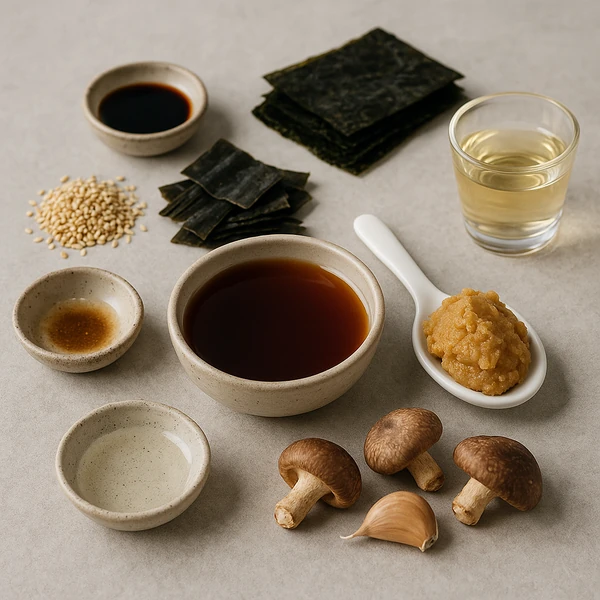
- Soy sauce + something mushroomy or fermented for deeper umami (the goal is to add depth, not just salt).
- A lightly sweetened mix of soy sauce and another umami base in dressings (where fish sauce often also balances sweet-and-sour).
- Vegan “fish-style” sauces based on mushrooms, seaweed or fermented components (when you need umami and a fermented note but no fish).
🌶️ What is more of an emergency solution
- Plain soy sauce (saves saltiness and part of the umami, but lacks character).
- Plain salt (only saves saltiness and the dish may be flat).
- Worcestershire sauce without modification (can work as “some salty liquid,” but the profile is different).
- Anchovy paste where you need a pure liquid function (paste behaves differently than a sauce).
🍳 Practical procedure at home (so the dish doesn’t “fall apart")
- Start cautiously: instead of the full amount of fish sauce, first add roughly half the expected salty liquid (often this will be soy sauce) and taste as you go.
- Watch for over-salting: fish sauce can add depth even in small amounts; when you replace it with soy sauce, it’s easy to overshoot the salt, yet you’ll still miss the “background.”
- Add umami deliberately: in this step you’re not looking for more salt, but depth (mushroom/fermented elements typically work better than extra salt).
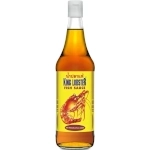
If you want to choose and compare different styles, a practical guide is the category fish sauces.
Soy sauce: what can be replaced and what can’t
Soy sauce is not one thing, but a wide category. Before you start substituting, clarify, which type it is and what it does in the recipe.
When it can be substituted relatively safely
- Light Chinese soy sauce with another light cooking soy sauce (if it’s mainly about saltiness and light umami for quick cooking).
- Common Japanese all-purpose fermented soy sauce with another all-purpose fermented soy sauce (when you don’t need an exact flavor signature).
- Tamari with another more pronounced soy sauce, if you’re not trying to match an exact profile (umami and strength are often more important than the “label”).
Where caution is needed (this is where most confusions occur)
- Dark soy sauce is not the same as regular light: often it’s not just a “stronger taste,” but a different role (color, type of sweetness, thickness).
- Sweet dark sauce is not the same as classic soy sauce: if you use it instead of a regular one, you’ll push the dish into a sweeter and heavier direction.
- Ponzu is not a substitute for soy sauce, but a finished citrus-flavored variant – it already has another flavor logic (acidity, aroma).
- Coconut aminos are not an authentic swap for shoyu/light soy sauce, although in some home recipes they can partially replace the salty liquid component.
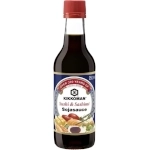
If you want to stay in the Japanese “world” of flavors, the safest is to stick to the category Japanese soy sauces and not treat all dark/sweet variants as interchangeable.
Miso: the substitute depends mainly on type and intensity
With miso it’s crucial to know whether the recipe needs gentleness and sweetness, or on the contrary a pronounced, dark fermented depth. Miso is not just a salty paste – it often works more subtly and “rounder” than other fermented pastes.
What can be substituted relatively well
- White miso with another milder miso (when you want smoothness and a milder taste).
- Red or darker miso with another more pronounced miso (when you need depth).
- A mix of light and darker miso instead of one “medium” type (a practical way to adjust intensity).
🌶️ What is only a partial approximation (and will change the character of the dish)
- Doenjang instead of miso: you can approach fermented soybean depth flavor-wise, but the dish will easily shift into a different flavor logic.
- Fermented soybean paste in general instead of a specific Japanese miso: it works as “something fermented,” not as an exact replacement.
- Tahini, peanut butter and other pastes can add creaminess, but won’t replace fermentation (the dish will be smoother but won’t have miso depth).
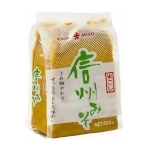
A practical guide for selection is the category soy and miso pastes.
Mirin: sugar alone won’t replace it
Mirin is often underestimated in home tips and frequently reduced to “replace with sugar.” But that’s only part of the truth. Mirin doesn’t bring only sweetness: it helps to round the flavor, add a gentle aromatic note, create gloss and soften some sharp or fishy tones. That’s why it’s important in glazes and sauces where the result should feel polished.
What is usually the best substitute
- A combination of a little sugar and sake or dry rice wine (sweetness + delicate alcoholic base).
- A combination of delicate alcohol and a sweet component in general (the goal is to mimic “roundness,” not just sugar).
- Sometimes a smaller amount of a sweeter cooking mirin type, if the recipe doesn’t require real hon mirin (makes sense for simpler uses).
🌶️ What is only an emergency substitute
- Plain sugar (will sweeten, but won’t round things or add an aromatic note).
- Plain white wine without sweetness (adds acidity/alcoholic note, but lacks sweetness and “sheen”).
- Syrup without an aromatic component (sweetness without Japanese character and without the delicate linking of flavors).
A practical rule for when a substitute will pass
When mirin is used sparingly in a recipe and mainly serves to balance a sauce, its function can be imitated quite well. But when mirin is important to the character of a glaze or sauce, its absence is more noticeable – and resulting sweetness from sugar can feel “coarser.”
Most common mistakes and how to fix them quickly
- “Fish sauce = salt”: if you replace fish sauce with just salt, the dish will be salty but hollow. Fix: think about umami and fermented depth, not just more salt.
- “Mirin = sugar”: plain sugar often leaves a sweet tail without rounding or gloss. Fix: add the sweetness with a delicate alcoholic base (typically sake/dry rice wine).
- “Dark soy sauce is just stronger”: dark and sweet dark sauces play a different role; swapping them can change both color and sweetness of the dish. Fix: first clarify whether the recipe wants flavor, color, or both, and dose cautiously.
- Replacing miso with a more aggressive paste: if you replace miso with a bolder fermented product without adjusting, the dish will lose its Japanese character and shift into a different logic. Fix: reduce the amount, add gradually, and watch that the fermentation doesn’t overpower the dish’s subtlety.
What to take away from the article
- Substitutes work best when you replace the function of an ingredient (saltiness, umami, fermentation, rounding), not its name.
- Distinguish between a full-fledged, functional and emergency substitute – for fish sauce it’s often honest to admit that a full replacement isn’t possible.
- With soy sauce always be clear about the type – dark, sweet dark or ponzu are not “just different soy sauces.”
- With miso the key is the intensity and type; some pastes will add fermentation but change the character of the dish.
- Mirin doesn’t just add sweetness: without it there is often a lack of sheen and polish; the best substitutes combine a sweet and alcoholic component.

Read next
If you want to explore this topic further, continue with these related blog guides and articles:
