


 Česky (CZK)
 Slovensky (EUR)
 Deutsch (EUR)
 Austria
 Belgium
 Bulgaria
 Croatia
 Denmark
 Estonia
 Finland
 France
 Germany
 Greece
 Hungary
 Italy
Italy Latvia
 Lithuania
 Luxembourg
 Netherlands
 Poland
 Portugal
 Romania
 Slovenia
 Spain
Spain Sweden










Sweet preparation in Asian cuisine: techniques, textures, and ingredients that change the rules
Sweet preparation in Asian cuisine often does not follow the “European” logic of cakes, butter creams, and wheat flour. It is much more about working with texture (elasticity, jelly, smoothness, layering), rice and starches, coconut bases, bean pastes – and techniques that are not just baking in the oven.
This guide will help you navigate what is typical for Asian desserts, why they are so different, which techniques are most often repeated, and how to choose a good “starter” direction at home without unnecessary mistakes.
Sweets in Asia: it's not just about baked pastries
In many Asian cuisines, sweet cooking is not automatically based on the oven. Equally important (and sometimes more important) are steaming, boiling, frying, pressing into molds, setting, chilling, and especially combining multiple textures in one serving.
Therefore, an “Asian dessert” can easily be a flexible rice cake, coconut cream, a bowl of jelly and fruit, or a sweet dessert based on bean or sesame paste – and not necessarily a cake as we know it from home.
🍳 Why Asian sweet preparation is so different (and why it makes sense)
The differences did not arise by chance. Several main reasons emerge from the available materials:
- Different staple crops (stronger connection to rice and starches).
- Different role of milk and wheat than in Central European baking.
- Strong connection with coconut and coconut bases.
- Different relationship to sugar and sweetness – sweetness is usually just one part of the profile, often in dialogue with sesame, beans, tea, or a slightly salty tone.
- Holidays and seasonality – traditional sweets are often linked to specific periods and occasions.
The practical consequence is: if you expect a “Western” cake structure and “buttery” logic from Asian sweets, you will easily overlook the most essential thing – thoughtful texture and technique.
Baking is not the only technique: four pillars of sweet preparation
Baking
Baked desserts exist in Asia, of course. This group includes, for example, mooncakes, some wagashi (Japanese sweets), baked coconut and rice cakes, and even more modern “tea” or cheesecake styles.
Steaming
Steaming is exceptionally important in sweet preparation because it gives desserts a delicate, elastic, and moist texture that baking often cannot replace. It typically appears in steamed rice cakes, some kuih (Southeast Asian sweets), or various “sponge” and puddings in the Chinese and Southeast Asian regions.
Gelling and setting
A large part of the Asian sweet world is based on “setting” desserts – from jelly to layered parfaits and bowls. Agar-agar is mentioned as a typical ingredient in the materials. agar-agar. Important is that setting and chilling are not side effects but deliberate techniques that create the desired mouthfeel experience.
Frying
Frying is often used in sweet cuisine for contrast: crispy surface, quick browning, or final “finishing” of texture. Here too, the goal is not just to “fry” but to add another layer of texture to the serving.
Texture as the main compass: what to notice in Asian desserts
In Asian desserts, texture is equally important as flavor according to the materials – and very often even more important. It’s not just about what is sweet but how it behaves in the mouth: elasticity, stickiness, gel, smoothness, icy granules, or layering.
Elastic and sticky texture: mochi as a textbook example
In mochi, “gumminess” and elasticity are the goal, not a flaw. The supporting materials (citing Britannica) state that mochi is made from short-grain sticky rice (mochigome) and this ingredient is responsible for its typical texture. Mochi is also strongly associated with the Japanese New Year and traditional rice processing – which explains why the expected texture is culturally “correct.”
Gel and jelly texture
Jelly desserts in Asian sweet cuisine are not just “light refreshment.” They often form a full part of a bowl or serving and function as a carrier of contrast – alongside fruit and tea flavors or alongside creamy and starchy layers.
Beaded and slippery texture
Asian desserts also repeat textures that are unusually “slippery” or “beaded” for European eaters – but precisely by that they create an experience that cannot be imitated by standard sponge or whipped cream.
Pudding and smooth texture
Smoothness and creaminess in an Asian context often are presented differently than through cream and butter: coconut, starches, or pastes (such as bean pastes) can play an important role, adding body and “thickness” without dairy creams.
Icy and shattered texture
Icy desserts and "shattered" textures belong to the same world of textural thinking: dessert does not have to be only warm and baked but can be icy, layered, and built on contrasts of temperatures and consistencies.
Crumbly and pressed texture
Besides gels and elastic rice textures, there are desserts where pressing, crumbliness, or distinct "mass" in a bite are important. This is also part of a broader concept of sweet preparation beyond the oven.
Bean paste: why beans are sweetened in Asia
Sweet bean paste may seem surprising, but it is common in East Asia. The materials (again citing Britannica on adzuki bean) state that sweetened adzuki paste is used in, for example, mooncakes, baozi, daifuku, dorayaki, taiyaki, anmitsu and other sweets. Practically, this makes great sense: bean paste can be smooth or grainier, creates contrast to elastic doughs or gel layers, and allows filled desserts without dairy creams.
🍜 Basic ingredients of sweet preparation and how to read them in practice
The materials mention as typical building blocks of Asian sweet cuisine especially rice (including sticky rice), rice flour, tapioca starch, coconut milk, bean pastes, palm sugar, agar-agar, sesame, and fruit.
Rice and starches: why they are baked and cooked differently
Rice and starches in Asian desserts are not a “substitute for wheat flour” but a separate world. They often create elasticity, stickiness, or smoothness that European cakes usually do not seek.
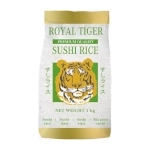
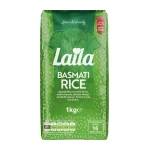
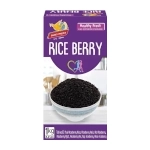
If you want to organize types of rice and their uses (not only for desserts), it helps to have basic guides handy: sushi rice (short-grain style), basmati rice (long-grain aromatic) and an overview of other types of rice. Even without a specific recipe, it’s worthwhile to perceive that different types of rice have different characters – and thus different typical uses.
Coconut: flavor and texture in one
Coconut milk and coconut bases are mentioned in the materials as common carriers of both flavor and consistency. In Asian sweet cuisine, techniques like coconut milk reductionare also used, that is, procedures that change its behavior in the dessert.
Sesame, fruit, tea, and citrus: sweetness is often not “just sweet”
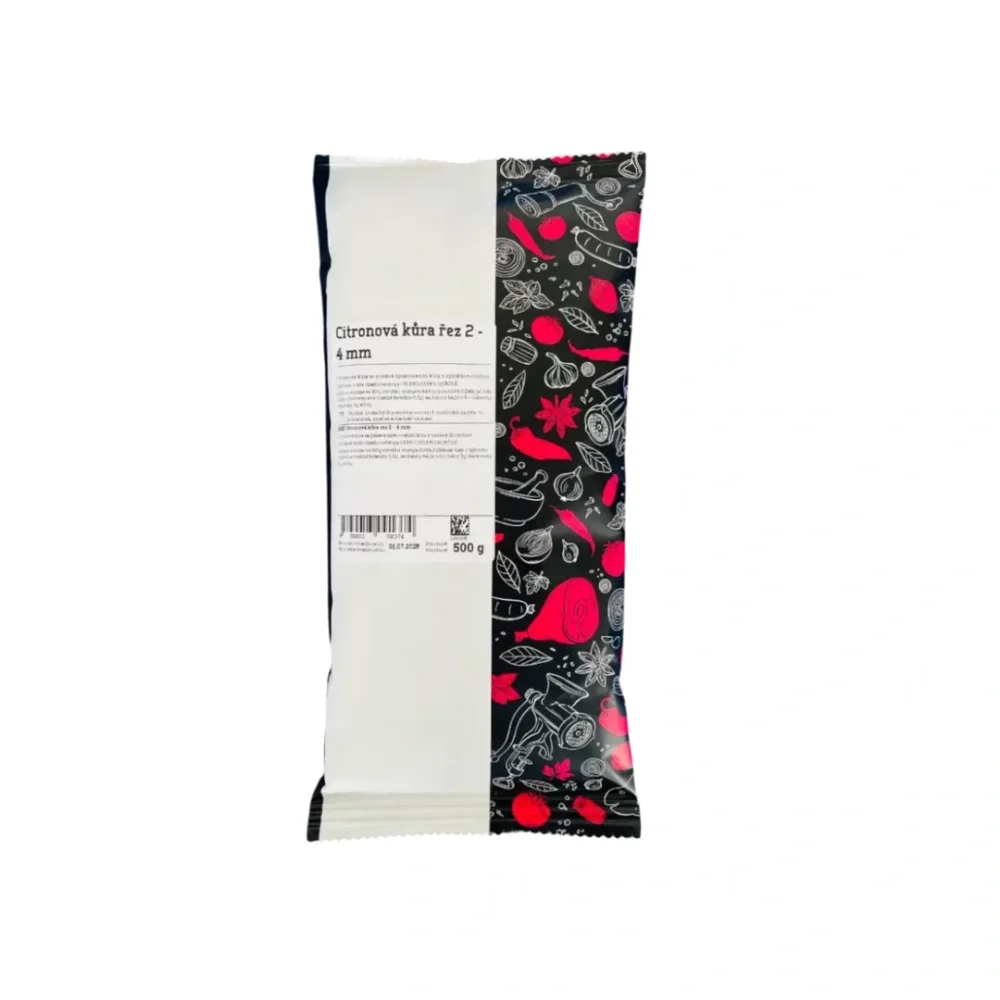
A typical feature is the combination of sweet with other profiles – sesame, bean, or tea – and also frequent “pairing” with tea or daily rhythm. If you want to quickly add a readable citrus accent to home sweet preparation, a practical aid can be cut lemon peel, which is useful where you want to work with aroma rather than juice.
How to start at home: practical onboarding without “European” expectations
The best start is not to force Asian desserts into one model but first choose the target texture and then select technique and ingredients accordingly.
1) First, decide what experience you want
- Elastic and chewy (typically “mochi world”): expect elasticity as an advantage.
- Delicate and moist: often through steaming.
- Gel-like and clear: a world of setting and jelly desserts.
- Crispy contrast: can be added by frying or brief browning at the end.
2) Prepare your work in advance (mise en place)
In Asian kitchens, preparation often decides even before cooking – the materials generally emphasize this as a key principle. In sweet preparation, this practically means:
- having measured dry and wet ingredients in advance (especially starches and liquids),
- knowing what goes into the pot/steam first and what goes last,
- having molds, bowls, or places for cooling ready,
- expecting that some desserts rely on setting and chilling as a key phase, not as “extra waiting.”
3) Layer textures – it's often the “Asian signature”
One of the most typical things is stacking multiple textures in one serving: elastic element + smooth paste, gel layer + coconut cream, or warm base + cold/icy part. If something seems “unusual” to you, it is often not a mistake but deliberate composition.
💡 Most common mistakes and what to watch out for
- “It's gummy, something is wrong.” For some desserts (typically mochi), elasticity is a culturally expected feature. Don’t judge them by the standard of sponge cake.
- “Asian dessert = something baked.” A large part of sweet cuisine is based on steaming, setting, chilling, and starches – the oven is just one option.
- Ingredient substitution 1:1. Rice flour and starches are not wheat flour and often work according to different logic. If you aim for a specific texture, the ingredients are not optional “details.”
- Overemphasis on sweetness. The materials repeat that sweet foods often combine with sesame, bean, or tea profiles and that sugar does not have to be the sole main motive.
- Underestimating preparation. If you don’t have steps and ingredients prepared in advance, you easily lose control over what should set, what should layer, and what should remain delicate.
What to take away from the article
- Asian sweet preparation is a broad world where texture often decides more than “dessert” sweetness.
- Besides baking, key techniques are steaming, setting/gelling, chilling and sometimes even frying for contrast.
- Typical ingredients often rely on rice, starches, coconut, sesame and also on bean pastes (for example from adzuki).
- For desserts like mochi, elasticity and chewiness are intentional, not a failed result.
- The best homemade start: choose the target texture, plan the work ahead, and don't be afraid to layer multiple consistencies into one serving.

Read next
If you want to explore this topic further, continue with these related blog guides and articles:
