

 Česky (CZK)
 Slovensky (EUR)
 Deutsch (EUR)
 Austria
 Belgium
 Bulgaria
 Croatia
 Denmark
 Estonia
 Finland
 France
 Germany
 Greece
 Hungary
 Italy
Italy Latvia
 Lithuania
 Luxembourg
 Netherlands
 Poland
 Portugal
 Romania
 Slovenia
 Spain
Spain Sweden










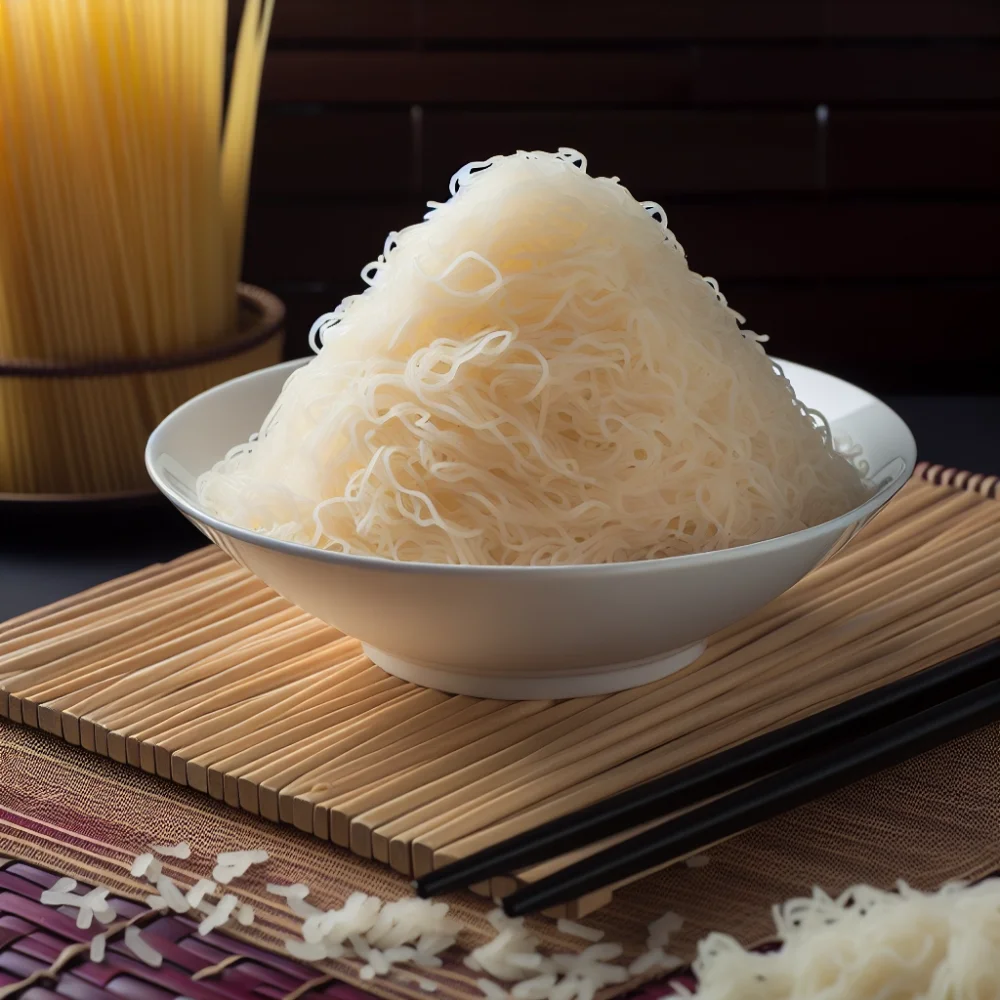
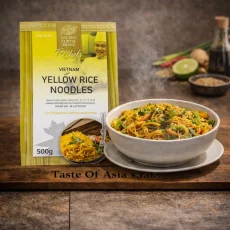
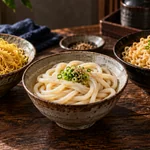
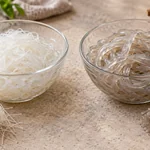
🍜 Rice noodles: a light base for stir-fries, soups, and Vietnamese-style noodle salads
Rice noodles are one of the most practical staples for an Asian pantry. They’re delicate, quick to prepare, and great at carrying sauces, from Thai tamarind-based blends to Vietnamese fish-sauce dressings. When you want something “Asian” without a long cook, most dried rice noodles only need soaking and a brief finish in a wok or in hot broth.
Asian ingredients are available at Asian Food Shop
💡 Note: Rice noodles behave differently from wheat noodles. If you overcook them, they soften fast and can turn mushy. It’s usually better to keep them slightly firm and finish them in the sauce.
🕰️ History and origin
Rice noodles are deeply rooted in Southeast Asia and southern China. In regions where rice is the core crop, it makes sense to transform it into a noodle format too. Over time, many thicknesses and shapes evolved, from hair-thin noodles for light bowls to wide sheets for bold stir-fries.
Fun fact
In many Asian cuisines, rice noodles act like a neutral canvas. They don’t rely on a strong flavor of their own, but on texture and on how well they hold sauce.
🧪 How they’re made, types, and ingredients
The base is usually simple: rice flour and water, sometimes with a small amount of starch to make noodles more elastic. For browsing, start with Rice noodles and for a full overview also check Noodles.
Common types
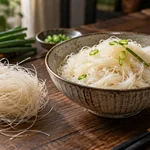
- rice vermicelli works well for light bowls, soups, and quick herb-heavy salads
- medium-width sticks typically 3 to 5 mm are a versatile option for wok cooking and Pad Thai
- wide rice noodles shine in richer sauces and street-food style stir-fries
👃 Flavor and texture
- a mild, neutral taste that lets dressings and spices lead
- a smooth bite with gentle elasticity
- the best result is springy and distinct, not over-soft
✅ Tip: Thickness matters with dried rice noodles. Thinner noodles often only need soaking and a quick warm-up, while thicker noodles need a bit more time.
🍳 How to use rice noodles
🥢 Stir-fries and wok dishes
Rice noodles are a classic base for fast stir-fries. The most reliable workflow is to build the sauce and aromatics first, then add noodles at the end to coat and finish. Helpful pantry picks include Light soy sauce, Fish sauce, and blends from Pasta and spice for noodles.
🍲 Soups
Thinner noodles are especially good in brothy bowls. A simple trick is to cook noodles separately and add them to the bowl right before pouring broth, so they stay springy.
🔥 Grill-friendly plating
Rice noodles don’t go on the grill, but they’re perfect as a base for grilled toppings. Toss noodles with a light dressing, then add grilled chicken, pork, shrimp, or tofu and fresh vegetables.
🥘 Oven dishes
Some styles bake noodles with sauce so they absorb flavor gradually. The key is to keep noodles slightly underdone before baking, so they don’t break down.
🫶 Health notes
Rice noodles are primarily a source of carbohydrates. Their practical advantage is speed and how easily they pair with lots of vegetables and lighter dressings. With salty seasonings, it helps to add gradually and taste as you go.
✅ How to choose rice noodles
- shape and thickness vermicelli for bowls, 3 to 5 mm for wok versatility, wide noodles for richer sauces
- prep method some only need soaking, others need a short boil and a finish in sauce
- ingredients pure rice noodles can be more fragile, starch-added versions are often more elastic
- sauce workflow sauce first, noodles last, then quick tossing
- serving cooked noodles dry out fast, so tossing them with a little oil from Oils helps if they need to wait
🛒 Product picks
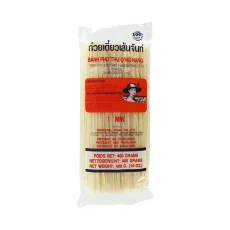
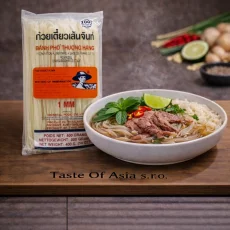
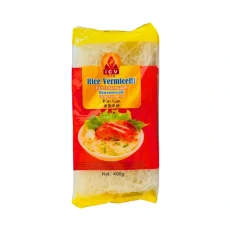
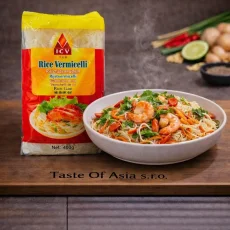
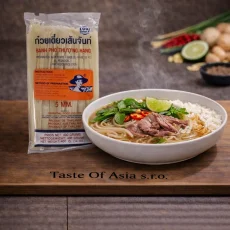
- ICV Rice vermicelli noodles 400 g great for Vietnamese-style bowls, soups, and herb-forward salads
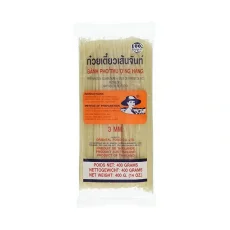
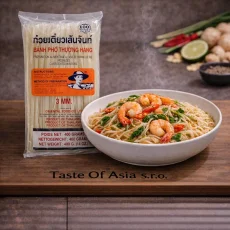
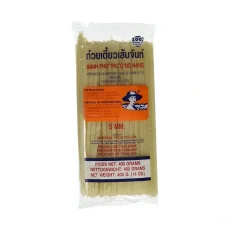
- Farmer Brand Rice noodles 3 mm wide 400 g a versatile width for stir-fries and Pad Thai, coats well with sauce
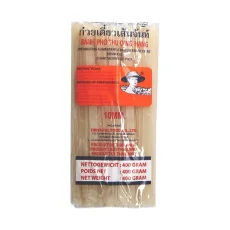
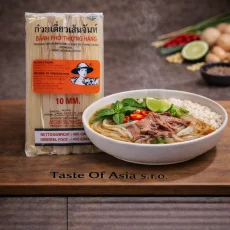
- Farmer Brand Rice noodles 10 mm wide 400 g wide noodles for richer sauces and street-food style wok dishes
🍤 Recipe: Thai Pad Thai with tofu and peanuts
Pad Thai is a classic dish where rice noodles take on flavor from a balanced mix of tamarind, fish sauce, sugar, and lime. Tofu adds structure and peanuts bring the signature crunch.
Ingredients
- rice noodles 250 g
- tamarind paste 2 to 3 tbsp
- fish sauce 1½ to 2 tbsp
- light soy sauce 1 tbsp
- sugar 1½ tbsp
- oil 2 tbsp
- tofu 200 g
- eggs 2
- garlic 2 cloves
- spring onion 2
- carrot 1 small
- bean sprouts 150 g
- lime 1
- peanuts 3 to 4 tbsp chopped
- chilli to taste
Method
- Soak rice noodles in lukewarm water until pliable but still firm, then drain.
- Mix tamarind paste, fish sauce, light soy sauce, and sugar. Taste and adjust the sweet-tart balance to your preference.
- Pat tofu dry, cut into cubes, and fry in oil in a wok or pan until golden. Push it to the side.
- Add garlic briefly, then crack eggs into the free space and scramble quickly into soft ribbons.
- Add noodles and the sauce. Toss fast to coat and finish the noodles with heat. If it looks dry, add a few tablespoons of water.
- Stir in carrot, bean sprouts, and spring onion. Warm briefly so the vegetables stay fresh.
- Serve with peanuts, chilli, and lime for squeezing over the top.
✅ Note: The most common mistake is cooking noodles too long. Once they’re coated in sauce and tender with a slight bite, it’s done.