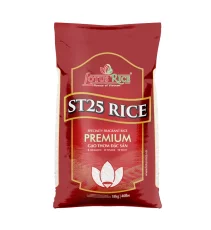
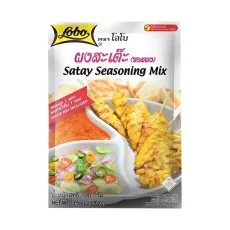
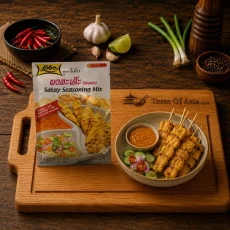
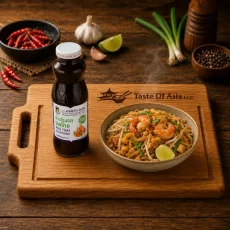
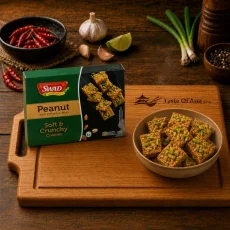
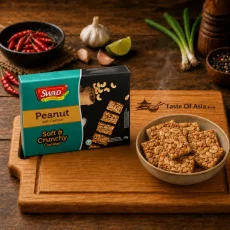
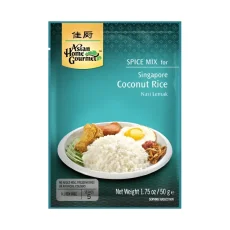
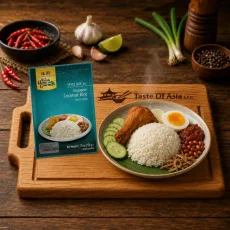
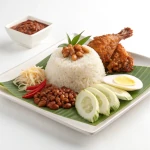
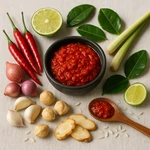
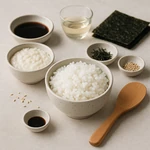
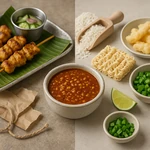
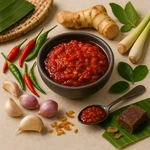
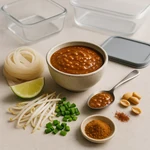
Nasi lemak is Malaysia’s iconic comfort meal: fragrant coconut rice served with spicy sambal, crunchy peanuts, salty fried anchovies, cucumber, and egg. This home-friendly version keeps the classic balance of creamy, hot, sweet, and crisp—perfect for brunch, lunch, or a quick “rice bowl” dinner.
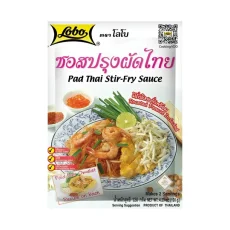
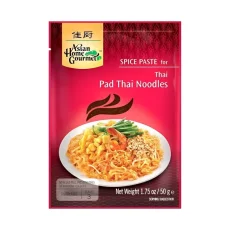
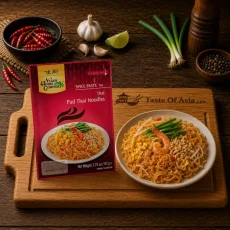
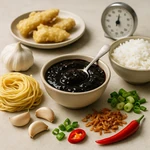
Pad thai, phat thai nebo phad thai jsou smažené rýžové nudle, v Thajsku běžně prodávané na ulici, které si určitě zamilujete pro svou jednoduchou přípravu a skvělou chuť.
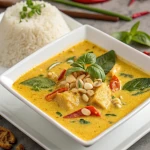
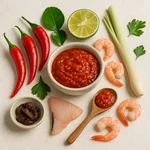
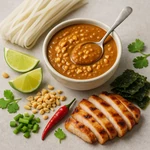
Panang curry is a Thai classic: rich coconut sauce, aromatic curry paste, and a gentle nutty depth that makes it feel luxurious without being complicated. This home-friendly version works with chicken, tofu, or seafood and comes together fast enough for a weeknight dinner.
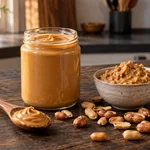
Immerse yourself in the world of this delicious ingredient, which not only tastes great but also offers a host of health benefits. Discover how it is made and what advantages it brings to your health and everyday diet!
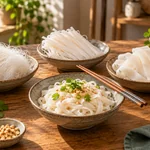
Discover the fascinating world of rice noodles! Whether it's delicate vermicelli noodles, wide slices, or tapioca varieties, these noodles are the basis of many Asian dishes. In our article, you will learn about their history, how they are made, and how you can incorporate them into your own culinary creations. Immerse yourself in traditional flavors and textures that will introduce you to the secrets of Asian cuisine!
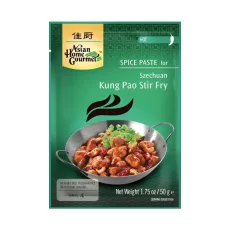
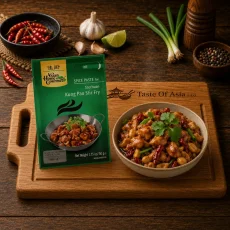
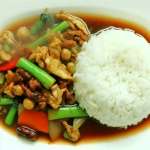
Kung Pao chicken is a classic Sichuan-style stir-fry built on contrasts: tender bites of chicken, crunchy peanuts, fragrant dried chilies, and that signature sweet-sour-salty heat. This version is streamlined for home cooking while keeping the bold flavor balance that makes Kung Pao so addictive.
Are you interested in how to use curry leaves in the kitchen? This aromatic ingredient is key to many Indian dishes. Read on to learn how to use curry leaves correctly for authentic and delicious food.
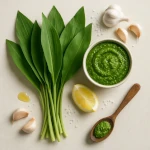
Wild garlic—also known as ramsons—is one of those short-season spring ingredients that can instantly make food taste brighter. It brings a fresh, leafy garlic character without the harsh bite of raw cloves, which makes it surprisingly easy to weave into quick Asian-style stir-fries, noodle dishes, coconut curries, and rice paper rolls.
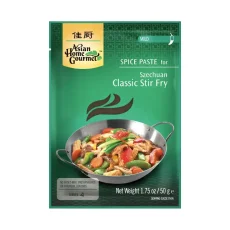
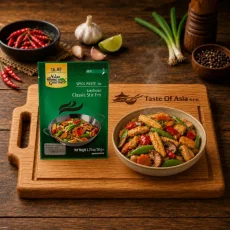
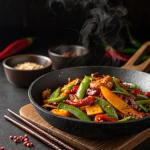
This Sichuan-style stir-fry is all about contrast: tender slices of chicken, crisp vegetables, and a bold, glossy sauce with chilli heat and that signature tingly “mála” kick from Sichuan peppercorns. It’s fast, weeknight-friendly, and easy to adapt to whatever you have in the fridge.
Papaya can be two completely different ingredients. Ripe papaya is sweet, soft, and great for bowls and drinks; green papaya is firm, crisp, and behaves like a vegetable—perfect for tangy, spicy salads and quick stir-fries. Here’s how to recognize the right one, prepare it without hassle, and make it taste great from the first try.
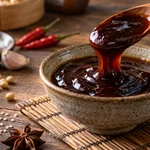
Hoisin sauce is the sweet-savoury, deeply aromatic condiment that can make a simple stir-fry taste restaurant-level in minutes. Learn what’s inside, what it pairs with, and how to avoid common mistakes—plus a few fast ways to use it beyond dipping.
Singaporean cuisine originated in a port city where different communities and their techniques have long met. Therefore, you won't find a single "national" pantry here, but a functional mix: rice and noodles, coconut, chili and sambal, soy and fish umami seasonings, aromatics like garlic and ginger – alongside ready-made pastes that have a clear role in specific dishes. In the article, you'll sort out what is typical for Singapore, what the main variants are, and how to start with these ingredients at home without unnecessary mistakes.
Indonesian cuisine is a huge island world – from Sumatra through Java to Bali – yet it has a few common ingredients that you recognize at the first taste. In this guide, you will find an overview of key Indonesian ingredients, their role in the food, main differences (especially in sambal, kecap manis, and coconut products), and a practical guide on how to cook with them without unnecessary mistakes.
In Asian cuisines rice is often not “something for the sauce,” but the very framework of the dish. With coconut rice (typically nasi lemak style) and sushi rice you can clearly see how dramatically flavor, texture and even what we consider a finished meal can change—simply depending on which rice you choose and how you treat it.
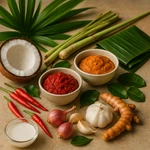
Malaysian cuisine is not a single uniform "national taste," but a practical mix of several traditions that meet and often blend in one territory and often even in one dish. This makes it all the more important to recognize the ingredients that keep reappearing in Malaysian cooking: rice and noodles, coconut, chili and sambal, aromatic herbs, tamarind and lime, and pronounced fermented marine components. In this article, we will arrange them according to their function, explain the differences, and add specific tips on how to start with them without unnecessary mistakes.
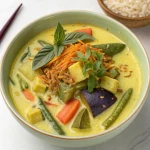
Sayur Lodeh is a comforting Indonesian-style vegetable curry made with coconut milk, aromatics, and a mix of everyday vegetables. It’s naturally plant-based, easy to adapt to what’s in your fridge, and tastes even better with steamed rice.
Malaysian cuisine cannot be reduced to one “typical” flavor. It is a living mix of Malay, Chinese, Indian, Peranakan and local Bornean influences – and you will often find them all on one plate. In this guide we will show you how to reliably recognize Malaysian taste, how it differs across dishes and regions, and how to practically construct its most important flavor pillars at home.
Asian street food is not just "food from the street." In many parts of Asia, it is an everyday way of eating, where speed, specialization, local identity, and especially taste "readable from the first bite" matter. That's why it is useful to distinguish market street food and home-style street food: at home, you usually won't replicate the same heat and rhythm of the stall, but you can very well imitate the flavor profile, the work with sauces, contrasts, and "right now" service.
Lovage is a powerful herb with a deep, savory aroma that many people associate with comforting broth. Used with a light hand, it can add “stock-like” richness to everyday meals—and it also fits surprisingly well in Asian-inspired dishes like noodle bowls, rice, and quick stir-fries.
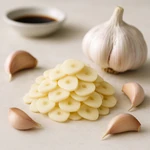
A few thin slices of garlic can do three jobs at once: perfume hot oil in seconds, add a pleasant bite to sauces, and bring a crunchy finish to noodles, rice, soups, and stir-fries. Here’s how to use garlic slices the way many Asian kitchens do—fast, controlled, and full of flavor.
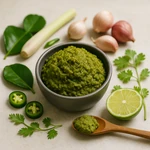
Thai green curry is one of those flavors that instantly fills the kitchen: fragrant herbs, lively chili heat, and a silky coconut base. Learn what “green curry” really means, how to handle curry paste for maximum aroma, and how to use it beyond a classic bowl of curry and rice.
Whole cinnamon sticks are one of those quiet “background” spices that can transform a pot of broth, curry, or rice without making the dish taste like dessert. Used the right way, they add warmth and depth; used too aggressively, they can turn woody and bitter. Here’s how to get the most aroma from whole cinnamon—cleanly, controllably, and with an Asian pantry in mind.
Tamarind is the ingredient behind that distinctive sweet-sour “tang” in many Asian dishes—from Pad Thai-style sauces to sour soups and chutneys. Here’s what tamarind actually is, how different tamarind products compare, and how to get the flavor right without guesswork.
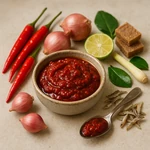
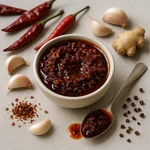
Chilli paste in oil is the “one-spoon upgrade” for weeknight noodles, rice bowls, soups, and stir-fries. It delivers heat, deep roasted aroma, and a flavour-carrying oil in one jar—so you can build a more complex taste without making a full sauce from scratch.
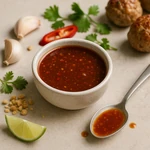
Meatballs are reliably good. The sauce is what makes them memorable: it adds aroma, keeps them juicy, and turns “just meatballs” into a dish you want to eat again tomorrow. Here’s a practical way to build a sauce that balances sweet–salty–sour–spicy, clings to the meatballs, and can lean Asian without feeling complicated.
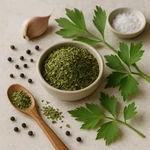
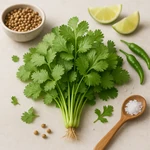
Coriander is one of those ingredients that can change the whole impression of a dish with almost no effort. The key is knowing which form you’re using—fresh leaves and stems (often called cilantro) or dried coriander seeds—because they behave differently, taste different, and belong at different moments in cooking.
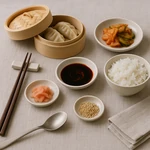
Serving is not just "nice extra dishes." For many Asian dishes, it directly determines how they will be eaten: whether they will keep the temperature, whether it will be easy to combine rice with sauce or broth with noodles, and whether the communal meal in the middle of the table will work naturally or chaotically. In this article, you will find a practical home model that makes sense even without collecting and without the feeling that you need a complete exotic set.
Fast Asian meals are not a "simplified restaurant," but a distinct world built on quick finishing, bold flavors, sauces, and texture. Once you understand the main formats (noodles, rice bowls, soups, cold dishes), you can make smart choices at home – and realistically fit into 30 minutes without compromising on taste.
Indonesian cuisine is not a single "national taste," but a broad family of regional styles spread across a vast archipelago. Yet, it repeatedly returns to several fixed points: rice as the center of the meal, chili and sambal, sweet-salty depth thanks to kecap manis, aromatic pastes, and coconut, which can both soften and intensely concentrate the flavor. In this article, we will put these pillars together so that when cooking at home for the first time, you know what you are actually looking for and why it tastes "Indonesian."
“Street food style at home” is not about copying stalls to the last detail. It’s about understanding why Asian street food works: speed, clear flavor, sauces and final seasoning, contrast of textures, and serving immediately without unnecessary complexity. The article contains a practical guide on how to transfer this logic to the home kitchen – even if you don’t cook from scratch.
Cooking for more people on a workweek is less about “perfect recipes” and more about how to smartly build a meal: so it’s satisfying without feeling heavy, and can be easily adjusted to the tastes at the table. In many Asian cuisines this practicality is natural – based on a bowl or plate where there is a place for a base, a protein, vegetables, freshness, acidity, texture and precise seasoning.
Cookies
This site uses cookies to provide services, customize ads, and analyze traffic. Your consent to the use of cookies will significantly help us to improve our services. More information



 Česky (CZK)
 Slovensky (EUR)
 Deutsch (EUR)
 Austria
 Belgium
 Bulgaria
 Croatia
 Denmark
 Estonia
 Finland
 France
 Germany
 Greece
 Hungary
 Italy
Italy Latvia
 Lithuania
 Luxembourg
 Netherlands
 Poland
 Portugal
 Romania
 Slovenia
 Spain
Spain Sweden