


 Česky (CZK)
 Slovensky (EUR)
 Deutsch (EUR)
 Austria
 Belgium
 Bulgaria
 Croatia
 Denmark
 Estonia
 Finland
 France
 Germany
 Greece
 Hungary
 Italy
Italy Latvia
 Lithuania
 Luxembourg
 Netherlands
 Poland
 Portugal
 Romania
 Slovenia
 Spain
Spain Sweden










The taste of Malaysian cuisine: how to recognize it, why it is so diverse and how to build it at home
Malaysian cuisine cannot be reduced to one “typical” flavor. It is a living mix of Malay, Chinese, Indian, Peranakan and local Bornean influences – and you will often find them all on one plate. In this guide we will show you how to reliably recognize Malaysian taste, how it differs across dishes and regions, and how to practically construct its most important flavor pillars at home.
How to recognize Malaysian taste in the first bite
Malaysian flavors often come across as full, vibrant and “rounded”. This does not necessarily mean it is always spicy or heavy – rather that it works with several pronounced layers that balance and alternate with each other.
- Coconut softness – often as a creamy base (for example in dishes built on coconut milk).
- Sambal or chili heat – the heat is often “present,” but can be dosed from a mild tingle to a very hot dish.
- Saltiness and umami – deep, not just “salty”; often from sauces and fermented components.
- Herbal aromatics – typically a mix of aromatics that gives the dish character and “lifts” it.
- Sourness – often from tamarind or lime; it is precisely the acidity that makes the coconut and chili layers not feel heavy.
- Contrast within one dish – Malaysian dishes often function as a combination of broth, dip and side, or as a plate with several accompaniments that change each bite.
Important note on expectations: Malaysian cuisine is not flavor-uniform. Assam laksa, nasi lemak, chicken rice and banana leaf rice belong to the same country, but taste and “work” completely differently.
What exactly “Malaysian cuisine” means (and why it's not worth looking for a single universal flavor)
Asia is not one cuisine – and in Malaysia this is doubly true. Malaysian cuisine is a practical collection of multiple traditions that have met in the same territory for centuries. Alongside the Malay base, it bears strong imprints of Chinese, Indian, Peranakan and also local Bornean influences.
This has a very concrete consequence for flavor: instead of one “signature” taste you get a system, where different flavor logics coexist side by side. In some places coconut and sambal dominate, elsewhere acidity and broth, and elsewhere a pure umami line and simple accompaniments.
Island and port flavor axis: Malaysia and Singapore between Indonesia and the Philippines
For quick orientation it is useful to perceive Malaysia within the broader “island and port” space of Southeast Asia, where cuisines long influence each other through migration and trade. In practice this helps to understand, what is typical of Malaysian taste and what, on the other hand, is characteristic of the neighbors.
- Indonesia is often associated with sambals, a sweeter soy line like kecap manis, with coconut and soy products such as tempeh. (This is a useful comparison mainly because of sambal and the handling of spiciness.)
- The Philippines are for many people “sour” and vinegary, with an emphasis on pronounced acidity (often from vinegar) and citrus freshness (e.g. calamansi); a typical concept people encounter is adobo.
- Malaysia and Singapore often meet in urban, hawker (street-food) energy and in dishes where influences mix in one space – typically in dishes like nasi lemak or laksa, with a strong role for sambal and a “mix of influences.”
This comparison is not a competition about which cuisine is “better.” It is a map of expectations: if you are looking for coconut-sambal fullness, you are often close to Malaysia; if you are looking for a purely vinegary acidity, the logic will be elsewhere.
Main culinary branches: the Malay tradition vs. the Malay-Chinese cuisine (and where laksa fits in)
👃 Malay branch: coconut, sambal, aromatics and festive depth
In the Malay branch you often encounter a combination of coconut milk, chili/sambal, aromatics and layered flavors so that the dish feels rich yet lively.
- Nasi lemak: rice cooked in coconut milk (often with pandan), served with sambal and accompaniments like anchovies, peanuts, egg and cucumber. It is precisely the accompaniments that make the dish a “Malaysian” experience: every bite is a little different.
- Satay: grilled skewers where the key is the marinade, smokiness and peanut dip. The point is not “meat on a stick,” but the interplay of aroma, grill and sauce.
- Rendang: a slowly prepared dish where the meat is long reduced and soaked in coconut milk and a spiced paste. In the Malaysian context it is also important as a celebratory dish.
Malay-Chinese branch: rice, noodles and a cleaner umami logic
The strong Chinese imprint in Malaysia manifests, among other things, in an emphasis on rice and noodles and on dishes where flavor stands on a good base and umami, sometimes with a less “coconut” line.
- Chicken rice (nasi ayam): a good example of Chinese tradition in the Malaysian setting – often a combination of rice, meat and accompaniments where details and seasoning decide.
- Char kway teow (typically associated with Penang): an “urban” noodle dish where the wok and pronounced seasoning play a role.
Laksa as a shortcut to Malaysian diversity: sour vs. coconutty
Laksa is one of the best examples of why Malaysian taste cannot be summed up in one sentence. There are distinctly different types – for example sour assam laksa and more coconutty curry laksa. One dish, but two different flavor worlds: in one acidity and a “broth” logic prevail, in the other coconut fullness and spiciness.
Where the taste changes the most: Penang, Melaka, Kuala Lumpur, the east coast, Sabah and Sarawak
For Malaysian cuisine it makes great sense to think regionally as well. Not to memorize the map, but because regions often hint at what type of flavor to expect.
Penang
Penang is often perceived as the culinary capital of Malaysia, with a strong Chinese, Peranakan and hawker tradition. It is here that assam laksa, but also dishes like char kway teow and sweet treats like cendol or nyonya kuihare often associated.
Melaka
Melaka is key to understanding Peranakan cuisine – a place where the connection between Chinese and Malay influences is very visible. The region is also associated with specific specialties like chicken rice balls or asam pedas.
Kuala Lumpur and the central area
A very multicultural urban environment where Malay, Chinese and Indian directions meet. If you want to see “Malaysia as a whole” in one dining space, urban environments often make that possible.
Northeast and the east coast
Here you will often find a stronger role for more traditional Malay dishes, herbs, fish, rice and local regional specialties. In terms of flavor this can mean a different balance – for example a greater emphasis on local aromatics and seafood ingredients.
Sabah and Sarawak (Borneo)
East Malaysia on Borneo adds another layer – alongside peninsula dishes local traditions also apply, expanding Malaysian cuisine with additional directions and ingredients.
Practical onboarding: how to build Malaysian flavor at home (without cooking “just coconut”)
If you want to understand Malaysian cuisine at home, the quickest way is not to look for one universal recipe, but to learn to assemble several recurring flavor roles. Here is a practical procedure that works for many dishes from “coconutty” to “broth-based.”
1) Choose the base: rice or noodles
Malaysian cuisine relies heavily on rice and noodles. For a home start it is practical to choose one “rice” dish (for example in the nasi lemak direction) and one “noodle” dish (for example some laksa). That alone will show you two different flavor logics of one country.
👃 2) Build an aromatic base and don’t over-salt it at the start
Typical aromatics revolve around ingredients like lemongrass, galangal, garlic and shallot. Even if you are not cooking an exact recipe, keep this rule in mind: aromatics are meant to “open up” and perfume the dish, not make it salty immediately.
3) Use coconut as texture and body, not as the only flavor
Coconut milk is common in Malaysia, but by itself it is more of a gentle carrier. A practical guideline amount for 2 portions of sauce or soup base is about 200–300 ml of coconut milk depending on how “creamy” a result you want. If you feel the dish is only heavy and flat, it almost always lacks acidity or saltiness/umami in a reasonable dose.
🍳 4) Spiciness: add sambal gradually (so you have control)
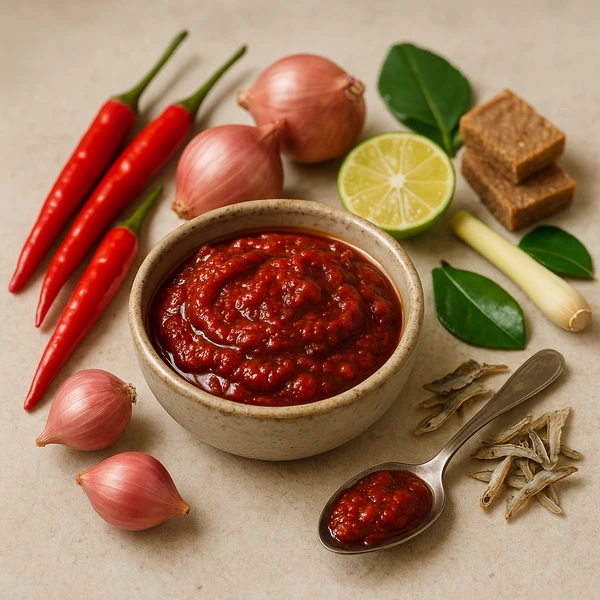
Sambal is not just “chili.” In practice it is a way to bring heat into the dish, often also saltiness and character. If you want a quick, clean and easy-to-dose spicy component at home, something like chili paste Sambal Oelekcan serve.
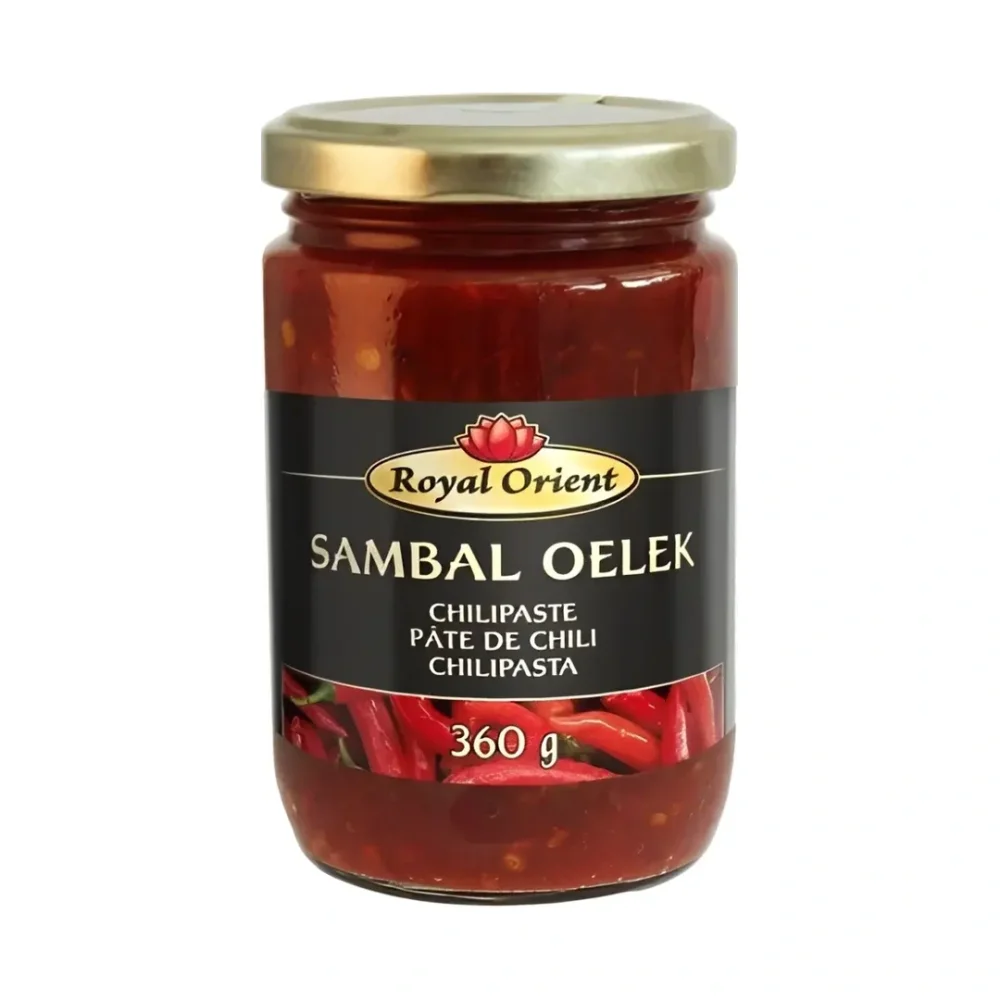
- Start cautiously: for 2 portions of sauce or soup base try 1 teaspoon, mix and only then add more.
- When it “burns sharply but doesn’t taste,” balancing helps: a few drops of lime/tamarind and a bit of saltiness/umami often do more than more chili.
5) Acidity: tamarind or lime are not a detail, but a counterpoint to coconut
Malaysian cuisine often uses acidity from tamarind or lime. Practically: once you have a coconut base and chili, add the acidic component in small amounts and watch when the flavor “lifts” and stops feeling heavy. Roughly for 2 portions start with about 1–2 teaspoons acidic components (according to their strength) and adjust.
6) Umami and saltiness: fermented marine ingredients are a small thing with a big effect
Typical Malaysian ingredients also include fermented fish and shrimp products. They can give a “Malaysian depth” even to a simple base, but it's easy to overdo them.
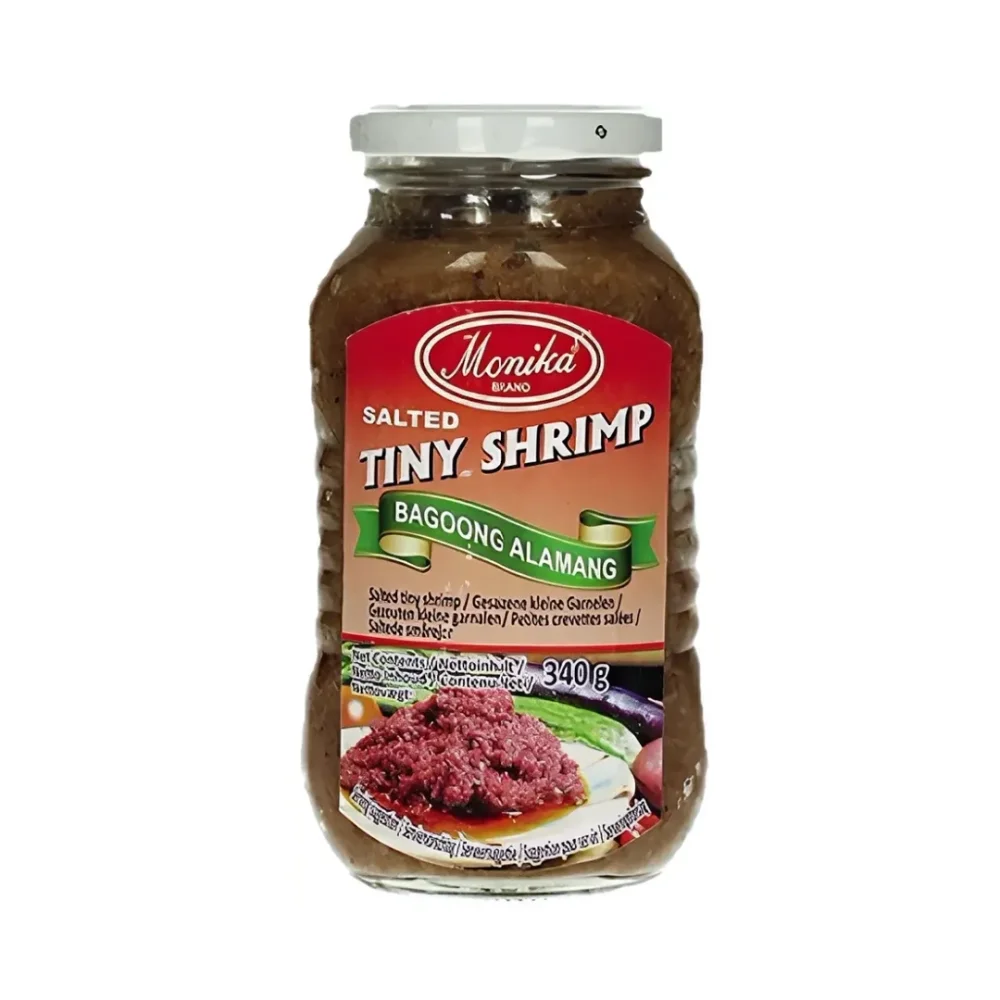
If you want to understand their intensity with a concrete example, salted salted shrimp used as a seasoning: add truly a pinch at a time and always let it simmer/release its aroma for a moment before reaching for another dose.
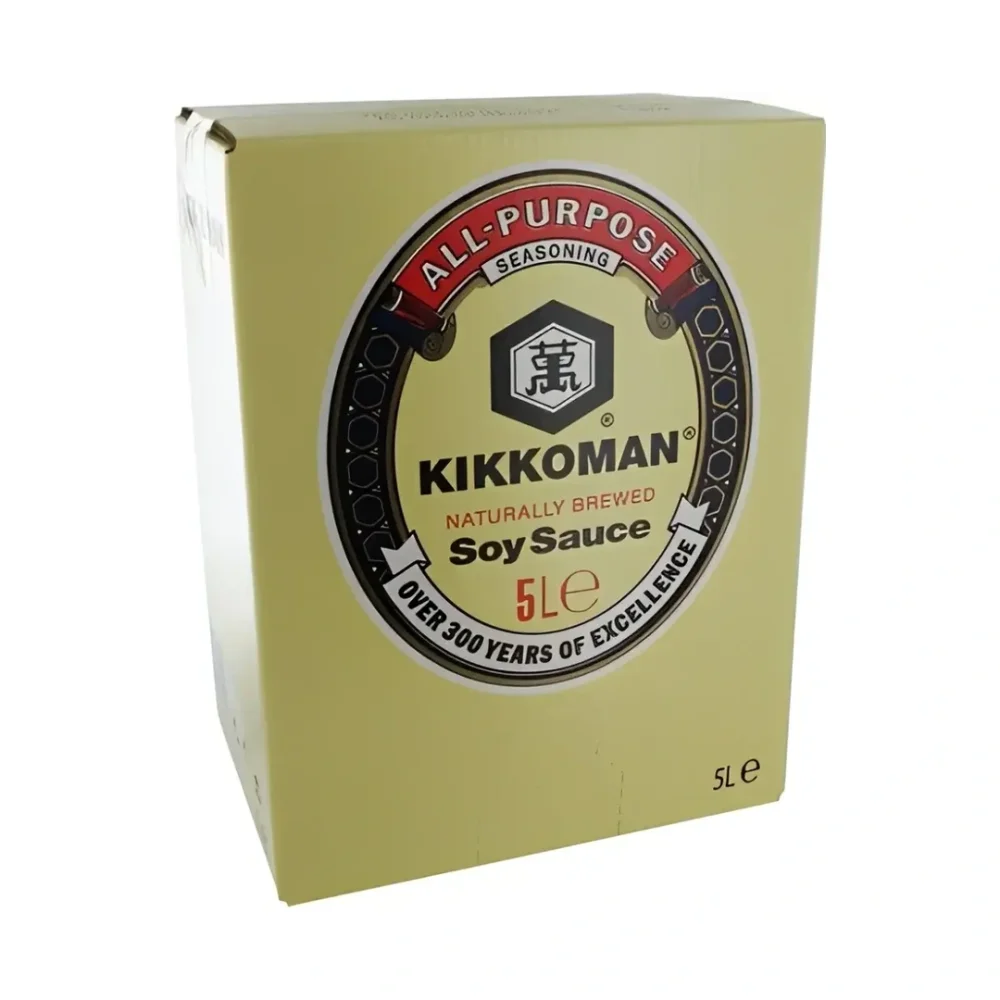
If you don't want to use fermented marine ingredients right away, you can build a home umami line on soy sauce (just expect the flavor result to be “cleaner” and less marine-fermented). A practical universal choice can be, for example, Kikkoman soy sauce. And if you want to try different styles, the category can serve as a hub: other soy sauces.
🍽️ 7) Don’t forget the “Malaysian” contrast in serving
In dishes like nasi lemak the flavor effect is often in what surrounds it: something spicy (sambal), something crispy (peanuts, anchovies), something fresh (cucumber) and something filling (rice, egg). Even if you’re not making the exact version, this principle of contrast is very Malaysian and worth trying.
💡 Common mistakes and what to watch out for
- Expecting one “typical” flavor: Malaysia is not uniform. If one laksa doesn't suit you, it doesn't mean you “don't like Malaysian” – you may have encountered a different type (e.g., sour vs. coconut).
- “Malaysian = only coconut”: coconut without acidity and without umami often feels heavy and flat. In Malaysian logic coconut is often balanced by acidity (tamarind/lime) and salty depth.
- Overdone fermentation: shrimp/fish fermented products are extremely concentrated. When overused, the dish can only be “fixed” by dilution and a new batch of base.
- Spiciness without flavor: if you add too much chili and the dish is only hot, it helps to restore balance – coconut creaminess, acidity and saltiness/umami.
- Confusing “sambal” for a single specific sauce: sambal is a broader category of chili seasoning. Some versions are purely chili, others more complex. That's why it's worth dosing and tasting, not just “pouring”.
Takeaways from the article
- Malaysian flavor tends to be full, lively and rounded: it often combines coconut, chili/sambal, umami, herbal aromatics and acidity from tamarind or lime.
- There is no single Malaysian “typical” flavor: dishes like assam laksa, nasi lemak and chicken rice work completely differently flavor-wise.
- It makes sense to perceive the main branches (Malay vs. Malay-Chinese) and also the regions (Penang, Melaka, Kuala Lumpur, the east coast, Sabah and Sarawak).
- At home the Malaysian profile is best learned through roles: base (rice/noodles), aromatics, coconut, heat, acidity and umami – and through contrast in serving.

Read next
If you want to explore this topic further, continue with these related blog guides and articles:
