


 Česky (CZK)
 Slovensky (EUR)
 Deutsch (EUR)
 Austria
 Belgium
 Bulgaria
 Croatia
 Denmark
 Estonia
 Finland
 France
 Germany
 Greece
 Hungary
 Italy
Italy Latvia
 Lithuania
 Luxembourg
 Netherlands
 Poland
 Portugal
 Romania
 Slovenia
 Spain
Spain Sweden










Influences in Malaysian cuisine: how the Malay base, Chinese wok, and Indian spices meet
Malaysian cuisine is hard to describe in one sentence because it is not "one" – it is a practical mix of several cuisines that historically met in one territory. These influences (Malay, Chinese, Indian, Peranakan, and Bornean) explain why coconut rice plates, broth noodle soups, and richly spiced dishes coexist – and why it makes sense to learn to read them as different culinary branches.
What "influences" mean in Malaysia (and why it’s key to orientation)
When people talk about influences in Malaysian cuisine, it’s not just about "a few adopted ingredients." According to the knowledge base, Malaysia is a multicultural whole: on a Malay base stands a very strong Chinese and Indian line, along with Peranakan tradition blending and other local layers (including East Malaysia on Borneo).
For practice, it is important to accept a simple shift: don't try to find one "typical Malaysian flavor," but rather understand, which branch you are eating right now. This will help you understand why sometimes the main theme is coconut and sambal, other times wok and noodles, and other times richly spiced thickness.
Why Malaysian cuisine is so diverse: people, geography, and trade
The knowledge base describes three major sources of diversity that combine in Malaysia:
- Ethnic and cultural variety: different communities bring their techniques and dining "habits" – and in Malaysia, there is no copy of original cuisines but a local form rooted in the place.
- Geography and regions: the difference is not just "city vs. countryside," but also peninsular areas versus East Malaysia on Borneo, plus very distinct local scenes.
- History of trade and migration: throughout Asia, maritime trade routes and ports played a crucial role, where tastes mixed (spices, aromatic ingredients, techniques). The broader Asian cuisine also includes a later "newer layer" of some crops – typically chili, which historically arrived in Asia later (Columbian exchange).
The result? Malaysian food can be coconut and mild, sour and spicy, broth-based and light, or wok-fried and smoky – but good Malaysian dishes are not chaotic. According to the knowledge base, they tend to have a clear identity (coconut, sour, sambal, broth, or wok).
Main culinary branches: Malay, Chinese-Malay, and Indian-Malay layers
Malay cuisine: rice plates, coconut, herbs, and sambal
The Malay branch is seen as the basic home and cultural layer. The knowledge base emphasizes rice plates, coconut milk, sambal, herbs, curry, fish, and chicken – and also that Malay dishes often relate to both everyday and festive dining and shared meals.
Typical examples mentioned are nasi lemak, rendang, satay, sambal or ikan bakar.
Malaysian Chinese cuisine: wok, noodles, broths, and kopitiam culture
The Chinese influence is exceptionally strong according to the knowledge base – and it is crucial that it is not a "copy of China," but a Malaysian-rooted form of Chinese cooking. Here you typically encounter wok frying, noodles, tofu, broths, roasted meats, dim sum world, and also kopitiam culture.
Representative directions mentioned include chicken rice, char kway teow, wonton mee, bak kut teh, Hokkien mee and various kopitiam breakfasts.
Malaysian Indian cuisine: distinct and visibly present line
The Indian line is very important in Malaysia according to the knowledge base and "very visible" in everyday life. (The knowledge base no longer specifies particular types of dishes here, so it is fair to say: it is another separate branch with its own logic of spices, techniques, and flavors.)
Peranakan and regions: where influences are best seen (Penang, Melaka, KL, east, and Borneo)
Besides "culinary branches," a strong regional layer also functions in Malaysia. The knowledge base mentions several areas especially useful for understanding influences:
Penang: hawker energy and a mix of Chinese and Peranakan traces
Penang is often called the culinary capital of Malaysia. It is known for strong Chinese, Peranakan, and hawker traditions. Typical dishes include assam laksa and char kway teow (and sweets like cendol and nyonya kuih).
Melaka: key to Peranakan blending
Melaka is described in the resources as a crucial place for understanding Peranakan cuisine – here the blending of Chinese and Malay influences is clearly visible. Local specialties mentioned include chicken rice balls and asam pedas.
Kuala Lumpur and central region: Malaysia "in one space"
Kuala Lumpur and the central region are described as a very multicultural urban environment, where Malay, Chinese, and Indian directions meet – and where it is often easiest to see Malaysia as a whole.
Northeast and east coast + Sabah and Sarawak: additional layers beyond the best-known "peninsular" image
The resources mention that the northeast and east coast play a stronger role for more traditional Malay dishes, herbs, fish, and rice. And that Sabah and Sarawak (East Malaysia on Borneo) add another layer – alongside peninsular dishes, local traditions play a big role here (details are not further elaborated in the resources).
Practically: how to recognize influences on the plate (and how to start at home without stress)
The fastest way to get oriented in Malaysian cuisine is to look at the food as "signals" pointing to the branch and flavor logic:
- Rice vs. noodles: Malaysia depends on both. Rice plates often point to the Malay layer; noodles, broths, and wok style often indicate Chinese-Malay cuisine.
- Coconut milk + sambal + aromatics: a frequent motif in the Malay layer (and generally in part of Southeast Asia). When you want to "understand Malay logic" at home, pick one dish where coconut and spiciness/flavoring are clearly readable, and do not mix other directions at once.
- Sourness vs. broth: even within one category (for example laksa), significantly different types exist. Practical advice: when you encounter a dish name, don’t automatically assume one flavor. Rather, find out what type the particular variant is.
Mini-onboarding for home cooking: one principle, one dish, one "table" seasoning
If you want to start at home and also get a feel for influences in practice, stick to a simple structure:
- Choose one branch (Malay coconut rice / Chinese-Malay wok noodles / broth style) and don’t mix everything together on your first try.
- Maintain a clear identity of the dish: according to the knowledge base, this is typical for Malaysian cuisine. Practically, it means: if you go the "coconut" route, let the coconut stand out and add spiciness gradually (e.g., in small doses, taste and adjust).
- Expect "seasoning at the table": sambal and similar seasonings are not just ingredients for the pot – often they are tools for each person to adjust intensity.
Island and port axis for quick orientation: Malaysia vs. Indonesia vs. Philippines
In the Southeast Asian port area, tastes often resemble each other in ingredients but differ in logic. If you enjoy comparing and "calibrating" flavor, this orientation helps:
- Indonesia: according to the knowledge base, important are sambal, the use of aromatic pastes, frequent coconut and also a specific sweet-salty depth through seasonings like kecap manis; tempeh and tofu also play a significant role. tempeh and tofu.
- Philippines: typical is a strong axis of sourness + saltiness, common use of vinegar and important seasoning through fish/soy and fermented components; a notable dish mentioned is adobo and a typical sour ingredient is calamansi.
- Malaysia (and its urban "hawker" world): the themes repeat in the resources nasi lemak, laksa, sambal, rice, and noodles – and mainly that the individual cultural layers meet side by side here (and sometimes even in one dining day).
The point of this comparison is not to find out "who took from whom," but to more quickly recognize, what flavor experience to expect and which branch to choose if you want a particular style: coconut mild, sour, richly spiced, broth, or wok.
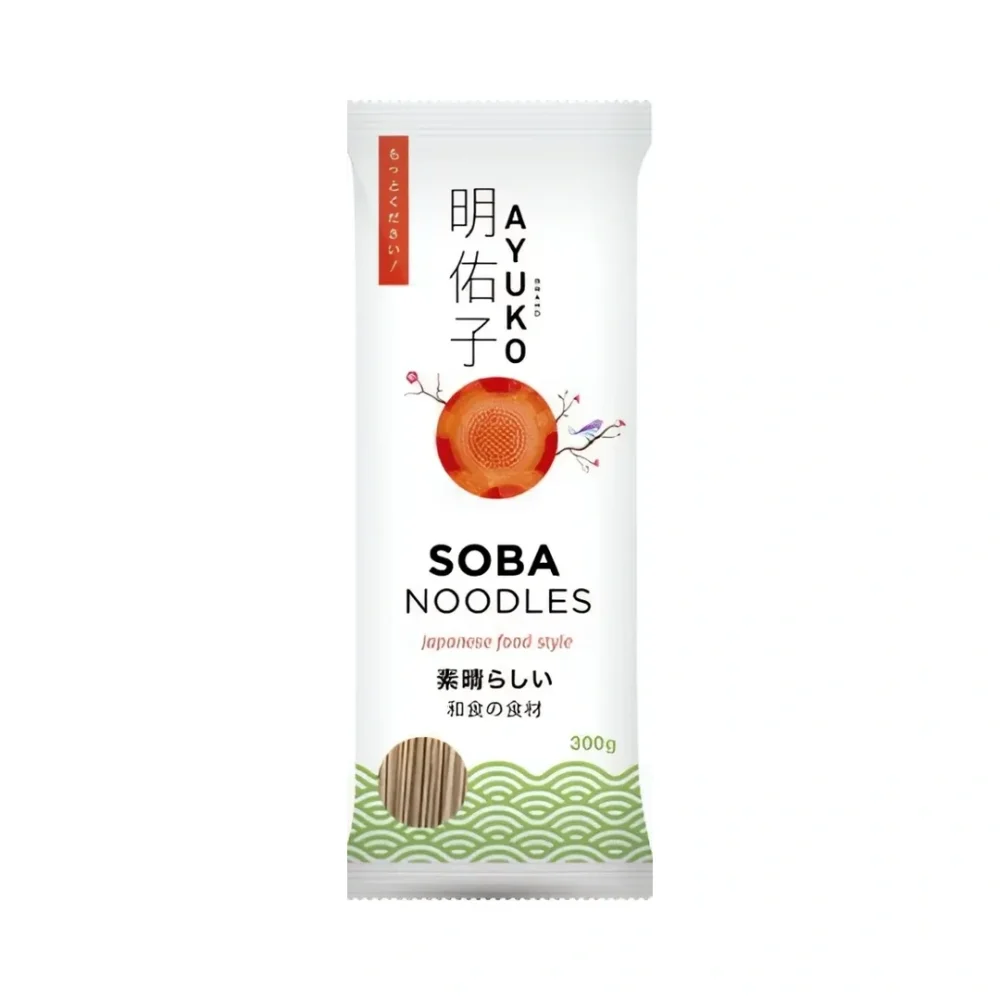
If you want to practice the wok principle typical for the Chinese-Malay branch at home, you can do it even with noodles you have on hand. For the technique of quick tossing and seasoning, even soba noodles can serve (flavor-wise, it won’t be an authentic char kway teow, but as training of the "wok logic" it works).
The most common misconceptions: what people think wrong about Malaysian cuisine
The knowledge base names several misconceptions that cause the biggest confusion in Malaysian cuisine. Here they are, with explanations why it’s good to abandon them:
- "Malaysian cuisine is one." It is not. It’s a multicultural whole made up of several culinary traditions. Practical consequence: one "typical Malaysian dish" does not explain the rest.
- "It is basically Thai or Indonesian cuisine." It is not. It shares some ingredients and techniques with the surroundings but created its own local system of dishes and combinations.
- "Nasi lemak is just coconut rice." It is not. It’s a whole dish and a cultural symbol, not just a side dish. Practically: when you learn about it, treat it as a "complete plate," not just one ingredient.
- "Laksa is one dish." It is not. There are markedly different types of laksa, each with a different logic. Practically: always consider the variant according to region and style.
- "Malaysian food is just street food." Street food and the hawker world are important, but alongside them there is also strong home and festive cuisine.
What to take away from the article
- "Influences" in Malaysian cuisine are not decoration – they are full culinary branches that determine techniques, ingredients, and flavor.
- The best orientation is through specific branches: Malay (rice, coconut, sambal), Chinese-Malay (wok, noodles, broths), and Indian-Malay (distinct spicy line).
- Regions like Penang and Melaka show how influences compose in practice: hawker tradition, Peranakan blending, and local specialization.
- In Malaysian cuisine, it is normal that a known name does not mean one flavor (typically laksa). Always look for "what type" the variant is.
- If you want to start at home, stick to one direction at a time and let the dish have a clear identity: coconut, sour, sambal, broth, or wok.

Read next
If you want to explore this topic further, continue with these related blog guides and articles:
