


 Česky (CZK)
 Slovensky (EUR)
 Deutsch (EUR)
 Austria
 Belgium
 Bulgaria
 Croatia
 Denmark
 Estonia
 Finland
 France
 Germany
 Greece
 Hungary
 Italy
Italy Latvia
 Lithuania
 Luxembourg
 Netherlands
 Poland
 Portugal
 Romania
 Slovenia
 Spain
Spain Sweden










Taste of Indonesian cuisine: sambal, kecap manis, coconut, and rice as the center of the meal
Indonesian cuisine is not a single "national taste," but a broad family of regional styles spread across a vast archipelago. Yet, it repeatedly returns to several fixed points: rice as the center of the meal, chili and sambal, sweet-salty depth thanks to kecap manis, aromatic pastes, and coconut, which can both soften and intensely concentrate the flavor. In this article, we will put these pillars together so that when cooking at home for the first time, you know what you are actually looking for and why it tastes "Indonesian."
How to recognize the "Indonesian taste" (without unnecessary mystique)
When food is meant to feel Indonesian, it typically relies on several flavor agreements that vary slightly between regions and dishes:
- Rice is not a side dish, but the basic axis of the entire plate. Many sauces and side dishes are designed to be eaten with rice, which balances spiciness, saltiness, and fried elements.
- Chili and sambal are not just a "spicy dot," but a standalone flavor component that provides energy, aroma, and often a distinct texture to the dish.
- Kecap manis (sweet Indonesian soy sauce) shifts the flavor to a sweet-salty depth. In some dishes, it creates a "darker" impression typical for Indonesia (for example, in fried rice).
- Aromatic pastes and bases (usually a combination of chili, shallots, garlic, and aromatic roots/herbs in practice) form the fragrant core of the dish – it's not just about "adding spices at the end."
- Coconut (especially coconut milk) provides fat, roundness, and gentle sweetness; in some preparations, it can concentrate flavor into a very rich, festive profile.
Often, other typical "colors" of the Indonesian pantry are added: terasi (fermented shrimp paste), tamarind, lime, lemongrass, galangal, turmeric, peanuts and peanut sauces, as well as the soy world of tempeh, tofu, and other ingredients.
Why Indonesia tastes different every time: a quick map of regions
Indonesia is a huge island archipelago – and geography is a big part of the answer to why Indonesian cuisine is so diverse. Although it shares common pillars, regions assemble them differently.
Sumatra: stronger, spicier, and often "more coconutty"
Sumatra is associated with stronger spices and a cuisine where coconut can play a big role. Rendang rendang – slowly reduced meat in coconut milk and spiced base, which gradually turns into a deep, concentrated (and often festive) dish. The region also strongly features spicy sauces, fish, and beef, and stronger external influences may appear in the flavor.
Java: everyday Indonesia, street food, and sometimes a sweeter profile
Java is essential for the "everyday" form of Indonesian cuisine. Here you find nasi goreng (fried rice), various types of soups like soto, dishes like gudeg and a wide world of street food. In some areas (especially in central Java and around Yogyakarta), food may taste a bit sweeter – this is where you can understand well why kecap manis and sweet-salty balancing are important for Indonesia.
Bali and Lombok: strong identity, grilling, and spicier directions
Bali has a specific identity due to its different cultural environment and a different approach to meat. Lombok and some surrounding areas are known for spicier and more pronounced profiles, with a strong role for chili, grilling, and local spice blends.
Sulawesi and the east: fish, sea, spiciness, and sourness
Sulawesi offers distinct fish and seafood cuisines and also regional dishes like coto Makassar. The flavor might include spiciness and sourness. There is also a wide world of eastern regions (Kalimantan, Maluku, Papua, and others), which only confirms that Indonesia is more of a "continent of flavors" than a single template.
On which dishes you best understand the taste of Indonesia
If you want to orient yourself quickly, it is helpful to take several representative dishes as "flavor milestones." These are not recipes – rather, what to notice about them.
Nasi goreng: fried rice, but with Indonesian logic
Nasi goreng is fried rice, but its magic lies in the aromatic base, in kecap manis and how the supplements and toppings are combined. Compared to some Chinese versions, it often appears darker and sweet-saltier – and this is a good "imprint" of Indonesia.
Rendang: coconut as a carrier of depth and concentration
Rendang (west Sumatra) is a textbook example of how coconut milk and spiced base can create a deep, concentrated flavor. The principle of long reduction is important – the flavor isn't a "coconut soup," but a gradually thickened, aromatic world.
Satay / sate: it's not just skewers, but marinade, grill, and sauce
Satay is its own universe in Indonesia: it’s not just "meat on a stick." The key points are the marinade, the way of grilling, the sauce, and regional variations (differences between Madura, Padang, Java, and other areas). Satay is good for understanding Indonesian flavor perception because it shows how intensity is handled – and how rice usually "calms things down."
Gado-gado: a salad that is actually a full meal
Gado-gado is not a light "fitness salad." It is a complete meal where boiled and raw vegetables and a bold sauce (often peanut) play a role. It’s a good contrast to the idea that Indonesian cuisine is only fried and spicy: it can be “vegetable-based” yet still emphasize richness and sauce.
How to start at home: 3 practical starters (and why they work)
Indonesian cuisine is best learned at home through simple plate logic: rice + distinct main flavor + chili component + something fresh. Below are three entries that will quickly teach you what is typical for island Southeast Asia – and won’t overwhelm you with ten new ingredients at once.
👃 1) Nasi goreng as training for aromatic base
For first attempts, it’s useful to use a ready-made base because it shows you the right direction in aromatics. The practical procedure is simple: briefly fry the paste and mix it with cooked rice; then adjust the extras (egg, vegetables, meat) according to your taste.
- Koningsvogel Chilli paste Nasi Goreng – the chili paste that is used precisely by frying it and mixing it with rice and other ingredients.
- AHG Pasta for Nasi Goreng rice – ready pasta for quick fried rice; the usage principle is the same (fry, mix with rice).
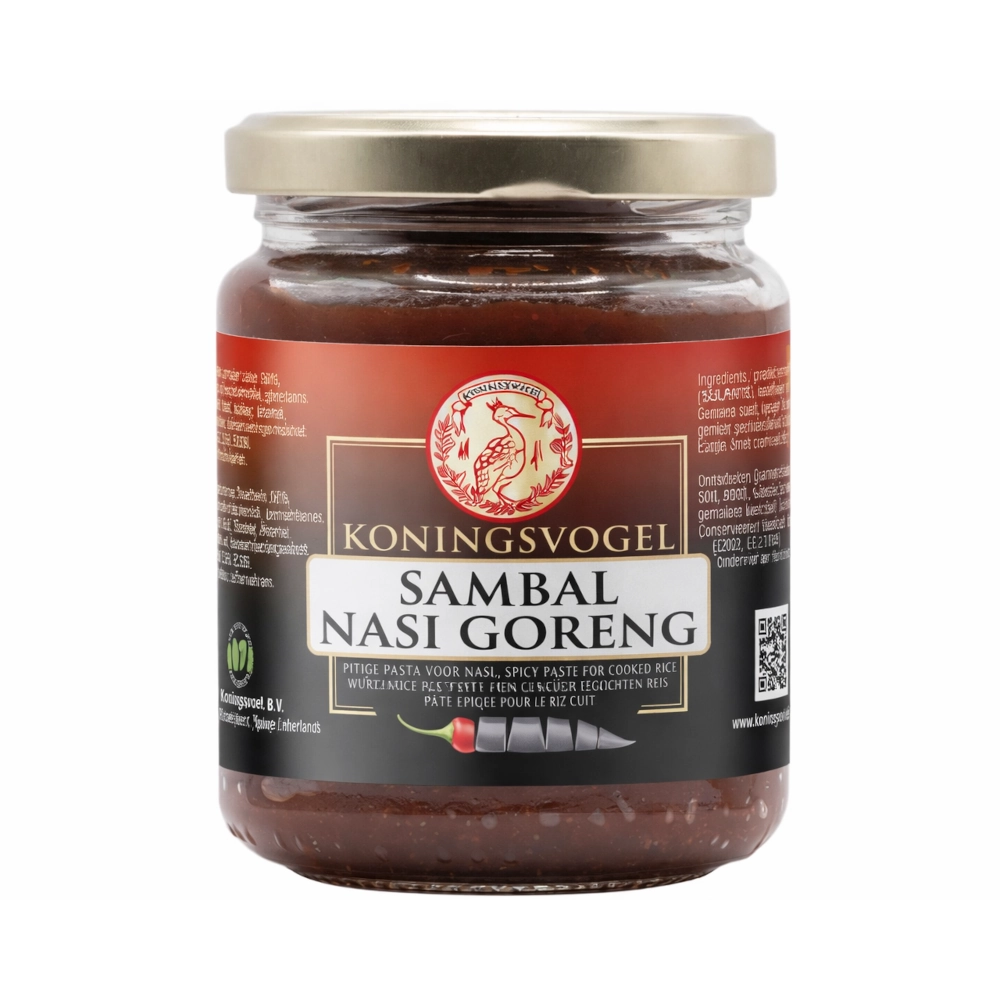
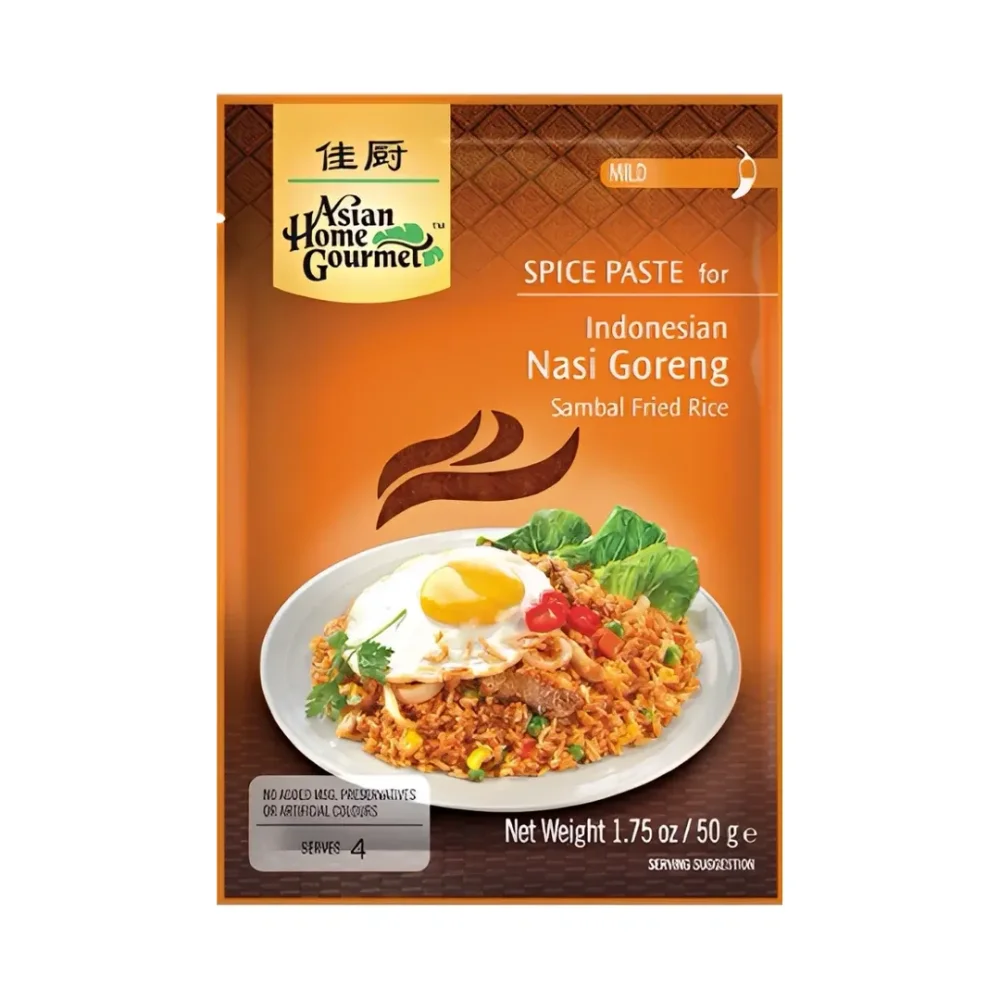
How to dose it safely: always start with a smaller amount and add little by little. With chili pastes, spiciness often develops gradually in heat and fat – what seems "okay" when tasted on a spoon can be much stronger after mixing in the pan.
2) Coconut sauces: when you want gentleness but not blandness
Coconut in Indonesian (and nearby Malaysian/Singaporean) cuisine often works paired with spices and aromatic pastes: it adds fat, binds aromas, and helps "spread" the spices throughout the dish. However, the difference between coconut products in flavor is huge – a thin product will make a watery sauce, a fuller one creates a truly creamy base.
A good category for choice is coconut milk. Practical guides: shorter and readable ingredient list, reasonably full taste, and the fact that natural separation of fat and liquid is not a defect (on the contrary, it often means the coconut component "knows what it’s doing").
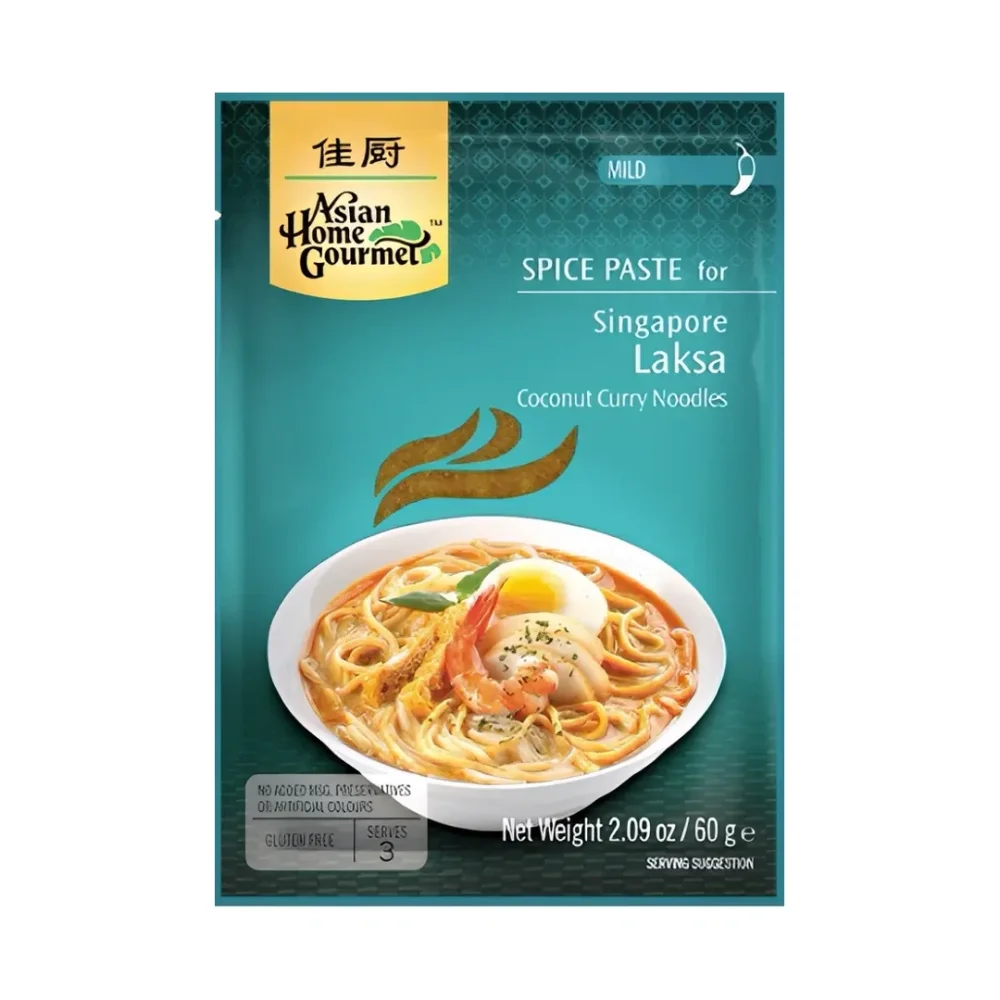
If you enjoy coconut noodle soups and want to try the neighboring island axis (Malaysia/Singapore), a quick entry is a ready base for laksa: AHG Coconut Curry Noodle Laksa PasteIt’s a practical way to understand the combination "aromatic paste + coconut milk" without having to source every single ingredient separately.
3) Comparison of island flavors: Indonesia vs. the Philippines (sourness and vinegar)
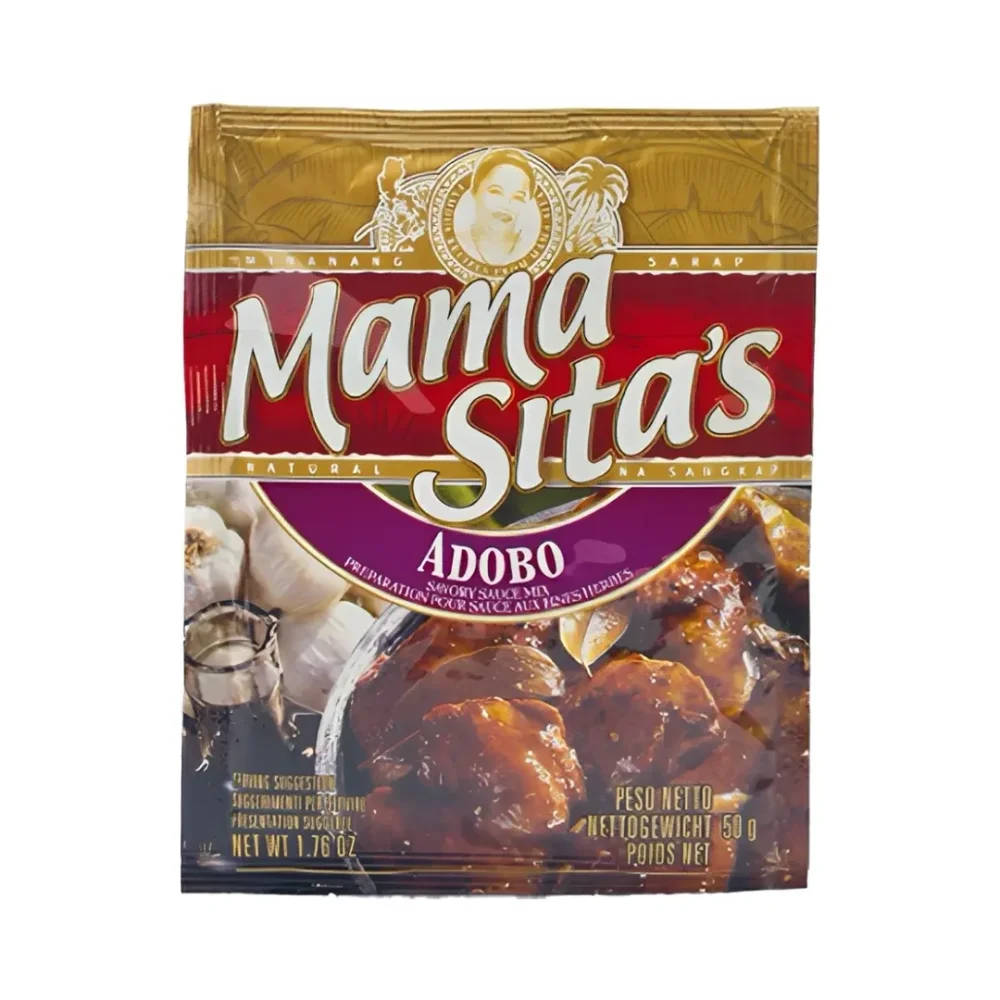
Indonesia often stands on sambal, kecap manis, and coconut. For contrast, it’s useful to taste the Filipino direction, which (generally) is known for a stronger use of vinegar and sourness – typically in the style of adobo. Not to confuse them but to better name what you like.
If you want to easily try this flavor contrast, use a ready base: Mama Sita’s Adobo Sauce MixConsider it an indicative "sample" of a different island mindset: sourness and boldness are combined here differently than in the typical Indonesian sweet-salty direction.
🍜 Where to put spiciness: sambal as a separate ingredient
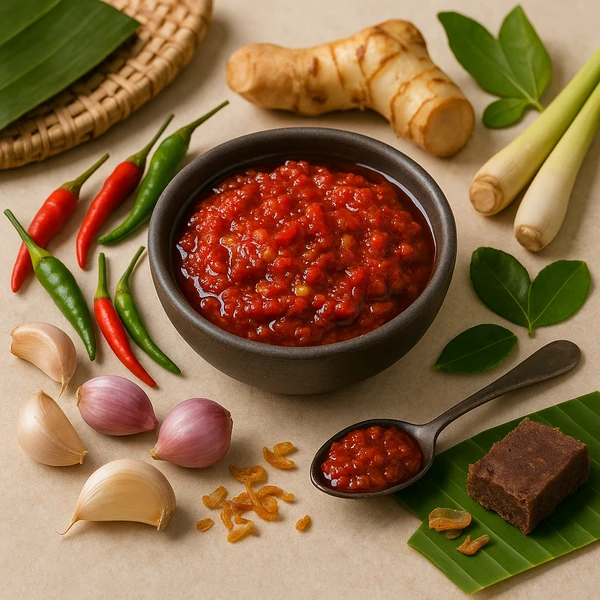
Sambal is not one sauce but rather a family of chili pastes and dips. In practice, it is useful to view sambal as something that can be:
- part of the base (when briefly heated/fried with aromatics),
- a separate "spicy component" on the table, which everyone doses according to their taste,
- a way to quickly push rice, noodles, or grilled things in an Indonesian direction.
If you want to orient yourself in the types and intensity, a practical guide is the category Sambal and chili pastes. Here too, a simple rule applies: dose gradually and taste, because spiciness is not only heat but also flavor.
💡 Common mistakes and what to watch out for
- "Rice is just a neutral side dish." In Indonesia, rice is the center of the meal. Many sauces and sides are naturally bold precisely because they're meant to be eaten with rice. Omit the rice, and the meal might seem oversalted, over-spicy, or "too heavy."
- "Indonesia = only spicy." Chili is important, but so is the sweet-salty depth (kecap manis), coconut roundness, and work with aromatic pastes. Spiciness is just one lever among many.
- Confusing nasi goreng with other fried rices. Indonesian style often rests on an aromatic base and kecap manis, so it can appear darker and sweeter-saltier. Those expecting "Chinese" fried rice may easily get the impression that it is "strangely sweet" – in fact, it is a typical part of the profile.
- Poorly chosen coconut product. Coconut milk, coconut cream, and concentrated coconut products differ in intensity and amount of water. If you take a product that is too thin where coconut is supposed to carry flavor (for example in reduced sauces), the result will be watery and the spices will "fall apart" instead of coming together.
- Panic over separated fat in coconut milk. The natural separation of the fat layer and liquid is not automatically a defect. It often just means that the product is not "made like white water" and the coconut component has its own structure.
- Trying to make Indonesia into one solid template. Sumatra, Java, Bali/Lombok, or Sulawesi can differ significantly. If you don't like something in one dish, it doesn't mean that "Indonesian cuisine is not for you" – maybe you just tasted a different regional direction.
What to take away from the article
- You best understand Indonesian taste through four main pillars: rice, sambal/chili, kecap manis and coconut + aromatic pastes.
- Regions are not just a detail for connoisseurs: Sumatra often heads toward deep spiciness and coconut (rendang), Java toward everyday dishes and sometimes a sweeter profile (nasi goreng, soto), Bali/Lombok toward bold and spicier directions, Sulawesi toward fish, the sea, spiciness, and sourness.
- Remember as flavor milestones: nasi goreng (aromatic base + kecap manis), rendang (coconut and reduction), satay (marinade + grill + sauce), gado-gado (a hearty "salad" world).
- For a home start, a simple rule works: rice + prominent main flavor + sambal + something fresh; dose spiciness and aromatics gradually and taste as you go.

Read next
If you want to explore this topic further, continue with these related blog guides and articles:
