


 Česky (CZK)
 Slovensky (EUR)
 Deutsch (EUR)
 Austria
 Belgium
 Bulgaria
 Croatia
 Denmark
 Estonia
 Finland
 France
 Germany
 Greece
 Hungary
 Italy
Italy Latvia
 Lithuania
 Luxembourg
 Netherlands
 Poland
 Portugal
 Romania
 Slovenia
 Spain
Spain Sweden










Typical Indonesian dishes: what to taste and how to quickly get your bearings
Indonesian cuisine is not a single uniform style, but a large world of regional traditions spread across a vast archipelago. Yet it has clearly recognizable common features: rice as the center of the meal, pronounced chili (often in the form of sambal), aromatic bases and frequent use of coconut. The article provides an overview of the most typical Indonesian dishes (nasi goreng, rendang, satay and gado-gado), an explanation of what makes them typical, and practical tips on how to start cooking them at home.
🌶️ What is truly typical for Indonesian cuisine (and why you can recognize it even in a “simple” dish)
Indonesian food often cannot be reduced to a single label like “spicy.” Rather typical is the way it is put together: a carrier (most often rice), a pronounced sauce or paste, a contrasting accompaniment (fresh or crunchy) and the option of final seasoning at the table.
- Rice as the base – in Indonesia it is not just a side dish, but the center of the plate. Many dishes are built to be eaten with rice, which balances sauces, saltiness and heat.
- Chili and sambal – spiciness is often “tuned” at the end and can take the form of a paste or a table condiment.
- Aromatic bases and pastes – flavor often depends on what is done at the start (the base), not just on a “sauce poured on top.”
- Coconut and coconut milk – creaminess and depth of flavor in many dishes are built through coconut.
- Fermented seasonings and the soy world – fermented flavors and soy products (for example tempeh and tofu) play an important role in Indonesian cuisine, complementing both meat and vegetable dishes.
- Home cooking, warung culture and street food – typical dishes exist in both “home” and “fast” versions; sharing at the table is a natural part of the dining style.
Why Indonesian cuisine is so diverse (and how that helps you choose food)
Indonesia is a huge archipelago with thousands of islands and different traditions. This is the main reason why the same dish name can taste different in various regions – and also why so many “typical” dishes exist side by side.
Diversity is mainly based on a combination of several factors:
- different agricultural conditions between the islands,
- coastal versus inland cuisines,
- Muslim, Hindu, Christian and local traditions,
- a long history of trade and spices,
- Indian, Arab, Chinese and European influences that have been reshaped into a local style,
- regional customs and festive dishes.
Indonesia in the context of island Southeast Asia: a quick flavor orientation
When someone learns to “read” Indonesian dishes, a short comparison with neighboring island cuisines (Philippines, Malaysia and Singapore) helps. It’s not about mixing everything together, but about understanding what each cuisine’s typical go-to move is:
- Indonesia: sambal (chili), kecap manis (sweet Indonesian condiment), coconut, tempeh – often a pronounced sweet-salty and spicy line.
- Philippines: a strong role for vinegar and sourness, a typical example is adobo (a style of sauce/marinade), citrusy acidity (e.g. calamansi) is also often used.
- Malaysia and Singapore: a strong “hawker” mix of influences, important dishes include nasi lemak (coconut rice) and laksa (a pronounced coconut curry noodle bowl); you will also often encounter sambal.
Practical impact: if you expect “Thai-style heat” or “Chinese-style fried rice,” the Indonesian version may surprise you – it tends to be locally more sweet-salty and built on a different aromatic base.
Typical Indonesian dishes worth knowing
Nasi goreng: Indonesian fried rice that is not “just fried rice”
Nasi goreng is one of the most well-known Indonesian dishes. At first glance it is fried rice, but its character is mainly given by the aromatic base, the work with seasoning and the typical sweet-salty depth that often rests on kecap manis.
It is also important that the Indonesian approach differs from many Chinese versions: the dish can seem darker, sweeter-saltier and “more local.” Nasi goreng also often works as a complete meal because of how the accompaniments and toppings are assembled.
Rendang: long-reduced meat in coconut milk
Rendang originates from West Sumatra and is among the most famous Indonesian dishes. It is typical in that it is not a “quick curry”: the meat is cooked and reduced for a long time in coconut milk and a spiced base until the flavor transforms into a deep, concentrated and often even celebratory character.
This is exactly where it makes sense to understand the role of coconut: coconut milk is not just “softening,” but an ingredient that through long cooking turns into a completely different depth. If you want to start at home, choose coconut milk suitable for longer cooking (as a guide, the coconut milk guide to coconut milkwill help you).

Satay / sate: skewers as a whole separate world
Satay (sate) is a good example of how a “seemingly simple” dish works in Indonesia. It’s not just meat on a stick: typical are the marinade, the grilling method, the sauce and above all regional variations (approaches differ, for example, between Madura, Padang, Java and other areas).
Therefore treat satay more as a family of dishes: if one version doesn’t suit you somewhere, it doesn’t mean satay as such won’t suit you – it may be a different regional style.
Gado-gado: a “salad” that is a full meal
Gado-gado represents the Indonesian salad world. It’s important to remember one thing: it is not a light “fitness salad,” but a full meal. It typically combines cooked and raw vegetables and the flavor depends on how the vegetables, sauce and other accompaniments are combined so that the whole works as a satisfying whole.
🍽️ How to choose Indonesian dishes and what to start with at home (practical, without stress)
Indonesian cuisine is learned well at home when you choose dishes according to the situation. Rice is a “safe center” and most typical flavors can be dosed gradually.
1) I want a quick pan dish: start with nasi goreng
- The biggest difference will be the rice: ideally rice cooked in advance and cooled (it won’t stick and fall apart in the pan). For 2 portions count roughly 2 large bowls of cooked rice.
- Build flavor on the base: first briefly scent the base (what you use at home), then add the rice and seasoning.
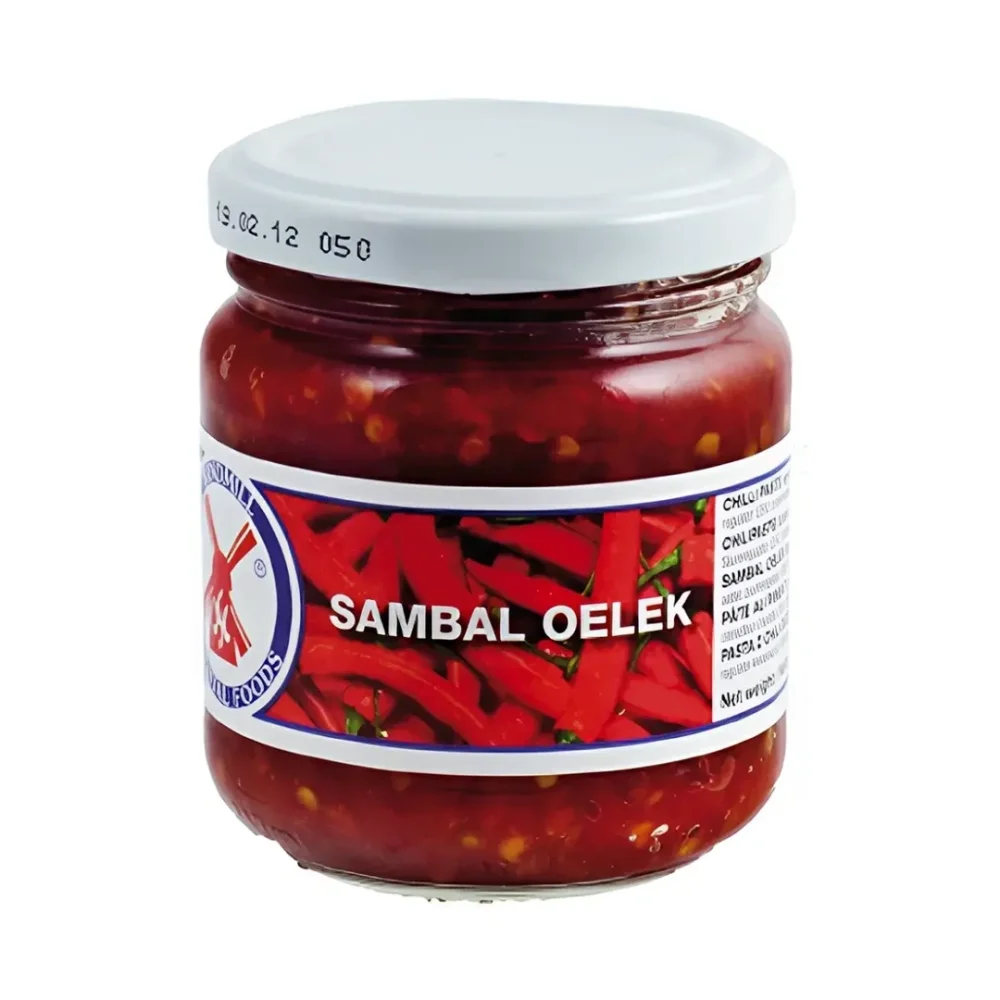
- Dose spiciness step by step: if you want an easy start, use sambal as a “control” for heat. Start with, say, 1/2 teaspoon, mix and taste; adding is always easier than rescuing an overpowered heat. A practical choice is e.g. Windmill Chilli paste Sambal Oelek.
2) I want a more celebratory flavor and I have time: rendang as a “weekend project”
- Allow for time: rendang is typical precisely because of the long cooking and reduction, so don’t treat it as a quick dinner.
- Don’t make it a soup: the goal is concentrated flavor and a reduced sauce, not a thin coconut broth.
- Rice is part of the logic: rendang tastes best when it has something to balance it – rice plays the role of a stable center of the meal.
3) I want something for the grill/pan and I enjoy marinades: satay
- Think in small pieces: satay works when the meat is quickly seared, stays juicy and carries the flavor of the marinade.
- Don’t be afraid that “the sauce is a detail”: for satay the sauce and final seasoning are part of the dish’s identity and often the source of regional differences.
4) I want vegetables but something filling: gado-gado
- Combine cooked and raw: it’s the mix of textures that makes gado-gado more than a “bowl of vegetables.”
- Expect it to be a main dish: the sauce and accompaniments should provide energy and flavor fullness, not just “lightly season” the vegetables.
Tip: if you want an island crossover but don’t want to mix cuisines
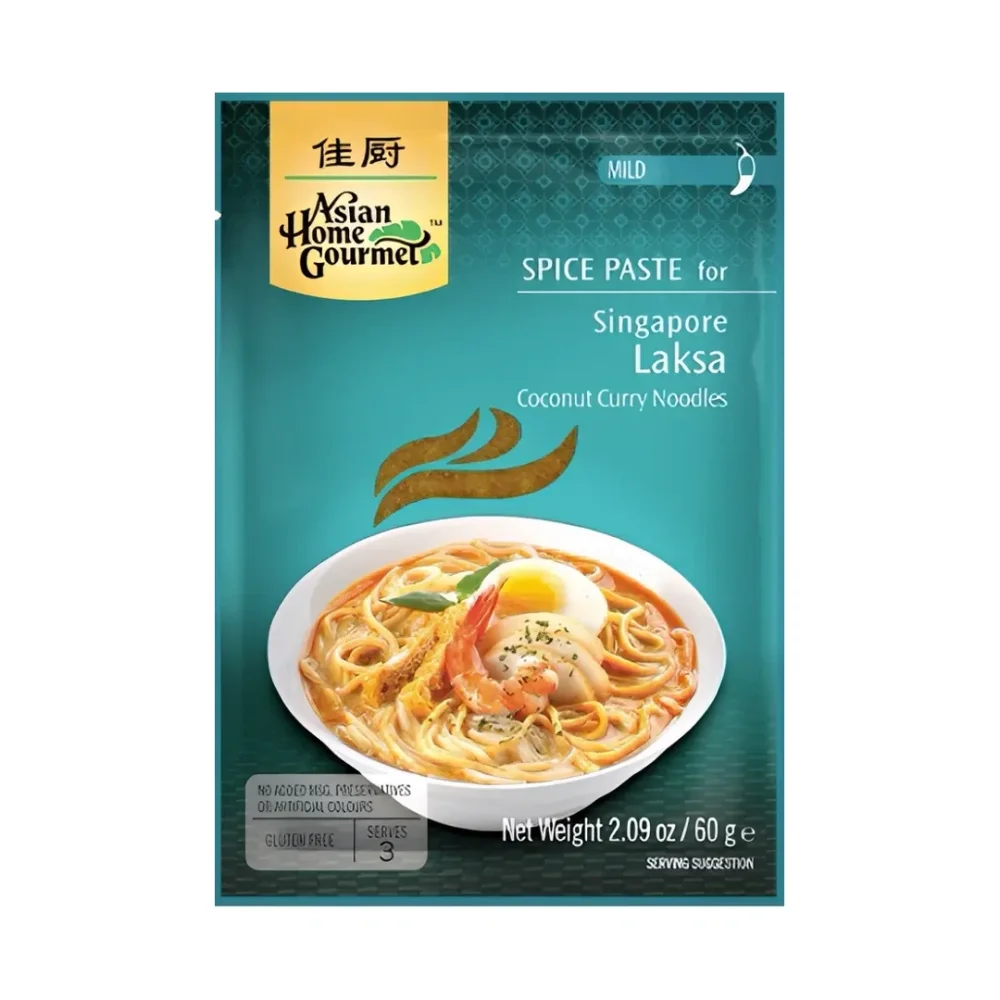
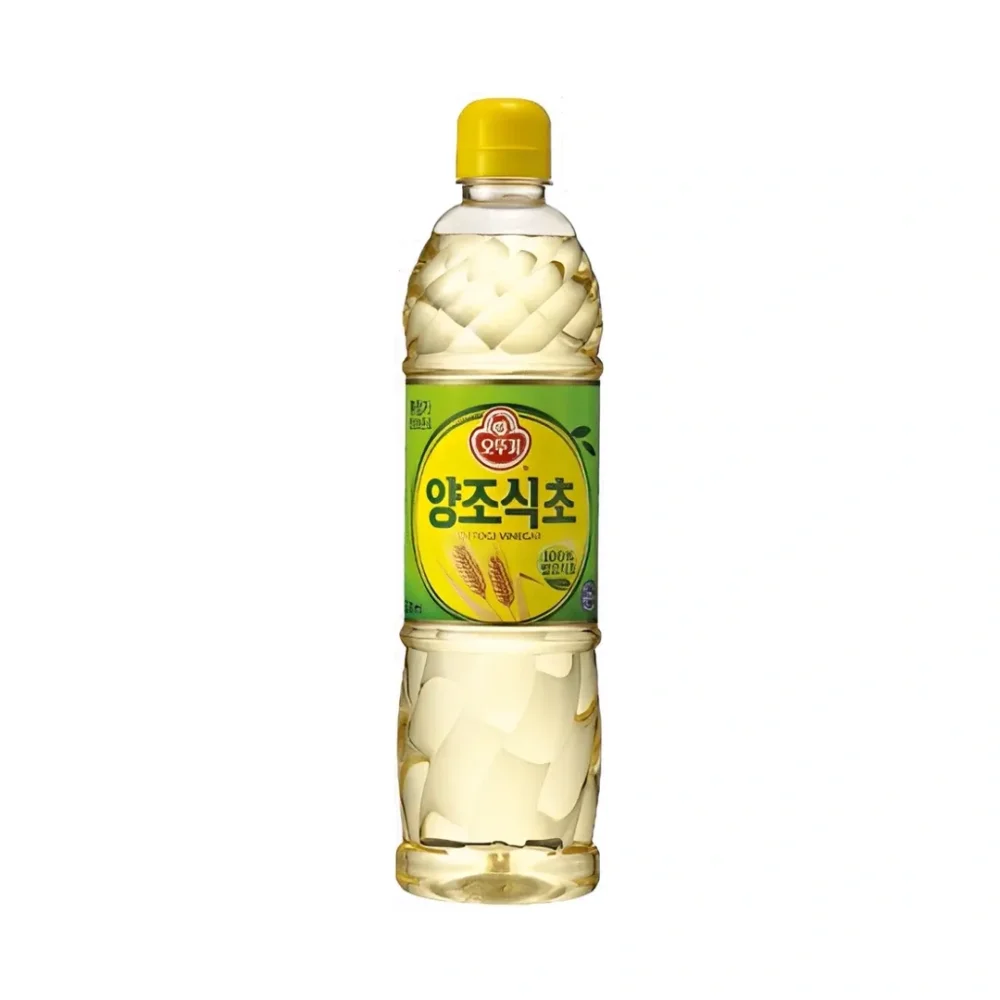
If you’re tempted to try neighboring styles (Malaysia/Singapore/Philippines), treat it as expanding your horizons, not as a replacement for Indonesian dishes. For a quick start in the “hawker” direction a ready base for laksa can help, for example AHG Coconut Curry Noodle Paste Laksa. And for the Filipino line it’s typical that sourness is pronounced – if you want to practice dosing it at home, a plain vinegar like Otoki fermented spirit vinegar (add in small amounts and always taste) will help.
Most common mistakes and misunderstandings (and how to avoid them)
- “Rice is just a side dish.” In the Indonesian logic, rice is the center to which other flavors are assembled. If you give too little of it, the dish will seem overly salty/spicy/heavy.
- “Nasi goreng = any fried rice.” The Indonesian version stands on an aromatic base and typical seasoning (often with kecap manis). If you take it as “leftover rice with soy sauce,” you lose its character.
- Spiciness “by force.” Sambal has a large role, but that doesn’t mean everything must be extremely hot. Dose it gradually and transfer part of the heat to table seasoning if needed.
- “Gado-gado is a light salad.” It is a full meal. If you make it as a minimalist salad without filling components, it will feel incomplete both in flavor and energy.
- Confusing cuisines along the island axis. Nasi lemak or laksa are great, but they are typical of the Malaysia–Singapore world; adobo is typically Filipino. Knowing this helps you not expect the “same profile” from Indonesian dishes.
What to take away from the article
- Indonesian cuisine is regionally diverse, but is united by rice as the center of the meal, sambal (chili), aromatic bases, and frequent use of coconut.
- Some of the most typical Indonesian dishes are nasi goreng, rendang, satay, and gado-gado – each represents a different “world” of the same cuisine.
- Nasi goreng is not just generic fried rice: it is characterized by a sweet-savory depth and local seasonings (often via kecap manis).
- Rendang is about time and reduction – it is the long cooking in coconut milk that creates its character.
- Start at home with a dish suited to the situation (a quick skillet versus weekend cooking) and adjust the spiciness gradually.

Read next
If you want to explore this topic further, continue with these related blog guides and articles:
