


 Česky (CZK)
 Slovensky (EUR)
 Deutsch (EUR)
 Austria
 Belgium
 Bulgaria
 Croatia
 Denmark
 Estonia
 Finland
 France
 Germany
 Greece
 Hungary
 Italy
Italy Latvia
 Lithuania
 Luxembourg
 Netherlands
 Poland
 Portugal
 Romania
 Slovenia
 Spain
Spain Sweden










Coconut rice vs. sushi rice: why rice itself makes a difference in “ready” rice dishes
In Asian cuisines rice is often not “something for the sauce,” but the very framework of the dish. With coconut rice (typically nasi lemak style) and sushi rice you can clearly see how dramatically flavor, texture and even what we consider a finished meal can change—simply depending on which rice you choose and how you treat it.
Rice can be a quiet, neutral center of the plate—but it can also be the main carrier of aroma, flavor and identity. This is precisely the key to understanding why some rice dishes work as fully-fledged “ready meals” in a bowl (not just as a side): the rice is not background, but structure.
1) When rice is the main dish (and not just a side)
In the European view rice is often “the side.” In Asian logic, however, it very often becomes the main dish in several ways:
- Rice as the base of a single bowl with toppings – the rice holds the structure and other components are layered on top.
- Rice as a seasoned dish – the cooking and seasoning of the rice itself creates a distinct flavor (typically coconut rice).
- Rice combined with meat, vegetables, egg and sauce into one dish – you get a complete bowl without the need for an “extra side.”
- Rice as a fried dish – uses cooked (often cooled) rice and quick frying, typically in the nasi goreng style.
This is also important practically: when you understand rice as a “frame,” it’s easier to choose the right grain type and preparation style depending on whether you want the rice to hold shape, be picked up with chopsticks, or to smell and taste on its own.
2) Sushi rice: short grain, cohesion and seasoning that defines sushi
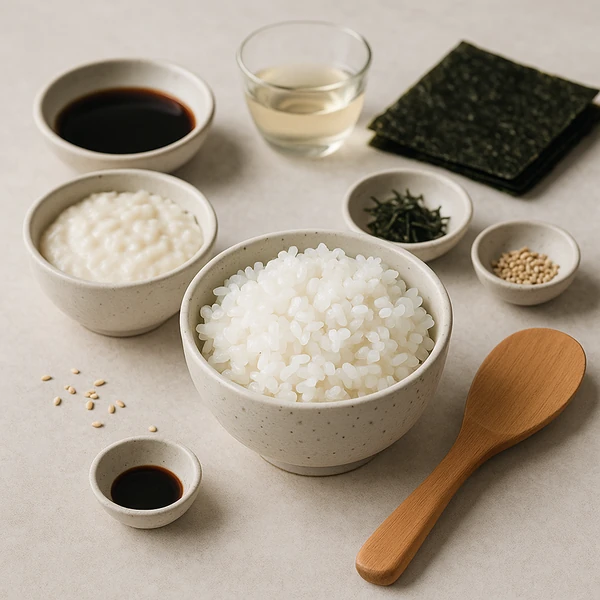
Sushi rice belongs to short-grain and medium-grain rices that after cooking have greater cohesion than long-grain types. That is why it is suitable where the rice must hold shape: sushi, onigiri (rice triangles) and some Japanese and Korean rice bowls.
A practical point that is often a source of confusion: short-grain sushi rice is not the same as “sticky rice”. It is stickier than basmati or jasmine, but behaves differently.
For sushi there is also one fundamental thing from Japanese culinary logic: sushi is not “raw fish”. Sushi is primarily seasoned rice with vinegar; fish can be a component, but it is not the definition.
If you want to start by choosing the right type, follow the sushi rice signpost sushi rice.
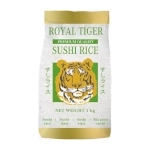
What to watch for so sushi rice is cohesive but not mushy
- Texture: the goal is for the rice to be shapeable and easy to pick up, but not to appear “smeared.”
- Seasoning and cooling: for sushi it’s not just about the grain, but also that the rice after cooking is seasoned and subsequently cooled.
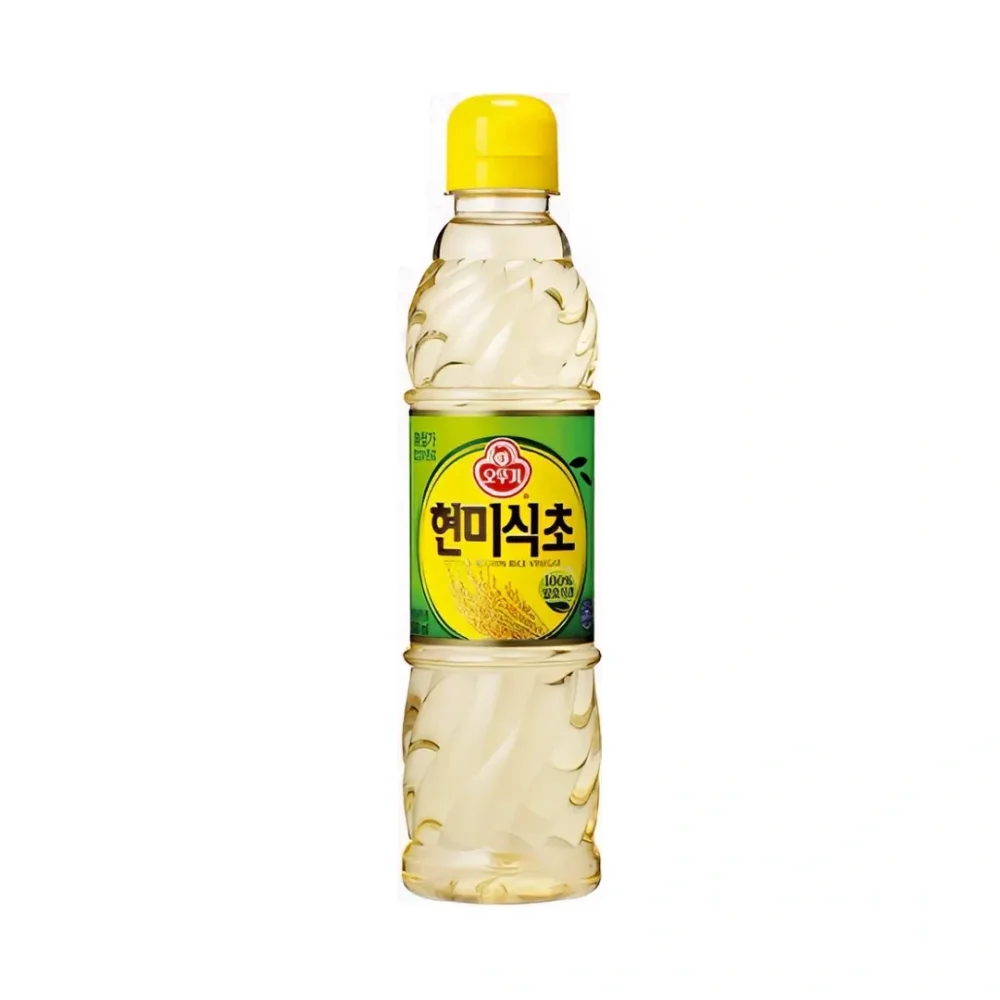
- Acidity that doesn’t overpower the rest: rice vinegar is used for seasoning; an example of a milder profile is Ottogi brown rice vinegar.
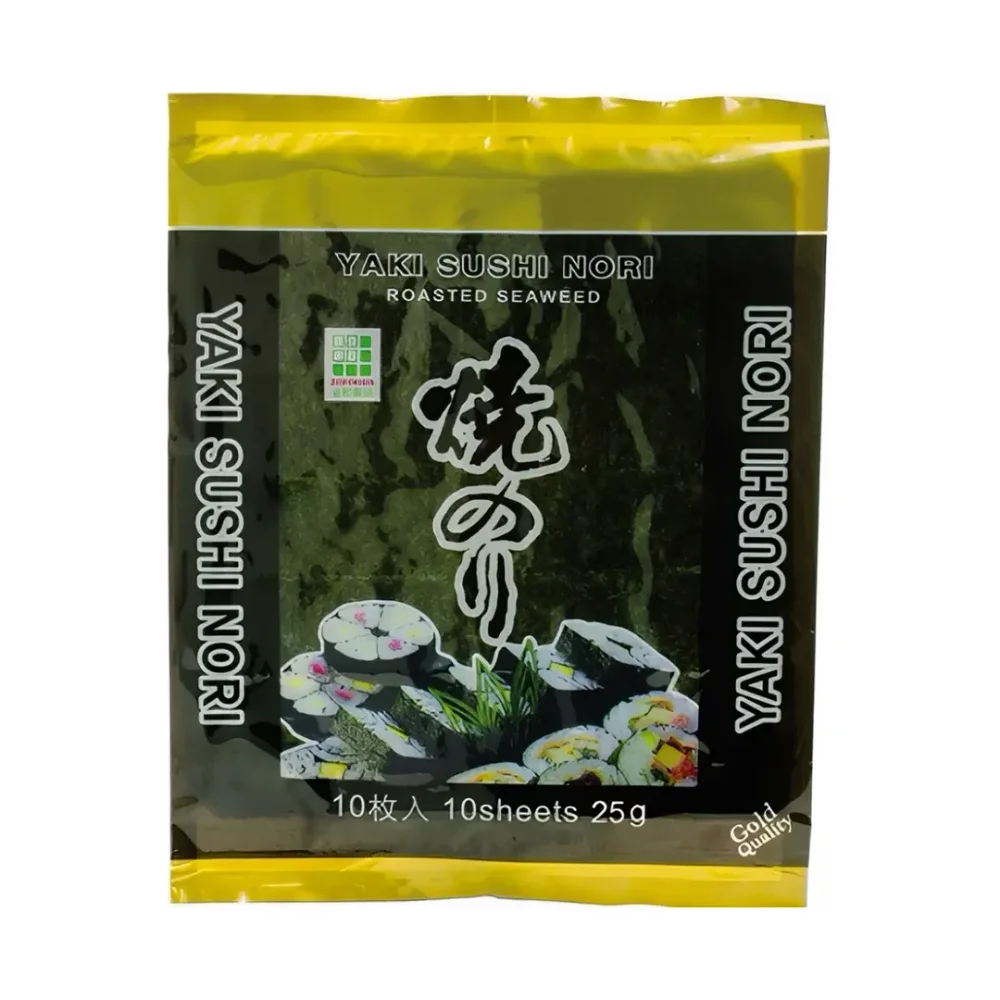
Nori seaweed also works well for ready bowls or simple “rice + topping” styles: either as sheets for rolling (e.g. yaki nori for sushi), or as a quick seasoning sprinkle.
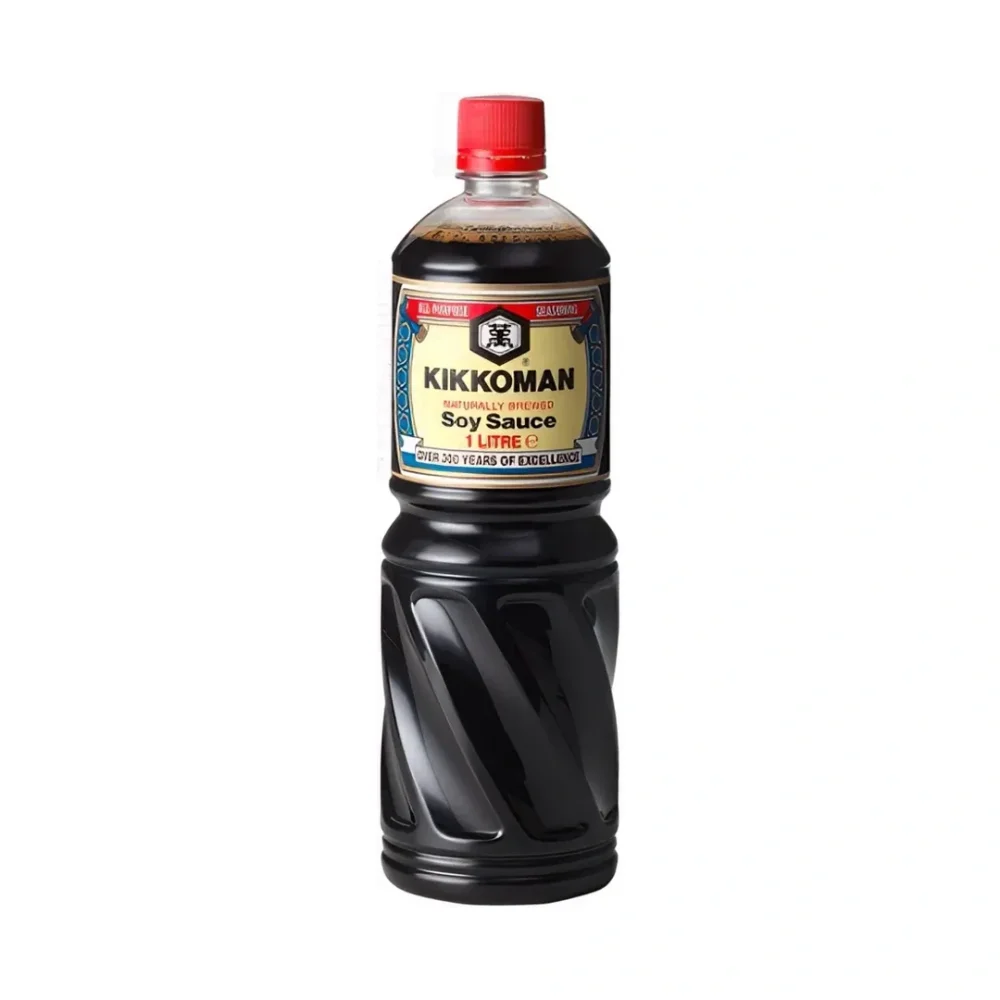
Japanese seasoning often rests on saltiness and umami, which are dosed sensitively. For a basic orientation in the typical taste, a simple reference point can help, such as Kikkoman Japanese soy sauce (either as a dip or a light seasoning).
3) Coconut rice as a “complete meal”: nasi lemak and rice that carries its own flavor
Coconut rice is a good example that rice need not be neutral. In the Malaysian dish nasi lemak the rice is the bearer of identity: it is cooked in coconut milk and builds its aroma also on pandan (an aromatic ingredient used in the region).
What is essential for nasi lemak:
- the rice is not just a side, but the main flavor axis,
- it is typically paired with sambal (a spicy seasoning),
- often accompanied by egg, peanuts, anchovies and other components,
- it works as breakfast and a full meal.
The point of coconut rice in ready meals is therefore different from “ordinary” rice with sauce: it is meant to create a flavor base to which contrasts are added (spicy, salty, crunchy).
4) Why sushi rice and coconut rice behave differently: texture, starch and service
What we perceive at home as “rice” is actually a wide group of varieties and usage styles. The difference often appears on the plate: sometimes rice is loose and separate, other times soft and cohesive, other times strongly aromatic.
From a texture perspective it’s useful to know that rice behavior is also related to starch:
- rice with a higher proportion of amylose tends to be drier, firmer and less sticky,
- rice with a lower proportion of amylose tends to be softer and stickier,
- the so-called sticky rice has very little or almost no amylose and after cooking is elastic and cohesive.
From this follows a practical rule for ready rice dishes:
- When you need shape and cohesion (sushi, onigiri, bowls eaten with chopsticks), short to medium grain makes sense – typically sushi rice.
- When rice is meant to carry a sauce as a soft aromatic base, jasmine rice is often used in Southeast Asia.
- When the grain should be long and separate (elsewhere in Asia, for example in some styles), basmati plays a role.
It’s not about “better or worse” rice – it’s about the texture supporting the type of dish you want to compose.
5) Practical: how to build a rice “ready meal” at home based on the right rice
The following procedures are not recipes, but kitchen logic: they will help you choose a direction and avoid common dead ends.
A) Want rice you can shape or pick up with chopsticks? Start with sushi rice
- Go for rice that after cooking has cohesion (typically sushi rice).
- Keep an eye on the texture goal simply: the rice should hold together, but should not be mushy.
- Add seasoning gradually (in small amounts), and stir so you don’t unnecessarily crush the grains.
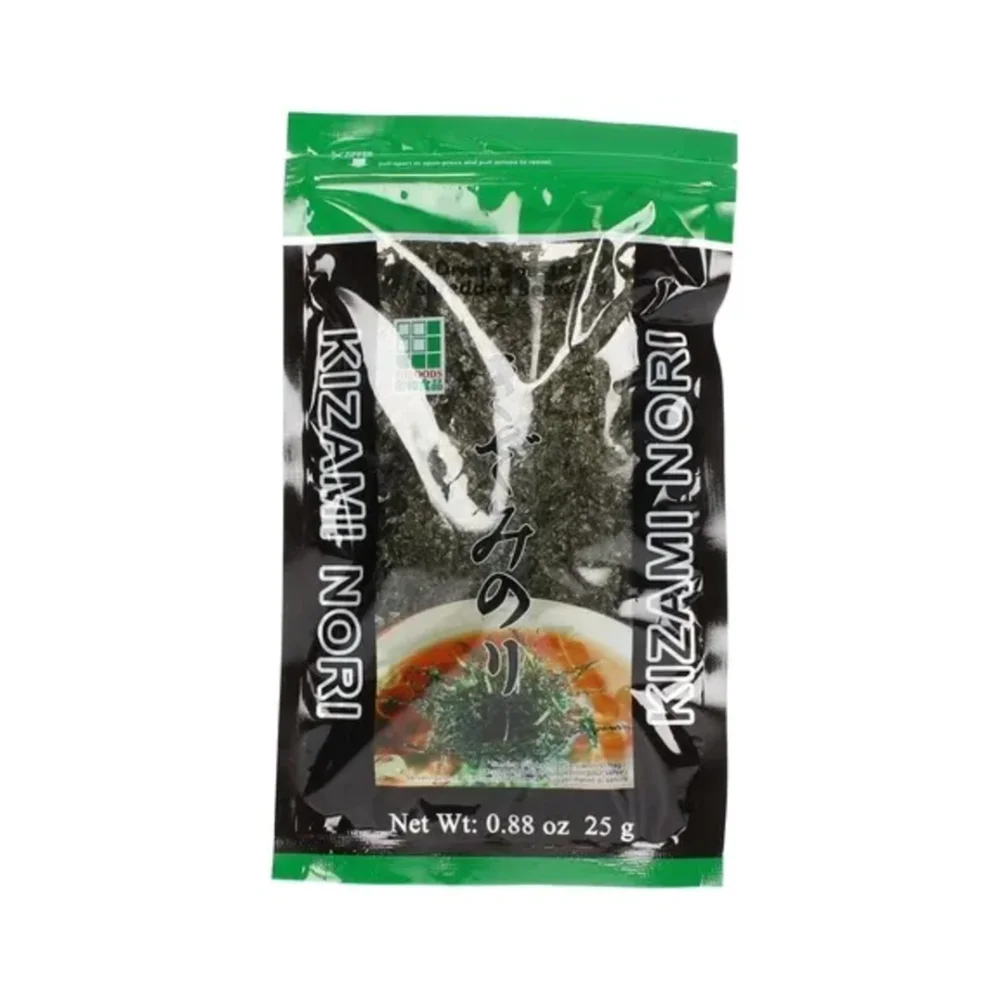
- A quick umami “explanation” for rice without extra work: a sprinkle of nori. Practical examples are kizami nori (sliced nori), which are ready to use.
B) Want the rice itself to smell and taste? Think like nasi lemak
- The point of coconut rice is that the rice is cooked in coconut milk and is not neutral.
- To make it work as a full meal, add contrasts to the rice: something spicy (sambal), something protein (egg) and something crunchy (e.g. peanuts).
- If you take only one thing from nasi lemak: “coconut rice” is not just a seasoned side. It is a base meant to carry the whole dish.
C) Want a quick meal from what’s already cooked? Get inspired by nasi goreng
- In the nasi goreng style it is typical to use cooked and often cooled rice.
- Rice is quickly fried with an aromatic base and a dish is created that is not just “generic fried rice” – it has its own flavor profile.
- Typical additions are also eggs, pickles, crackers or other toppings.
D) Japanese logic of a “finished meal”: rice as the center and subtle seasoning
In Japanese cuisine rice is the center of a meal – and often the point to which the other components relate. For balance there is a framework ichiju-sansai (“one soup and three dishes”): rice, soup, a main dish and two side dishes. You don’t have to copy this literally at home, but the logic is useful: rice holds the whole together and the seasoning should be precise, not aggressive.
When building a Japanese-style rice bowl, you often get by with a few directions of seasoning:
- saltiness and umami (soy sauce) – a good signpost is Japanese soy sauces,
- fermented depth (miso) – the category that helps as a guide is soy and miso pastes.
And if you want to move sushi beyond plain rice to different forms of assembly, this guide can be useful sushi preparation (not for “tricks,” but to get an overview of everything that belongs in the sushi world).
6) The most common mistakes and shortcuts that ruin the result
- “Rice is just a side dish.” In many Asian dishes it is not. It is often the structure that holds the whole meal together.
- “Sushi = raw fish.” No. The basis of sushi is seasoned rice with vinegar; fish may or may not be part of it.
- “Sushi rice = sticky rice.” No. Short-grain/medium-grain rices are cohesive, but are not automatically the same as sticky rice.
- “Nasi lemak is just coconut rice.” No. It is a whole dish (and culturally significant), where the rice carries its own flavor and the accompaniments only “complete” it.
- “Fried rice is the same everywhere.” It is not. Nasi goreng has its own logic and flavor profile; it doesn’t work as a universal template.
- Confusion around “rice wine”: sake, mirin, Chinese cooking wine and sometimes even rice vinegar are often lumped together. Practically, it’s better to keep a simple distinction: mirin is sweeter and balancing, sake is a delicate kitchen base, Chinese cooking wine is aimed more at marinades and wok – and rice vinegar is a completely different category (acidity, not alcohol).
7) What to take away from the article
- Rice in Asian “finished” dishes is often not a side dish, but a framework that determines the structure, rhythm, and how the dish tastes.
- Sushi rice relies on the cohesion of short/medium grain and on seasoning and cooling – and sushi is defined mainly by the rice, not the fish.
- Coconut rice in the style of nasi lemak shows that rice can carry aroma and flavor by itself and function as a complete dish.
- Rice texture is related to starch (amylose/amylopectin) – and it is precisely the texture that decides whether rice is suitable for shaping, for a bowl, or for frying.
- The most common mistakes arise from incorrect substitutions (sushi rice vs. sticky rice, rice vinegar vs. “rice wine”, the idea that all fried rices are the same).

Read next
If you want to explore this topic further, continue with these related blog guides and articles:
