


 Česky (CZK)
 Slovensky (EUR)
 Deutsch (EUR)
 Austria
 Belgium
 Bulgaria
 Croatia
 Denmark
 Estonia
 Finland
 France
 Germany
 Greece
 Hungary
 Italy
Italy Latvia
 Lithuania
 Luxembourg
 Netherlands
 Poland
 Portugal
 Romania
 Slovenia
 Spain
Spain Sweden










Meals that work for multiple people and an ordinary week: the Asian logic of bowls, noodles and sides
Cooking for more people on a workweek is less about “perfect recipes” and more about how to smartly build a meal: so it’s satisfying without feeling heavy, and can be easily adjusted to the tastes at the table. In many Asian cuisines this practicality is natural – based on a bowl or plate where there is a place for a base, a protein, vegetables, freshness, acidity, texture and precise seasoning.
When you say “family food”, many people imagine a big pot, one sauce and that’s it. But that’s often the problem: one uniform flavor quickly becomes boring, the sauce can drown the dish and every household member has a different tolerance for spiciness, sweetness or intensity.
More useful is to look at weekly cooking as assembling: you prepare several simple components and arrange them at the table into a meal that holds together in flavor and texture. Light and balanced Asian dishes are not “diet versions” – they are everyday, practical meals built so they don’t feel heavy or sluggish.
What “a meal that works” means for multiple people and an ordinary week
In this article I take “works” as a combination of several properties that pay off during the week:
- It’s scalable – you can make it for two or for five without the flavor falling apart.
- It’s readable – the flavors are clear, the sauce doesn’t overpower the ingredients and each component has its purpose.
- It’s adjustable – spiciness, acidity or “extra umami” can be added by each person (important mainly with kids or diners of varying boldness).
- It’s not heavy – it fills you up, but you’re not “glued” to your chair after eating.
Practically this often leads to dishes like bowls, noodles (soupy and “dry”), cold noodles and salads, or a “set” service alternating rice, soup and smaller sides.
🌶️ Light and balanced Asian dishes: what’s really typical for them
“Light” in an Asian context often doesn’t mean small or flavorless. Typically it means that:
- the food doesn’t feel heavy or sluggish,
- the flavors are clearly readable,
- the sauce is a support (not a blanket for everything),
- vegetables and herbs are not decoration, but active components,
- the bowl/plate has a good balance of satiety, freshness and texture.
For home weekly cooking it’s useful to think of building a meal as several axes that work together:
- Starchy base (rice or noodles) in a reasonable proportion.
- Protein (meat, tofu, eggs, seafood) as the “core”.
- Vegetables (part cooked, part fresh or crunchy).
- Herbs / fresh elements to “open” the bite.
- Acidity or pickles as a counterpoint to heavier components.
- Small but precise seasoning – often via umami, not only through sweetness or heat.
This framework is especially important when you cook for more people: instead of chasing one perfect sauce you watch that the whole stays balanced.
Why Asian dishes can be light and filling at the same time (and why that helps during the week)
Asian cuisines often don’t achieve lightness by “removing everything”. Instead they work with contrast. A meal can be filling yet light when:
- rice or noodles aren’t smothered and don’t drown in sauce,
- a heavier component (like a sauté, fried accent or fattier protein) is balanced by vegetables and acidity,
- part of the flavor is carried by broth or a light dressing instead of a heavy sauce,
- herbs and citrus “open” each bite,
- there’s also a crunchy or fresh layer in the bowl.
This is extremely practical during the week: even if you make a large volume of food, it won’t come across as “heavy” and it’s easier to eat the next day than a uniform sauce with a side.
Just watch the language “low-fat”. For many Asian dishes it makes more sense to say that they feel lighter, because they don’t rely on cream and weight, but on broth, herbs, acidity and a functional (not necessarily large) amount of fat.
Variants that work well in families: Japan, Vietnam/Thailand, Korea
If you want to cook so it suits more people, it’s often better not to pick a “country” but a style – according to what tastes good at home and how much time you want to spend. Only then choose specific dishes.
Japan-oriented balance: purity, fewer elements, calmer pace
A Japanese approach is practical when you want cleaner flavors and not to over-season. In a weekly mode the logic where the meal doesn’t rest on one sauce but on a well-composed “set” often fits: a base (often rice), a lighter liquid component and a few smaller components. This way everyone eats a varied combination, but nothing is exaggerated.
This is useful also when you don’t want to build a wide pantry: you focus on the quality of the base and on keeping flavors readable.
Vietnam and Thailand: freshness, herbs, acidity and light broths
Vietnamese (and often Thai-leaning) “weekly” logic stands on freshness as the engine of the dish, not an ornament. Herbs, crunchy vegetables, citrus and light broths can make a noodle bowl or salad a complete meal that fills without feeling heavy.
The same family includes cold and tepid dishes: they aren’t automatically raw or bland. On the contrary they tend to be flavorfully lively because acidity, herbs, chili and umami bases shine without long cooking. Typical examples often mentioned as “light yet complete” are for instance gỏi cuốn (Vietnamese summer rolls), various noodle salads, or Japanese summer cold noodles like zaru soba, somen or hiyashi chuka.
Korea: balance through many small components (and why it’s great for family)
Korean food can be bold, but precisely because of the table structure it can feel balanced. A common everyday meal model is based on:
- rice,
- soup or a “stew” (a heartier soupy dish),
- and several smaller side dishes.
The key is that you don’t eat one uniform mass: you alternate rice, soup, fermented and fresh sides. That “breaks up” the meal and it doesn’t feel as heavy even if it contains strong components.
Bibimbap is a good model for home weeks too: when the bowl is well constructed it has rice, a protein, multiple kinds of vegetables and a sauce added with care. Plus everyone can mix it to their liking – exactly what you want when cooking for several people.
Noodles as a weekly staple: four worlds that behave completely differently
Noodles in Asia often aren’t a “side”. In many dishes they form the core – carrying broth, sauce, dip and texture. So it’s important to clarify not only “which noodles” but mainly what type of dish you want from them.
For orientation a division into four families helps:
- Noodle soups and broth bowls – the broth is as important as the noodles and must be clean in flavor.
- Stir-fried and wok noodle dishes – quick preparation, high heat, the noodles’ ability to carry the sauce is crucial.
- Dry, tossed and “dipped” noodles – they rely heavily on precise seasoning and on not being either dry or drowned.
- Cold and seasonal noodles – a refreshing style where rinsing, texture and the final dressing/dip are more closely monitored than elsewhere.
With noodles it often decides whether the “liquid component” should be broth or sauce. Too much sauce destroys texture, too little makes the dish dry and disjointed – and texture is one of the main things that makes a noodle dish feel “complete” even on a weekday.
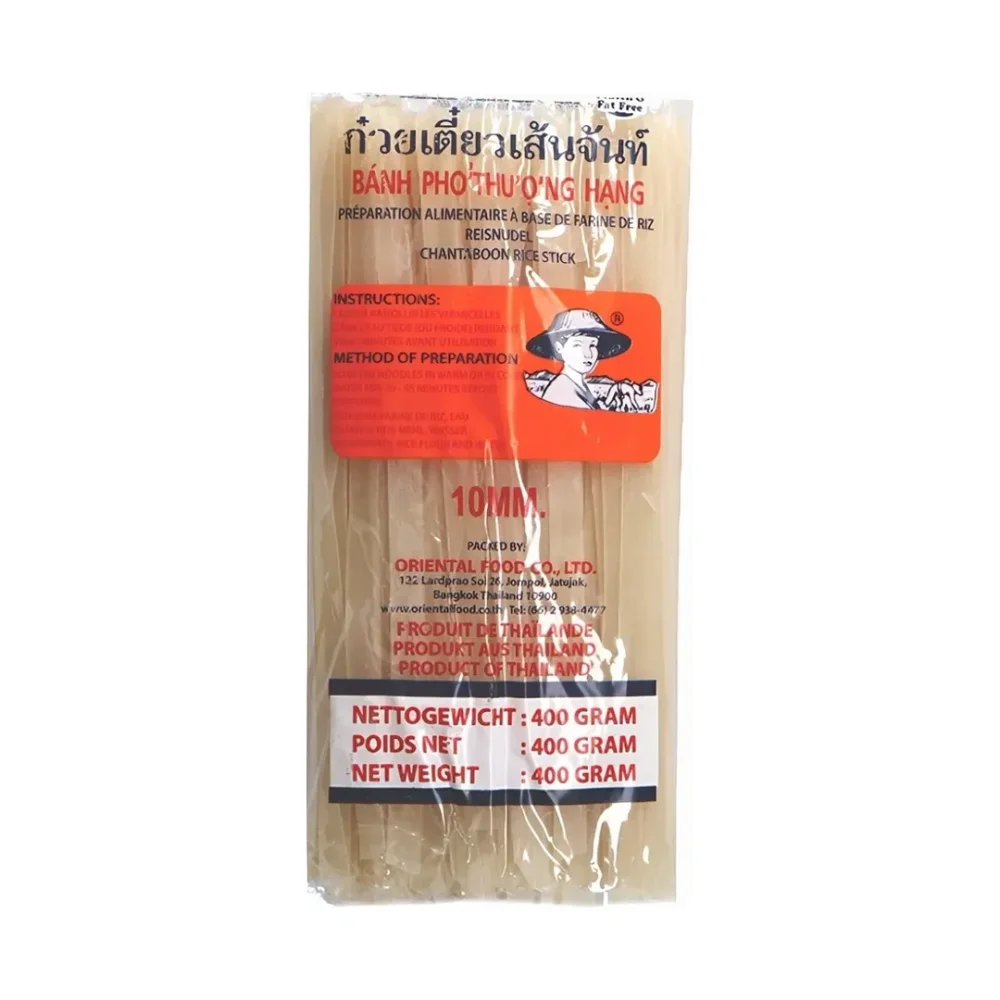
As a versatile base for multiple styles (wok and soups) wider rice noodles can work, for example Farmer Brand rice noodles 10 mm – the advantage is that they can be used in different types of dishes depending on whether you coat them with sauce or place them in broth.
How to assemble it at home for multiple people: practical onboarding without a “full recipe”
Below is a procedure that works well for weekly cooking: instead of one recipe you choose a style and build the meal by components. Each step has a concrete purpose – and at the same time leaves room for everyone at the table to adjust the flavor.
1) First the style, then the country (surprisingly this simplifies shopping)
- I want cleaner and clearer flavors → often fits Japanese-oriented cooking.
- I want quick pan dishes → Chinese / wok approach (but it requires discipline in prep and order).
- I want bold, sweet-salty and spicier flavors → Korea often fits well.
- I want freshness, herbs and balancing acidity → a good direction is often Thailand or Vietnam.
- I want spices, braising and heartier dishes → a strong direction is often India (or parts of Sri Lanka).
- I want homey, approachable dishes with sauce, rice and acidity → the Philippines often work well.
2) Build the “skeleton” of the plate: base + protein + vegetables
The core of a light and balanced meal is in proportion and in the sauce not being the sole carrier of flavor. Practically it pays off to:
- Keep the base (rice or noodles) as one clear layer, not as a mash in sauce.
- Make the protein simply (brief sautéing, a grilling pan, quick poaching in broth) and finish its flavor at the end.
- Divide the vegetables : cook part of them (so the dish is “warm and filling”), leave part crunchy or fresh (so it’s “alive”).
3) Choose one liquid logic: broth, dressing, or a smaller amount of a strong sauce
This is the point that most often decides whether a dish “works” also in larger quantities:
- Broth – suits when you want heartiness without weight (noodle soups, light bowls).
- Light dressing – typical for salads, cold noodles and bowls where acidity plays a role.
- A strong sauce, but in a smaller quantity – good for wok dishes where the sauce should coat the noodles, not drown them.
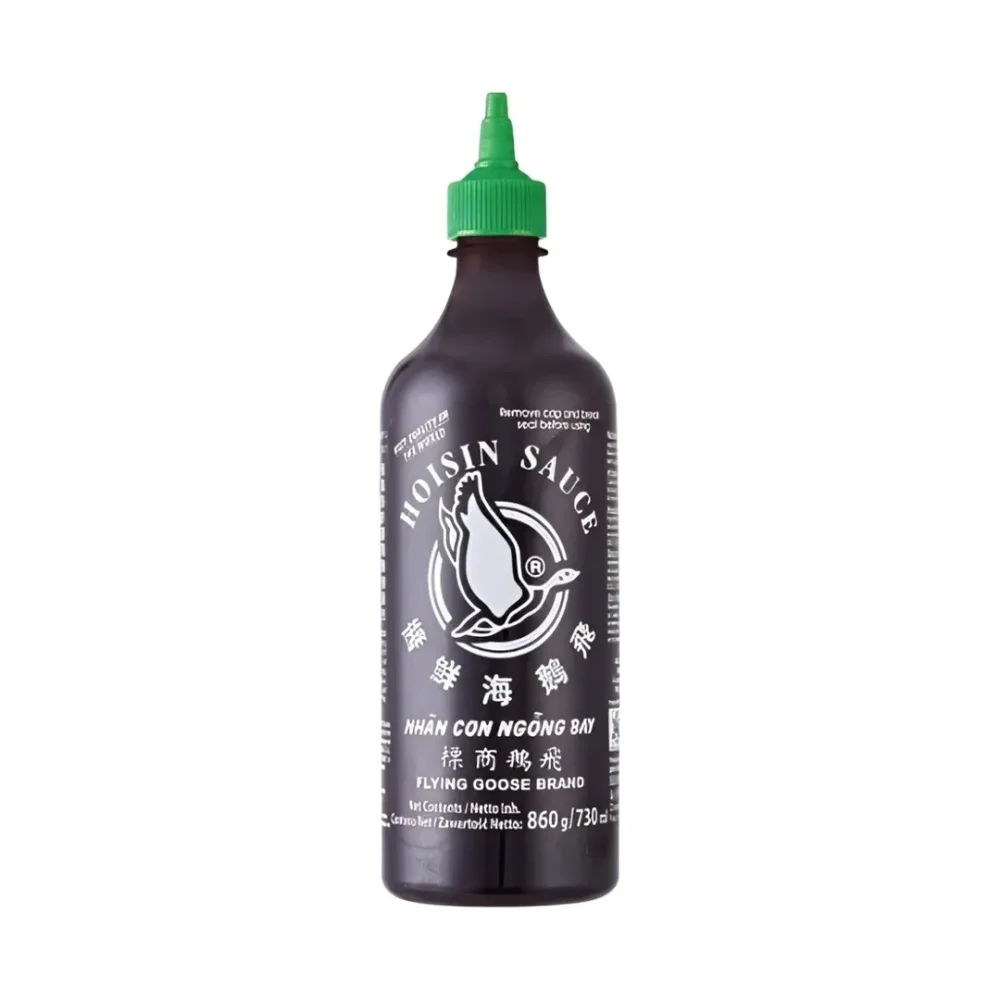
For quick wok cooking for multiple people a sweet-salty sauce like hoisin can be practical – for example Flying Goose hoisin sauce. With sauces like these it's worth starting cautiously (for example, adding by spoonfuls) and fine-tuning at the end so the flavors of the ingredients and the texture remain clear.
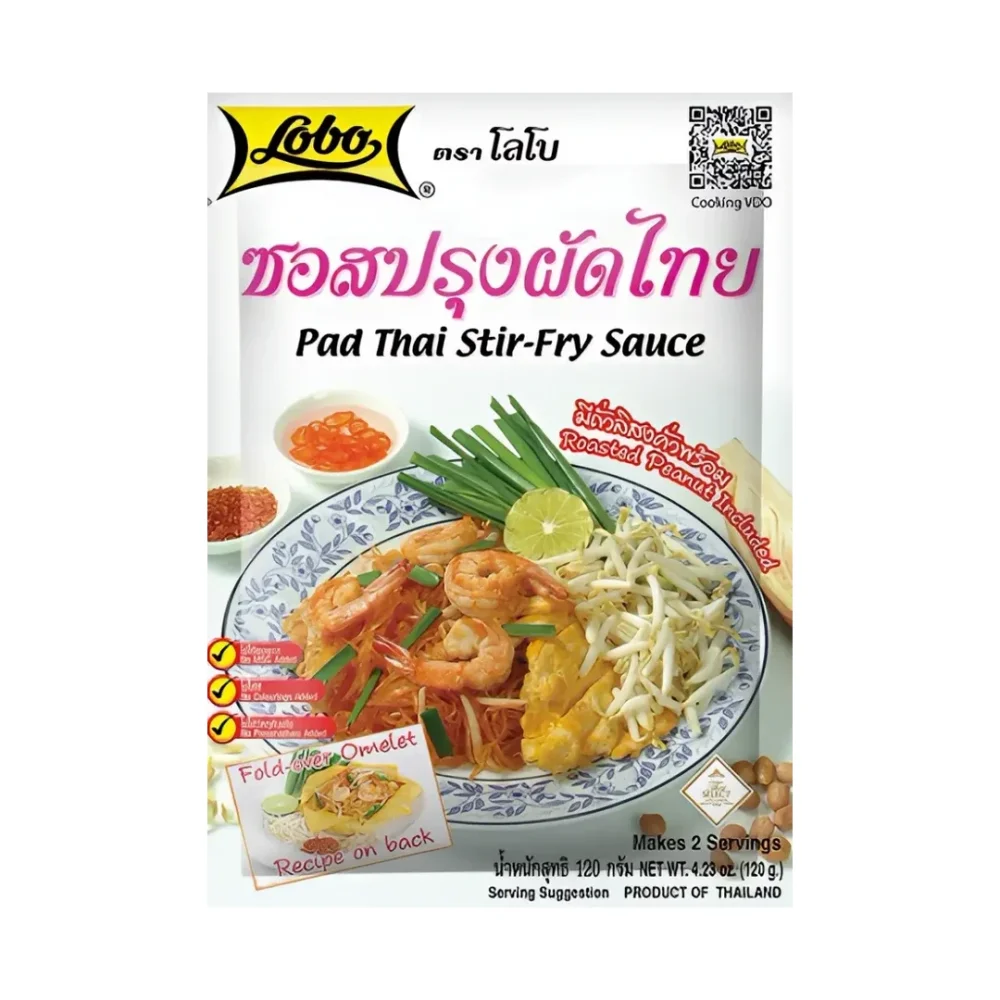
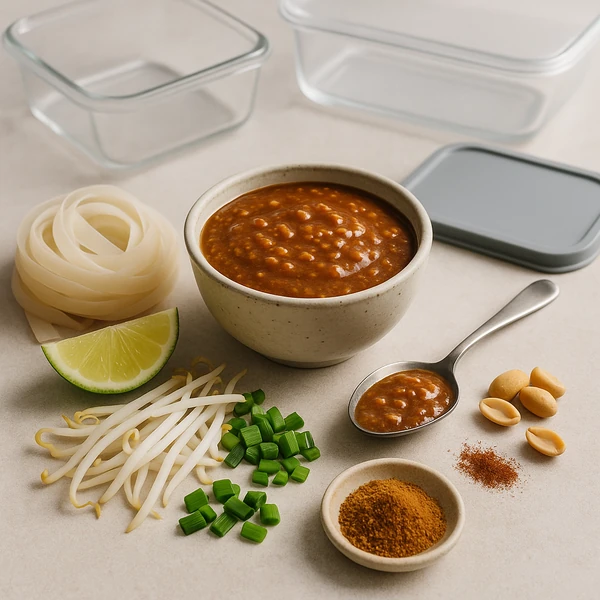
If you want a “quick flavor” in the style of a noodle dish where the sauce clings well to the noodles, a ready-made base can help, such as Lobo Pad Thai sauce with roasted peanuts – again: add with care and watch that the noodles remain springy, not soggy in the sauce.
4) Add a “light balance”: herbs, citrus, acidity, crunch
This is often where a dish can feel heavy. You don't need to invent complicated things – just consciously add to the finish:
- a fresh element (herbs, something crunchy),
- acidity or a pickled component (to balance sauce and fat),
- texture (crunchy vs. soft vs. springy noodles).
For cold and lukewarm dishes this is even more important: acidity, herbs, chili and umami bases are what turn “no-cook” food into a full lunch. And since many of these dishes also originated as practical street food formats, they transfer well into the home week.
5) Tuning for the household: put sauce and intensity in people's hands
If you want one dish to please multiple people, don't try to “perfect everything in the pot” to a single taste. A Korean approach is inspiring: various small components on the table naturally allow flavor variation and everyone takes what suits them.
A practical home trick: keep part of the sauce (or the spicy component) aside and add it only at serving. In a bowl like bibimbap this makes sense technically too: those who want milder flavor mix a little; those who want stronger add more.
6) Quick “flavor shortcuts” that won't overpower the balance
For weeknight cooking it's helpful to have a few reliable seasonings. It's important to use them functionally – small amounts, clear purpose.
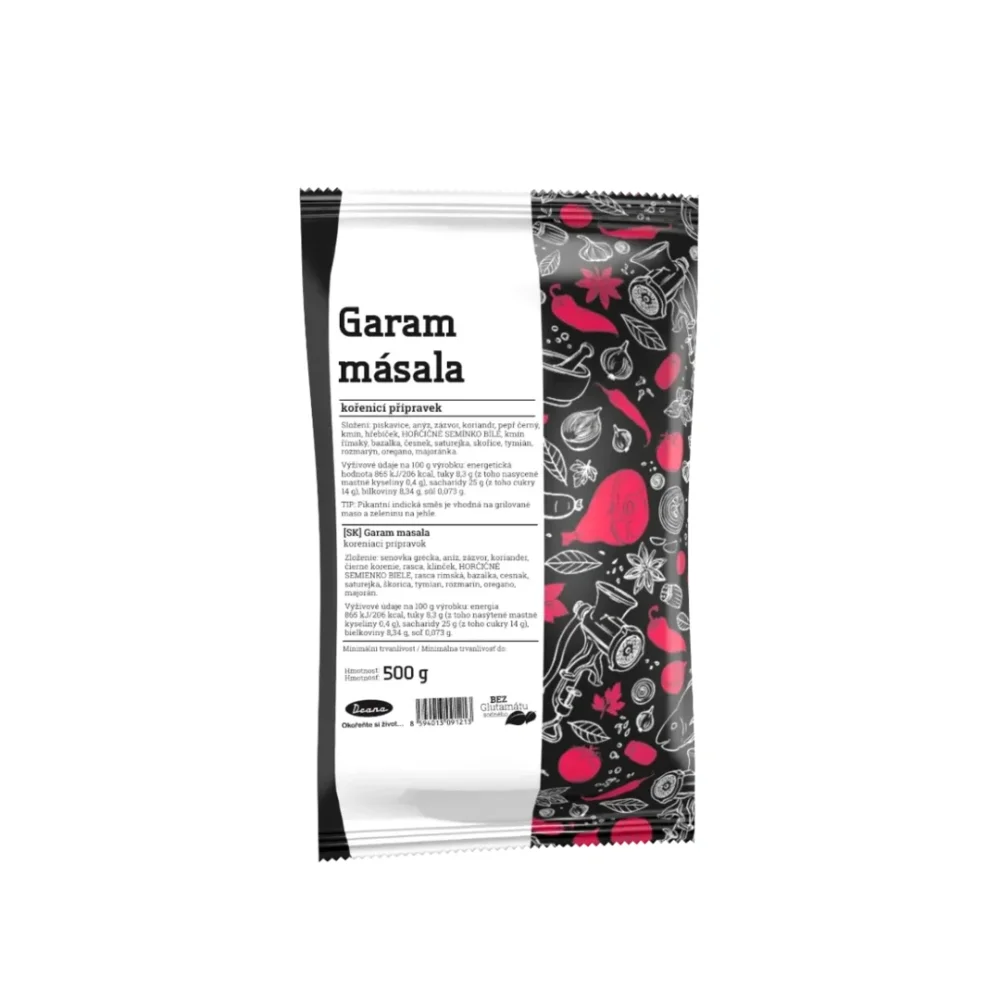
- For Indian-style stewed directions an aromatic blend like Drana Garam Masala. Start rather with a small pinch and add gradually – the goal is to round the flavor, not to drown it out.
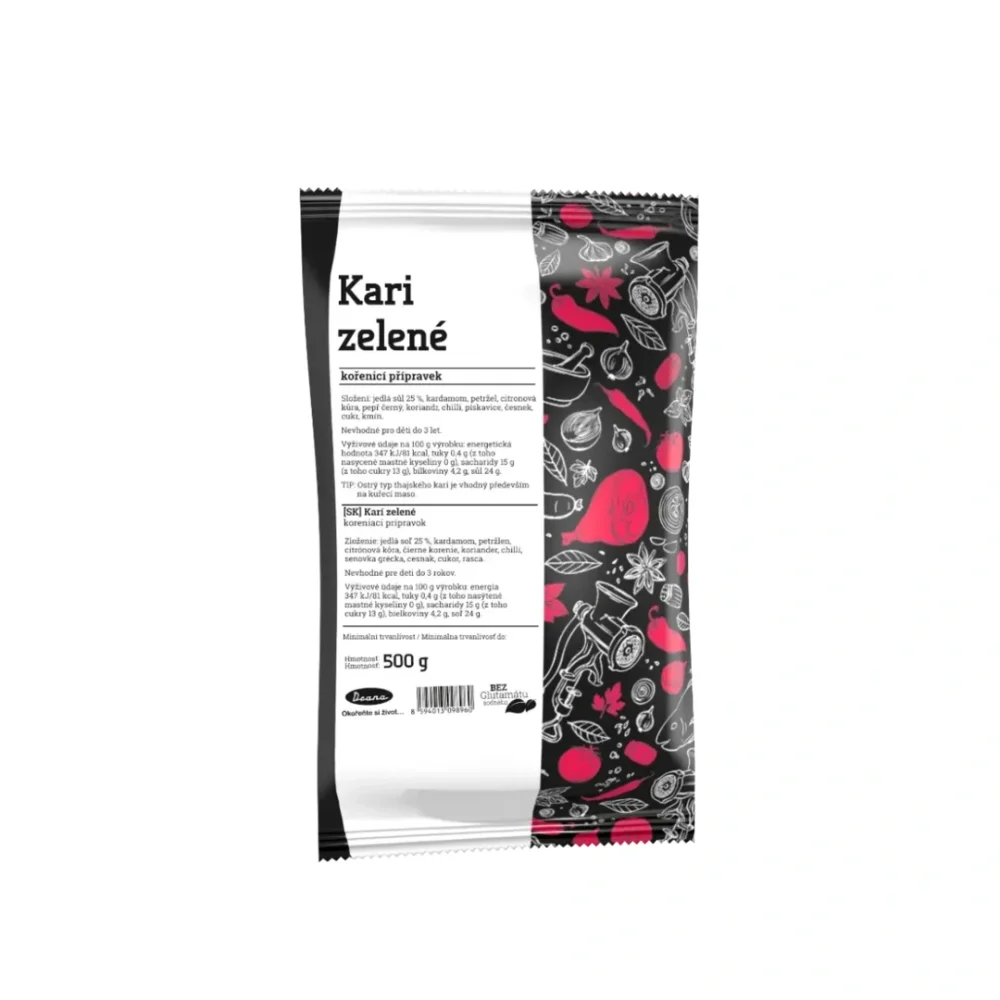
- For quick curries and “sauce” weeks a blend like Drana green curry. For mixes like these it's worth briefly frying them and only then combining with liquid.
- If you cook Thai-style soups or curries for several people, coconut milk often helps balance the heat and add roundness – for example Chaokoh coconut milk 18%.
- For a Filipino-style “homey” taste cooks often work with acidity, garlic, soy and braising – and if you want really intense umami seasoning in small doses, there are ingredients like Monika salted shrimp. With such salty seasonings it's sensible to start with a very minimal amount (for example the tip of a teaspoon for a whole dish) and only then possibly add more – they can easily dominate the whole dish.
Common mistakes and misunderstandings (and how to fix them quickly)
- “Light” = little flavor. In practice it's often the opposite: lightness rests on clear flavors, acidity, herbs and texture. Fix: add a fresh element and acidity, not another dose of sweet or spicy sauce.
- Too much sauce on noodles. Noodles lose their spring and the dish feels heavy. Fix: add sauce in small amounts so it just coats the noodles; let toppings and fresh elements carry part of the flavor.
- One pan for everything without “adjustability”. When everything is mixed at once it's hard to meet different tastes. Fix: serve the sauce/spicy component on the side and let everyone adjust.
- Cold noodles stuck together and lifeless. This often happens when noodles aren't treated as a texture. Fix: for cold noodles ensure they are not overcooked, and work with a finishing dressing/dip and crunchy vegetables.
- Overdone umami and saltiness. Intense seasonings (fermented, shrimp, soy) are great but can easily tip the balance. Fix: start with a small amount, taste and balance with acidity and freshness.
What to take away from the article
- Food for several people during the week works best when it is constructed: base + protein + vegetables + freshness + acidity + texture + precise seasoning.
- Lightness in the Asian sense is not a “diet variant,” but a dish that doesn't feel heavy, because it is balanced by contrasts (broth vs. sauce, crunchy vs. soft, acidic vs. rich).
- Three approaches are practical for a family: layered assembly (Japanese purity), fresh bowls and cold dishes (Vietnam/Thailand) and more small components on the table (Korea, bibimbap as a model).
- Treat noodles as four different worlds (soups, wok, “dry”, cold) – and always watch whether the dish is built on a broth, or on a sauce.
- When you cook for multiple people it's worth giving part of the seasoning “into the hands” of diners: at the table the meal will then naturally adapt.

Read next
If you want to explore this topic further, continue with these related blog guides and articles:
