


 Česky (CZK)
 Slovensky (EUR)
 Deutsch (EUR)
 Austria
 Belgium
 Bulgaria
 Croatia
 Denmark
 Estonia
 Finland
 France
 Germany
 Greece
 Hungary
 Italy
Italy Latvia
 Lithuania
 Luxembourg
 Netherlands
 Poland
 Portugal
 Romania
 Slovenia
 Spain
Spain Sweden










Family Asian cooking: how to cook at home easily, balanced, and without unnecessary stress
Family Asian cooking doesn't have to mean a pile of exotic ingredients or "diet" versions of favorite dishes. In practice it's often enough to understand a simple logic: build the plate on rice or noodles in a reasonable proportion, add a clear protein, give vegetables real space, use the sauce more as a binder than a flood – and finish the whole meal with freshness, acidity, texture and umami.
🌶️ What is typical for family Asian cooking (and why it's not "diet food")
Light and balanced Asian dishes are not automatically lightened copies of the "classics." In many parts of Asia lightness and balance are a common part of home cooking: it's not just about less fat or smaller portions, but about how the whole plate or bowl is constructed.
- Foundation: rice or noodles in a reasonable proportion (holding the meal together).
- Protein: it doesn't have to be a lot, but it should be flavor-wise distinct (tofu, egg, fish, chicken, shrimp, legume component).
- Vegetables and herbs: not decoration – a real part of the meal (raw, briefly cooked, quickly stir-fried, pickled, herb layer).
- Broth / dressing / a small amount of pronounced sauce: ties the meal together, but shouldn't "drown" it.
- Balancing through acidity, texture and umami: not only through sweetness or heat. The result is a dish that doesn't feel heavy or "tired."
For family cooking that's great news: once you understand the structure of a meal, you can repeat the same core in various variations according to the children's tastes, the season and the time available.
First choose the "entry door": the style that fits your family
One sentence is good to say right at the start: Asia is not one cuisine. For family cooking it therefore works best not to start "Asian in general", but to choose a first direction based on what will realistically work at home.
When choosing it's worth considering:
- what flavors you already like,
- how much time you want to devote to cooking,
- how complex a pantry (stock of ingredients) you want to build,
- whether fresh herbs and aromatics suit you,
- whether you're more drawn to wok, broth, curry, grill, or a quick bowl.
Practically you can start by style:
- Cleaner and clearer flavors – often suits Japan-oriented cooking: fewer ingredients in one dish, emphasis on quality of the base and a calmer tempo.
- Quick pan dishes – Chinese/wok entry: high tempo, short cooking, emphasis on order and temperature.
- Bold, sweet-salty and spicier flavors – Korea often fits well; even very flavorful dishes can be balanced thanks to the table structure.
- Freshness, herbs and balancing acidity – Vietnam or Thailand are often a good direction: lighter broths, herbs and emphasis on fresh contrast.
- Spices, braising and heartier dishes – a strong entry is India or parts of Sri Lanka: spiced bases and longer cooking.
- Homey, accessible dishes with sauce, rice and acidity – often the Philippines works well.
The point of this step is not to "choose correctly forever", but to pick a first direction that will teach you a few repeatable principles.
Three family models that help keep balance on the table
Korean table: rice + soup/stew + several small side dishes
Korean food is often very pronounced, but thanks to the dining structure it can seem surprisingly balanced. The common model rests on rice, soup or stew and several small side dishes. For a family the valuable thing is mainly that you don't eat one uniform "mass" – you alternate bites and the meal thus "unfolds" in flavor and perception.
As a home model it's also useful bibimbap: when well constructed it has rice, protein, several kinds of vegetables and a sauce that is added with feeling. And most importantly: everyone can mix (or not mix) according to themselves – which is often key for kids.
Japan and Vietnam as inspiration for "lighter" family dinners
In Japanese and Vietnamese styles it's often shown that lightness is not about restriction, but about combination: a clear base (rice/noodles), a clear protein, vegetables and herbs, and a broth or lighter seasoning that ties the dish together.
You don't need to know dozens of dishes. For family cooking it's enough to adopt the principle: part of the plate fills, part refreshes – and together it makes a balanced whole.
How to build family bowls and plates: the practical core of the whole thing
When you want to cook Asian at home "for the family", the most helpful skill is being able to quickly assemble a bowl so it has a good ratio of flavors and textures. The basic kit looks like this:
1) Base: rice or noodles that hold everything together
As a base rice works (or rice, buckwheat or other lighter noodles). If you want one "reliable" thing at home, rice often wins – it's worth choosing according to what you'll cook:
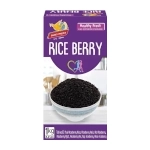
- for more aromatic sides and dishes like curry jasmine or other aromatic rice is often used (a guide can help with the directory Other rices),
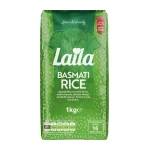
- for a grainier, fluffier style people typically reach for basmati rice,
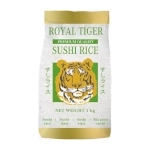
- for a stickier texture that suits bowls and more "compact" combinations it makes sense to use sushi rice.
2) Protein: less, but distinct
Protein doesn't have to be a huge portion. What's important is that it's flavor-wise readable and can pair well with rice/noodles and vegetables: tofu, tempeh, egg, fish, chicken, shrimp, or a legume component.
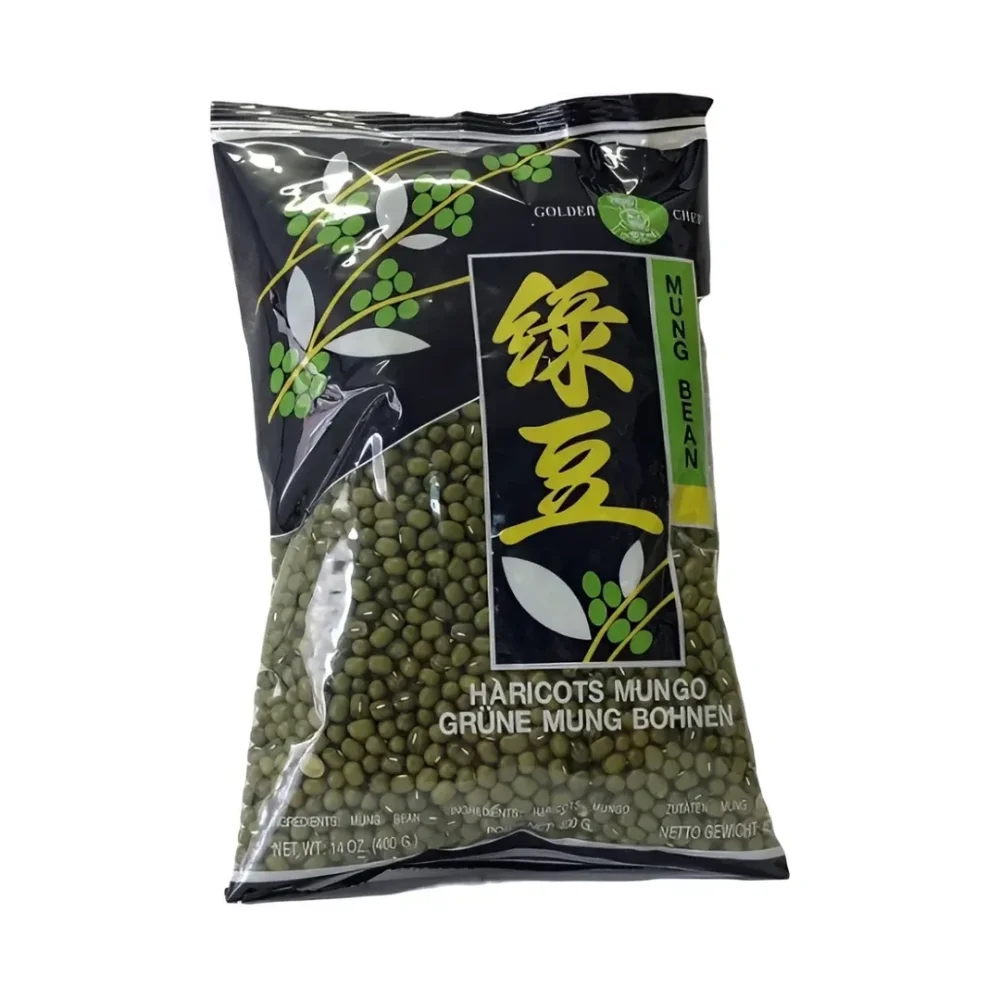
As a practical "family" example a legume component can be, for instance, mung beans – they have a mild flavor and take on spices and stronger seasonings well.
3) Vegetables: make them a full part of the meal
In family Asian cooking vegetables are often what determines whether the meal will feel light or heavy. It's good to combine at least two "positions":
- something crunchy / juicy (raw or only briefly prepared),
- something warm and soft (quickly stir-fried, blanched, braised).
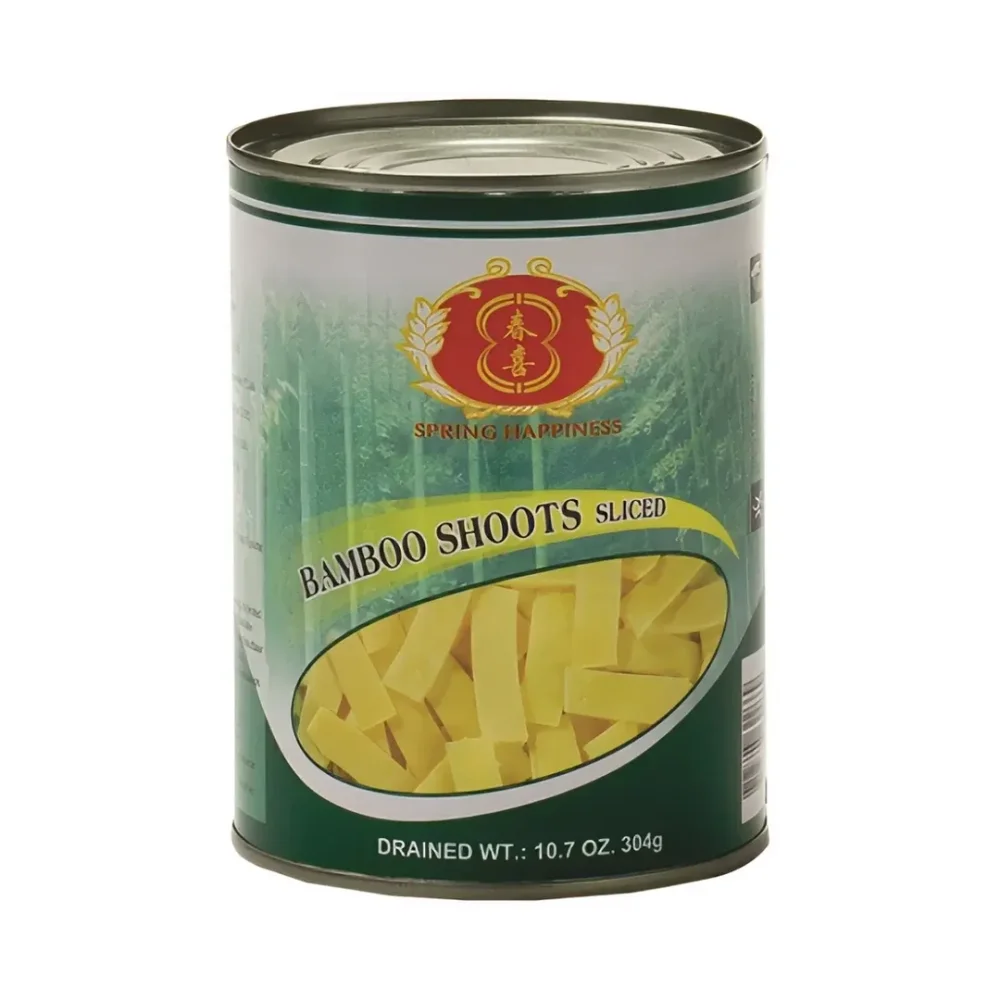
For crunchy texture many wok and saucy dishes also use canned vegetables like bamboo. A practical ingredient for the pan and soups is for example bamboo shoots (slices), which absorb sauce well while keeping structure.
4) Sauce or dressing: less, but precise
With lighter dishes the key discipline is: don't drown everything in sauce, but add just enough to bind the components. A good strategy for family is to start "cautiously", mix, taste and only then add.
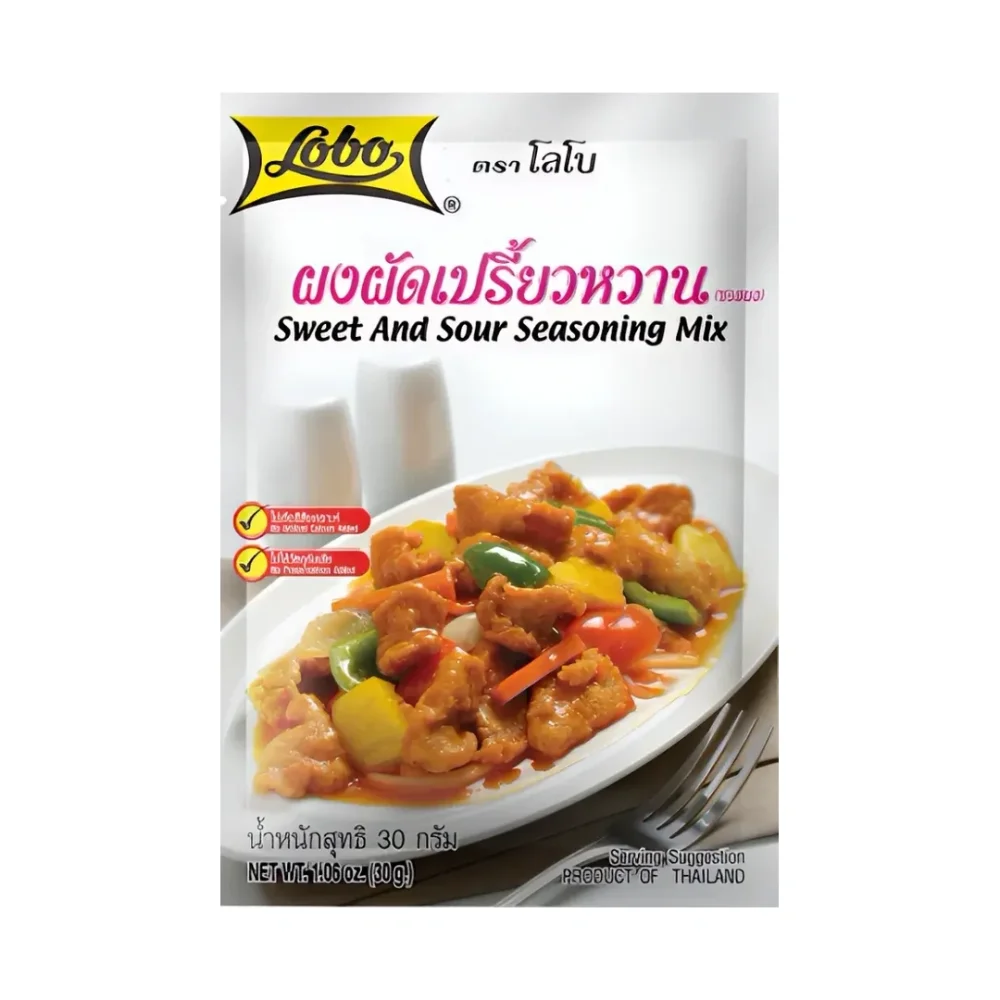
For sweet-and-sour style, which is often accessible to kids, there are mixes that are used quickly: for example sweet-and-sour sauce mix is typically just mixed and briefly simmered – and then it's up to you how much you put into the dish (here "less" is often more, so the vegetables and protein remain readable).
5) Final contrast: the detail that lifts the whole dish
This is often the difference between "something with sauce" and a truly balanced bowl. The final contrast can be lime, herbs, pickles, sesame, nuts, chili – or a few drops of something pronounced.
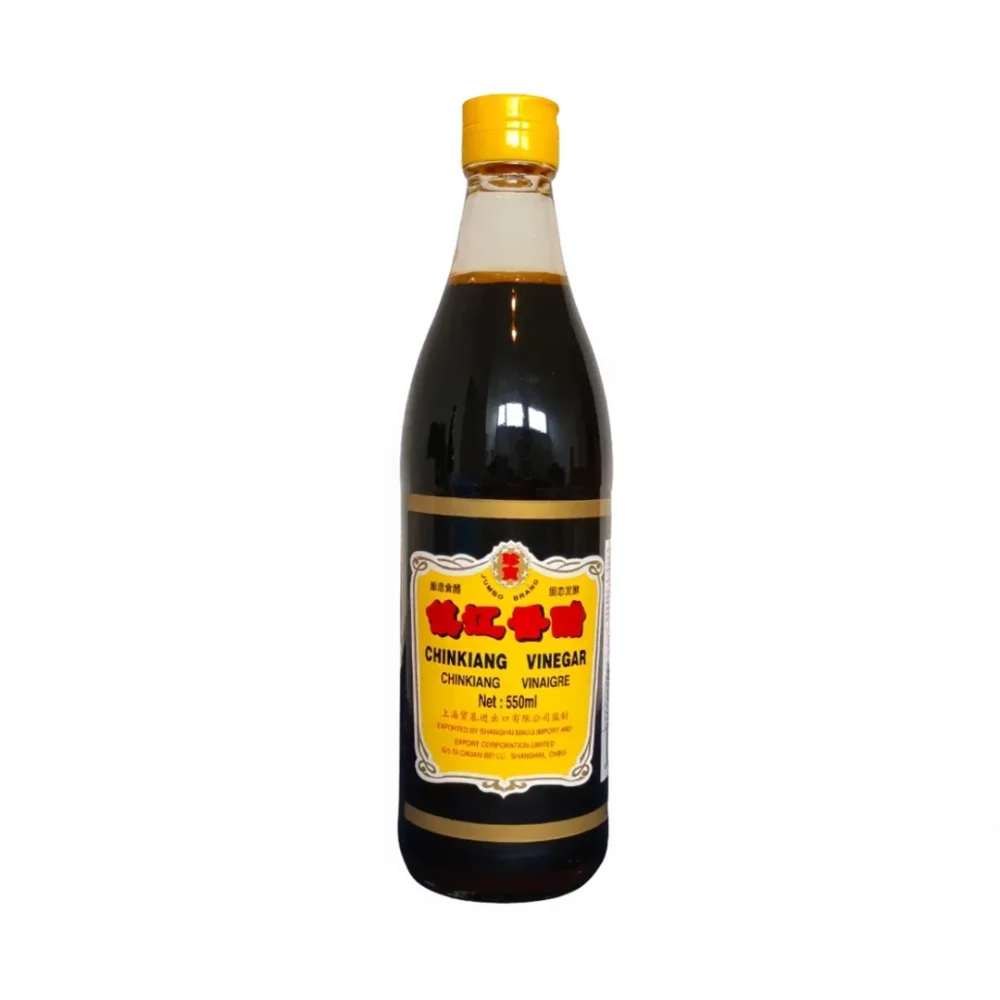
- For acidity in dressings and darker sauces rice vinegar is also used; an example is black rice vinegar, which is worth adding in small amounts and tasting.
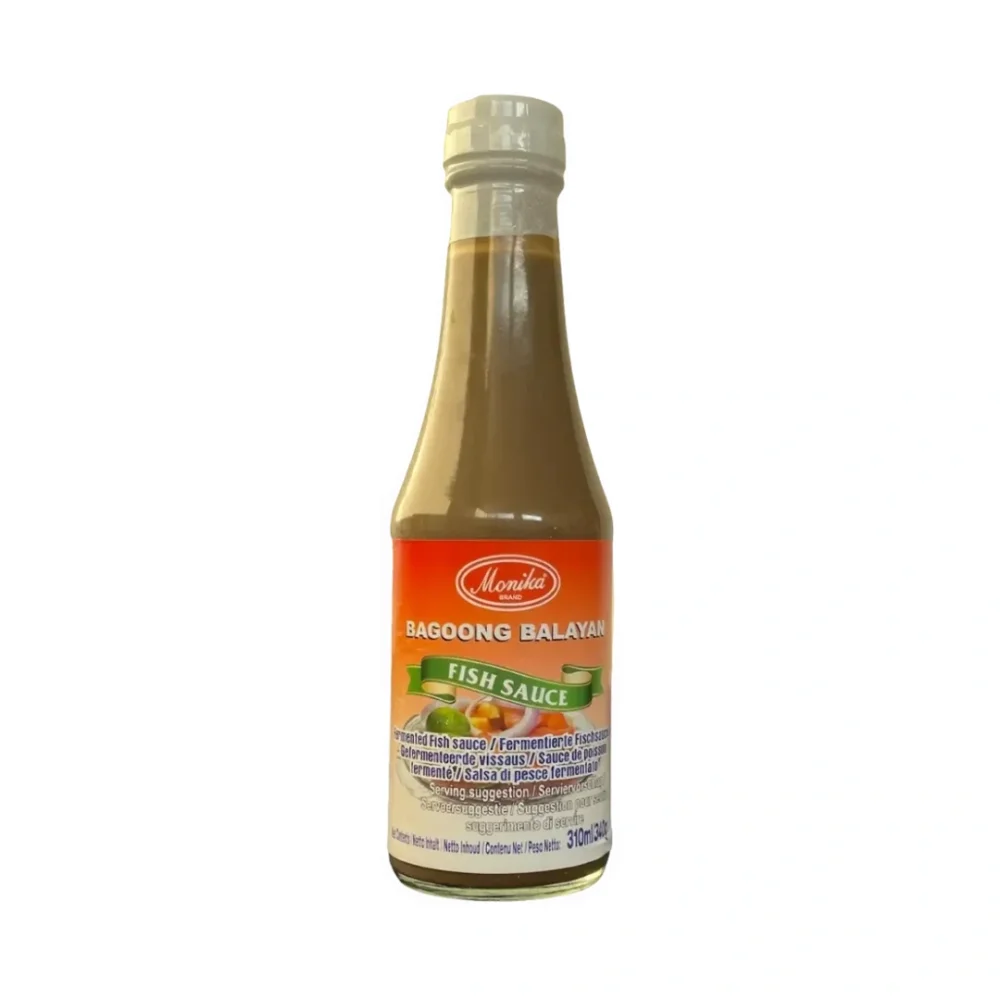
- For umami and saltiness a very small amount of fermented seasonings can work – for example Balayan fermented fish sauce, where often just a few drops are enough.
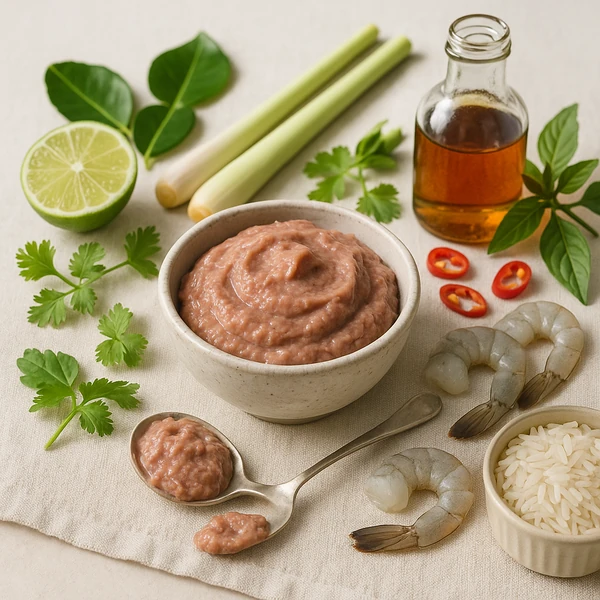
- An even more intense profile is shrimp paste: use it really sparingly so it doesn't overpower the whole dish. It's suitable for curries, sauces, soups and stir-fries, but in family cooking dosing "with feeling" is key.
🍳 Practical procedure for the first (and subsequent) family Asian dinners
Family cooking is mainly about being able to repeat. This is a simple procedure based on techniques and the structure of the plate, not on one specific recipe.
- Choose the base: rice or noodles. If you want an easy orientation at home by rice structure, the division into basmati vs. stickier sushi ricehelps.
- Decide on the technique based on time: when you're in a hurry, the quick pan (stir-fry) wins. When you want calmer cooking, a drawn broth and gentle simmering, or slower braising for deeper flavor, works.
- Prepare ingredients ahead: for quick wok dishes cutting and order decide – when everything is sliced and at hand, cooking is short and controlled.
- Make vegetables a full component: give them space (not just "a handful for garnish") and combine textures. Crunch can also be added by ingredients like bamboo shoots.
- Add sauce gradually: with lighter dishes it's essential not to pour too much. Whether you work with a ready mix or your own dressing, follow the principle: first bind, then adjust.
- Season by drops and pinches: with strong umami seasonings start really small. For fish sauce often a little is enough a few drops for the whole portion; for shrimp paste a small amount. Add acidity (e.g. rice vinegar) rather in small doses and always taste to see what it does to the whole.
- Serve component-style if you have picky eaters: take inspiration from the Korean table – rice, soup/stew and several small bowls. Or the bibimbap logic: everyone can mix to their liking.
Tip for variety without stress: when you have a good base and vegetables, you only swap the protein and the final contrast. Sometimes it will be acidity, other times herbs, sesame or a “few drops” of umami.
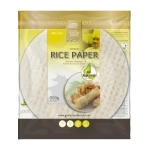
For family handheld meals the fresh roll principle also works: rice and vegetables can be assembled into rice paper and everyone can adjust the amount of sauce individually.
⚠️ Most common mistakes in family Asian cooking (and how to fix them)
- Mistake: “Light” = small portion or minimal fat.
Fix: focus on plating. Lightness often comes from vegetables, herbs, acidity and texture – not just restriction. - Mistake: everything drowned in sauce.
Fix: use sauce as a binder. Add gradually, mix, taste. Strong seasonings should be dosed in small amounts. - Mistake: trying to balance a dish only with sweetness or heat.
Fix: add acidity (in small doses), something fresh and something crunchy. Balance through contrast, not by “more of everything.” - Mistake: vigorous boiling for broths and soups.
Fix: for many Asian broths and sauces a gentler simmer is important, not aggressive bubbling. It helps draw out flavor and keeps a cleaner base. - Mistake: quick pan without preparation.
Fix: stir-fry needs discipline: pre-cutting, ingredient order and temperature control. When you prepare, it’s one of the most family-friendly techniques. - Mistake: noodles overcooked or “finishing” in the broth.
Fix: some noodles (typically ramen) have short cooking times and easily overcook; they also soften further in the broth. It helps to cook them to time and serve so they keep their texture. - Mistake: starting too broadly and ending up with chaos.
Fix: pick one “entry door” (style) and a few repeatable bowls. Only then expand.
What to take away from the article
- Family Asian cooking is not about “diet tricks,” but about smart plate building: base + protein + vegetables + moderate sauce + final contrast.
- The quickest path to success is to choose an initial style (“entry door”) based on your family's taste, time, and the pantry items you want to keep at home.
- The Korean model (rice + soup/stew + multiple small sides) is practical at home: the meal is balanced and everyone can take what they want.
- For lighter dishes it’s key not to drench them in sauce and to balance with acidity, freshness, texture and umami.
- The most common “family” improvement comes from prepping ahead (cutting) and dosing strong seasonings bit by bit.

Read next
If you want to explore this topic further, continue with these related blog guides and articles:
