


 Česky (CZK)
 Slovensky (EUR)
 Deutsch (EUR)
 Austria
 Belgium
 Bulgaria
 Croatia
 Denmark
 Estonia
 Finland
 France
 Germany
 Greece
 Hungary
 Italy
Italy Latvia
 Lithuania
 Luxembourg
 Netherlands
 Poland
 Portugal
 Romania
 Slovenia
 Spain
Spain Sweden










Fast Asian meals in 30 minutes: how to choose and assemble noodles, rice, and cold bowls
Fast Asian meals are not a "simplified restaurant," but a distinct world built on quick finishing, bold flavors, sauces, and texture. Once you understand the main formats (noodles, rice bowls, soups, cold dishes), you can make smart choices at home – and realistically fit into 30 minutes without compromising on taste.
Time is a key ingredient in Asian urban food. Not because cooking is "careless," but because many dishes rely on fast service and precise seasoning: the sauce, dip, and final layers (acidity, chili, crunch) often decide more than long cooking.
This is also the inspiration for home cooking: instead of searching for a single "fastest recipe," it’s better to learn a few formats that are fast by their very nature – and be able to adapt them according to taste and what you have at hand.
What "fast food" means in the Asian concept (and why it comes from street food culture)
Asian street food is not just "food from the street." In many parts of Asia, it is an important everyday way of eating that connects speed, accessibility, bold flavor, and often strong local identity. Typical features worth transferring to home fast cooking:
- quick preparation or fast finishing of the dish in front of the diner,
- specialization (one dish, a few steps, balanced flavor),
- strong role of sauces, dips, and final seasoning,
- texture and contrast (soft vs crispy, juicy vs firm),
- focus on flavor that is "readable" and unmistakable.
Street food is not just hand food
A common mistake is to reduce street food to something you eat while walking. But noodle and rice bowls, soups and broths, grilled meats, fried foods, pancakes, desserts, and drinks also belong to the same world. Takoyaki (Japanese dough balls with octopus), satay (grilled skewers), Vietnamese bánh mì (sandwich), or Indian pav bhaji (spiced vegetable mix with bread) appear "on the street" differently than soups like phở, laksa, or bakso – but they all still fall into fast urban food.
Hawker centers, markets, stalls, warung: why it makes sense for home fast meals
The speed of street food often doesn't come from magic but from the environment: hawker centers (community canteens with stalls), markets and night markets, small stalls at transport hubs, or warungs (small businesses in the Indonesian context) rely on the fact that the base is prepared and the food is quickly finished. The same logic works at home: if you choose a format and prepare a "flavor core" (sauce/dressing) and one crunchy or fresh element, 30 minutes is realistic.
Which formats fit best within 30 minutes: noodles, rice bowls, soups, and cold dishes
Fast Asian meals have several recurring formats. It's not only about what you cook, but also what type of meal you are actually building: broth vs sauce, dry vs soupy, hot vs cold, hand food vs bowl.
Noodles: soupy, wok-fried, "dry," and cold
Noodles in Asia are often not a side dish but the core of the meal – carrying the broth or sauce and determining texture. For fast cooking it's practical to think in four families:
- Noodle soups and broth bowls – typically include dishes like phở, ramen, or laksa. Character is defined by the broth/soup base and how well the noodles keep their texture in it.
- Stir-fried and wok noodle dishes – fast high heat, good timing, a sauce that coats but doesn't drown the noodles.
- Dry, mixed, and dipped noodles – dishes with less sauce where texture comes from the noodles’ elasticity and final seasoning.
- Cold and seasonal noodles – fast especially when based on dressing and texture contrast (e.g., Korean naengmyeon or spicy bibim naengmyeon as typical examples).
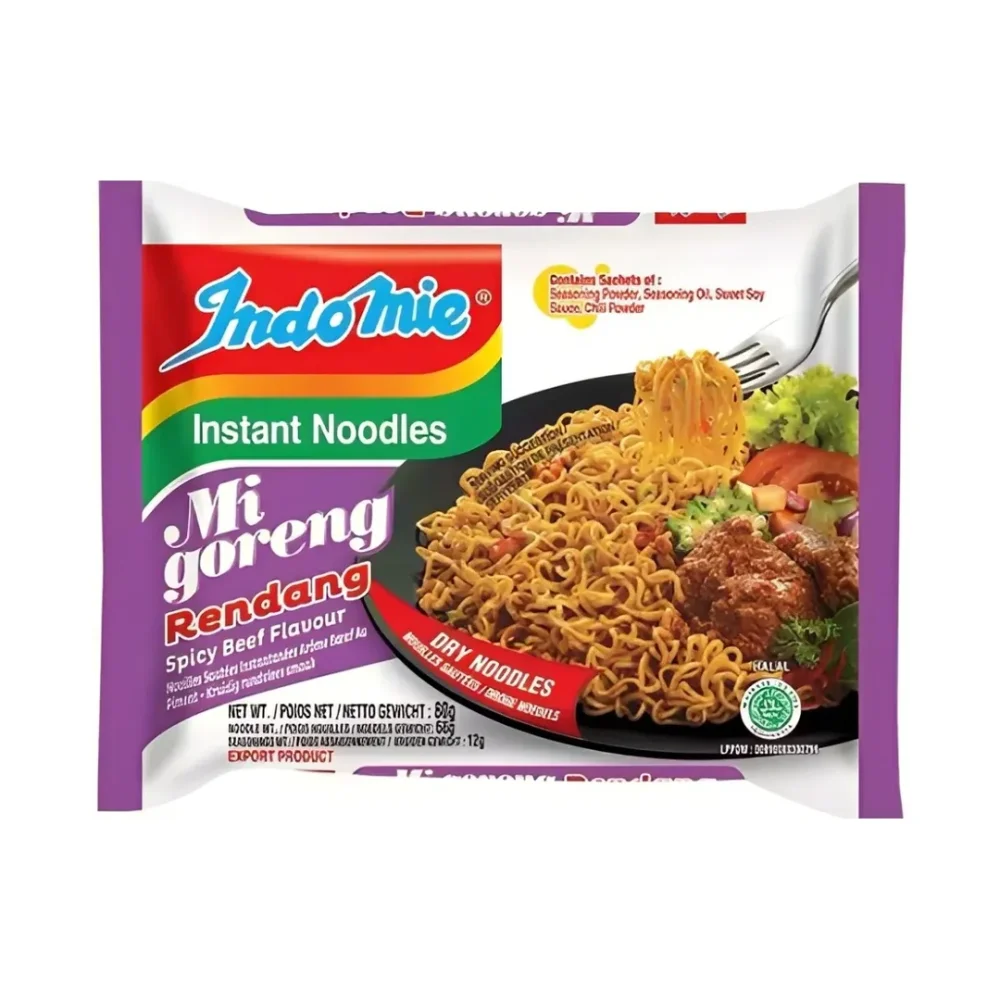
A practical home example of "fast" dry noodles is the Indonesian goreng style (dry fried noodles). If you want a base that is ready within minutes and can be easily topped with egg or vegetables, you can use for example IndoMie instant noodles Goreng Rendang – consider it a fast platform, not a final peak.
Rice bowls: rice is not a "side," but the center of the meal
In many Asian cuisines, the main question is more about "what will go with the rice" than "what side dish to serve." This makes rice dishes great fast meals: the bowl works as a whole and doesn't require complex side dish logistics. For orientation, these worlds are mainly useful:
- Rice with toppings in one bowl – typically includes Japanese donburi (the bowl held by hot rice and a bold topping, often slightly sauced). Donburi is not just "rice with something" but a style of quick comfort food; variants include gyudon, oyakodon, or katsudon.
- Mixed and composed rice dishes – rice mixed and seasoned with multiple ingredients; examples include bibimbap or nasi goreng.
- Flavored and regionally aromatic rice (e.g., nasi lemak) and festive layered dishes (e.g., biryani) are great but don't always aim at "fast 30 minutes," especially if starting from scratch.
Cold and lukewarm dishes: speed through freshness, acidity, and dip
Asian salads and cold dishes are not just "vegetables with dressing." They are often full main meals built on herbs, acidity, chili, umami bases (such as fish sauce or soy seasoning in general), crunch, and good dips.
- Rolls (typically gỏi cuốn – Vietnamese fresh rolls) rely on rice paper, herbs, noodles, and dip.
- Noodle salads and cold noodles work as a summer lunch or quick dinner if you have prepared dressing and something "on top" (tofu, egg, meat, vegetables).
- Bold salads like som tam or larb show how far "salad" can be from the European idea of leaves and yogurt.
A practical advantage of cold cuisine is clear: part of the work is more assembling and seasoning than long cooking – and that's why it fits so well with the street food rhythm.
Fried and crispy: quick snacks and "something extra" to a bowl
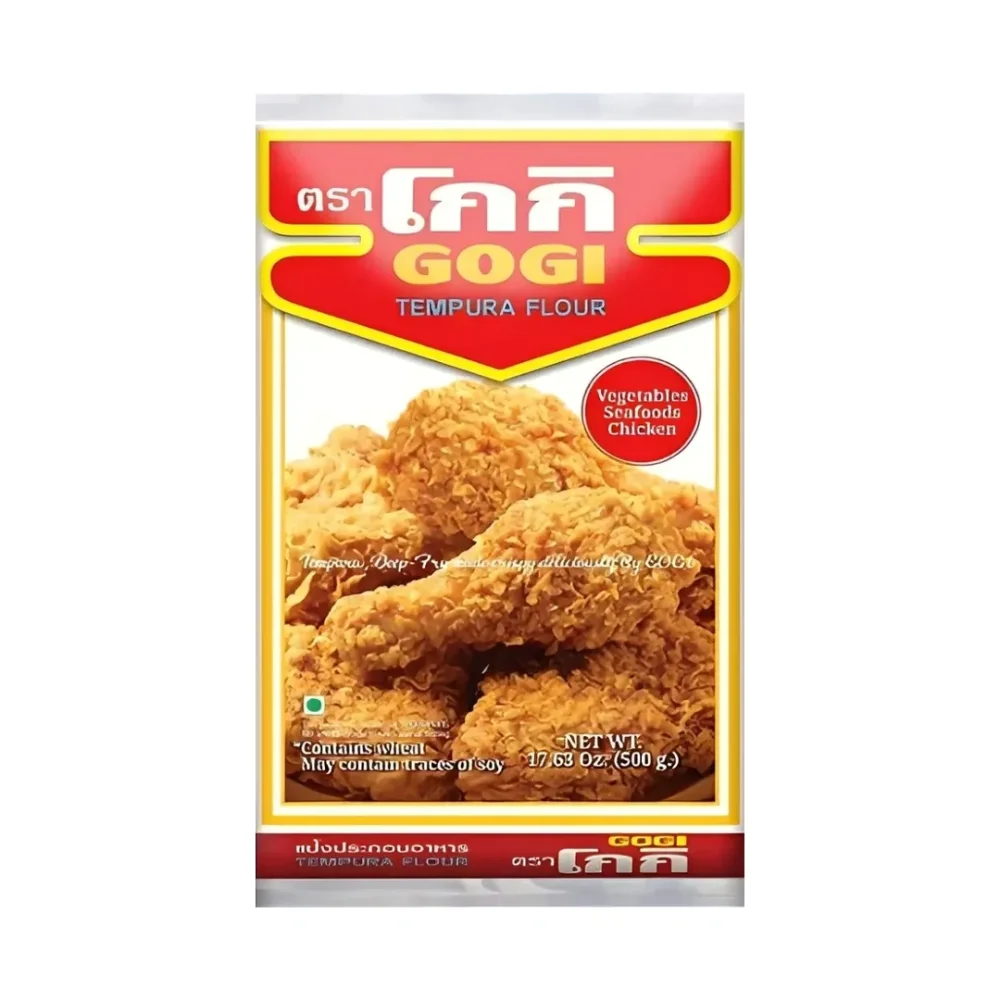
Fried foods and pancakes also belong to fast meals. If you want to quickly add a crunchy element to a bowl (or make a separate light fried bite), tempura batter is a typical "fast" format: short coating, quick frying, clear texture. For home tempura, a ready mix can help Gogi Tempuradesigned for light crispy batter for vegetables, meat, and seafood.
Practical plan: how to assemble Asian food at home in 30 minutes to taste "finished"
The fastest way is not to look for a "miracle recipe" but to use street food logic: choose a format (noodles / rice bowl / cold bowl), make one bold flavor axis (sauce, dressing, spice mix) and fine-tune the texture (crispiness, freshness, contrast).
1) First decide: broth or sauce?
For noodles, this is fundamental. A broth bowl makes you focus on the purity and strength of the liquid base. Wok/dry noodles rely more on a sauce that nods to the noodles. A guide:
- I want a "comfort bowl" and warmth → more broth logic (typically ramen, phở, laksa).
- I want fast, bold, and controlled texture → more sauce/dry logic (wok noodles, goreng, fried rice).
2) Add sauce rather by teaspoons than "by eye"
Street food often works with flavor that is bold but readable – at home, overpouring often spoils this. With concentrated sauces, it’s better to start low and add more.
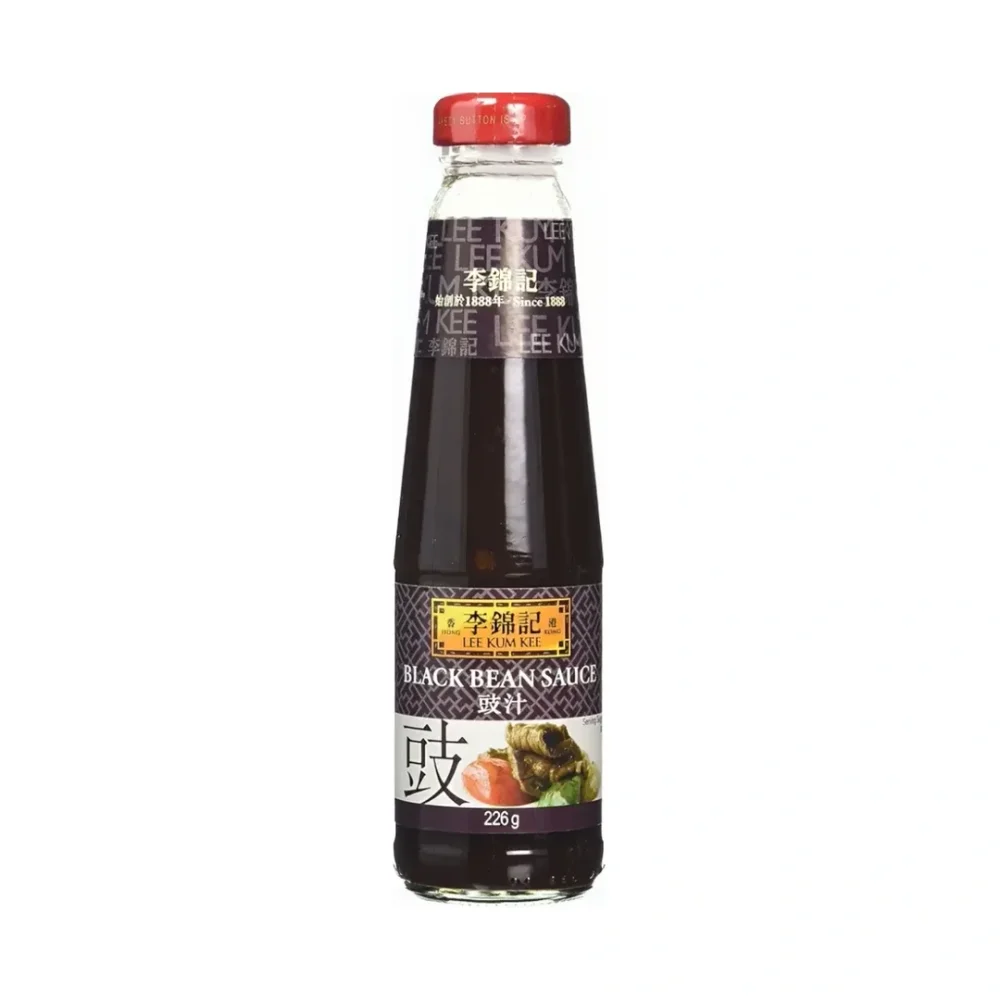
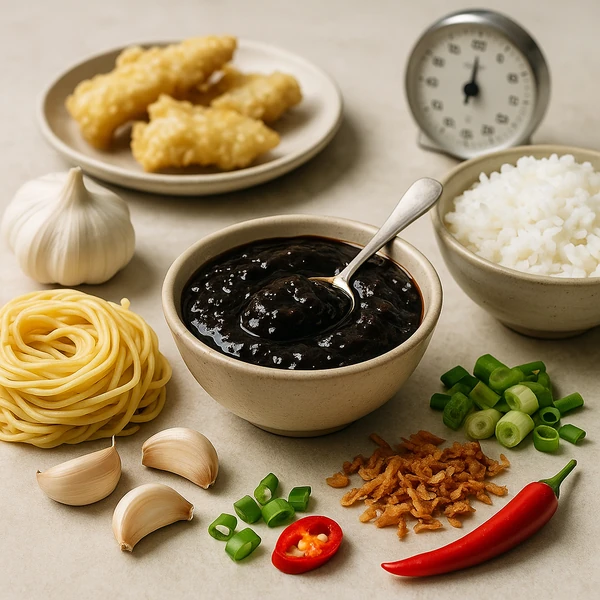
- For quick stir-fry (vegetables, tofu, noodles), Lee Kum Kee black bean saucecan serve as an umami base. In practice, it’s often safe to start with about 1-2 teaspoons per serving, mix, and then adjust – this flavor can be dominant.
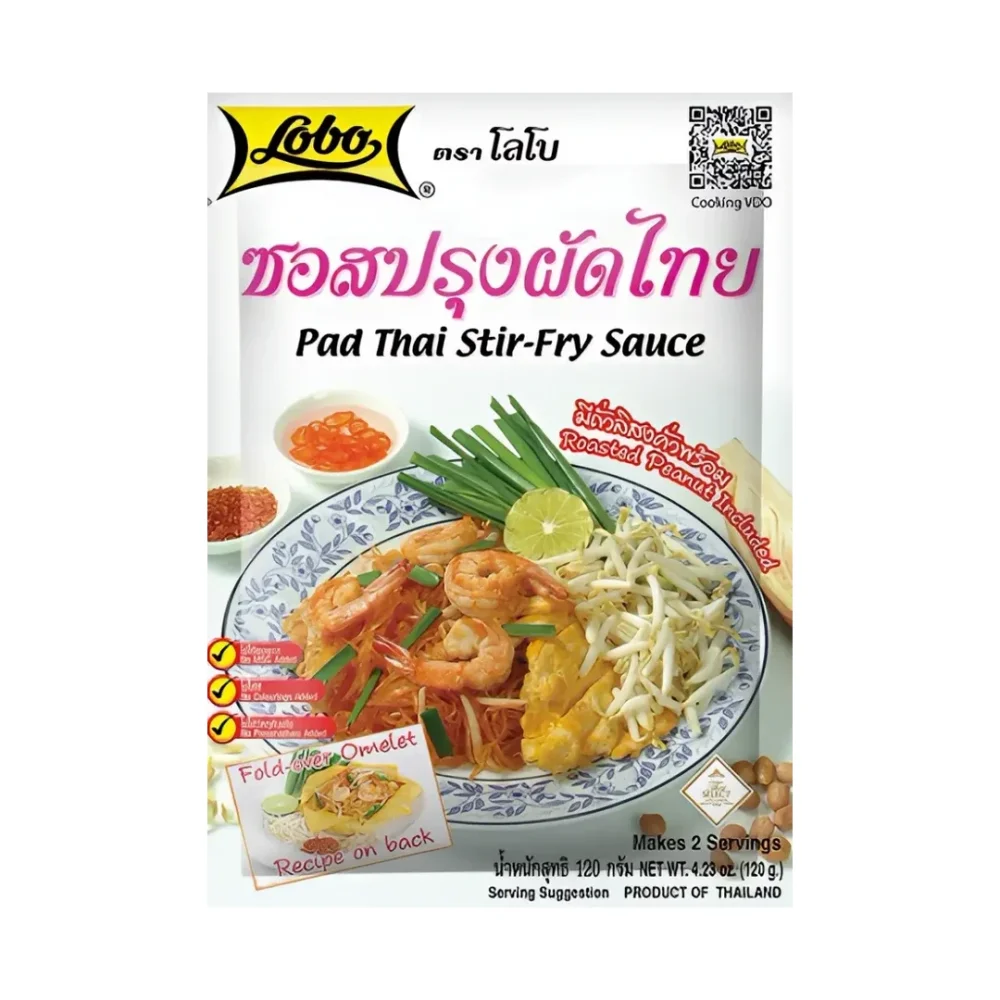
- If you want a Thai-style noodle "pan" quick meal, a ready sauce like Lobo Pad Thai sauce with roasted peanuts will quickly give you a recognizable profile. Here too, it’s good to add gradually by teaspoons so the noodle texture remains pleasant and the dish doesn’t feel heavy.
3) A rice bowl works when the topping "has a reason"
For rice bowls (donburi logic, rice with topping), it’s good to ensure the top layer is not just a random mix. The topping should be boldly seasoned and ideally slightly juicy/sauced to combine with the rice into one bite. How to achieve this quickly:
- choose one main flavor (e.g., black bean/umami sauce, curry profile),
- make one bold texture (crispiness, fresh element, or on the contrary soft),
- add final seasoning like at a stall (acidity, chili, something aromatic – depending on your taste).
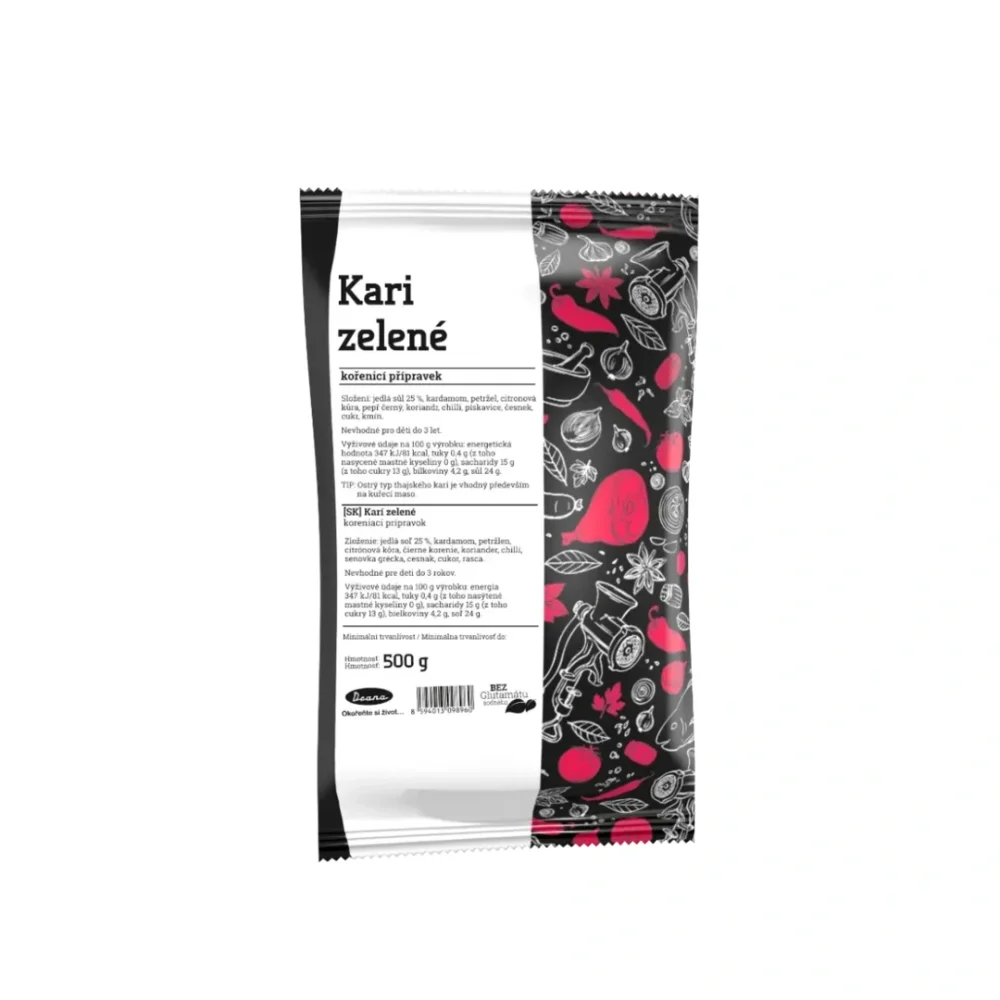
For a quick "curry direction," a spice mix like Drana green curry: quickly frying the mix and then briefly cooking it with what you add to the curry often does most of the work for you (and also fits quick noodles or vegetables).
4) Don't forget the final layers: sauce isn't everything
One of the things that makes street food "finished" are the final layers and contrasts. At home, this often means adding something that:
- enhances flavor without more cooking,
- adds crunch or aroma,
- helps "tie" the dish into the last impression.
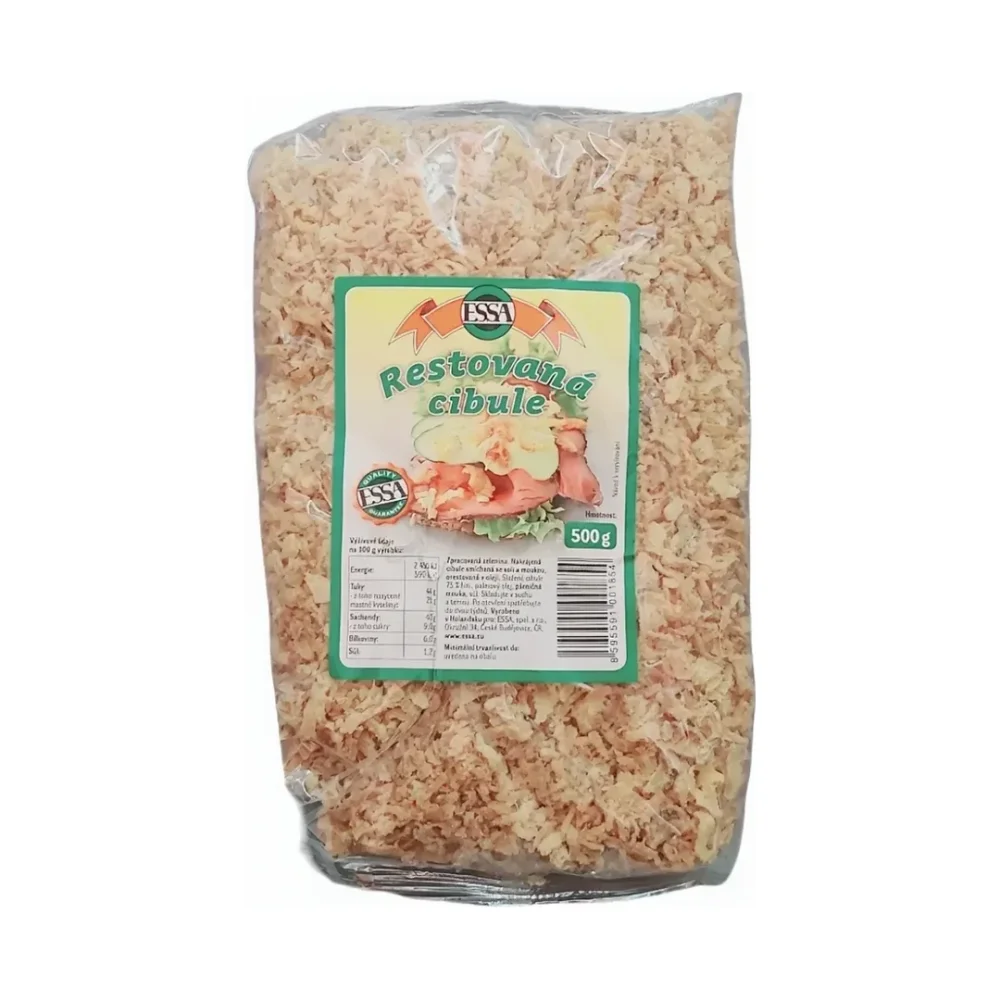
A simple practical helper is crispy onion layers: ESSA fried onions can be used as a quick base in the pan or as a final topping – often replacing long frying that would break your 30-minute time budget.
5) Quick street food-style dessert
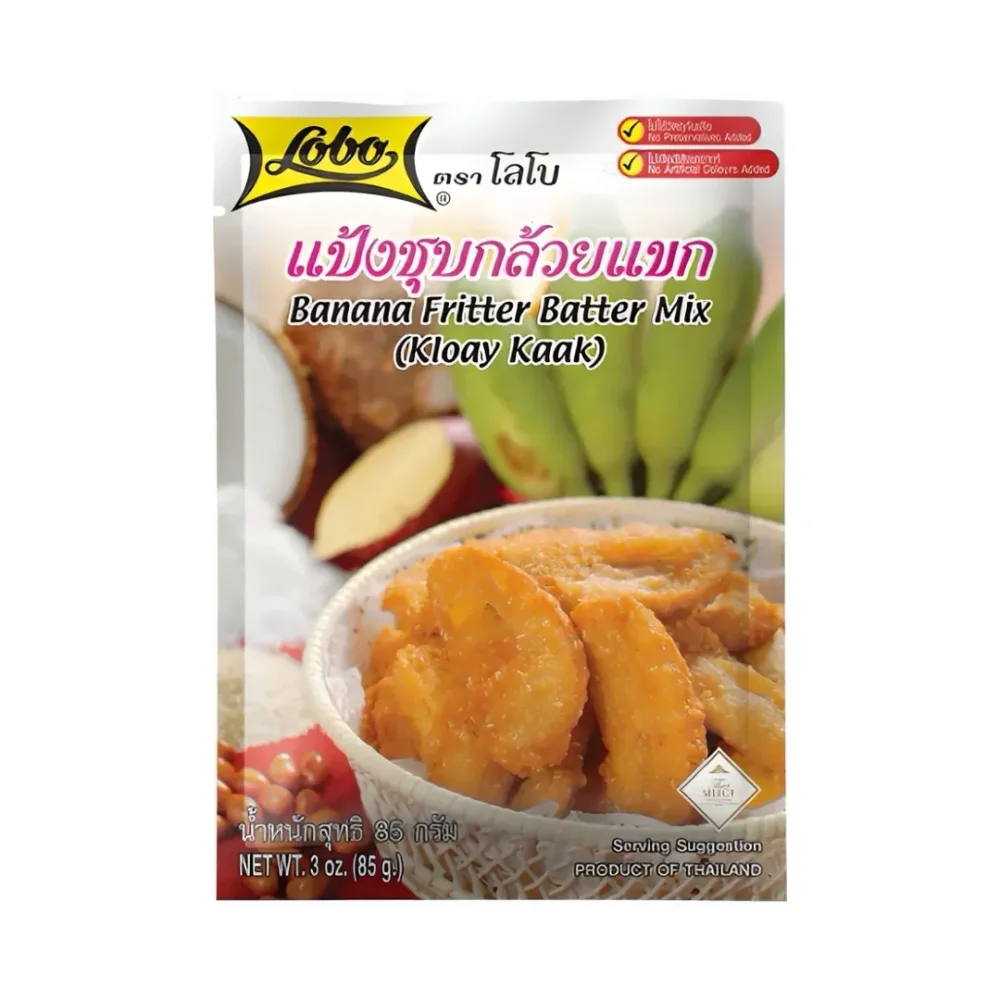
The street food world also includes sweets. If you want to quickly make a crispy fried dessert in Thai style, the coating mix Lobo for fried bananas (Kloay Kaak) is an example of a format where the same principle shows again: simple base and strong texture.
Most common mistakes with fast Asian meals (and how to spot them early)
- "Street food = hand food" – this misses the fastest formats altogether: noodle and rice bowls, soups, and cold dishes. When unsure what to cook, first think about the format (bowl/pan/soup/roll), then about the specific dish name.
- Too much sauce = ruined texture – for wok and dry noodles, the sauce should coat, not drown. When noodles are "mushy," the problem is often not the noodles but the amount of liquid. Solution: add gradually, cook briefly, and season at the end.
- Wrong expectations for cold cuisine – cold Asian dishes don’t have to be diet or bland. If they are "flat," they usually lack acidity, chili accent, herbs, or a well-built dip/dressing.
- Trying to fit a meal that’s more of a festive format into 30 minutes – some rice dishes (layered, festive) have a different rhythm than a fast bowl. If you want speed, stick to bowls with topping (donburi logic) or mixed pans (nasi goreng/bibimbap logic as typical examples).
- Forgotten final layers – street food is often "finished" at the end (sauce, topping, dip, contrast). When the food tastes incomplete, try adding a final element instead of cooking more: crispiness, acidity, or an aromatic topping.
What to take from the article
- Quick Asian meals are not a trick, but a set of formats: noodles (soup and dry), rice bowls, cold dishes, and crispy fried items.
- Street food logic is based on quick finishing, bold and clear flavors, sauces, and textural contrast.
- With noodles, it's crucial to decide whether you are focusing on broth or sauce – and adjust the texture accordingly.
- In rice bowls, rice is not secondary: the bowl should work as a whole, where topping and rice make sense together.
- The most common mistake in homemade fast meals is overpouring sauce and missing the final seasoning.

Read next
If you want to explore this topic further, continue with these related blog guides and articles:
