


 Česky (CZK)
 Slovensky (EUR)
 Deutsch (EUR)
 Austria
 Belgium
 Bulgaria
 Croatia
 Denmark
 Estonia
 Finland
 France
 Germany
 Greece
 Hungary
 Italy
Italy Latvia
 Lithuania
 Luxembourg
 Netherlands
 Poland
 Portugal
 Romania
 Slovenia
 Spain
Spain Sweden










Asian fast dinner after work: how to cook at home in the 'street food' style
After work, you often want only one thing: a dinner that is ready quickly, has a clear flavor, and doesn't feel like an emergency solution. This is exactly where the logic of Asian street food works well – a simple but strong base, bold seasoning, important texture, and a final sauce or dip. In the article, we will show you how to navigate quick Asian dinners, which formats are the most practical, and how to assemble them at home without unnecessary complexity.
Why Asian 'fast dinner' is often based on street food logic
Asian street food is not just 'food from the street' nor automatically food to eat with your hands. In many parts of Asia, it is an everyday way of eating, based on speed, availability, specialization, and very clear flavor. And these principles can be well transferred to a home dinner after work.
What is typical for street food (and worth copying at home):
- quick preparation or quick finishing at the last moment (food should be ‘right now’),
- specialization – one main dish, a few steps, no distractions,
- bold, easily readable flavor, often based on sauces and final seasoning,
- texture and contrast (soft vs. crispy, juicy vs. fresh),
- strong link to place – that’s why ‘street food’ dishes across Asia are very diverse.
In practice, this means: if you want a quick Asian dinner, don't think like with long weekend cooking. Think like a street stall: one clear format, quick work, bold finish.
What does 'street food style at home' mean (and what not to expect)
'Street food style at home' is not an attempt to literally mimic the street. It is an effort to understand what makes street food street food: speed, bold flavor, simple but strong base, texture contrast, dip or topping, and service without unnecessary complexity.
It’s fair to expect that at home you usually won’t exactly replicate:
- the same heat and pace of a professional stall,
- the 'rhythm' of preparing dozens of portions,
- large volume stocks, grills, and long-cooked bases,
- the atmosphere of a market, hawker center, night street, or small stall by a transport hub.
What you realistically can replicate at home:
- flavor profile (sweet-salty, fresh acidity, spicy finish – depending on what you cook),
- the logic of layering sauces, dips, and toppings,
- contrast of crispy, juicy, and fresh,
- ‘quick and bold’ character of the result.
The most practical formats after work: rice bowls, fried rice, and rice noodles
If the dinner is to be quick, the best functioning formats are those that often form a standalone meal in Asia (not just a 'side dish'): rice bowls, rice mixed with other ingredients, and noodles. Their advantage is simple: the base is stable and the rest is composed as toppings and seasoning.
1) Rice with topping in one bowl (donburi and related 'bowl' worlds)
The logic of these dishes is clear: hot rice at the bottom, a well-seasoned topping on top, often slightly saucy. A Japanese example is donburi – it’s not 'rice with something', but a whole style of meal meant to be quick, practical, and comfortable.
Typical donburi variants include oyakodon, gyudon, katsudon, unadon, tendon, or kaisendon. At home, it’s useful to take mainly the principle from them: rice + bold topping + a bit of sauce = a meal that makes sense as a whole.
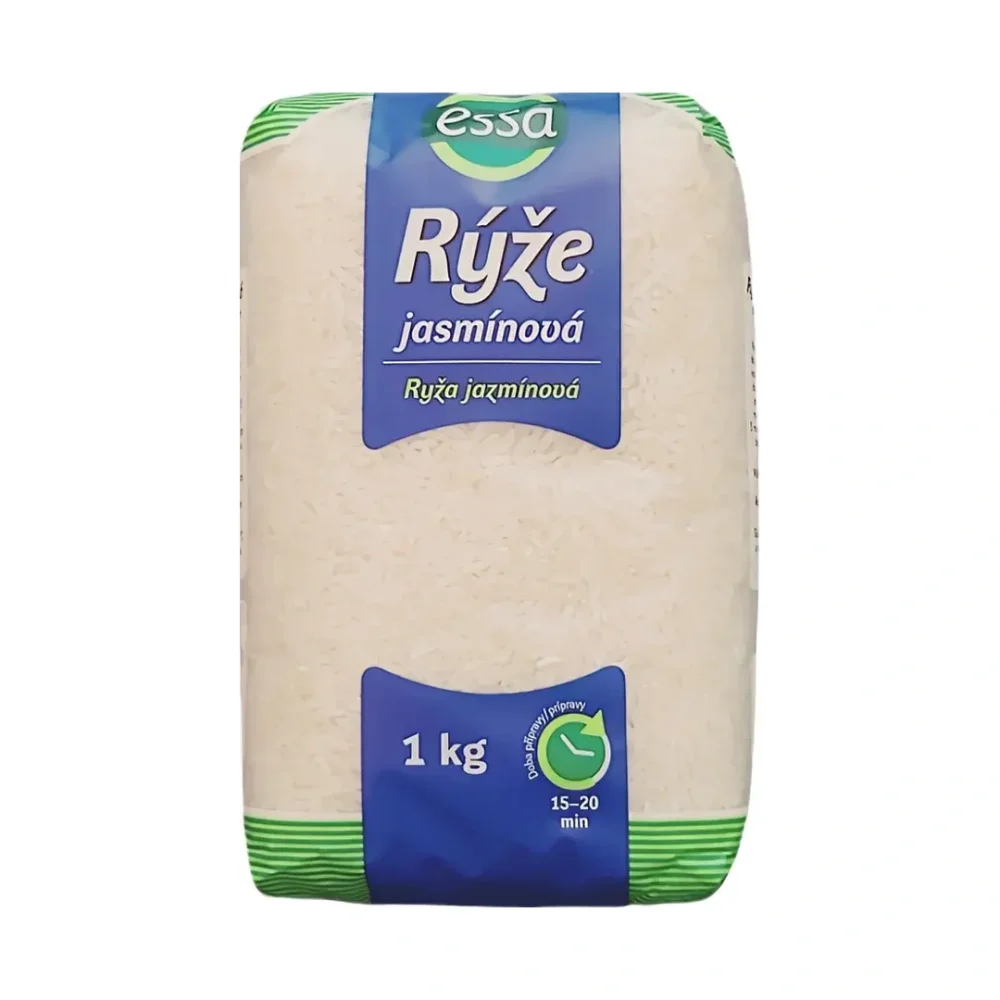
Aromatic rice like jasmine is a reliable base – for example, ESSA jasmine rice. (It’s not the ‘only correct’ rice for all Asian countries – but for quick after-work bowls, this type is very practical.)
2) Mixed and composed rice dishes (fried rice, nasi goreng, bibimbap)
The second world consists of dishes where rice is mixed, seasoned, or layered with multiple components. This includes various 'fried rice' approaches, Indonesian nasi goreng or Korean bibimbap. The shared principle: rice is not secondary – it is a carrier of flavor and texture at once.
A practical advantage after work: once you have cooked rice, the rest is mainly about quick mixing, correct order, and final seasoning.
3) Bold and 'regionally aromatic' rice (nasi lemak and related directions)
Another family consists of dishes where bold flavor is carried already by the rice itself – for example, nasi lemak and other rices cooked to have their own aromatic identity. For a quick dinner this is not always the shortest path, but it’s worth knowing that such a type of 'rice as the main star' exists in Asia – not just a neutral base.
4) Festive and layered rice dishes (biryani)
The fourth family includes festive, layered dishes like biryani. For a ‘post-work’ quick meal, it’s usually not the most practical format, but as a contrast it’s important: Asian rice dishes are not one category. Some are deliberately minimalist and quick, others are built on layering and a festive effect.
5) Rice noodles as a versatile quick base
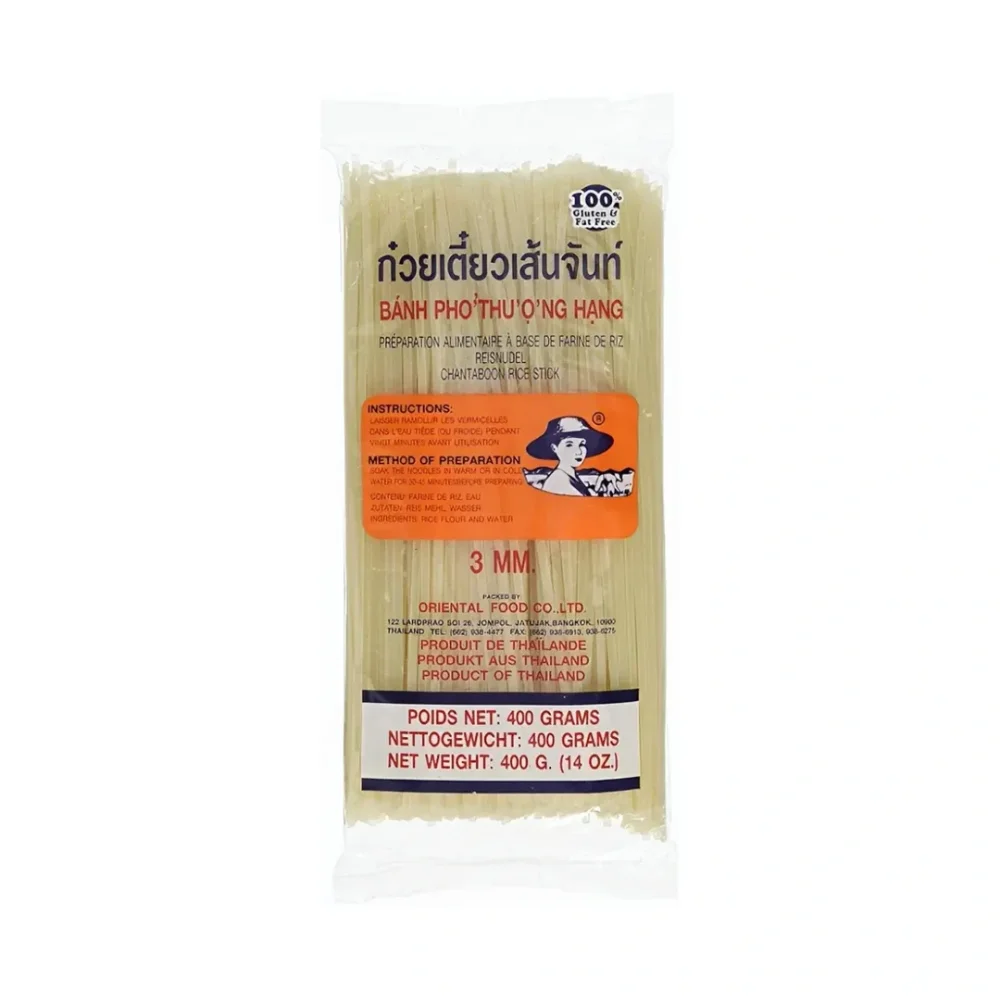
When you don’t want rice, rice noodles can fulfill a similar role: they cook quickly and carry sauce excellently. For ‘one pan / one pot’ dinners, medium-wide noodles are practical – for example, Farmer Brand rice noodles 3 mm – suitable for stir-fry, soups, and simpler cold variants.
How to choose direction: first style, then country
One of the most common beginner mistakes is trying to start 'Asian cuisine' as a single bundle. In practice, it doesn’t work: individual cuisines differ in taste, technique, cooking speed, and how much fresh aromatics they require. For quick dinners after work it’s more practical to choose an entry point based on style and what you already like.
Useful division by flavor and cooking type:
- I want cleaner and clearer flavors → often a Japanese-oriented style fits (bowls, clear logic, less ‘chaos’ in the pan).
- I want quick pan dishes → Chinese or generally wok-based entry works well (speed, output/time, but needs preparation discipline).
- I want bold, sweet-salty, and spicier flavors → Korea often fits well.
- I want freshness, herbs, and balancing acidity → Thailand or Vietnam is usually a good direction.
- I want spices, braising, and heartier foods → a strong entry path is India (and part of Sri Lanka).
- I want home-style, accessible dishes with sauce, rice, and acidity → the Philippines often work.
If you are mainly attracted to wok cooking: a Chinese-oriented start is great for quick dishes and excellent performance/time ratio. However, it also requires preparing ingredients beforehand (mise en place) and understanding the order and working with heat – this is exactly what makes a ‘quick dinner’ truly quick.
Practical construction of a quick dinner: base + topping + sauce + texture
Below is not a recipe but a usable building set in street food style. It is designed so that you repeat it with small variations instead of starting from scratch every time.
Step 1: Choose a base that carries flavor
- Rice (bowls, ‘with rice’ concept) – inspiration and ingredients can be found in the guide Rice and rice products.
- Rice noodles (pan, soup, cold variant) – the key is that they absorb sauce well and hold texture.
Orientation for one bowl (just as a home guideline, not a ‘rule’): the base should form the main part of the dish, the topping a smaller part – so that sauce and seasoning flavorfully ‘lift’ every bite but the entire dish is not just sauce.
Step 2: Make the topping quickly but purposefully
Street food often relies on specialization. At home, you can simulate it by choosing 1–2 things that make the ‘body’ of the topping: vegetables, meat, tofu, mushrooms, eggs – and not adding ten.
Practical accelerators that fit well into stir-fry and bowls:
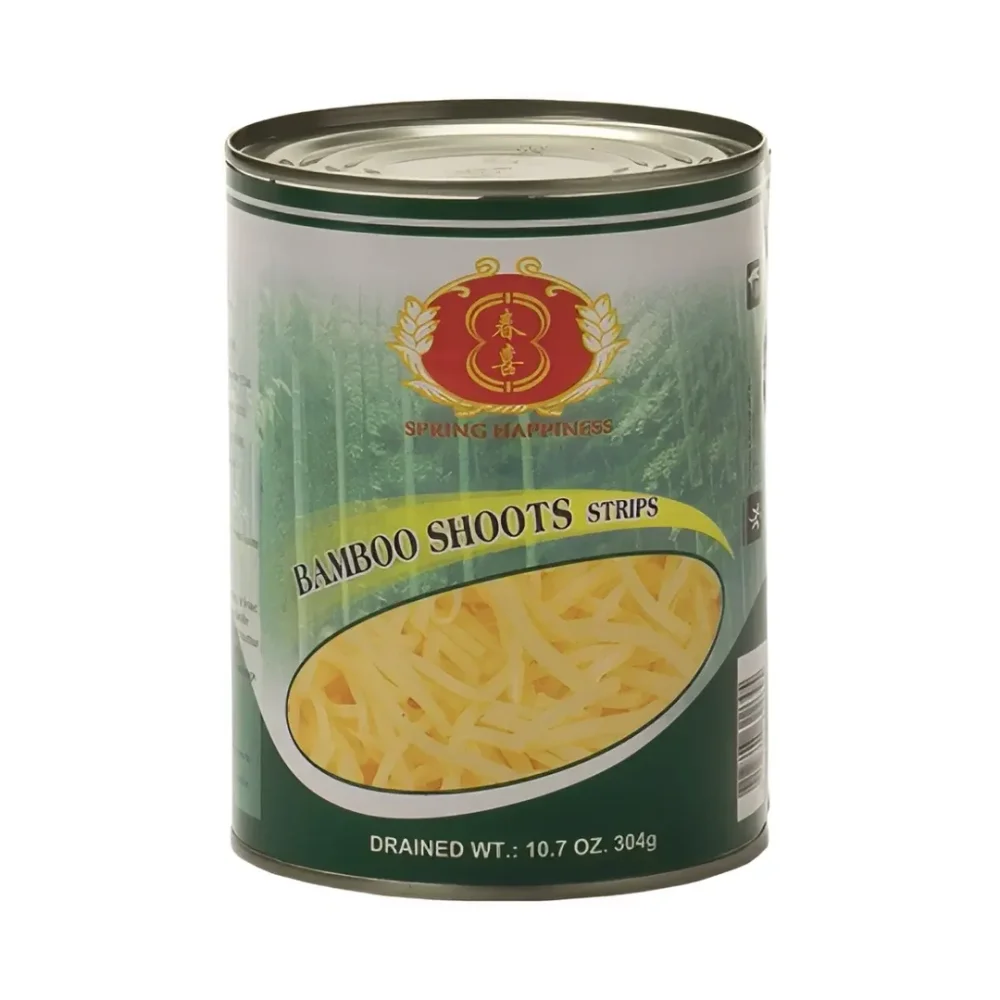
- vegetables that keep slight crunch and heat through quickly – for example, bamboo shoots in strips, which easily absorb sauce,
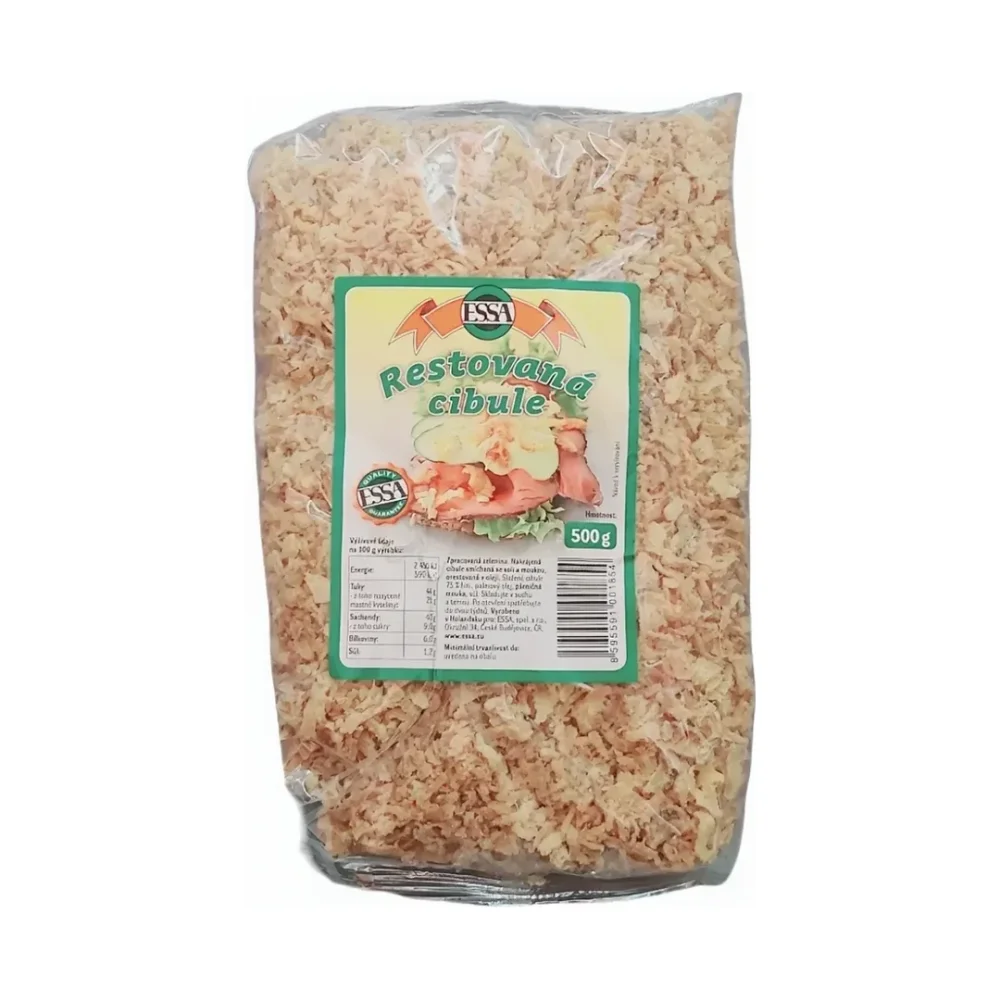
- flavor base without long frying – for example, ESSA fried onion, when you want fuller flavor even on days when you don’t feel like chopping and waiting.
If you go the wok route, the biggest ‘hack’ is simple: prepare everything beforehand and only then heat the pan. Without this, a quick dinner often ends as stress and soggy vegetables.
Step 3: Sauce and final seasoning – this is where the ‘street food’ effect comes from
Street food flavor is usually quickly readable and often based on sauce, dip, and final seasoning. When the base and topping are right, sometimes very little is needed to give the dish a clear character.
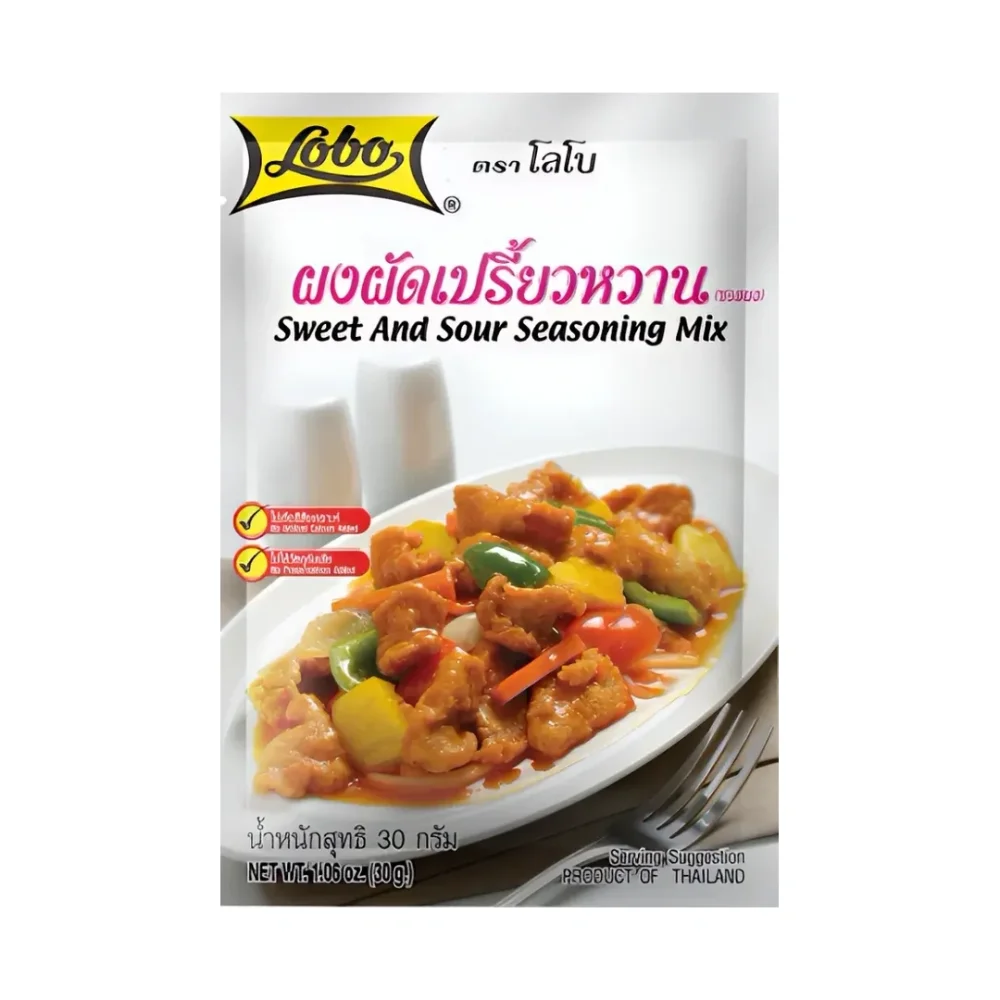
- Quick sauce without complicated mixing: if you want a classic ‘bold, easily readable’ profile, a ready-made mix like Lobo sweet and sour sauce mix can help – good when you want to stabilize flavor quickly and not guess by trial and error.
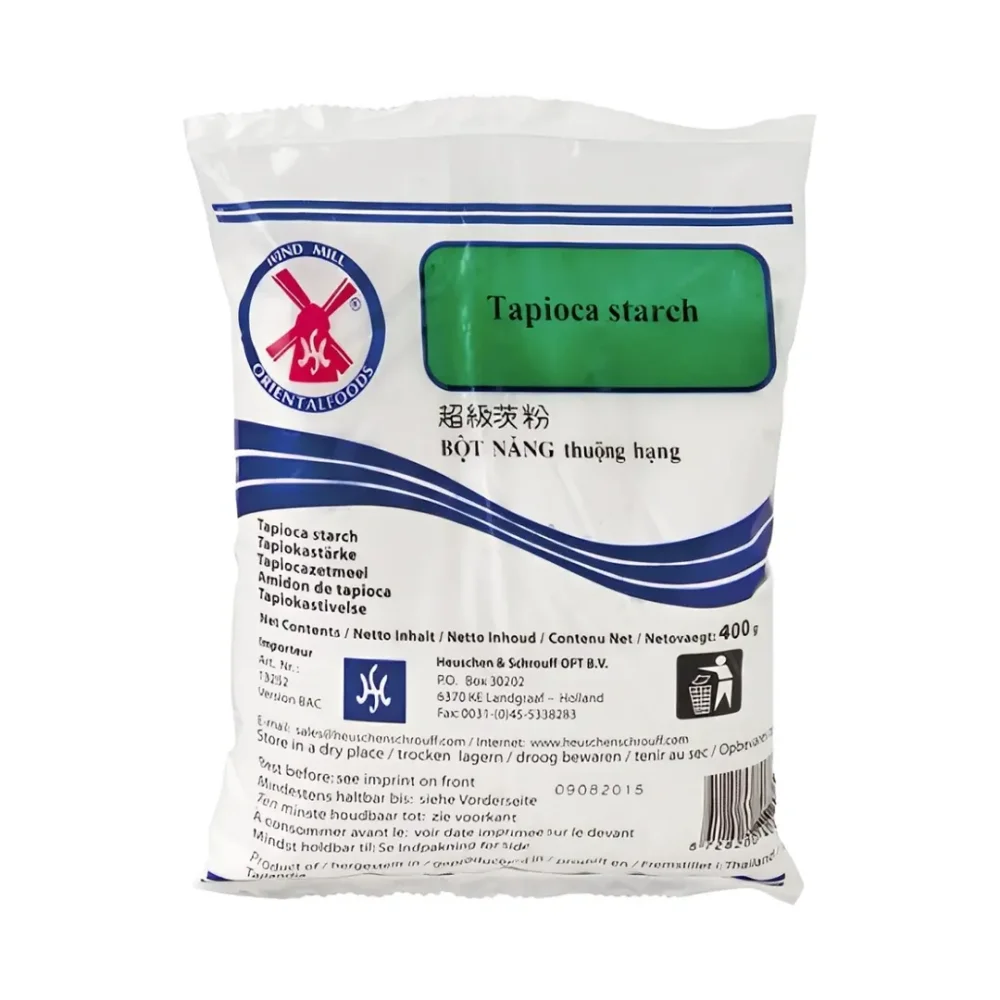
- Sauce texture: starches are used in Asian cooking for smooth, slightly glossy, and quick thickening. A practical example is tapioca starch, which helps the sauce ‘hug’ noodles or topping and stay on the surface.
- Crispy contrast: texture is essential in street food. If you want to occasionally add quick crispiness (vegetables, shrimp, chicken), a practical coating mix is Gogi Tempura. Not as a must, rather as an optional element for contrast.
At home, it’s often enough if for each dinner you ensure one thing: that there is something soft (rice/noodles), something juicy (topping), and something contrasting (crunchy, fresh, sour) on the plate at the same time.
When dinner has to be quick, storage (safety vs. quality vs. texture) also matters
In quick Asian dinners, storage is surprisingly important because many flavors rely on ingredients that are stable but sensitive to conditions. Moreover, it’s useful to distinguish three different levels:
- Safety – whether the food is health-wise okay.
- Quality – whether it tastes as it should (even safe ingredients can be flavor-wise ‘tired’).
- Texture – often crucial in Asian cuisine (crispness, elasticity, cohesion).
Typical examples where it breaks: soy sauce after opening is usually safe, but without cold and protection from light it loses freshness faster; miso is stable, but it darkens and changes taste when warm; sesame oil may be safe longer than its best aroma lasts. And also: cooked rice is a raw material for which discipline pays off in terms of safety – do not leave it standing unnecessarily long and work cleanly.
For quick dinners after work it has a simple impact: if you want a "street food" taste, you need the sauces and bases to always be in good condition. Otherwise, you'll keep adding more and more seasoning – and it still won't be right.
Most common mistakes after work (and how to fix them)
- “Street food = food to-go” → No. Street food is a quick food system and often involves bowls, rice, noodles, and soups. Focus on speed, sauce, and texture, not on the "to go" format.
- I try to literally copy the market → At home, you usually don't have the same heat or pace. Replace that with a good order of steps, final seasoning, and contrast of textures.
- I start with “Asian cuisine” in general → Choose your entry based on style (wok, bowl, fresh herbs, spiced braising). Otherwise, you'll end up buying lots of items without a clear direction.
- I underestimate preparation for wok → If you cut everything only while frying, it won't be fast and you'll lose control over texture. Prepare ingredients in advance.
- I miss the final “signature” → The food is cooked but flat. The street food effect is often made by sauce/dip and final seasoning – even if it’s just one clear flavor line.
- Texture breaks down during storage → For some ingredients, “still edible” can be practically the same as “no longer usable” (moisture, loss of crunch, oxidation of aromatic oils). Address quality and texture the same way as the date.
What to take away from the article
- Fast Asian dinner after work works best when you think like street food: one clear format, strong flavor, sauce, and texture contrast.
- Street food is not just food to-go – very often it is bowls and dishes that make sense as a whole (rice + topping + seasoning).
- The most practical home formats are rice bowls (donburi principle), mixed/composed rice (fried rice, nasi goreng, bibimbap), and rice noodles.
- Start with “style” (wok, bowl, fresh acidity, spiced braising), not trying to cover “Asian cuisine” all at once.
- For quick cooking, storage also matters: safety, quality, and texture are not the same – and this shows up fastest in sauces and rice.

Read next
If you want to explore this topic further, continue with these related blog guides and articles:
