

 Česky (CZK)
 Slovensky (EUR)
 Deutsch (EUR)
 Austria
 Belgium
 Bulgaria
 Croatia
 Denmark
 Estonia
 Finland
 France
 Germany
 Greece
 Hungary
 Italy
Italy Latvia
 Lithuania
 Luxembourg
 Netherlands
 Poland
 Portugal
 Romania
 Slovenia
 Spain
Spain Sweden










Coriander (Cilantro): The Fresh Herb and Warm Spice That Makes Good Food Taste Finished
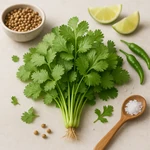
Why coriander matters in Asian cooking 🌿
Many Asian dishes are built on contrast: heat and sweetness, salt and acidity, rich coconut and bright herbs. Coriander often plays the role of the “finishing light”—it lifts heavy sauces, sharpens broths, and makes stir-fries and noodle bowls taste more complete.
What surprises many home cooks is that fresh coriander and coriander seed are almost like two separate ingredients. If you treat them the same way, you can end up disappointed (either with muted flavor or an overpowering herbal hit). Used with the right timing, they’re incredibly reliable.
What is coriander (and why does it have two names)? 🌱
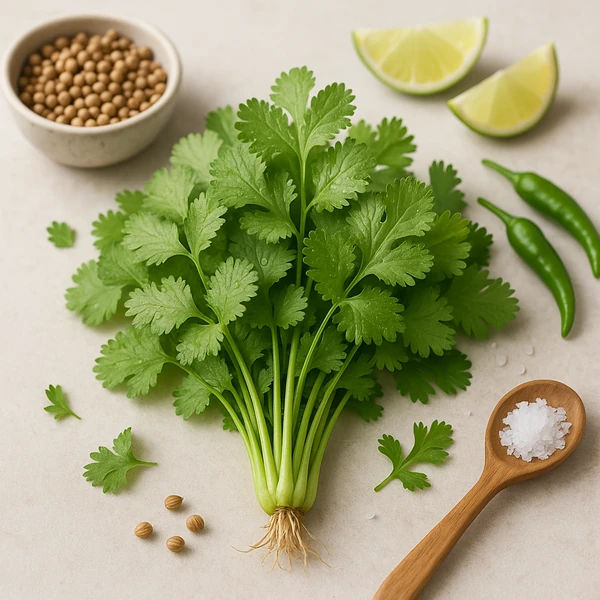
Coriander comes from Coriandrum sativum, an aromatic plant used across South and Southeast Asia, China, the Middle East, and beyond. In English, naming can be confusing:
- Cilantro usually means the fresh leaves and tender stems.
- Coriander often refers to the dried seeds (whole or ground).
Both come from the same plant, but their flavor profiles are very different—so it helps to think of them as two tools in your kitchen rather than one ingredient in two shapes.
Leaves vs. seeds: flavor, aroma, and best timing 👃
Fresh leaves (cilantro)
Fresh coriander is green, bright, and slightly citrusy. It’s most at home in dishes that need freshness: soups, noodle bowls, salads, rice plates, and curries right before serving.
- Best moment to add: at the end, off the heat, or into cold dishes.
- What it does well: brightens rich coconut curries, freshens spicy broths, and balances salty sauces.
- Texture note: add it as a garnish or fold it in briefly—long cooking quickly dulls its aroma.
Stems (don’t throw them away)
Coriander stems have a deeper, more “coriander-forward” fragrance than the leaves. In many Asian kitchens, stems are prized because they hold up better in cooking.
- Use stems for: curry bases, marinades, quick stir-fry aromatics, and blended sauces.
- How to prep: slice thinly or pound/blend with garlic, chili, ginger, or shallot.
Coriander seeds (whole or ground)
Coriander seed is warm, gently sweet, and citrus-peel-like with a soft, rounded spice character. It’s common in Indian masalas, Southeast Asian spice pastes, and marinades.
- Best moment to add: early—when sautéing spices, building sauces, or simmering stews.
- Whole vs. ground: whole seeds keep their aroma longer; ground is convenient but fades faster.
- Quick upgrade: toast whole seeds briefly in a dry pan, then crush or grind.
The “soapy” coriander effect: what to do if you’re sensitive 🧼
Some people perceive fresh coriander as soapy or perfumey. This is common and partly genetic, but it also depends on quantity and context.
- Start tiny: use a small pinch as garnish instead of a full handful mixed through.
- Use stems or seeds instead: coriander seed has a different profile and is rarely described as soapy.
- Pair it wisely: coriander tends to feel more balanced with lime, chili, ginger, and salty umami (fish sauce or soy).
If you’re cooking for a mixed crowd, consider serving chopped coriander on the side so everyone can adjust.
How to use coriander in everyday Asian meals 🍜
Soups and broths
Sprinkle leaves at the table or right after turning off the heat. It works especially well with spicy-sour soups, clear broths with noodles, and rich coconut-based soups where you want a fresh contrast.
Curries and coconut sauces
Coriander is excellent at making coconut milk curries taste less heavy. Add chopped leaves on top just before serving, and use finely sliced stems in the curry base if you want more aroma without the leafy bite.
Stir-fries and fried rice
For stir-fries, coriander is best as a finishing herb. For fried rice, fold in a small handful off the heat so the fragrance stays bright.
Dips, chutneys, and herb sauces
Blending coriander (especially stems) with acid and salt creates a fast “green sauce” that can rescue leftovers and simple meals. It’s also an easy way to use up a bunch before it wilts.
Marinades and spice bases
Coriander seed is a quiet workhorse in marinades for chicken, tofu, lamb, and roasted vegetables. It adds depth without turning a dish into “spice overload.” Toast and crush it for the biggest payoff.
Flavor pairings that reliably work ✅
- Acidity: lime, lemon, tamarind, rice vinegar
- Heat: fresh chilies, chili flakes, pepper
- Allium base: garlic, shallot, onion, scallion
- Warm spices (especially with seeds): cumin, turmeric, cinnamon, clove
- Rich elements: coconut milk, peanuts, sesame
- Salty umami: soy sauce, fish sauce, shrimp paste (use in small amounts)
Buying coriander: what to look for 🛒
Fresh coriander (cilantro)
- Color: vibrant green leaves; avoid yellowing or slimy bunches.
- Smell: should be clean and herbal; if it’s musty, it’s past its best.
- Stems: firm, not mushy. Tender stems are useful—don’t see them as waste.
Coriander seed
- Whole beats ground: whole seeds keep aroma longer; grind when you need it.
- Freshness test: rub a few seeds between your fingers—there should be a clear, citrusy-spicy scent.
- Storage-ready packaging: choose seeds you can keep airtight and away from light.
Storage: keep it fresh, keep it fragrant 🧊
Fresh coriander
- Best method: trim the stem ends, stand the bunch in a glass with a little water, and loosely cover with a bag in the fridge (like a bouquet).
- Wash timing: rinse right before use; storing wet leaves speeds up spoilage.
- Revive wilted coriander: soak stems in cold water for 10–15 minutes, then dry well.
- Freezing: chop and freeze in ice-cube trays with water or neutral oil for cooking (great for soups and sauces; less ideal as a fresh garnish).
Coriander seeds
- Keep airtight: store in a sealed jar, away from heat and sunlight.
- Toast only what you need: toasted seeds taste best right after grinding.
Common mistakes (and simple fixes) 🔧
- Cooking the leaves too long: add them at the end, or use stems in the base and leaves as garnish.
- Using a dull knife: bruised herbs taste muddier; use a sharp knife and slice cleanly.
- Overdoing it in one go: especially if you’re unsure about the flavor—add in stages and taste.
- Expecting seeds to replace leaves (or vice versa): coriander seed adds warmth; fresh coriander adds brightness. They complement each other but don’t mimic each other.
A quick, versatile finishing idea (no recipe stress) 🥣
5-minute coriander-lime drizzle: Finely chop a small handful of coriander (include tender stems), then mix with lime juice, a pinch of sugar, and a salty element (soy sauce or fish sauce). Add sliced chili if you like heat. Spoon over rice bowls, grilled meats, roasted vegetables, or noodle soups right before serving.
This is one of the easiest ways to understand what fresh coriander contributes: lift, freshness, and a more “complete” taste.
FAQ
Is cilantro the same as coriander?
They come from the same plant. In many English-speaking contexts, cilantro means the fresh leaves and stems, while coriander means the dried seeds.
Can I substitute coriander if I don’t like it?
If you dislike the leaves, try using coriander seed (different flavor), or replace fresh coriander with Thai basil, mint, or scallions depending on the dish.
Are coriander stems edible?
Yes—and they’re often more aromatic than the leaves. Slice them finely or blend them into sauces and curry bases.
How do I get the most flavor from coriander seeds?
Toast them briefly in a dry pan until fragrant, then crush or grind. Use early in cooking so the aroma can bloom in oil or liquid.

Recommended products6
Drana Coriander 500 g
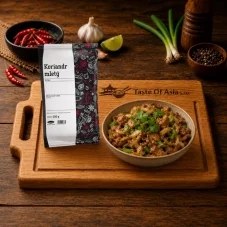
Drana Ground Coriander 500 g
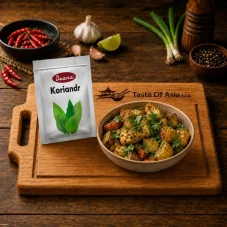
Drana Coriander 15 g
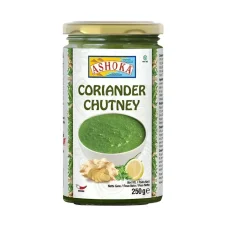
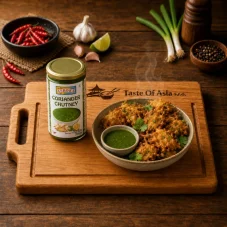
Ashoka Coriander Chutney 250 g
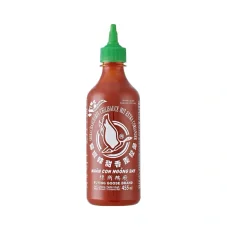
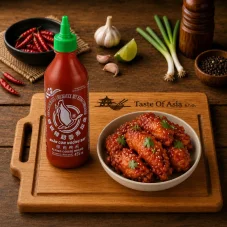
Flying Goose Sriracha chili sauce with coriander 455 ml
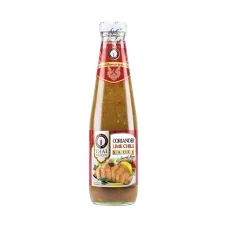
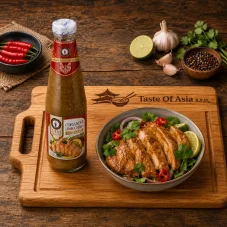
Thai Dancer Lemon Chili Sauce with Coriander 300 ml
Read next
If you want to continue with the same topic, here are more related articles to explore: