Česky (CZK)
 Slovensky (EUR)
 Deutsch (EUR)
 Austria
 Belgium
 Bulgaria
 Croatia
 Denmark
 Estonia
 Finland
 France
 Germany
 Greece
 Hungary
 Italy
Italy Latvia
 Lithuania
 Luxembourg
 Netherlands
 Poland
 Portugal
 Romania
 Slovenia
 Spain
Spain Sweden










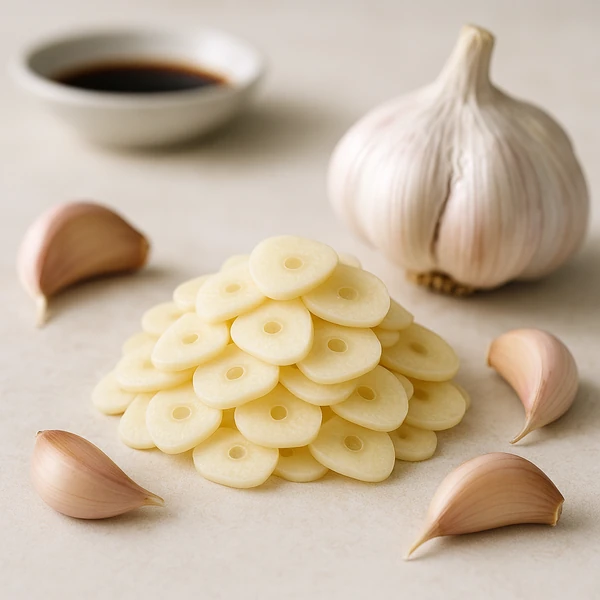
Garlic Slices: The Small Detail That Changes the Whole Dish
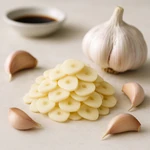
Why garlic slices work so well 🍳
Garlic is used across Asia in countless forms—pounded, minced, grated, fried, pickled, and infused. Slicing is one of the most practical options because it gives you control:
- Fast aroma: thin slices release fragrance quickly in hot oil.
- Even browning: compared to minced garlic, slices are easier to toast without burning (when watched closely).
- Texture options: you can keep them soft and aromatic or fry them into crisp “garlic chips.”
Another perk: slicing tends to taste a bit rounder than crushing. Crushed garlic releases more pungent compounds all at once, while slices give a cleaner garlic note that’s easier to layer with ginger, chili, soy sauce, citrus, or peanuts.
What counts as “garlic slices”? 🧄
In everyday cooking you’ll see garlic slices in a few common forms:
- Fresh slices (cut from raw cloves): best for stir-fries and making crisp garlic topping.
- Dried/dehydrated slices: convenient pantry option; great when you want garlic flavor without peeling and slicing.
- Fried garlic chips (ready-to-use): made for finishing—sprinkle and serve.
They’re all useful, but they behave differently in heat. Fresh slices brown quickly; dried slices can scorch even faster if dropped into very hot oil without attention.
Two classic ways to use garlic slices in Asian-style cooking 🔥
1) As the flavor base (aromatic oil)
This is the “wok start” approach: you scent the oil first, then build the dish on top of it.
- Heat a tablespoon or two of oil over medium heat.
- Add garlic slices and stir for 10–30 seconds, just until fragrant and barely turning pale gold.
- Add your next ingredients immediately (vegetables, meat, tofu, noodles, rice). This drops the pan temperature and prevents bitterness.
Where it shines: quick stir-fries, fried rice, noodle tosses, simple sautéed greens, or any dish where you want garlic to carry the aroma through the whole pan.
2) As a crunchy finishing topping
Crispy garlic is a small effort with a big payoff: it adds aroma plus a crackly bite on top of soft foods.
- Start with cold oil in a small pan and add garlic slices.
- Heat gently over medium-low, stirring often.
- When the garlic turns evenly golden (not brown), remove immediately and drain on paper towel.
- Salt lightly and cool—garlic crisps further as it cools.
Where it shines: noodle bowls, congee, ramen, Vietnamese-style soups, fried rice, dumpling plates, cucumber salads, and creamy curries that benefit from a crunchy contrast.
Flavor pairings that rarely fail 🍜
- Garlic + ginger: a foundational duo for many Chinese, Korean, and Southeast Asian stir-fries.
- Garlic + chili: builds heat with aroma—ideal for noodles, wok vegetables, and spicy oils.
- Garlic + soy sauce: instant umami; add a little sugar to balance.
- Garlic + citrus (lime/lemon): brightens fried foods and salads; great with fish and shrimp.
- Garlic + peanuts/sesame: adds depth and crunch in Thai-leaning noodle and salad profiles.
Choosing the right form (and what to look out for) 🛒
If you’re buying garlic slices rather than cutting fresh, choose based on how you’ll use them:
- For frying into crispy topping: look for slices that are similar in thickness so they brown evenly. Avoid pieces with lots of broken crumbs (they burn quickly).
- For quick everyday cooking: dried slices are handy, but use gentler heat and add them with other ingredients rather than letting them sit alone in hot oil.
- For finishing without effort: pre-fried garlic chips are the easiest. Keep them tightly sealed to preserve crunch.
If the slices smell stale, overly sharp, or “dusty,” they’re likely old. Garlic should smell clean and distinct—either fresh-pungent or toasted-nutty depending on the product.
Common mistakes (and how to avoid them) ✅
- Burning the garlic: once it goes from golden to dark brown, it can turn bitter fast. Stay near the pan and keep the heat moderate.
- Starting too hot: garlic browns before other ingredients cook. If you need high heat later, begin with medium, then increase after adding the main ingredients.
- Adding wet ingredients onto crisp garlic: crispy slices soften quickly. Use them as a final garnish right before serving.
- Overloading the dish: garlic slices are powerful. Start small and adjust—especially in delicate broths and lightly seasoned noodles.
Storage tips to keep flavor and crunch 📦
- Fresh garlic: store whole bulbs in a cool, dry, airy place (not sealed plastic). Slice just before cooking for best aroma.
- Dried slices: keep airtight, away from steam and sunlight. Moisture is the enemy—clumping often means lost crispness and dull flavor.
- Homemade crispy garlic: once fully cooled, store airtight. If you made garlic oil in the process, keep it refrigerated and use within a few days for best quality.
A quick “upgrade” idea you’ll use often ✨
Garlic-slice finishing oil: Gently toast a handful of garlic slices in oil until pale gold, then strain. Use the aromatic oil to finish noodle bowls, drizzle over stir-fried greens, or brush onto grilled mushrooms. Keep the toasted slices separately as a crunchy topping.
Our picks (great with garlic-forward snacks)
- Ashoka Chutney Garlic Dry 150 g – a handy, intensely garlicky condiment when you want a punch of flavor alongside fried bites, wraps, or simple rice dishes.
FAQ
Do I add garlic slices at the beginning or the end?
For aroma throughout the dish, add them at the beginning to scent the oil briefly. For crunch, add fried slices at the end as a topping.
Why did my garlic turn bitter?
Almost always from heat that’s too high or cooking too long. Aim for light gold, then remove—garlic continues to darken from residual heat.
Can I use garlic slices in soups?
Yes. The most common approach is to top the bowl with crispy garlic or add lightly toasted slices to the serving oil rather than boiling them in the broth (which can dull the aroma).

Recommended products1
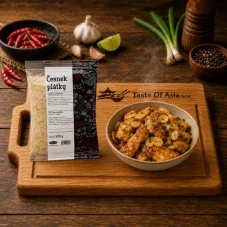
Drana Garlic Slices 500 g
Read next
If you want to continue with the same topic, here are more related articles to explore: