

 Česky (CZK)
 Slovensky (EUR)
 Deutsch (EUR)
 Austria
 Belgium
 Bulgaria
 Croatia
 Denmark
 Estonia
 Finland
 France
 Germany
 Greece
 Hungary
 Italy
Italy Latvia
 Lithuania
 Luxembourg
 Netherlands
 Poland
 Portugal
 Romania
 Slovenia
 Spain
Spain Sweden










Lemon Zest: The Tiny Detail That Makes a Dish Taste Brighter
Why lemon zest changes food so much 🍋
When a dish tastes “almost there,” it often doesn’t need more salt, sugar, or heat—it needs lift. Lemon zest gives that lift in a way lemon juice can’t. Instead of adding sourness, zest brings fragrance: bright, clean, and slightly floral. A pinch can make a rich curry feel lighter, a stir-fry smell fresher, and a dessert taste more defined.
That’s because zest contains aromatic oils that sit in the colored outer skin. Those oils bloom especially well in fat (like coconut milk, sesame oil, or butter), which is why zest can feel surprisingly powerful even in small amounts.
Zest vs. juice: what’s the difference?
Lemon juice is primarily about acidity. It sharpens flavors, cuts through richness, and balances sweetness.
Lemon zest is primarily about aroma. It adds citrus character with minimal extra sourness—useful when your dish is already balanced but still tastes a little flat.
In practical cooking terms: use juice to adjust taste; use zest to adjust smell and “top notes.” Often the best results come from using a little of both—just not at the same moment (more on timing below).
What “zest” actually is (and what to avoid) 🟡
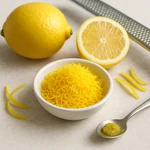
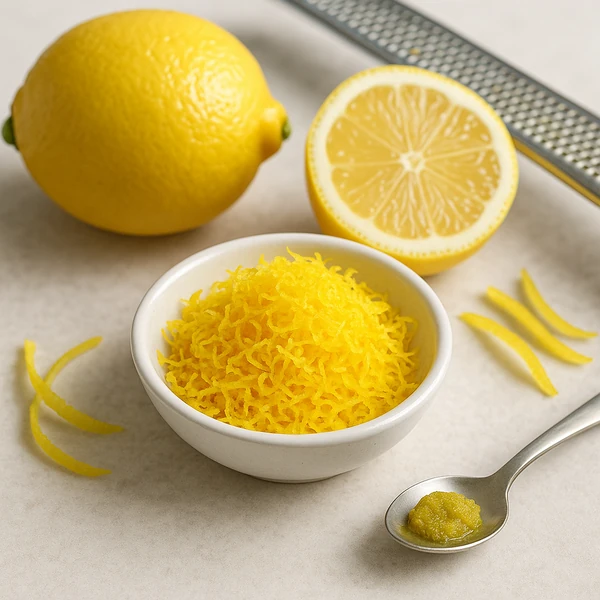
In the kitchen, “zest” means only the colored outer layer of the peel (yellow for lemon). This layer holds the fragrant oils.
Try to avoid grating the white pith underneath. Pith is where bitterness comes from, and too much of it can make sauces and desserts taste harsh rather than fresh.
How to zest a lemon properly (no bitterness) 🔪
1) Start with the right lemon
- Choose unblemished fruit with firm skin; soft, wrinkled lemons tend to give less zest and weaker aroma.
- Wash well under warm water, then dry. This removes surface residues and helps your tool grip cleanly.
- If you’re sensitive to coatings, consider seeking unwaxed or organic lemons for heavy zesting, especially in uncooked uses.
2) Use the right tool
- Microplane/fine grater: best for fluffy, aromatic zest that melts into sauces, marinades, dressings, and batters.
- Vegetable peeler: best for wide strips (great for infusions in syrup, tea, or oil). Slice off only thin yellow ribbons, then chop if needed.
3) Technique that keeps pith out
- Grate lightly and rotate the lemon as soon as the yellow layer is gone in that spot.
- Stop when you see white. A few seconds of restraint saves a whole dish.
Where lemon zest fits in Asian-style cooking 🌶️
Many Asian cuisines rely on citrus—often lime, yuzu, calamansi, or kaffir lime leaf. Lemon zest isn’t “traditional” everywhere, but it’s an excellent stand-in when you want a gentle citrus note or when lemon is what you have. It also pairs naturally with common Asian pantry flavors: chili, ginger, garlic, coconut, soy, sesame, and fish sauce.
- Coconut curries: zest added at the end brightens creamy sauces without making them taste sour. It’s especially helpful when a curry feels rich but not lively.
- Stir-fries: a small pinch stirred in off the heat brings a fresh aroma that doesn’t get lost among soy sauce, aromatics, and caramelized notes.
- Soups and broths: zest can “open up” the smell of ginger- or mushroom-forward broths. Add it just before serving so the fragrance stays clear.
- Marinades: zest adds citrus perfume while keeping acidity under control—useful when you don’t want to toughen proteins with too much acid.
- Sweet Asian-inspired desserts: it makes coconut, sesame, and vanilla taste sharper and cleaner with very little effort.
When to add zest (timing matters) ⏱️
- For maximum fragrance: add zest at the end of cooking or directly into the bowl/plate before serving.
- For a softer, rounded citrus note: warm zest briefly in fat (a spoon of oil, melted butter, or coconut milk) so the oils bloom and disperse. Keep heat gentle—high heat can dull the aroma.
- For baked goods and desserts: rub zest into sugar with your fingertips before mixing. The sugar pulls out the oils and amplifies the citrus impact.
How much zest should you use?
Zest is easy to overdo. Start small and build up:
- Curries, soups, stir-fries: start with 1/4 to 1/2 teaspoon per 2–4 servings.
- Dressings, dips, marinades: start with 1/2 teaspoon, then adjust after resting for 5–10 minutes.
- Cakes, cookies, custards: 1–2 teaspoons per batch is common, depending on how lemon-forward you want it.
If you accidentally grate pith and the flavor turns bitter, dilution helps: add more coconut milk, stock, or a touch of sweetness. But prevention is much easier than fixing.
Flavor pairings that work especially well
- Coconut milk: zest cuts heaviness and adds a clean finish.
- Chili: citrus aroma makes heat feel brighter (without increasing spice level).
- Ginger + garlic: a natural trio for marinades and quick sauces.
- Sesame: zest lifts nutty flavors in dressings and noodle sauces.
- Fresh herbs (cilantro, mint, Thai basil): zest sharpens their aroma and makes them feel “newly picked.”
Storage: keep the aroma, not just the peel
- Best option: zest fresh, right before use.
- Short-term: store grated zest in an airtight container in the fridge for up to 1–2 days (it will slowly fade).
- Freezing: freeze in small pinches or flattened in a small bag. It’s great for cooking, less ideal for delicate raw applications.
A simple “use it today” idea: citrus finish for curry or noodles ✨
When your dish is done and off the heat, add:
- 1–2 pinches lemon zest
- a few drops of lemon juice (optional)
- a tiny drizzle of sesame oil or a spoon of coconut milk (optional)
Stir, taste, and serve immediately. This quick finish often provides the missing freshness that would otherwise require extra herbs or a more complicated garnish.
Quick FAQ
- Can I zest a lemon after juicing it?
- It’s possible, but harder. Zest first while the lemon is firm, then juice it.
- Is dried lemon peel the same as zest?
- No. Dried peel can be useful, but fresh zest is much more aromatic and bright.
- Does zest make food sour?
- Not much. Zest is mostly fragrance; sourness comes from juice.

Recommended products3
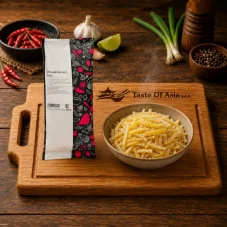
Drana Lemon Peel Cut 2–4 mm 500 g
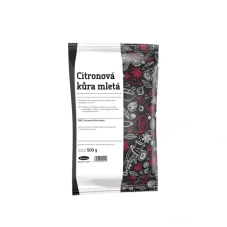
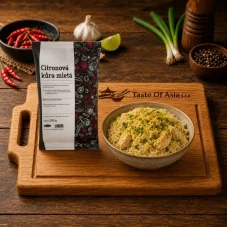
Drana Ground Lemon Peel 500 g
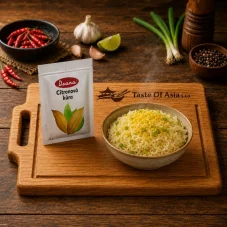
Drana Lemon Peel 15 g
Read next
If you want to continue with the same topic, here are more related articles to explore: