

 Česky (CZK)
 Slovensky (EUR)
 Deutsch (EUR)
 Austria
 Belgium
 Bulgaria
 Croatia
 Denmark
 Estonia
 Finland
 France
 Germany
 Greece
 Hungary
 Italy
Italy Latvia
 Lithuania
 Luxembourg
 Netherlands
 Poland
 Portugal
 Romania
 Slovenia
 Spain
Spain Sweden










Ground Lemon Zest: How to Use It (and When It Beats Fresh)
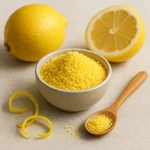
🍋 What ground lemon zest actually is
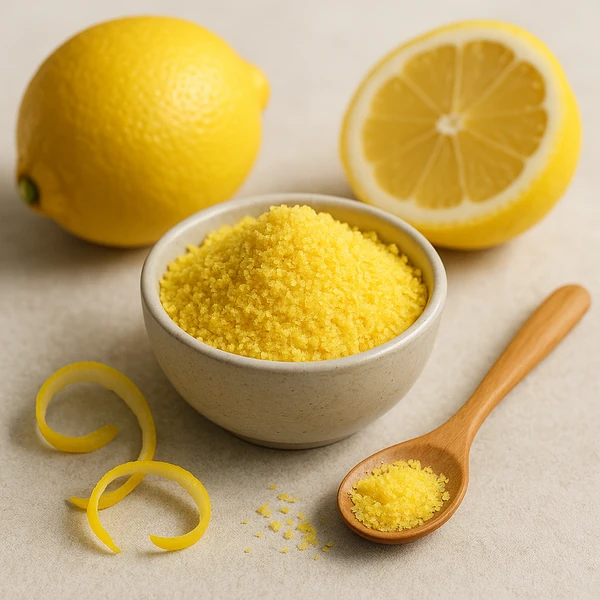
Ground lemon zest is made from lemon peel that has been dried and milled. Because it’s concentrated and dry, it brings a clear citrus “peel” aroma and a gentle, balancing bitterness—without the extra moisture and acidity you’d get from lemon juice.
Think of it as a seasoning rather than a direct replacement for fresh zest. Fresh zest is brighter and more floral; ground zest is more stable, a touch deeper, and easier to measure.
✨ When ground zest is better than fresh
- Dry mixes and rubs: Ideal for spice blends, breading, salt mixes, and dry marinades where fresh zest would clump or add moisture.
- Consistency: Fresh lemons vary a lot in intensity; ground zest is easier to dose and repeat.
- No waste, no prep: No microplane, no leftover lemons, no worries about waxed skins.
- Long shelf life: A dependable backup when you don’t have fresh citrus on hand.
- Baking and doughs: Adds citrus fragrance without changing hydration (useful for cookies, shortcrust, streusel, pancakes, granola).
🌿 When fresh zest still wins
- Finishing and raw dishes: Fresh zest gives the most vivid top-notes on salads, carpaccio, cocktails, or right before serving.
- Fast aromatics: If you want a “pop” that hits immediately, fresh zest is hard to beat.
- When you also need juice: Fresh lemon can provide both aroma (zest) and acidity (juice) in one ingredient.
🥄 How to use ground lemon zest (without guessing)
Ground zest is potent. Start small, taste, then adjust.
- For batters, doughs, and dessert creams: start with 1/8–1/4 tsp per batch (roughly a cake, a tray of cookies, or 300–500 g of dairy base).
- For sauces, soups, and curries: start with a pinch, then build up.
- For spice blends: 1/2–1 tsp per 2–3 tbsp of total blend is a common range (depending on how citrus-forward you want it).
Best technique: let it “wake up” in something warm or fatty. Stir it into melted butter, oil, cream, or coconut milk and give it a minute to bloom—this pulls the aromatic oils forward and makes the flavor rounder.
🍛 Why it works so well in Asian cooking
Many Asian dishes rely on contrast—richness vs. freshness, heat vs. aroma, sweet vs. salty. A small amount of ground lemon zest can lift heavy flavors (coconut milk, peanut sauces, fried aromatics) and make spice taste clearer.
Where it’s especially useful
- Coconut-based curries: Add a pinch near the end to brighten without turning the dish sharply sour.
- Marinades for chicken, fish, tofu: Great alongside garlic, ginger, soy sauce, and a touch of sugar.
- Dry seasoning for grilled foods: Works in rubs with chili, pepper, sesame, and salt.
- Noodle and stir-fry sauces: Helps “open up” savory sauces that feel flat.
If your recipe normally uses lemongrass, kaffir lime leaf, yuzu, or fresh citrus zest, ground lemon zest can be a practical backup for aroma—just keep the dose modest so it doesn’t read as bitter.
🧠 Pairings that make lemon zest taste fresher (not harsh)
- Sweet: vanilla, honey, coconut, dark chocolate, cinnamon, cardamom
- Savory: garlic, ginger, black pepper, sesame, scallion
- Heat: chili flakes/powder (citrus + chili is a classic “bright heat” combo)
- Rich bases: butter, cream, coconut milk, nut pastes (fat smooths the edges)
⚠️ Common mistakes (and how to avoid bitterness)
- Overdosing: Dried peel can turn perfumey or bitter fast. Add in pinches, not spoonfuls.
- Cooking it too long: Prolonged simmering can dull the aroma and emphasize bitterness. Add it toward the end of cooking when possible.
- Using it like lemon juice: Zest provides aroma; juice provides acidity. If a dish needs tang, add a separate acidic ingredient (lemon juice, rice vinegar, tamarind, etc.).
- Adding to cold liquids and serving immediately: In cold dressings or dips, give it 5–10 minutes to hydrate—or whisk it with a little oil first.
📦 Choosing and storing ground lemon zest
What to look for: a clean lemon aroma, a bright natural color (not greyed-out), and a fine, dry texture without clumps. If it smells dusty, musty, or faint, it’s past its best.
Storage: keep it tightly closed, away from heat and sunlight, in a dry cupboard. Like most citrus aromatics, it slowly loses intensity over time—so buy a size you’ll realistically use within a few months after opening.
⏱️ Quick 5-minute ideas
- Citrus chili salt: mix flaky salt + a pinch of ground lemon zest + chili. Sprinkle on eggs, avocado, roasted veg, or fries.
- Yogurt dip: plain yogurt + ground lemon zest + garlic + salt. Rest 10 minutes, then serve with grilled skewers.
- Coconut rice upgrade: fold a pinch into hot rice with a teaspoon of oil or butter.
- Fast dressing: oil + vinegar + salt + a pinch of zest. Whisk and let it stand for a few minutes.
Our picks
- Nongshim Coarsely Ground Chili Pepper (Gochugaru) 454 g – excellent for citrus-chili rubs, marinades, and brightening rich dishes with a hint of heat.
FAQ
Can I substitute ground zest for fresh zest?
Often yes, but treat it as a concentrated seasoning. Start with a small amount (a pinch), taste, and increase gradually. Fresh zest is usually brighter; ground zest is more rounded and easier to overdo.
Does ground lemon zest replace lemon juice?
No. It provides aroma more than acidity. If your dish needs sourness, add an acidic ingredient separately.
When should I add it during cooking?
For the most lemony aroma, add it near the end, or bloom it briefly in warm fat (oil/butter) or a warm creamy base.

Recommended products1
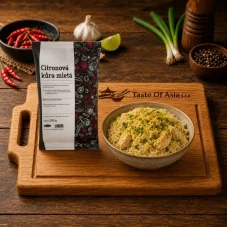
Drana Ground Lemon Peel 500 g
Read next
If you want to continue with the same topic, here are more related articles to explore: