

 Česky (CZK)
 Slovensky (EUR)
 Deutsch (EUR)
 Austria
 Belgium
 Bulgaria
 Croatia
 Denmark
 Estonia
 Finland
 France
 Germany
 Greece
 Hungary
 Italy
Italy Latvia
 Lithuania
 Luxembourg
 Netherlands
 Poland
 Portugal
 Romania
 Slovenia
 Spain
Spain Sweden










Ground Turmeric: How to Use It, What to Pair It With, and How to Get the Best Flavor
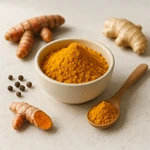
🟡 What ground turmeric actually is
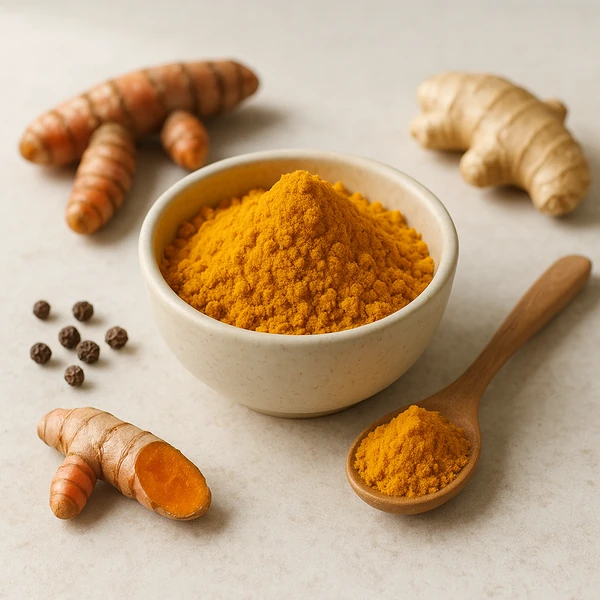
Turmeric is made from the dried rhizome (underground stem) of Curcuma longa, a plant related to ginger. Once cleaned, cooked or dried (depending on processing), and ground into a fine powder, it becomes the familiar bright yellow spice found across South and Southeast Asian cooking.
Turmeric isn’t meant to taste “loud” on its own. Think of it as a base note: it deepens other spices, adds a gentle warmth, and gives sauces and grains a rich golden tone.
🌿 Flavor and aroma: what to expect
Good-quality ground turmeric has a warm, earthy aroma with a slightly woody, ginger-like edge. On the palate it’s mildly bitter, not spicy, and can taste a little “dry” if used too heavily.
Key idea: turmeric shines as part of a blend. If you want it to taste pleasant (not dusty), combine it with aromatics, fat, and a little acidity.
🍳 Where turmeric works best in everyday cooking
- Rice and grains: add a pinch to the cooking water, or toast it briefly in oil before adding rice for more aroma and even color.
- Curries and stews: it’s a natural fit for coconut-based and tomato-based sauces, lentils, chickpeas, and braised vegetables.
- Soups: especially lentil, pumpkin, carrot, or chicken soups where you want gentle warmth and color.
- Tofu, eggs, and potatoes: a small amount boosts savory depth and makes simple dishes look more vibrant.
- Marinades: mix into yogurt, coconut milk, or oil-based marinades with garlic and ginger.
🔥 The technique that makes turmeric taste better
The biggest difference comes from how you heat turmeric.
- Bloom it in fat (briefly): warm turmeric in oil, ghee, or coconut milk with onions/garlic/ginger for 10–30 seconds. This releases aroma and removes the “raw powder” note.
- Don’t burn it: turmeric turns bitter if overheated. Keep the heat moderate and stir constantly when blooming.
- Add it early for even color: putting turmeric into the base (oil + aromatics) helps it distribute, rather than clumping later.
- Balance at the end: a squeeze of lime/lemon or a splash of tamarind-like sourness can brighten turmeric-heavy dishes.
🧂 Flavor pairings that consistently work
If turmeric tastes flat to you, it usually just needs the right partners. These combinations are reliable across many Asian-inspired dishes:
- Ginger + garlic + onion: the classic aromatic foundation for curries, soups, and stir-fries.
- Cumin + coriander: adds body and a rounded “curry” character without making the dish hot.
- Coconut milk: softens turmeric’s earthiness and creates a smoother finish.
- Chili heat: turmeric adds depth underneath spice. For a punchy chili option, Korean-style coarsely ground chili flakes (gochugaru) can be a great partner in marinades and stews—see Nongshim Coarsely Ground Chili Pepper Gochugaru 454 g.
- Acid (lime, lemon, vinegar): use sparingly at the end to lift the overall flavor.
🧠 How much to use (and why “more” isn’t always better)
Turmeric is powerful in two ways: color and bitterness. It’s easy to add enough to turn food bright yellow—and accidentally push the taste into harsh territory.
- Start small: for 2–4 servings, begin with 1/4 to 1/2 teaspoon in soups, sauces, or rice.
- Increase gradually: if you want a deeper color, step up in small increments rather than doubling immediately.
- Use other spices for intensity: if the dish needs more “curry-like” impact, build with cumin, coriander, chili, ginger, or a curry paste—don’t rely on turmeric alone.
🛒 Choosing ground turmeric: quick quality checklist
- Color: it should look vivid and warm (golden-yellow). Very dull powder may be old.
- Aroma: even in powder form it should smell clearly earthy and fresh, not musty.
- Purity: look for turmeric as the only ingredient (no added starches or colorants).
- Packaging: light and heat degrade aroma over time—opaque packaging and a tight seal help.
🧊 Storage and handling (plus a stain warning)
- Store airtight: keep it sealed, dry, and away from direct light and the heat of the stove.
- Use a dry spoon: moisture encourages clumping and dulls the spice faster.
- Expect gradual fading: like most ground spices, turmeric loses aroma over months; replace it when it smells weak and looks lifeless.
- Stains are real: turmeric can stain boards, silicone tools, and fabrics. Wipe spills quickly and wash tools soon after use.
🍚 Quick usage idea: 10-minute golden rice
If you want a simple way to “learn” turmeric’s flavor, try it with rice—where both aroma and color are easy to judge.
- Sauté a little chopped onion in oil until translucent.
- Add 1/4 teaspoon ground turmeric and stir for 15 seconds.
- Add uncooked rice and coat it in the oil and spices.
- Add water or stock, salt, and cook as usual.
- Finish with a squeeze of lemon or a few drops of lime for brightness.
Our picks (optional add-ons)
- Nongshim Coarsely Ground Chili Pepper Gochugaru 454 g – when you want turmeric’s warmth with a clean, chili-driven heat in stews, marinades, or spicy rice dishes.
❓FAQ
Should I add turmeric at the beginning or the end?
Usually at the beginning: a brief bloom in fat improves aroma and spreads color evenly. Add it late only if you want a raw, sharper note (less common in savory dishes).
Why did my dish taste bitter?
The two common causes are overheating (burning) turmeric in oil, or using too much. Next time, bloom it gently and reduce the amount; use acid (lime/lemon) at the end to balance.
Can I use turmeric just for color?
You can, but it still has flavor. For “color only,” keep the dose very small and pair it with aromatics and fat so it tastes integrated rather than powdery.

Recommended products3
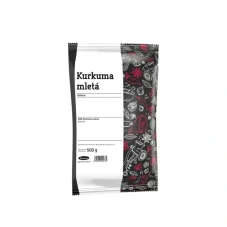
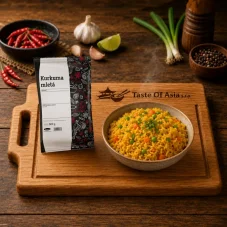
Drana Ground Turmeric 500 g
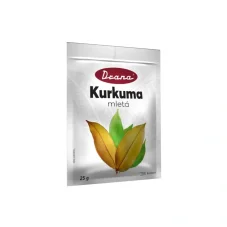
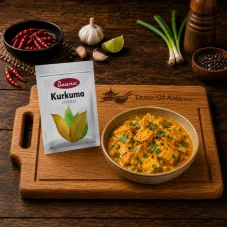
Drana Turmeric Ground 25 g

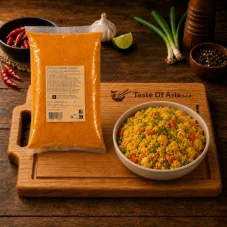


H&S Turmeric 1 kg
Read next
If you want to continue with the same topic, here are more related articles to explore: