

 Česky (CZK)
 Slovensky (EUR)
 Deutsch (EUR)
 Austria
 Belgium
 Bulgaria
 Croatia
 Denmark
 Estonia
 Finland
 France
 Germany
 Greece
 Hungary
 Italy
Italy Latvia
 Lithuania
 Luxembourg
 Netherlands
 Poland
 Portugal
 Romania
 Slovenia
 Spain
Spain Sweden










Whole cinnamon: how to use it and why it belongs in Asian cuisine
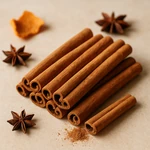
🌿 What whole cinnamon is (and why sticks behave differently)
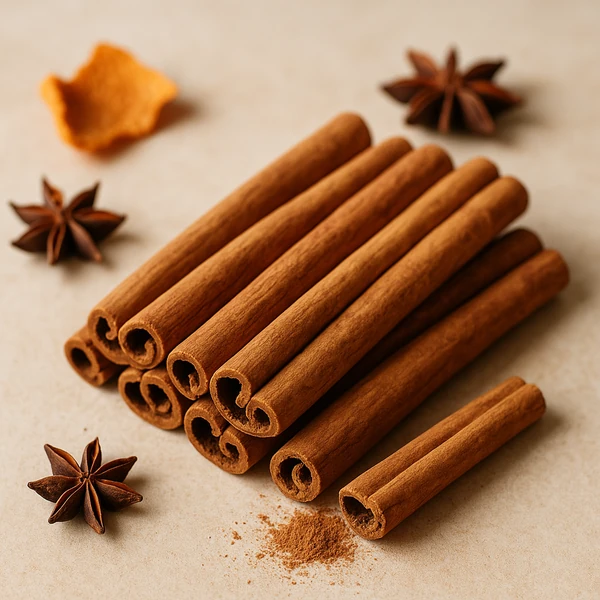
Whole cinnamon comes as dried curls of tree bark rolled into sticks. In cooking, sticks are mainly used for infusion: they gently perfume a liquid (broth, sauce, coconut milk, tea) or a fat (oil, ghee) over time. Compared to ground cinnamon, sticks release flavor more slowly and evenly—so you can build complexity without the dusty texture or the “too much, too fast” effect.
That slow release is exactly why whole cinnamon shows up across Asian cuisines: it’s a subtle connector that makes a dish smell richer and taste more rounded, especially in long-simmered foods.
🍲 Why cinnamon makes sense in savory Asian dishes
In many Asian recipes, cinnamon isn’t used for sweetness. It’s used for warmth—a gentle, aromatic backbone that supports other spices and aromatics. Think of it like a bay leaf with a sweet-spice edge: you want it present, but not dominant.
- Broths and soups: adds a fragrant “upper note” that lifts beef, chicken, and roasted bones.
- Braises and stews: helps balance salty-sweet sauces and makes meat taste more complex.
- Rice and grains: turns plain steamed rice into something that smells like it came from a restaurant.
- Coconut-based curries: rounds chili heat and deepens the aroma without adding heaviness.
🍛 When to add cinnamon sticks (timing is everything)
1) Toast first for a faster, fuller aroma
If you want an immediate fragrance, toast the stick briefly before adding liquids:
- Dry pan: 20–40 seconds on medium heat, turning once or twice.
- In oil/ghee: warm it for 20–30 seconds with other whole spices at the start.
Stop as soon as it smells intensely aromatic. If it darkens too much or smells sharp, it’s heading toward bitterness.
2) Infuse during simmering for clean, controlled flavor
For broths, soups, and braises, add cinnamon early so it has time to work—then remove it when the flavor is right. A good baseline:
- Soups/broths (2–3 liters): 1 small stick, simmer and start tasting after 30–45 minutes.
- Braises/stews: 1 small stick per pot, remove once the sauce smells rounded (often 45–90 minutes).
- Coconut curry: add early, but remove sooner than you think (often 15–30 minutes), especially if you’re reducing the sauce.
3) Add to rice and remove before serving
For fragrant rice, drop in a small stick at the start of cooking and fish it out at the end. It’s one of the easiest upgrades you can do with almost no extra work.
4) Use it for drinks and desserts without gritty spice
Sticks are ideal when you want cinnamon aroma but a clean finish: steep them in hot tea, simmer in syrups, or infuse in milk or coconut milk for puddings. Remove the stick once the aroma is where you want it.
🧭 Flavor pairings that work especially well
Whole cinnamon plays well with both warm spices and fresh aromatics. Use these as guideposts:
- For broth-like aromas: star anise, cloves, cardamom, fennel seed, black pepper.
- For savory depth: ginger, garlic, onion/shallot, scallion.
- For curry balance: chili, coconut milk, roasted spices, peanuts (in some regional styles).
- For sweet-sour contrast: tamarind, citrus peel, mango, pineapple (in sauces or marinades).
Practical rule: cinnamon should feel like a “warm echo” behind the dish. If it becomes the first thing you notice, pull the stick out and let the rest of the pot catch up.
⚠️ Common mistakes (and how to avoid bitterness)
- Boiling hard for too long: aggressive boiling extracts harsher, woody notes. Keep cinnamon to a gentle simmer.
- Using a large stick in a small pot: start smaller than you think; you can always add more time, but you can’t easily remove extracted flavor.
- Leaving it in during reduction: when a sauce reduces, the cinnamon concentrates too. Consider removing the stick before the final reduction step.
- Serving with the stick still hidden inside: treat it like a bay leaf—remove before serving so no one bites into it.
🔎 Choosing cinnamon sticks: what to look for
You’ll often see different types sold as “cinnamon.” Two broad styles are common:
- Thicker, harder sticks (often cassia-type): bold, spicy, and assertive—frequently used in many Asian savory dishes because it stands up to long cooking.
- Thinner, more delicate layers (often Ceylon-type): gentler and more floral—great for desserts and drinks, and for lighter savory infusions.
Fresh sticks should smell fragrant even when dry. A simple test: snap or lightly scrape the surface—if the aroma blooms immediately, it’s in good shape.
✅ Storage and handling tips
- Store airtight in a cool, dark cupboard; whole spices keep their aroma longer than ground.
- Break, don’t crush: if you need a smaller amount, snap a stick into pieces (wrap in a towel first to prevent splinters).
- Infuse, then remove: for most savory dishes, removing the stick at the right moment gives the cleanest result.
🍚 A simple “starter” use: cinnamon-scented rice
If you want a low-risk way to learn the spice, start with rice:
- Rinse rice as usual.
- Add water (or light stock), a pinch of salt, and ½–1 small cinnamon stick to the pot.
- Cook normally; rest 5–10 minutes.
- Remove the stick before fluffing.
This pairs especially well with grilled meats, braises, and coconut-based curries where you want aroma without extra heat.
Our picks (if you’re building an Asian spice kit)
- Whole cinnamon sticks (for infusion)
- Star anise (classic partner for broths and braises)
- Green cardamom (adds lift to both savory and sweet)
Related categories
- Whole spices
- Soup and broth ingredients
- Curry and stew staples
FAQ
Is whole cinnamon better than ground?
They’re different tools. Whole cinnamon is easier to control and leaves a cleaner texture. Ground cinnamon is faster and stronger upfront, but can overwhelm savory dishes and can’t be removed.
How long should I leave a cinnamon stick in the pot?
Start tasting early. In curries and sauces, 15–30 minutes can be enough. In broths and braises, 30–90 minutes is common, depending on pot size and simmer intensity.
Can I reuse a cinnamon stick?
Sometimes, once or twice, but the second infusion is noticeably weaker. For bold broths, a fresh stick gives the most reliable aroma.

Recommended products4
Drana Cinnamon ground 500 g
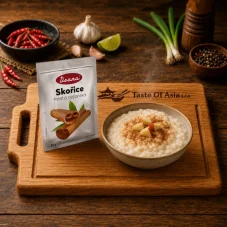
Drana Ground Ceylon Cinnamon 20 g
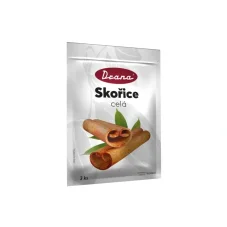
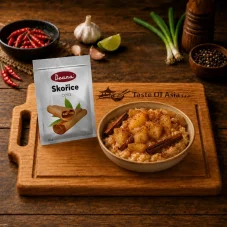
Drana Cinnamon Whole 3 pcs

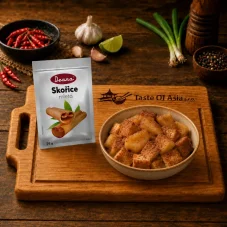
Drana Cinnamon ground 25 g
Read next
If you want to continue with the same topic, here are more related articles to explore: