

 Česky (CZK)
 Slovensky (EUR)
 Deutsch (EUR)
 Austria
 Belgium
 Bulgaria
 Croatia
 Denmark
 Estonia
 Finland
 France
 Germany
 Greece
 Hungary
 Italy
Italy Latvia
 Lithuania
 Luxembourg
 Netherlands
 Poland
 Portugal
 Romania
 Slovenia
 Spain
Spain Sweden










Oregano: How It Tastes, What It Pairs With, and Why It Works in Asian-Inspired Cooking
What oregano is 🌿
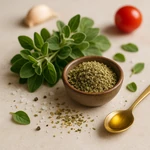
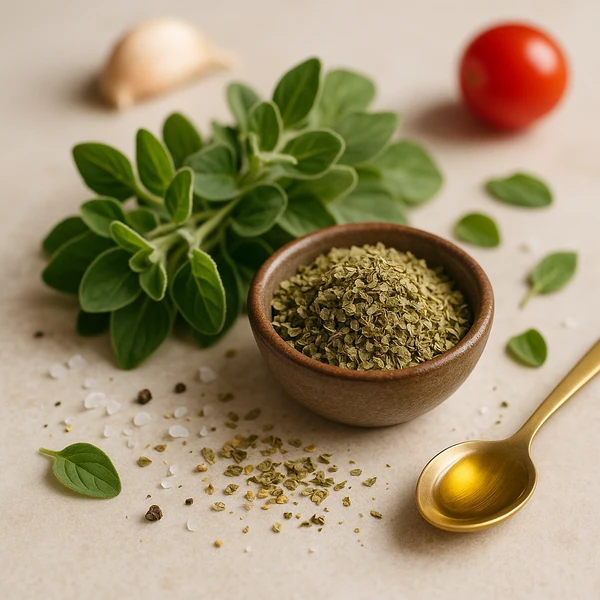
Oregano comes from the Origanum family (often Origanum vulgare) and is closely related to marjoram. In everyday cooking it’s most commonly used dried, because drying concentrates its essential oils and makes the herb more assertive and “rounded” in flavour. That’s why dried oregano can taste stronger and more dependable than fresh—especially in dishes that cook longer or contain a lot of moisture.
While oregano is strongly associated with Mediterranean cooking, its flavour logic is broader than geography: it’s a robust, herbal note that supports acidity (tomato, vinegar, citrus), stands up to fat (oil, meat), and plays well with heat (chili). Those same building blocks show up in many Asian-inspired sauces and marinades, which is why oregano can feel surprisingly natural when used thoughtfully.
How oregano tastes (and why it’s so distinctive) 👃
Oregano’s profile is often described as herbal, warm, and slightly peppery, with a faint bitterness that becomes more noticeable if you use too much or cook it too hard. Compared with basil (sweet, fresh) or parsley (green, mild), oregano is more “dry” and concentrated—almost like a herb-and-spice hybrid.
- Dried oregano: concentrated, punchy, very aromatic; ideal for sauces, marinades, rubs, and roasted dishes.
- Fresh oregano: softer and greener; nice as a finishing herb, but can get lost in heavy sauces.
Tip: if you rub a pinch of dried oregano between your fingers before adding it, it releases more aroma and disperses more evenly in the dish.
When to add oregano (and how much) 🧂
Oregano is powerful, so it rewards a “start small, adjust later” approach—especially if you’re using it outside classic Italian-style cooking.
- Long-cooked sauces, braises, soups: add it in the first half of cooking so it can meld into the base, then taste and brighten with a tiny pinch near the end if needed.
- Stir-fries and quick sautés: add late (last 30–60 seconds) or mix into the sauce so the aroma stays lively rather than cooked out.
- Dressings and cold marinades: hydrate it in oil, soy sauce, or citrus for a few minutes to soften the dried leaves and smooth out sharp edges.
As a practical starting point for a 2-serving dish, think ¼ teaspoon in a sauce or marinade, then increase only after tasting. In light broths or delicate dishes, even less can be enough.
Reliable pairings that make oregano shine 🍅
Oregano’s intensity needs partners that can carry it. These combinations work because they either match its strength or balance its slight bitterness.
- Tomatoes (fresh, canned, paste): oregano loves acidity and umami, which is why it feels “at home” in tomato sauces.
- Garlic and onion: classic aromatic base; garlic amplifies oregano’s savoury side.
- Olive oil and other fats: warm fat “blooms” oregano’s aroma and makes it taste fuller.
- Lemon, vinegar, pickled notes: acidity lifts oregano and makes it taste cleaner and less heavy.
- Chili: oregano adds herbal depth to heat—great for spicy oils, marinades, and rubs.
- Paprika, cumin, black pepper: if you want a more “spice-forward” profile, oregano integrates well with these.
- Beans, chickpeas, eggplant, zucchini: hearty vegetables and legumes can take strong seasoning without being overwhelmed.
Why oregano can work in Asian-inspired cooking 🍜
Oregano isn’t a standard herb in East Asian traditions, so the goal isn’t to make a dish taste “authentically” Asian with oregano. The goal is to use oregano as a supporting accent—a small herbal note that adds depth and structure, especially in modern home cooking where you might combine pantry staples from different cuisines.
Oregano tends to work best in Asian-inspired dishes when one or more of these elements are present:
- Soy sauce / salty umami: oregano stands up to savoury intensity and can add a rounded, aromatic top note.
- Sesame and roasted flavours: a tiny pinch can complement nutty, toasted notes (think sesame oil, toasted sesame seeds).
- Ginger + garlic + chili: oregano doesn’t replace these—used lightly, it sits behind them and adds a warm herbal backbone.
- Sweet-sour sauces: oregano can help balance sweetness and keep the flavour from feeling one-dimensional.
Practical ways to use it (without overpowering your dish)
- Fusion marinade for chicken, pork, or tofu: soy sauce + a little oil + garlic + citrus (or mild vinegar) + a pinch of oregano. Let it sit 15–30 minutes, then pan-sear or grill.
- Finishing touch for a stir-fry: once the heat is off, add a tiny pinch and toss. This keeps the aroma fresh instead of “cooked flat.”
- Tomato-based noodle sauces: if you make quick tomato noodles and add soy sauce or chili oil for depth, oregano can bridge the flavours and make the sauce taste more complete.
- Roasted eggplant with sesame: oregano + garlic + a little sesame oil can be a great shortcut to a deeper, savoury vegetable side.
The main rule: keep the dose small. Oregano should read as “there’s something extra” rather than “this tastes like pizza.”
Choosing oregano: what to look for 🛒
Not all dried oregano tastes the same, and freshness matters more than many people expect.
- Leafy flakes (whole or “rubbed”) tend to taste cleaner and more aromatic than very fine powder.
- Colour and aroma: look for green leaves and a strong herbal smell when opened. If it’s greyish and barely aromatic, it will taste dull in food.
- Buy the size you’ll actually use: oregano is at its best when it’s reasonably fresh. If you cook with it often, a larger pack makes sense; otherwise a small pack helps you keep flavours brighter.
Common mistakes (and how to avoid them) ✅
- Adding too much: oregano can dominate quickly, especially in lighter dishes. Start with a pinch, then taste.
- Burning it in hot oil: a short bloom is great; prolonged frying on high heat can turn oregano bitter.
- Using stale oregano: if it smells like dust rather than herbs, it won’t improve your food. Replace it and store it well.
- Expecting it to replace fresh herbs: oregano gives a specific warm, dried-herb character. If you want a bright, fresh finish, use scallions, cilantro, Thai basil, or fresh herbs alongside it.
Storage: keep the aroma longer 🌬️
Store oregano in a tightly closed container, away from heat and direct light. Avoid keeping it right above the stove where steam and temperature swings speed up flavour loss. For best results, aim to use opened dried herbs within about 6–12 months (sooner if the aroma fades).
A simple everyday idea: soy–lemon oregano marinade ⚡
If you want to test oregano in an Asian-inspired direction, try this quick ratio as a starting point:
- 1 tbsp soy sauce
- 1 tbsp neutral oil (or a mix of neutral + a few drops of sesame oil)
- 1 tsp lemon juice (or mild vinegar)
- 1 small grated garlic clove
- ¼ tsp dried oregano (or less, to taste)
Marinate sliced chicken, pork, mushrooms, or tofu for 15–30 minutes. Cook hot and fast, then finish with chili flakes or toasted sesame seeds.
Our picks
- Drana Oregano 10 g – a practical size if you use oregano occasionally or want to experiment with fusion-style marinades.
- Drana Oregano 200 g – a larger pack for frequent cooking (sauces, roasted vegetables, rubs, and batch marinades).
FAQ
- Is dried oregano stronger than fresh?
- Usually yes. Drying concentrates the flavour, which is why dried oregano is often preferred for sauces and marinades.
- Can I swap oregano with marjoram?
- They’re related, but marjoram is typically sweeter and milder. You can substitute, but you may need a little more marjoram to get similar impact.
- Will oregano ruin an Asian dish?
- Not if you treat it as a background note. Use a small pinch, add it late, and pair it with strong flavours like garlic, chili, soy, sesame, or tomato-based sauces.
- How can I tell if my oregano is too old?
- Rub a pinch between your fingers and smell it. If the aroma is weak or dusty, it won’t bring much to your cooking—time to replace it.

Recommended products2
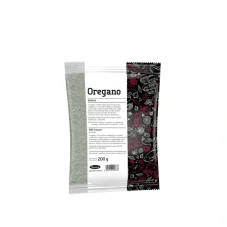
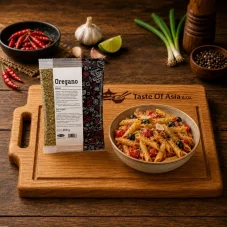
Drana Oregano 200 g
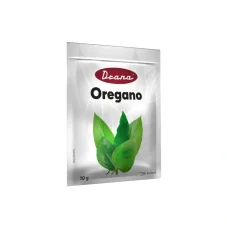
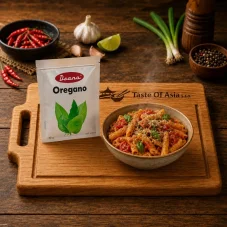
Drana Oregano 10 g
Read next
If you want to continue with the same topic, here are more related articles to explore: