

 Česky (CZK)
 Slovensky (EUR)
 Deutsch (EUR)
 Austria
 Belgium
 Bulgaria
 Croatia
 Denmark
 Estonia
 Finland
 France
 Germany
 Greece
 Hungary
 Italy
Italy Latvia
 Lithuania
 Luxembourg
 Netherlands
 Poland
 Portugal
 Romania
 Slovenia
 Spain
Spain Sweden










Spice for Honey-Glazed Ribs: Building a Sweet-Savory, Asian-Inspired Sticky Finish
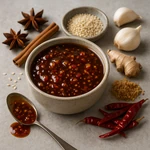
Why honey ribs taste so good (and why they sometimes don’t)
Honey is a powerful shortcut to a sticky, lacquered surface—but it’s also easy to overdo. If ribs taste overly sweet, flat, or slightly burnt, the issue is usually balance and timing rather than the cut of meat. Great honey ribs need four anchors:
- Sweetness for shine and caramel notes (honey, brown sugar, malt syrup).
- Salt + umami to keep the meatiness front and center (salt, soy sauce, fish sauce, fermented pastes).
- Warm spice for depth (pepper, paprika/chili, five-spice-style aromatics).
- A little acidity to lift everything (rice vinegar, lime, tamarind, pineapple).
A well-designed “honey rib spice” blend helps you hit that balance quickly—especially when you use it differently at each stage: rub, marinade, and glaze.
🌶️ What “honey rib spice” usually means
In practice, a honey rib seasoning is a sweet-leaning spice blend built to survive heat and pair with sticky glazes. The exact formula varies, but the goal is consistent: a rounded, aromatic profile that tastes great when baked, grilled, or finished under a broiler.
Common flavor directions include:
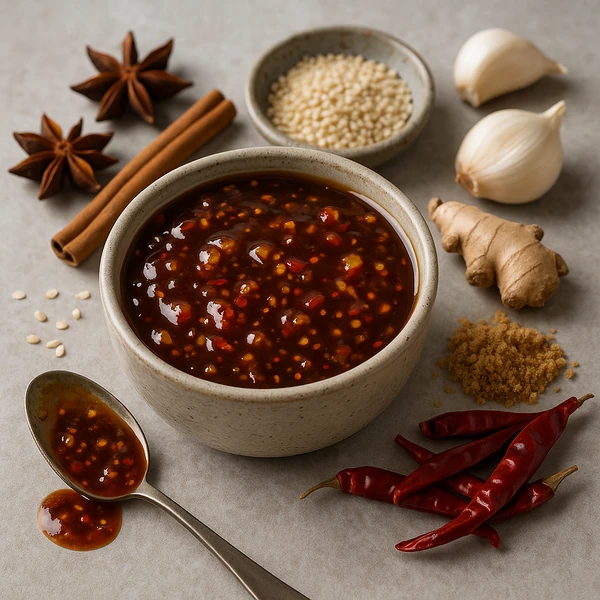
- Warm and aromatic (think cinnamon/anise/clove notes like Chinese five-spice, plus pepper and garlic).
- Smoky-sweet (paprika-style warmth with gentle heat).
- Chili-forward (a sweeter version of spicy ribs, designed for a glossy finish).
Asian-inspired “sticky ribs” aren’t tied to one country; the concept shows up across East and Southeast Asia in different forms: sweet + savory sauces, caramelization on hot grills, and finishes that cling to the meat. What makes the style recognizable is that glossy coating and the way sweetness is supported by savory depth.
🧠 How to choose a blend (and what to check on the label)
If you’re buying a ready-made spice mix—or blending your own—these details matter more than fancy names:
- Sweet vs. salty balance: If the blend is very sweet (sugar high on the ingredient list), plan to add salt/umami in your marinade or glaze so it doesn’t taste like dessert.
- Heat level: Decide whether you want a gentle “warming” spice or a noticeable chili kick. You can always add heat later at the table with chili sauce, but you can’t remove it once it’s cooked in.
- Aromatics that bloom with heat: Garlic, onion, pepper, ginger, and warm spices become more fragrant as ribs roast—this is what makes the kitchen smell amazing and the flavor feel “full.”
- Burn risk: Sugar and some spices can scorch over direct flame. If you grill, choose a blend that isn’t overly sugary—or apply the sweet glaze only at the end.
🔥 Three smart ways to use the spice: rub, marinade, glaze
1) Dry rub (maximum rib flavor, clean control)
A dry rub is the simplest route: season the ribs, let them rest, then cook. Use it when you want the meat itself to taste boldly seasoned, and you’ll add sweetness later as a glaze.
Best practice: Season both sides, and don’t overpack the surface. A thick, damp layer of spice can turn pasty instead of crisping.
2) Marinade (deeper seasoning + juicier bite)
Marinades are great when you want the seasoning to carry through the meat and not only sit on the surface. A practical marinade structure looks like this:
- Spice blend (your honey rib seasoning)
- Sweet (honey)
- Fat (neutral oil)
- Umami/salt (soy sauce or a pinch of salt)
- Acid (rice vinegar or citrus)
That last piece—acid—is often what turns “sweet and heavy” into “sweet and craveable.”
✨ 3) Final glaze (shine, stickiness, and the “wow” layer)
Honey burns faster than people expect. For the best glossy finish, treat glaze as a late-stage step.
Timing rule: Cook ribs most of the way first, then brush on glaze during the last 10–20 minutes (oven) or the final few minutes (grill), in thin layers. Let each layer set before adding the next.
🍯 A quick Asian-leaning honey glaze formula (easy, adjustable)
Use this as a flexible template rather than a strict recipe. Mix in a small saucepan and warm gently until smooth:
- 3 tbsp honey
- 2 tbsp soy sauce
- 1 tbsp rice vinegar (or lime juice)
- 1 tsp grated garlic or ginger (optional but excellent)
- Chili to taste (chili flakes, chili paste, or a squeeze of chili sauce)
How to use: Brush on near the end of cooking, then return ribs to heat to set the glaze. If it tastes too sweet, add a few drops of vinegar. If it’s too sharp, add a touch more honey. If it’s missing depth, add a little more soy sauce.
🍚 What to serve with honey-glazed ribs
Sticky ribs are bold, so sides should either calm the sweetness or cut through it:
- Steamed rice to soak up glaze and keep the meal balanced.
- Noodles with a simple garlic-soy dressing for a fast “ribs + greens” plate.
- Crisp vegetables like cucumber, shredded cabbage, or quick pickles for freshness.
- Light stir-fried greens (bok choy, spinach, Chinese broccoli) with a pinch of salt and garlic.
🕰️ Common mistakes (and easy fixes)
- Glazing too early: If the surface darkens too fast, stop glazing and finish cooking first; re-glaze at the very end.
- Only sweet, no backbone: Add umami (soy) and a little acid (vinegar/citrus). This is the fastest rescue.
- Over-seasoning the surface: Too much dry spice can taste dusty or bitter after roasting. Use a thinner rub and build flavor with glaze layers.
- Dry ribs: Ribs need time and gentle heat. If you cook hot and fast, compensate with a tighter wrap/covered bake before finishing uncovered for glaze.
🧂 Storage and make-ahead tips
- Spice blend: Keep in a sealed container away from heat and light. Aroma fades faster than people think—use within a few months for best punch.
- Marinade: Mix and refrigerate for up to 24 hours; stir before using as spices settle.
- Glaze: Make ahead and chill for 3–5 days. Warm gently to loosen before brushing.
Our picks (what to look for in the shop)
- Honey rib spice blend with warm aromatics (pepper, garlic, gentle chili) for an easy all-in-one rub.
- Sriracha-style chili sauce to add heat at the end without changing the glaze structure.
- Sweet-and-sour sauce base if you like a brighter, tangier contrast next to sticky ribs.
FAQ
Can I use the same seasoning on chicken or tofu?
Yes. The same sweet-savory profile works especially well on chicken wings/thighs and on firm tofu. Just reduce cooking time and apply the honey glaze late so it doesn’t burn.
How do I keep honey from burning on the grill?
Grill the ribs mostly without glaze (or with a very thin layer), then glaze at the end over indirect heat. Finish with brief high heat only to set the shine.
What’s the fastest way to make the flavor feel more “Asian”?
Add one or two of these: soy sauce (umami), rice vinegar or lime (lift), ginger/garlic (aroma), and chili sauce (brightness and heat). Small additions make a big difference.

Recommended products1
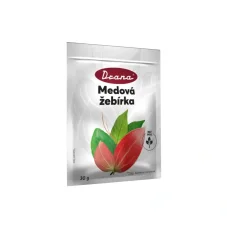
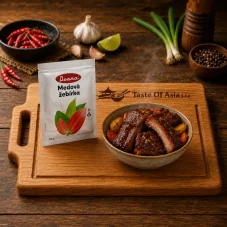
Drana Honey Ribs 30 g
Read next
If you want to continue with the same topic, here are more related articles to explore: