


 Česky (CZK)
 Slovensky (EUR)
 Deutsch (EUR)
 Austria
 Belgium
 Bulgaria
 Croatia
 Denmark
 Estonia
 Finland
 France
 Germany
 Greece
 Hungary
 Italy
Italy Latvia
 Lithuania
 Luxembourg
 Netherlands
 Poland
 Portugal
 Romania
 Slovenia
 Spain
Spain Sweden










Typical Singaporean ingredients: what makes laksa, nasi lemak, and hawker dishes flavorful
Singaporean cuisine originated in a port city where different communities and their techniques have long met. Therefore, you won't find a single "national" pantry here, but a functional mix: rice and noodles, coconut, chili and sambal, soy and fish umami seasonings, aromatics like garlic and ginger – alongside ready-made pastes that have a clear role in specific dishes. In the article, you'll sort out what is typical for Singapore, what the main variants are, and how to start with these ingredients at home without unnecessary mistakes.
🍜 Why deal with ingredients for Singapore (and not just a "list of typical dishes")
Singaporean cuisine is not a single uniform tradition. It is an urban, port, and multicultural cuisine that grew from the meeting of Chinese, Malay, Indian, Peranakan (Nyonya), Eurasian, and other influences. Therefore, it pays off to look at Singapore through ingredients and basics: often common across different dishes but in various combinations and with different usage logic.
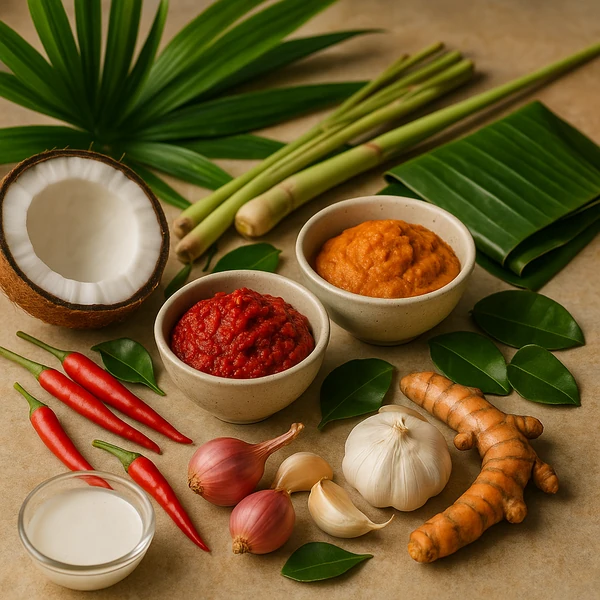
Typical Singaporean flavor is based on several recurring pillars: rice and noodles as the base, coconut for richness, chili and sambal for zest, soy and fish/shrimp umami seasonings for depth, and also aromatics (garlic, ginger, spring onion) that "carry" the aroma. These are the things that hold local dishes together even when they come from different origins.
🍜 Orientation: the most typical Singaporean ingredients and what they are for
Below are the ingredients that most frequently appear in Singaporean cuisine. For each, it is important to understand its function (what it does in the dish), not just the name.
Rice: the "side dish" that carries the identity of the dish
Rice in Singaporean cuisine is more than a neutral base. In dishes like chicken rice or nasi lemak rice is one of the key elements by which you recognize whether the dish as a whole is convincing. Practically, this means it's worth paying attention to choosing and preparing rice, as the taste and texture do not get lost in the finished dish.
Rice and wheat noodles: same category, completely different results
Singapore is strongly "noodle" oriented, and different types of noodles belong to different dishes. Even the basic division into rice vs. wheat makes a big difference in flavor and texture. And even among rice noodles, it is often discussed whether you need finer vermicelli or rather thicker types (typically in laksa).
Coconut milk: richness and body (not just "coconut flavor")
Coconut milk is key for the Singaporean (and generally island Southeast Asian) style. In dishes like laksa or nasi lemak it decides whether the result is rich and round or watery or unpleasantly heavy. Therefore, it is important to treat coconut as a base that must be selected and used correctly (see the practical part).
If you want to start right away with a simple purchase, a good guide is the category coconut milk – especially because products within one "category" can behave quite differently.
👃 Pandan: typical background aroma
Pandan is an aromatic ingredient that appears as part of the Singaporean flavor "background." In practice, you can think of it as an element that gives a specific aroma (often where you work with a coconut line).
Chili and sambal: spiciness but mainly character
In Singaporean cuisine, chili is not just about heat. It is often a carrier of flavor – and it's crucial to distinguish whether it is a table chili sauce, sambal for cooking, dip, or a ready base for a specific dish (e.g., laksa paste). Things that look similar can be used completely differently.
To orient yourself with spicy bases, the category sambal and chili pastesis useful.
Soy sauces + fish and shrimp products: saltiness and umami
The Singaporean style stands alongside coconut richness also on distinctive saltiness and umami. Part comes from soy seasonings (Chinese influence), part from fish and shrimp products (typical for Southeast Asia and coastal/island areas). It makes sense to think of them as the "backbone" of flavor: without them, home results tend to be flat.
👃 Aromatics: garlic, ginger, spring onion
This trio recurs across styles in Singaporean cooking. It often works as a base that links sauces, broth, or coconut base with the main ingredient. If a dish "tastes Asian but somehow empty," the problem usually lies in the aromatics (or umami seasonings).
Eggs and tofu: Chinese basics that are easily incorporated
Eggs and tofu are common, practical ingredients that fit into Singaporean (Chinese-influenced) everyday cooking. They combine easily with noodles, rice, and sauce bases and carry seasoning well.
Curry mixes and pastes
Besides chili and sambal, curry mixes and pastes (Indian and regional Southeast Asian influences) also play an important role in Singapore. Practically, this means sometimes it’s not a “spice for everything,” but a specific base for a particular type of dish.
Lime and peanuts: acidity and texture
Lime acidity helps to "open up" the flavor and balance coconut and umami, peanuts appear as a complement that adds texture and nuttiness. It is good to think of them as the final adjustment, not the main base.
Mantou and other side breads with specific dishes
Even though Singapore mainly relies on rice and noodles, in some dishes you’ll also encounter side breads like mantou. This is a reminder of how strongly different traditions are mixed here and that what counts as a side can differ depending on the specific origin of the dish.
Variants and differences: Singapore in the “island and port” axis (Malaysia–Singapore–Indonesia–Philippines)
To recognize Singaporean ingredients in practice, it helps to compare with surrounding island and port cuisines. Not to confuse them, but to understand why certain basics in the region look alike yet function differently.
Singapore and Malaysia: coconut, sambal, and specific dishes as "systems"
For the Singapore-Malay area, combinations around nasi lemak (coconut rice) and laksa (noodles in a rich, often coconut base) are typical. Here you can see why it is important to distinguish:
- coconut products (richness vs. watery),
- type of noodles (fine vs. thicker),
- chili/sambal (table vs. for cooking vs. specific paste).
Indonesia as the neighboring “sambal” world (and why it isn’t confused with Singapore)
In island Southeast Asia, the Indonesian logic is often mentioned where sambal and pronounced sauce bases play a big role; in this axis, elements like kecap manis (sweet soy sauce), coconut, or tempeh are also often discussed. For Singaporean orientation, the main useful thing is this: although names (e.g., “chili paste”) may be similar, it does not automatically mean the same use.
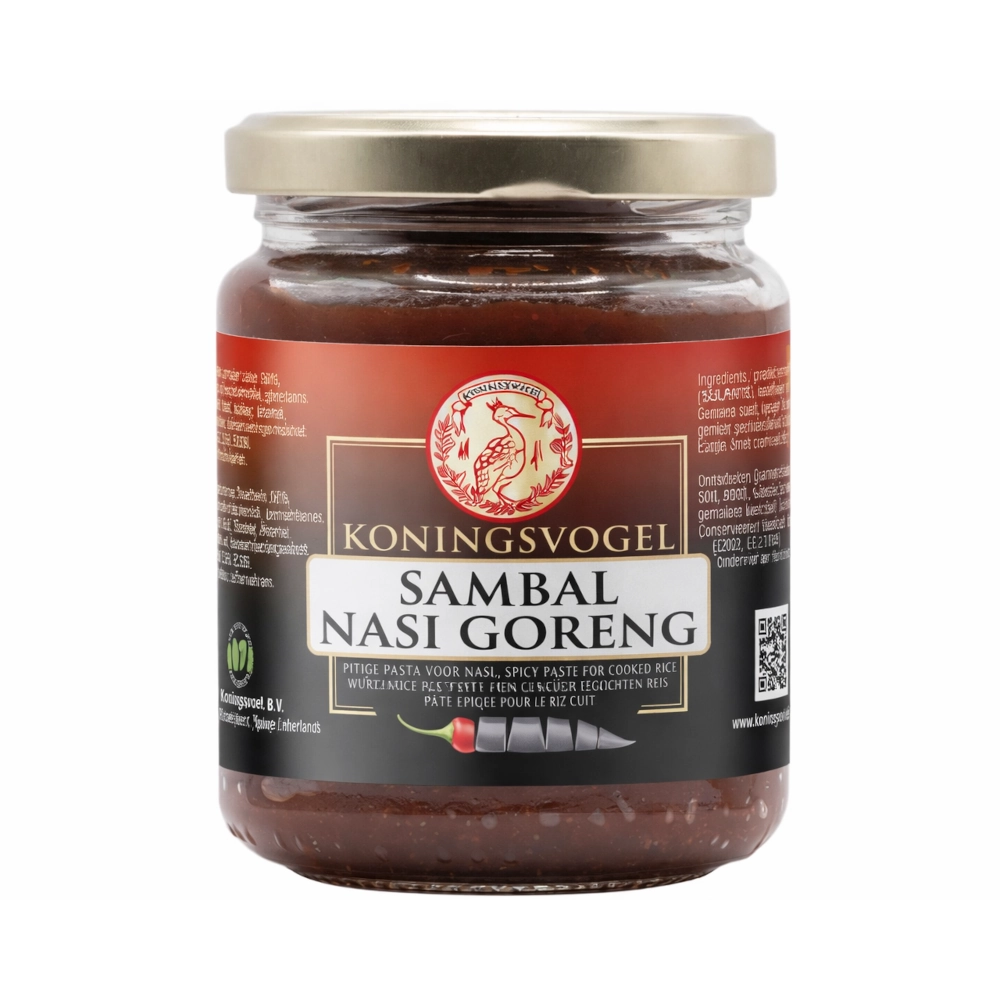
A practical example of the Indonesian direction can be a ready base for fried rice, e.g. Koningsvogel chili paste Nasi GorengIt is a good illustration that a “paste” may be intended for a specific dish and style – and in a Singaporean context, you would not take it as a substitute for laksa paste or sambal for cooking.
Philippines: more emphasis on acidity (a contrast that helps understand Singapore)
In this island axis, the Filipino emphasis on vinegar and acidity (e.g., in the logic of dishes like adobo) and also citrus fruits like calamansi is often mentioned as a contrast. For Singaporean cooking, it’s a good reminder that “Southeast Asia” is not just one flavor: Singapore often builds more on the combination of coconut–umami–chili, while other island cuisines may have acidity as the main axis.
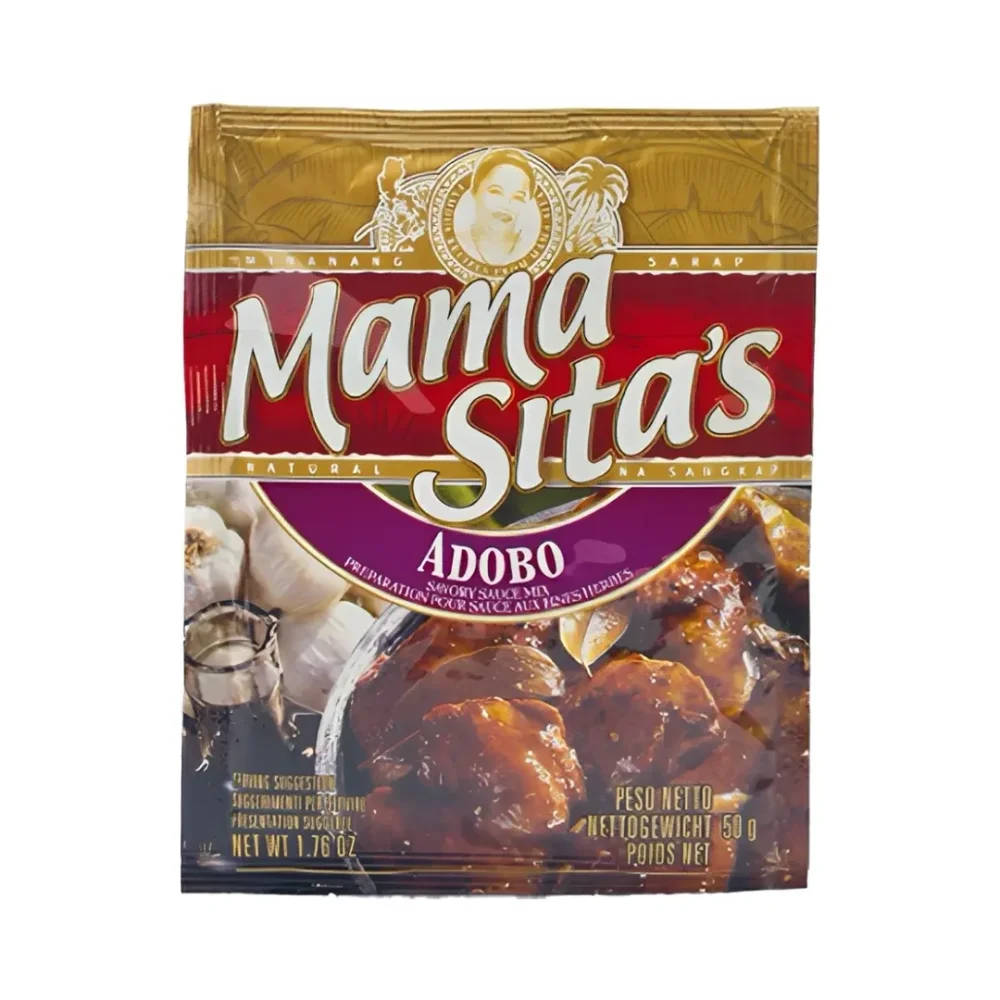
If you want to taste this contrast at home and understand how much a base can change the character of a dish, you can reach for mixtures like Mama Sita's Adobo sauce mix (but consider it a Filipino direction, not a “Singaporean universal sauce”).
🍳 How to start at home: choosing and first use without unnecessary disappointment
The best start is not to buy “all Singaporean products,” but to understand the functions and select a few reliable basics that you will use repeatedly. Here is a practical approach based on what is typical for Singaporean cuisine.
1) Clarify whether you are buying a base or a ready-seasoned product
For chili and sauces, this is key. One bottle can be table chili sauce, another cooking sambal, another a dip, and another a specialized paste for a specific dish. Most home disappointments happen when this is confused.
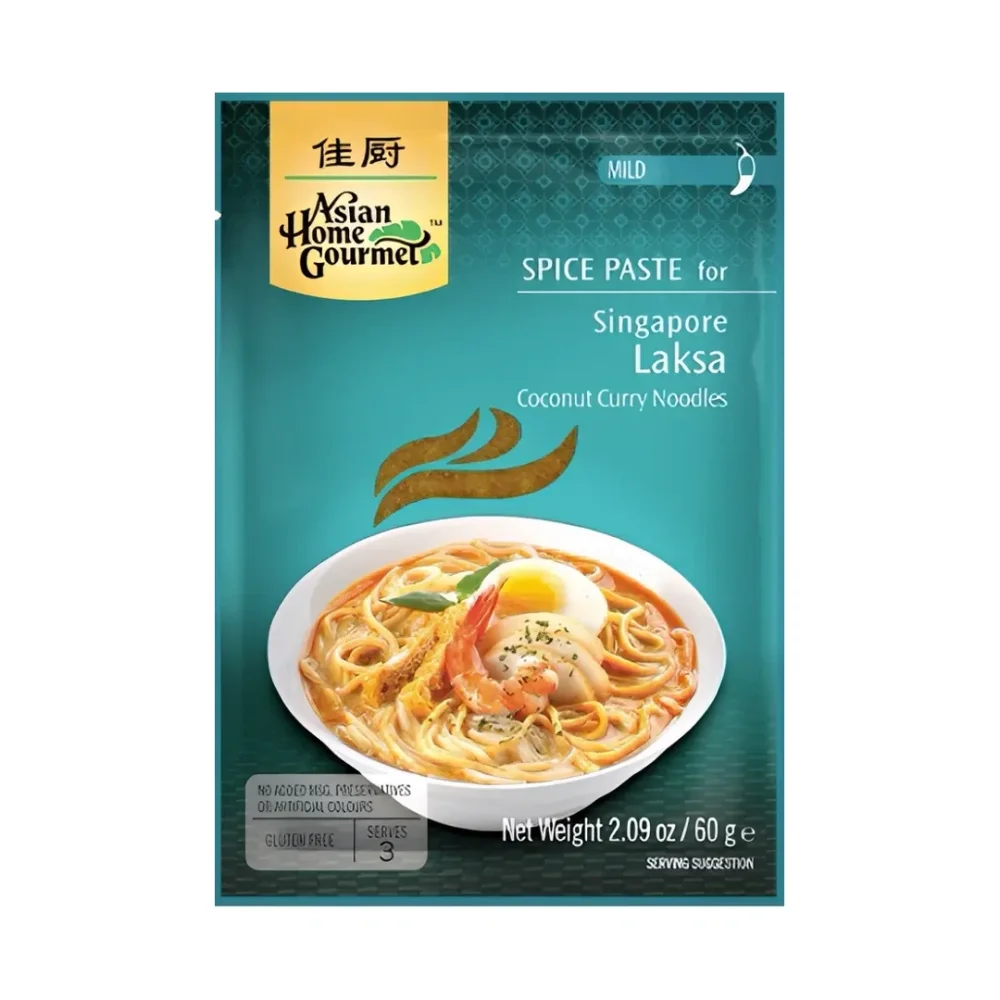
- I want “Singapore laksa”: it makes sense to go for a specialized paste, for example, AHG coconut curry noodle Laksa paste and build the base on it (typically with coconut milk and the right type of noodles).
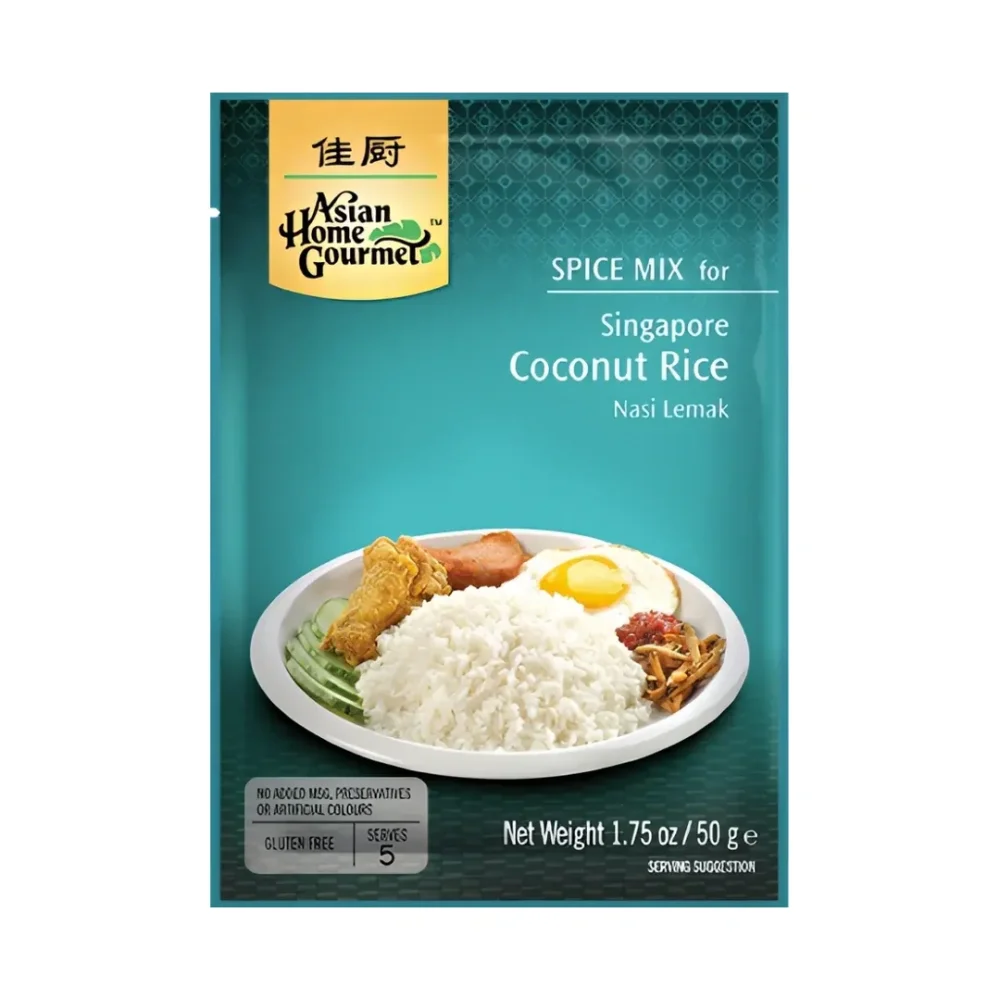
- I want coconut rice in the spirit of nasi lemak: a targeted coconut rice paste is practical, for example, AHG coconut rice Nasi Lemak paste.
- I want a more universal spicy element: then rather look for sambal/chili paste intended for cooking (and use cautiously).
Practical dosing for first attempts: With spicy pastes, start with a small amount (e.g., 1/2 teaspoon per serving), stir, taste, and only then add more. With chili, it is much easier to increase heat gradually than to "take it back."
2) Choose coconut milk according to what you want from it
“Coconut milk” is not one standard. It varies in thickness, richness, and how it behaves after heating. For Singaporean dishes like laksa or nasi lemak, you usually want the coconut base not to be watery but also not to feel heavy.
- For richer dishes (creamy bases, the “main” coconut line), a fuller type is often suitable.
- For lighter uses a finer variant may make sense.
A practical tip when cooking: coconut base usually works better when you heat it more gently and don’t let it bubble aggressively for a long time. This helps maintain consistency and a "rounded" flavor.
3) Don’t buy just "any" noodles: the type matters more than you expect
Singaporean cuisine likes specific textures. If a recipe or base (e.g. laksa) calls for thicker noodles, delicate vermicelli will make the dish something completely different. Stick to the simple rule: first clarify the dish and only then choose the type of noodles (rice vs. wheat, fine vs. thicker).
4) Build a "mini pantry" in layers, not in one big shopping trip
It’s useful to think like an Asian pantry: not to have as many bottles as possible, but a few basics you return to. For a typical Singaporean start, it usually makes sense:
- First layer (the most universal): rice, noodles, basic saltiness/umami seasonings, chili element, coconut milk.
- Second layer (already the "Singaporean identity"): targeted pastes for specific types of dishes (e.g. laksa, nasi lemak), depending on what you want to cook most often.
- Third layer (specialization): items with narrow use that make sense only when you know you will really use them at home.
The most common mistakes (and how to quickly fix them)
- "Chili sauce = sambal = laksa paste": not the same. If the food tastes off or "wrong," you have often used the wrong type of spicy product. Fix: return to the function (table sauce vs. cooking base vs. specific paste for the dish).
- "Coconut milk is always the same": not true. Fix: choose the coconut based on whether you need richness for a hearty base or just a lighter coconut note; and during cooking, monitor to ensure the base is neither watery nor unnecessarily heavy.
- Wrong type of noodles: the result then lacks the right texture and ability to carry the sauce/broth. Fix: clarify the dish (e.g. laksa) and choose the appropriate noodles accordingly (including thickness).
- Chasing "authenticity" instead of correct use: a thicker or "more exotic" product is not necessarily better if you don't know what to put it in. Fix: read labels and buy purposefully according to the ingredient’s role in the dish (base vs. seasoned product).
- Too specialized purchases from the start: some products aren’t bad, they are just narrowly focused and won’t be used at home without context. Fix: start with a few universal basics and add specialties only when you know you will use them repeatedly.
What to take away from the article
- Singaporean cuisine is multicultural and port-based: its flavor holds together on recurring basics (rice/noodles, coconut, chili, umami seasonings, aromatics).
- Typical Singaporean ingredients include rice, rice and wheat noodles, coconut milk, pandan, chili and sambal, fish and shrimp products, soy sauces, garlic, ginger, spring onion, eggs, tofu, curry blends/pastes, lime, peanuts, and for specific dishes, mantou.
- The most important skill is to distinguish product type and its role: table chili sauce is not the same as sambal for cooking and certainly not laksa paste.
- For coconut milk and noodles, the variations make the difference – and they often determine whether homemade laksa/nasi lemak feels "right."
- Start in layers: a few universal basics + 1–2 targeted pastes according to the dishes you want to cook most often.

Read next
If you want to explore this topic further, continue with these related blog guides and articles:
