

 Česky (CZK)
 Slovensky (EUR)
 Deutsch (EUR)
 Austria
 Belgium
 Bulgaria
 Croatia
 Denmark
 Estonia
 Finland
 France
 Germany
 Greece
 Hungary
 Italy
Italy Latvia
 Lithuania
 Luxembourg
 Netherlands
 Poland
 Portugal
 Romania
 Slovenia
 Spain
Spain Sweden










🍜 Glass noodles: a transparent classic for soups, wok dishes and salads
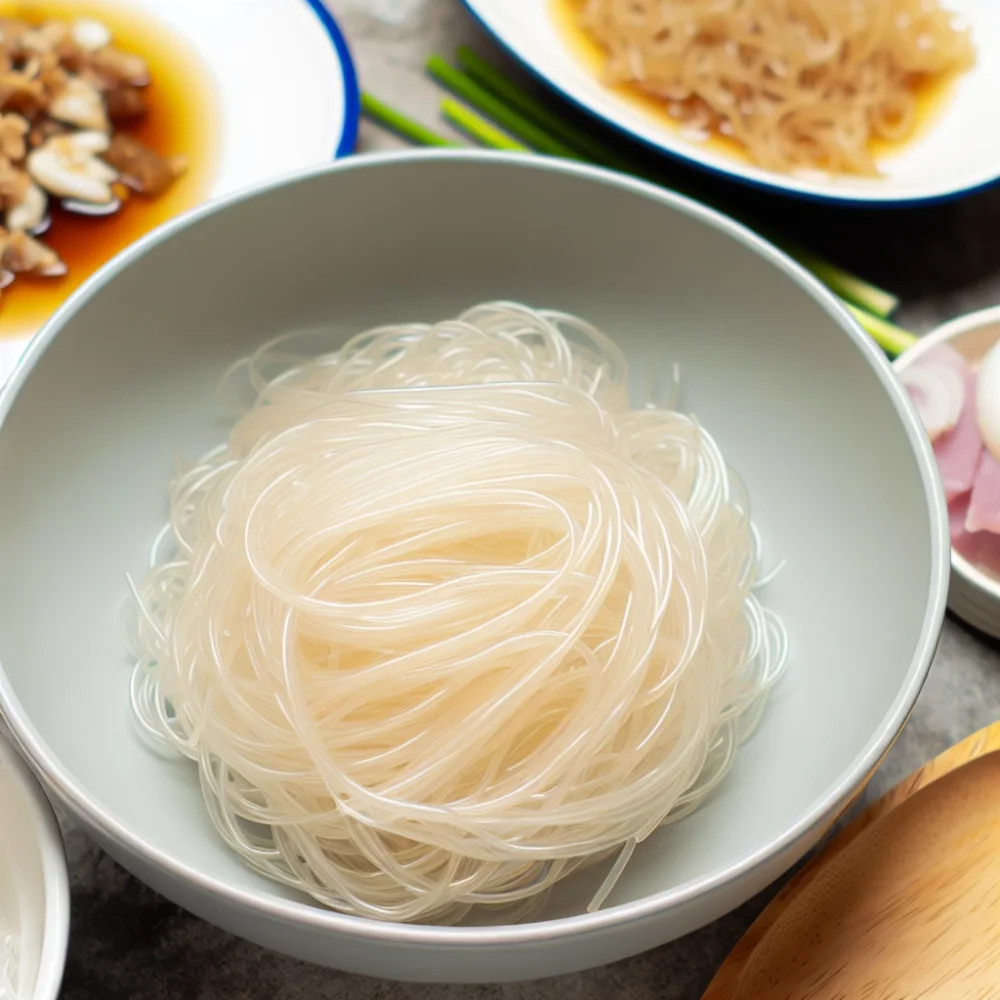
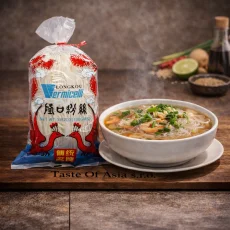
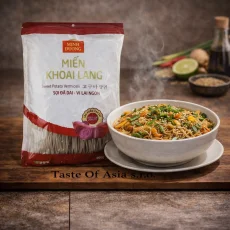
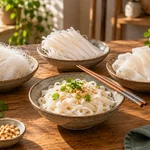
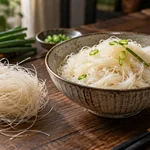
Glass noodles turn almost transparent after cooking and are known for soaking up broth and sauces. Their flavour is mild, which makes them a neutral base for bold seasoning. Across Asian cuisines they appear in soups, hot pot, stir-fries and chilled salads.
Asian cooking staples are available at Asian Food Shop
💡 Tip: Overcooking is the most common issue. Properly cooked glass noodles should be springy rather than mushy.
🕰️ Origin and background
Glass noodles have a long history in East and Southeast Asia. In Chinese cooking they are often referred to as fěnsī, in Vietnam as miến, and in Japan a similar style is commonly called harusame. They are used where a clean texture and strong sauce absorption are desired.
Interesting note: The “glass” look comes from starch and processing. After hydration the noodles do not turn opaque like wheat noodles, but become translucent with a characteristic sheen.
🧪 Starch, types and what to expect
Glass noodles are made from starch. The starch source affects elasticity and how the noodles behave in a pan.
- mung bean starch is typical for thin, delicate glass noodles
- sweet potato starch tends to be more elastic and is common in Korean-style recipes
- pea starch or starch blends are used in various regional versions
For navigation, the category Glass noodles and the broader overview Noodles are useful.
👃 Flavour profile and texture
- mild, neutral taste
- springy, slightly chewy texture when cooked correctly
- excellent sauce and broth absorption
- texture shifts quickly when overcooked
🍳 Kitchen uses
🍲 Soups and broths
Add them at the end or cook separately and portion into bowls. This keeps the texture springy.
🔥 Wok and stir-fries
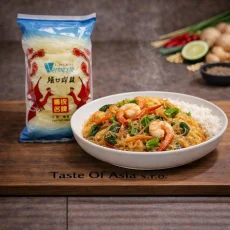
After soaking or a brief boil, toss quickly with sauce over high heat. Cutting the noodles shorter can make mixing easier.
🥗 Salads
Thin glass noodles work well in chilled salads. Once cooled, they hold their shape and pair well with acidic and spicy dressings.
🥟 Rolls and fillings
In vegetable and mushroom fillings they add volume and help bind the mixture without adding strong flavour.
🫶 Nutrition notes
Glass noodles are primarily a starch side. They are often naturally gluten-free because they are not wheat-based, but checking the label is still recommended. In a meal, noodles can carry the sauce while vegetables and protein provide most of the flavour and satiety.
✅ How to choose glass noodles
- starch source determines elasticity and suitability for specific dishes
- thickness hints at use thinner for soups and salads, thicker for stir-fries
- preparation method differs some need soaking, others a brief boil
- if noodles stick, a quick cold rinse and a drop of oil from Oils can help
🛒 Product picks
The three products below cover everyday use from classic glass noodles to a more elastic sweet potato version.
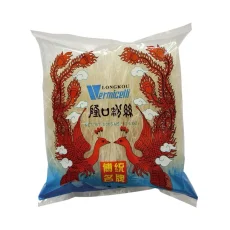
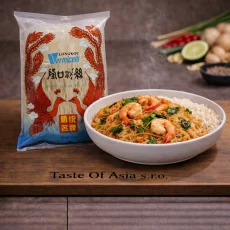
- Nan Fen Zhuang Glass noodles 500 g Classic thin glass noodles for soups and stir-fries.
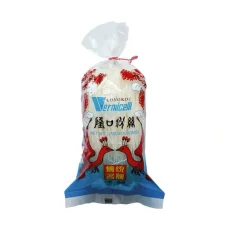
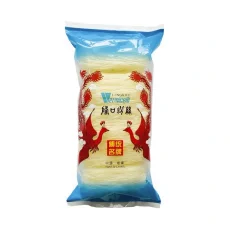
- Nan Fen Zhuang Glass noodles Portioned 500 g Portioned version for easy dosing and quicker prep.
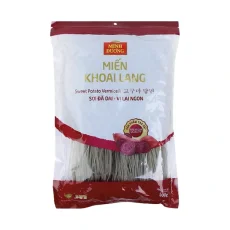
- Minh Duong Sweet potato noodles 300 g More elastic sweet potato noodles for Korean-style dishes.
🥢 Recipe: Korean japchae with glass noodles
Japchae is a Korean classic: glass noodles with vegetables, sesame and a soy-based seasoning. Texture is the main point, so timing matters and the noodles should be mixed with the sauce quickly after cooking.
Ingredients
- glass noodles 200 g
- carrot 1 large
- bell pepper 1
- onion 1 or a bunch of spring onions
- mushrooms 150 g ideally shiitake
- tofu 200 g optional instead of meat
- beef 200 g optional for a classic version
- soy sauce 3 to 4 tbsp
- sesame oil 1 tbsp or neutral oil
- sugar 1 to 2 tsp
- salt to taste
- garlic 2 cloves
- black pepper to taste
- sesame seeds for serving
Method
- Prepare the glass noodles according to the instructions. Usually a hot soak or a brief boil is enough. Drain, rinse quickly and let them dry off.
- Slice the vegetables into thin strips and the mushrooms into slices.
- Quickly sear tofu or beef in a pan and set aside.
- In the same pan, stir-fry the vegetables and mushrooms until just tender-crisp. Add garlic.
- Return tofu or beef to the pan, add the noodles and toss with soy sauce, sugar and oil. Adjust with salt and black pepper.
- Finish with sesame seeds and serve warm or at room temperature.
✅ Tip: Japchae has the best bite when warmed briefly. Prolonged frying increases the chance of drying or over-softening the noodles.