


 Česky (CZK)
 Slovensky (EUR)
 Deutsch (EUR)
 Austria
 Belgium
 Bulgaria
 Croatia
 Denmark
 Estonia
 Finland
 France
 Germany
 Greece
 Hungary
 Italy
Italy Latvia
 Lithuania
 Luxembourg
 Netherlands
 Poland
 Portugal
 Romania
 Slovenia
 Spain
Spain Sweden










How to read packaging and types of Asian noodles: how to recognize what will really work for you at home
With Asian noodles, the name on the front of the package is often only indicative. Whether the noodles are suitable for broth, wok, or a cold bowl is usually decided by their ingredients, thickness, and pre-treatment. In this guide, we will show you how to read labels, what the main noodle families are (wheat, rice, buckwheat, starch-based, and konjac), and how to choose a type that won’t overcook, fall apart, and gives the dish exactly the texture you expect.
Why the label on Asian noodles is more important than it seems
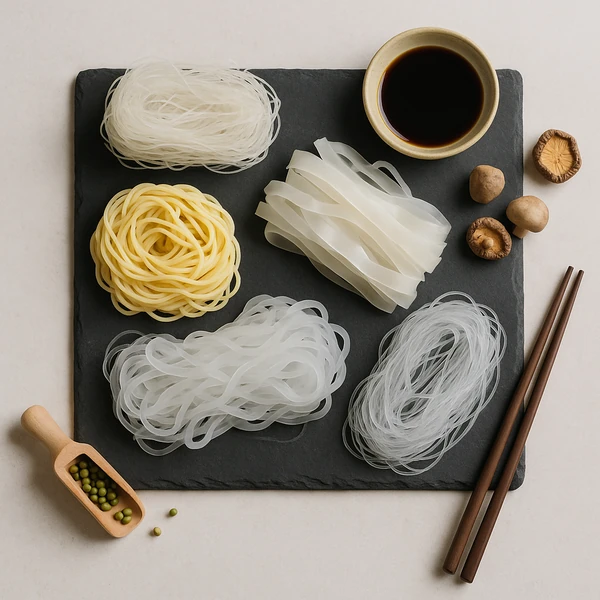
“Noodles” are not a single ingredient but a large family of products. They vary in base (wheat, rice, buckwheat, starch, konjac), structure (thin vs thick, smooth vs wavy), pre-treatment (dry, fresh, pre-cooked, instant), and how they behave in heat and sauce.
That's why it pays to read the packaging differently than with regular pasta: don’t start with the picture of the finished dish but with the ingredients and instructions. Often this can prevent the two most common disappointments: noodles that fall apart in broth or break in the pan and turn to mush.
🌶️ What are “Asian noodles” and how to quickly navigate them
For home cooking, it’s most practical to think about noodles through four questions:
- What are they made of (the material determines flexibility, fragility, and “slip”).
- How thick they are and their shape (vermicelli work differently than wide sheets).
- How they are pre-treated (cooked vs soaked vs instant preparation).
- What type of dish they are meant for (soup, wok, “dry” stir-fried noodles, cold bowl).
Once you get used to reading this from the package, terms like “ramen,” “rice sticks,” or “glass noodles” stop being confusing names and become shortcuts for a certain behavior of the noodle in the dish.
Main groups of Asian noodles: what to expect from them
Wheat noodles: flexibility, versatility, and sometimes an alkaline “bite”
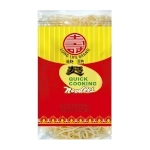
Wheat noodles are a huge family: they include ramen, udon, some Chinese noodles, wonton noodles, lo mein, chow mein, somen, or hiyamugi. Their common practical feature is higher flexibility and that they often tolerate both broth and pan well.
- Thin and flexible are good for quick stir-fry or lighter soups.
- Thicker and denser work well in broths and heartier dishes where the noodles “lean” on the base.
- Thin smooth often work in cold dishes and with dips.
A special subgroup is ramen noodles, whose typical flexibility and slightly “crunchy” bite are related to the alkaline component (often listed as kansui).
For quick comparison of shapes and uses, a guide is helpful wheat noodles.
Rice noodles: finer texture, sensitivity to overcooking, and wide differences in width
Rice noodles are based on rice flour or rice starch, sometimes mixed with other starches for texture. They are typical for Southeast and East Asian kitchens and come in a full range: from very thin vermicelli to medium and wide flat noodles.
Two things apply in practice: width and thickness change the use more than the name, and rice noodles tend to be more sensitive to overcooking – so it’s always worth following whether the package recommends boiling, blanching, or just soaking.
Buckwheat noodles (soba): watch how much buckwheat is really in them
Buckwheat noodles often appear on packages as soba. The key detail for choosing is something the marketing name might not emphasize: the percentage of buckwheat. In practice, you may encounter noodles strongly buckwheat-based or variants where buckwheat is only a small part of the mixture.
Starch and glass noodles: translucency, slipperier texture, and "texture as the main experience"
This group includes noodles from starch bases (e.g., mung bean starch, potato starch, or sweet potato starch). They often have a translucent appearance and a specific slippery, flexible texture. In many dishes, the texture is as important as the flavor.
If you want to quickly compare different types, a guide helps glass noodles.
Konjac (shirataki) and other special variants: different material, different behavior
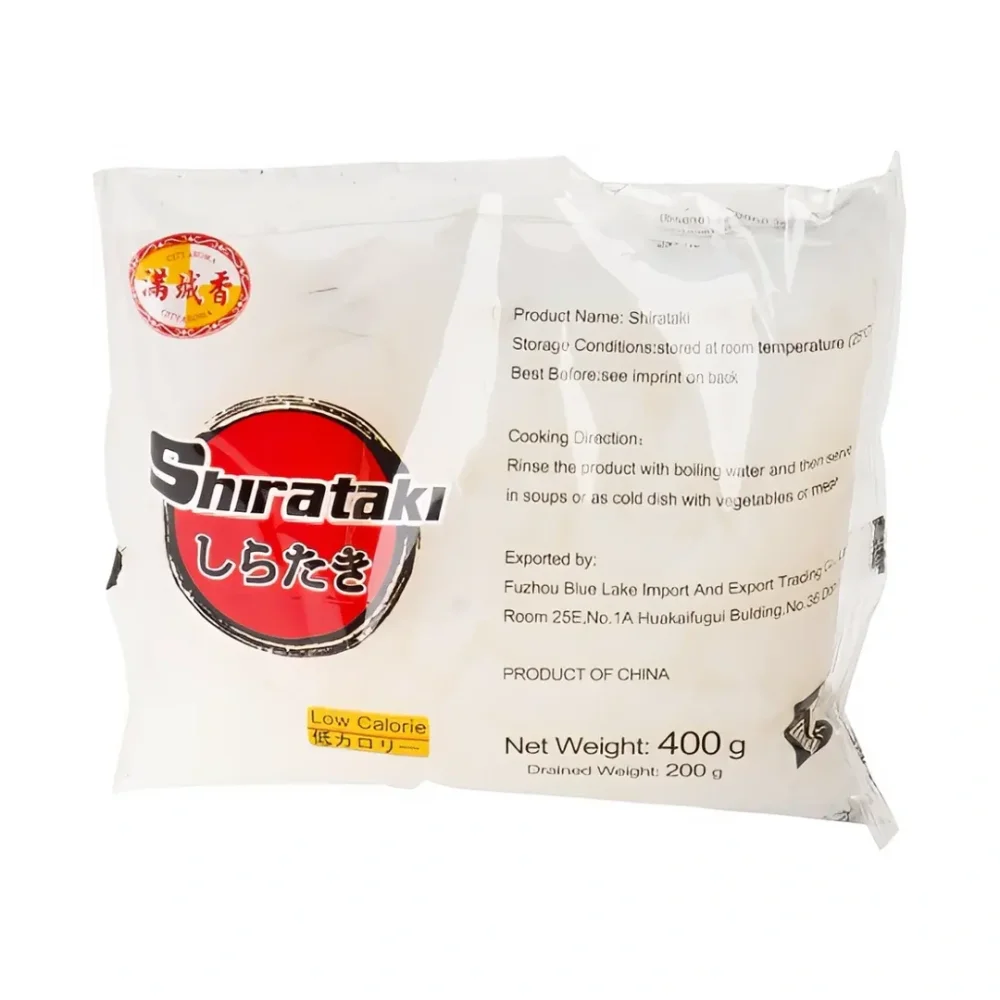
Konjac noodles (often shirataki) belong to “special” variants – they are not just substitutes for wheat or rice noodles. Practically this means: expect a different texture and choose them according to whether their style fits into soup, wok, or curry.
As a specific example of konjac noodles, you might encounter City Aroma Shirataki wide noodles – wide shapes typically behave differently than thin variants.
How to read the packaging step by step: what matters more than the name on the front
1) Start with the ingredients: the first items tell you what the noodles “are”
With Asian ingredients, a simple rule often applies: the small print decides. The ingredient list is usually indicated in descending order by weight – so the first ingredients are the most important for the character of the product. For noodles, this is crucial because the material directly determines texture and suitable use.
2) Find the main ingredient and watch for additives
Try to “pull out” one main piece of information from the package: is it wheat, rice, buckwheat, mung bean starch, sweet potato starch, or konjac? Then a second one: is there something in the ingredients that you wouldn’t expect?
- For soba noodles, the deciding factor is often the percentage of buckwheat.
- For rice noodles, you might find added wheat – which changes not only texture but also allergen profile.
3) Eggs and alkaline components: details that change cooking behavior
With wheat noodles, check if they contain eggs – this can change taste and “richness” and also how the noodles hold sauce. For ramen noodles, look for mention of alkaline components (kansui): this is why ramen doesn’t “bite” like regular soft wheat noodles.
4) Type of pre-treatment: dry, fresh, pre-cooked, instant (and fried vs non-fried)
It’s useful to find on the package how “ready” the noodles are:
- Dry: typically require cooking or soaking depending on type.
- Fresh: often shorter preparation but different structure.
- Pre-cooked: usually only need to be briefly heated or “finished” in sauce.
- Instant: for these, it also matters whether they are fried, or dried (e.g., by hot air) – the difference can affect texture and how quickly they soften.
In practice, this is one of the most important details for wok: if you cook noodles fully beforehand, they will just fall apart in the pan. So look for recommendations on whether to cook, just soak, or briefly heat.
5) Allergens and gluten-free orientation: don’t rely on appearance
For gluten-free cooking, it’s unsafe to rely on noodles “looking like rice” or that they are traditionally gluten-free. The deciding factor is the actual composition and any gluten-free declaration. Also watch out for misleading labels like “wheat-free” – they don’t automatically mean “gluten-free.”
How to choose noodles by dish: soup, wok, “dry” bowls, and cold noodles
Asian noodle dishes are not one technique – they differ in the role of broth or sauce, method of heat treatment, and whether the noodles are eaten immediately or maintain texture when cooled. For home selection, it’s useful to think about four “worlds”: broth bowls, wok dishes, dry/mixed noodles, and cold variants.
Noodle soups and broth bowls: texture must withstand hot liquid
Noodles that hold shape after contact with broth work best in soups. Typical choices are:
- ramen for broth soups and more concentrated ramen styles (note: ramen can easily overcook and soften further in broth),
- udon for warm broths and heartier bowls,
- soba for lighter Japanese broths,
- rice noodles for phở, bún, and other Southeast Asian soups,
- some glass noodles for lighter and clearer soups.
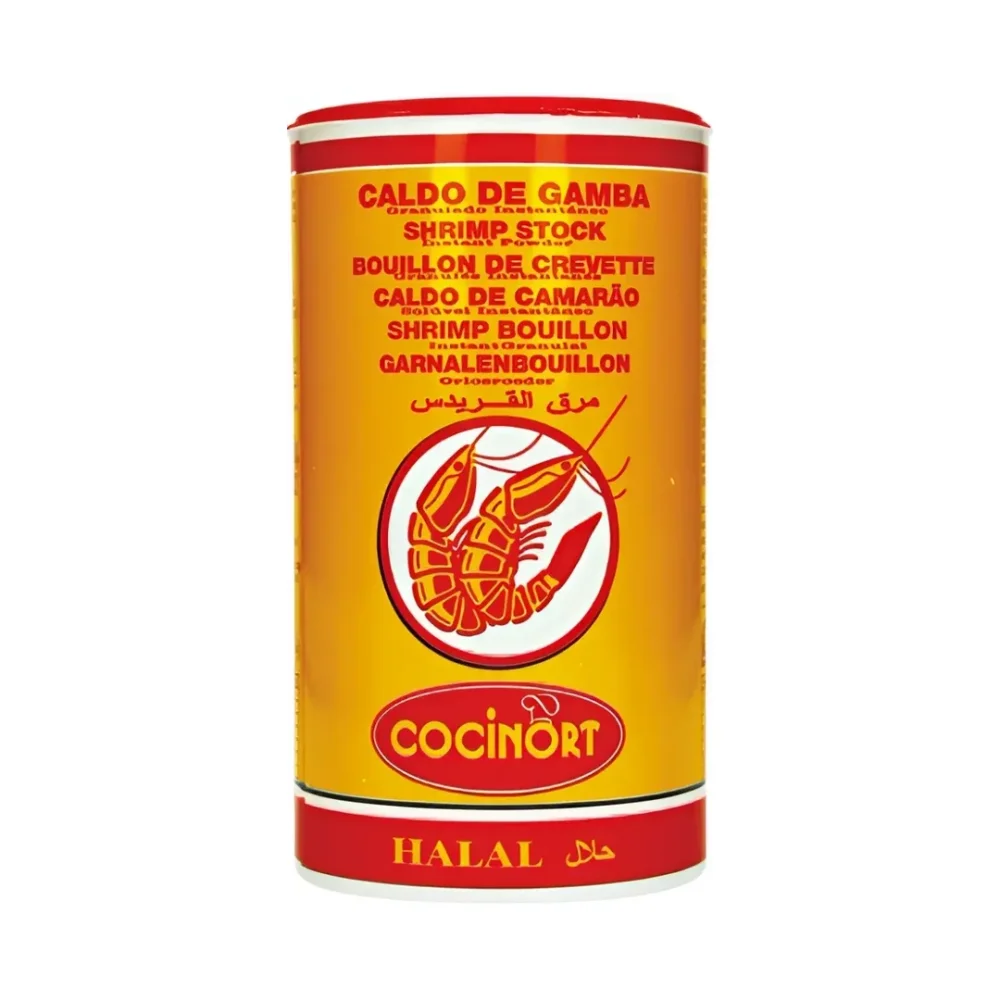
If you want to quickly boost broth with a pronounced "seafood" flavor, a small dose of Cocinort shrimp broth can help (especially in shrimp and Asian-flavored noodle soups) – but overall bowl style, not just the broth, decides.
Stir-fried and wok noodle dishes: key is not to overcook beforehand
For stir-fry you need noodles that withstand mixing, contact with fat and sauce, and short, intense heat. Often work well:
- wheat wok noodles,
- wider rice noodles,
- some ramen noodles in drier preparations,
- glass noodles, if you want a lighter and more flexible texture.
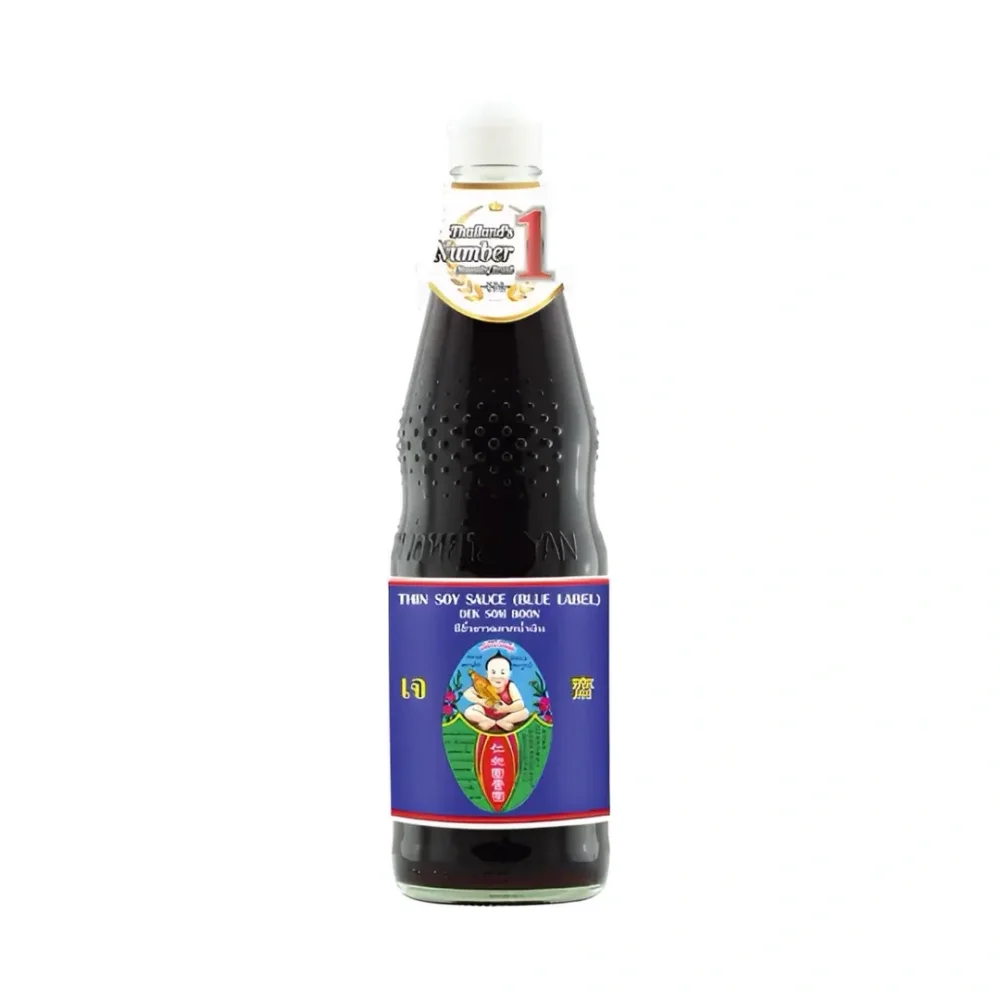
A practical rule for wok: prepare noodles so they can still “finish” in the pan – otherwise they easily fall apart. Keep the seasoning in the dish style: for quick salty-umami seasoning of woks and noodles, light soy sauce is typically used, for example Dek Som Boon light soy sauce.
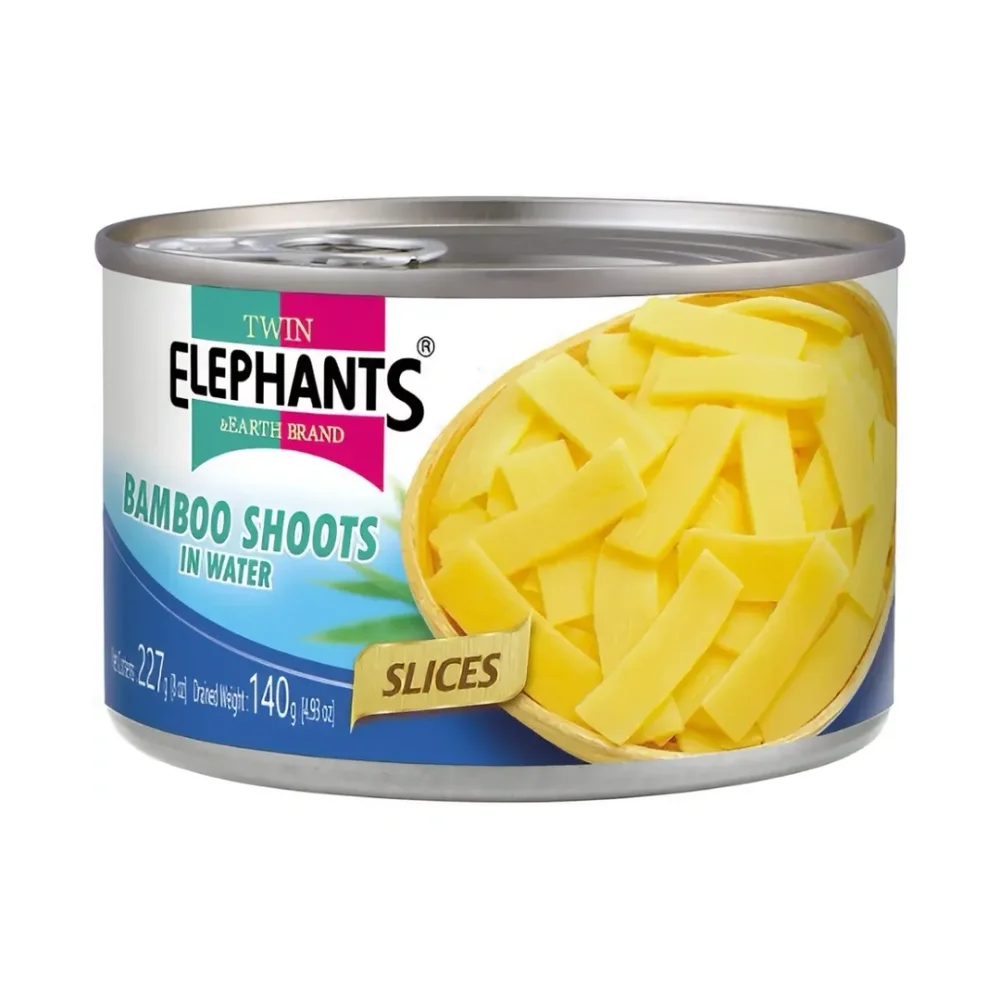
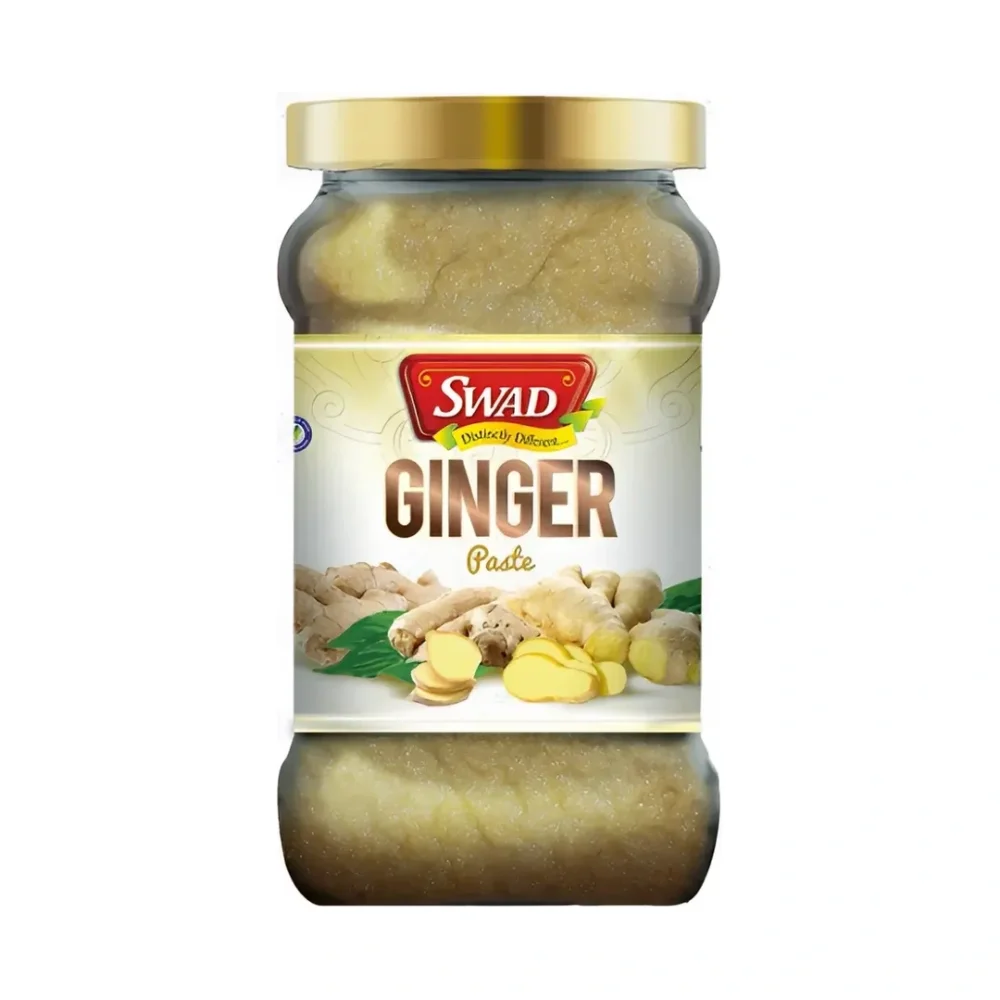
Crunchy vegetables often are added to wok noodles that are only briefly heated – such as Twin Elephants sliced bamboo shoots. And if you want to speed up aromatic base without peeling and grating, for example SWAD garlic ginger paste works in many stir-fries and soups.
“Dry,” mixed, and dipped noodles: choose by surface and shape
For dishes where noodles are not submerged in broth and it's not a classic wok, it is often crucial that the noodles are well coated in sauce and still hold their structure. Often winners here are thin smooth noodles, which can be eaten even with a dip. This is also one of the areas where the name on the package is the least reliable – the decisive factor is the material and recommended method (boiling vs. soaking).
Cold and seasonal noodles: noodles must hold texture even after cooling
Cold noodles are not just “leftovers from the fridge.” In Asian cuisines, there are also seasonal cold variants (for example, in chilled broth). For home selection: look for noodles that maintain stable texture even after cooling – and check the packaging whether only short cooking, rinsing, or another procedure is recommended.
Most common misconceptions (and how to quickly sort them out in your mind)
- “All noodles are interchangeable.” They are not. The material fundamentally changes elasticity, brittleness, and whether the noodles can handle broth or a pan.
- “Pad thai, chow mein, and mie goreng are almost the same.” They are not. All can be stir-fried, but they differ in noodle type and flavor profile. If you want a specific dish, choose noodles according to the intended style, not just because “it's from a pan.”
- “Noodle soups are all about the broth.” No. Equally important is the texture of the noodles and the fact that they continue softening in the broth (especially noticeable with ramen).
- “Ramen sums up the entire Asian noodle culture.” No. Ramen is just one branch – alongside udon, rice noodles for phở, starch noodles, and many other styles.
- “Rice noodles are always light and wheat noodles always heavy.” This does not apply universally. It depends on shape, thickness, and the context of the dish.
- “Gluten-free = it's enough that the noodles look like rice noodles.” No. Composition (and possible declaration) is decisive. Some rice noodles may contain wheat admixtures; always read the label.
- “It's enough to rely on a photo of the finished dish.” A photo helps envision, but the fastest filter is: what the noodles are made of, how thick they are, and whether they should be boiled or soaked.
As practical training: next time with two “similar” packages, try to find three things – main ingredient, pre-treatment, and recommended use. You will often find the difference is bigger than the name suggests.
What to take from the article
- The name of noodles is often indicative – composition (material) and preparation instructions are decisive.
- For home selection, 4 things are key: material, thickness/shape, pre-treatment, and type of dish (soup vs. wok vs. cold).
- Ramen is not “just a wheat noodle” – the typical texture is related to the alkaline component (kansui) and ramen is easily overcooked.
- With soba watch the buckwheat percentage; with rice noodles monitor possible admixtures (including wheat).
- For gluten-free do not guess by appearance – always the real composition and labeling are decisive.

Read next
If you want to explore this topic further, continue with these related blog guides and articles:
