


 Česky (CZK)
 Slovensky (EUR)
 Deutsch (EUR)
 Austria
 Belgium
 Bulgaria
 Croatia
 Denmark
 Estonia
 Finland
 France
 Germany
 Greece
 Hungary
 Italy
Italy Latvia
 Lithuania
 Luxembourg
 Netherlands
 Poland
 Portugal
 Romania
 Slovenia
 Spain
Spain Sweden










How to recognize good tofu (and why it’s not just about the brand)
"Good tofu" is not universally the firmest or the softest. You recognize quality mainly by whether a particular tofu corresponds to what you need from it in a dish: a different type fits soup, another for the pan, and another for cream or dessert. The article explains clear differences between silken and firm tofu and practical signs to identify a quality piece right after opening and during cooking.
Why it makes sense to consider "good" tofu
Tofu is often assessed simply: either as a neutral "meat substitute" or as one interchangeable thing that should always taste the same. But tofu (and soy products in general) is more like a family of ingredients with different textures and different behavior in the kitchen. When someone grabs the wrong type, it’s easy to conclude that "tofu is weird" — in fact, they just tried to use delicate tofu for aggressive frying or expected creaminess from a firm block.
A practical rule that is good to remember: good tofu is recognized by suitability for your use. Only then consider finer quality signs like aroma, surface, or wateriness.
First orientation: why soy products (and tofu) differ so much
The biggest differences between tofu and other soy products come from several things: degree of processing, water content, fermentation and also specific technologies (curdling, pressing, aging). Therefore it’s more useful than asking "is it tofu?" to ask:
- Is the tofu soft or firm?
- Is it for soup, pan, grill, or dessert?
- Is it fresh or fermented?
- Is it meant to carry sauces and spices, or does it have its own stronger flavor?
This thinking will help you not only select better tofu but also understand why alongside tofu in Asian cuisine there appear products like tempeh or miso: each does something different in cooking and it’s not "the same thing in another form."
🌶️ What tofu is and why it works as a "flavor carrier"
Tofu is made from soy milk, which is curdled similarly to milk in cheese production. The resulting mass is pressed into blocks and depending on how much water remains in it and how pressing and further processing is done, the texture changes.
Its great advantage is not that it would have an extremely pronounced flavor on its own. On the contrary: tofu often works best as a carrier — it can absorb the flavor of marinade, sauce, broth, or spices. And this is where quality quickly shows: good tofu takes on the flavor "cleanly," while problematic tofu can seem excessively watery, crumble, or behave in the dish differently than expected.
The two most important tofu worlds: silken vs. firm
For home cooking it’s most important to distinguish two basic textures. Not as "better and worse," but as two different ingredients.
Silken tofu: delicate, fragile, creamy
Silken tofu is very delicate, smooth, and fragile. It works great where tofu should be part of a delicate texture and where it won’t be handled aggressively. Typical uses: soups (for example miso soup), gentle stews, cold dishes, dips, dressings, creams, and desserts.
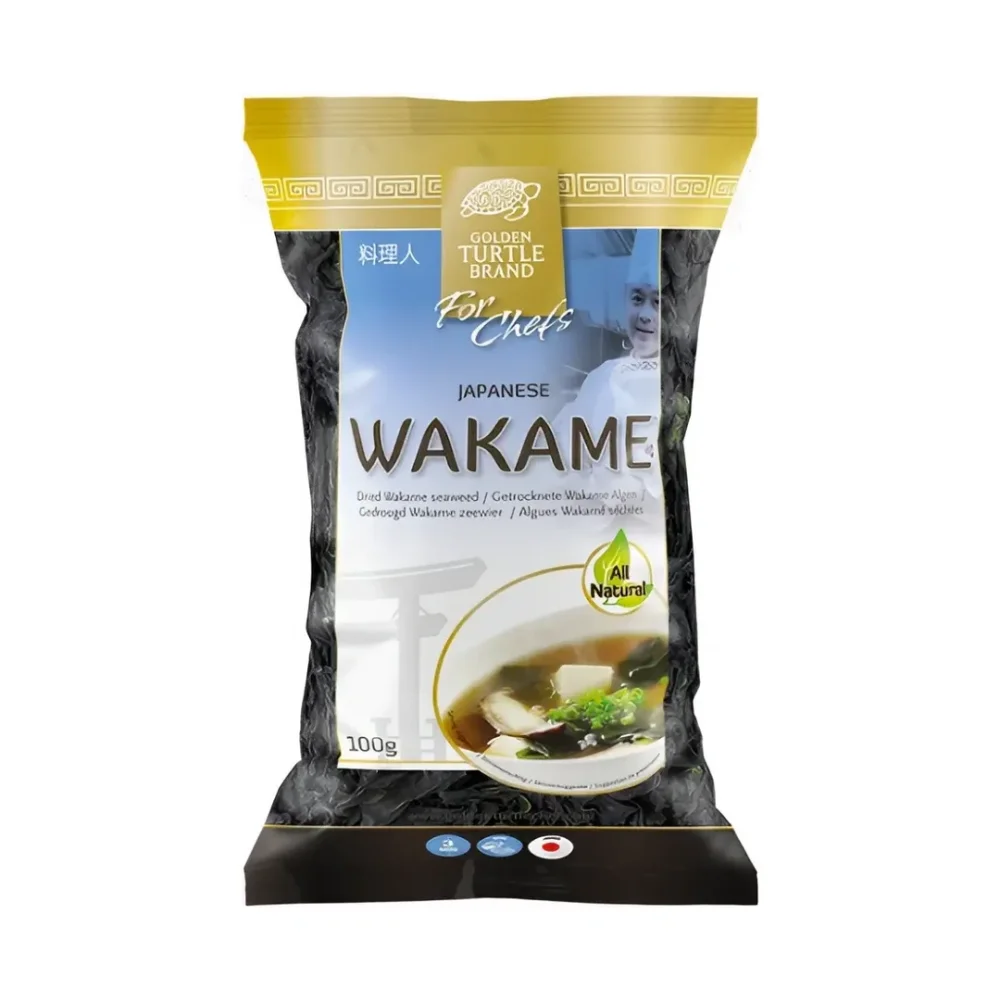
In these dishes it often makes sense to also consider accompanying ingredients that work with delicacy and broth — for example seaweed wakame (Golden Turtle Chef seaweed wakame) or fermented bases from the category soy and miso pastes.
Firm tofu: for pan, wok, grill, and baking
Firm tofu (and even firmer types like extra firm) is more stable and holds its shape better. The firmer the tofu and the less water it has, the more suitable it is for pan, wok, grill or baking — basically everywhere you want to turn cubes, fry them, and not worry about them falling apart.
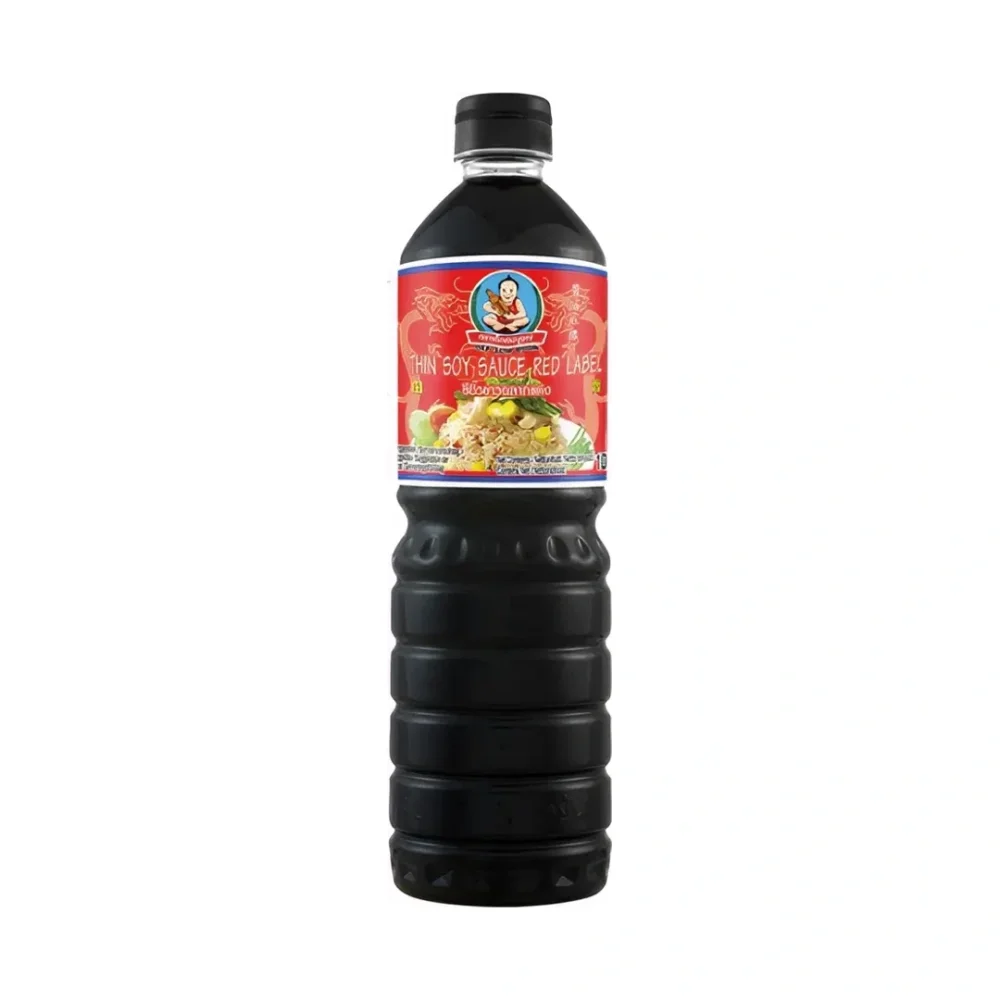
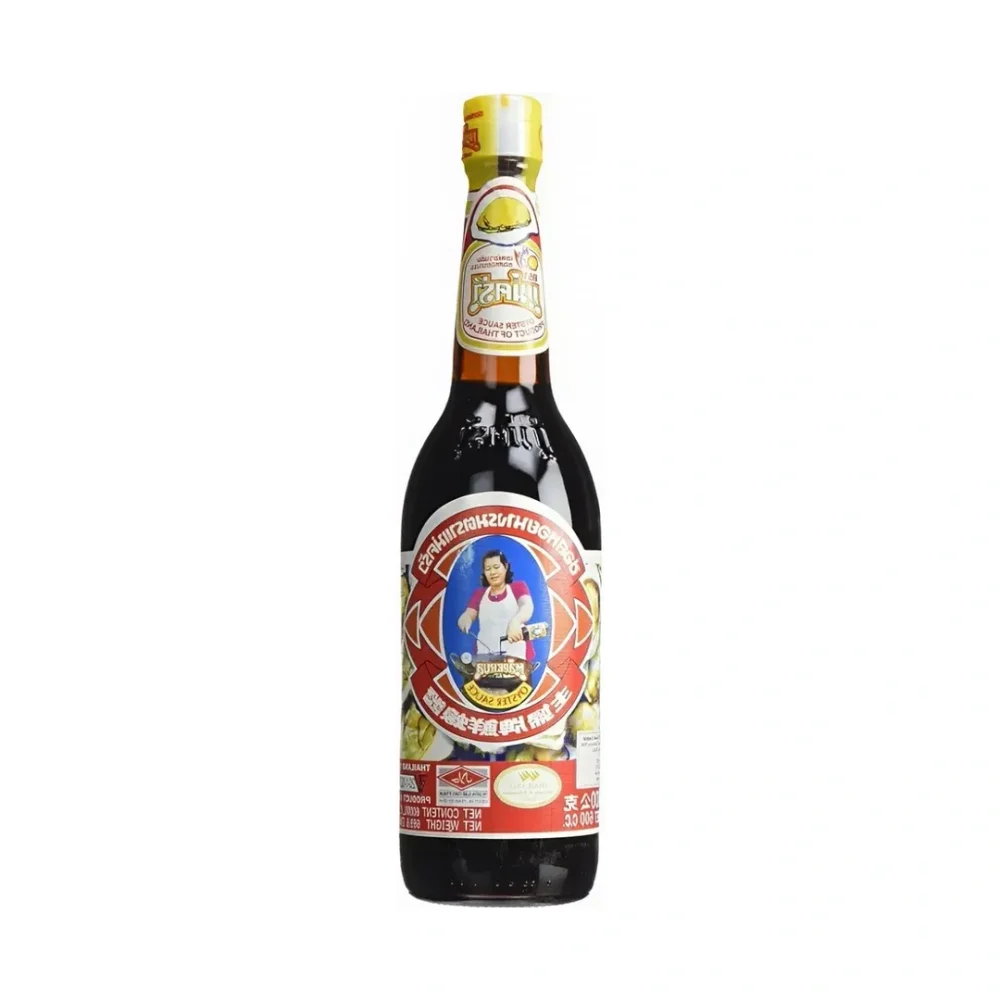
This tofu also tolerates stronger sauces well, which give it the “main flavor.” For basic seasoning, light soy sauce is practical (for example Dek Som Boon light soy sauce), or sauces that quickly round and unite the dish into a glossy stir-fry (like Maekrua oyster sauce).
How to recognize good tofu before cooking: check after opening
For fresh tofu, it’s worth watching several specific signs. It’s not a lab test — more about whether the tofu seems “clean” and matches the type you bought.
- Type and texture: is the tofu really as soft/firm as you need for your dish?
- Wateriness vs. expectations: the problem isn’t “water in the package” itself, but when the tofu is excessively watery where you expect firmness and stable cubes.
- Aroma: tofu should smell clean, without an unpleasant sour tone.
- Color and surface: watch if the surface looks suspicious, dirty, or “tired.”
- Ingredients: for unflavored tofu it makes sense to prefer simpler composition without unnecessary additives. (Flavored variants are a separate category and there a longer ingredient list is common.)
- Liquid and packaging: the packaging should be undamaged and the liquid inside should look clean.
Practical quality test during cooking: does the tofu hold its shape as it should?
You can recognize good tofu even while cooking — mainly by whether it behaves predictably for the given technique. Watch four things: shape, crumbling, work with the sauce, and reaction to heat (pan, broth, steam).
How to choose tofu according to the dish (and what to expect from it)
- For soup: mostly silken or soft tofu. If you need larger cubes, sometimes a firmer but still delicate type makes sense — but still one that does not feel “rubbery” in soup.
- For pan and wok: firm tofu, extra firm tofu, or tofu that you dry and weigh down beforehand (to reduce wateriness and improve frying).
- For grill: firm tofu, extra firm tofu, or marinated blocks with lower water content. Here quality quickly shows: good tofu holds shape and can handle working with marinade.
- For salads and bowls: often fried or roasted firm tofu. Sometimes cold softer tofu — when it is intentionally the main texture of the dish.
- For desserts and creams: silken tofu, because it can create a smooth, delicate texture.
How to recognize that tofu "can carry" marinade and sauce
Because tofu often absorbs the flavor of its surroundings, it’s worth looking at how the seasoning works with it:
- For firm tofu watch whether after adding sauce it stays in cubes and on the surface, or if the tofu suddenly starts to fall apart and “lose”.
- For delicate tofu watch if the flavor of broth or seasoning seems clean and the tofu remains smooth, not mushy.
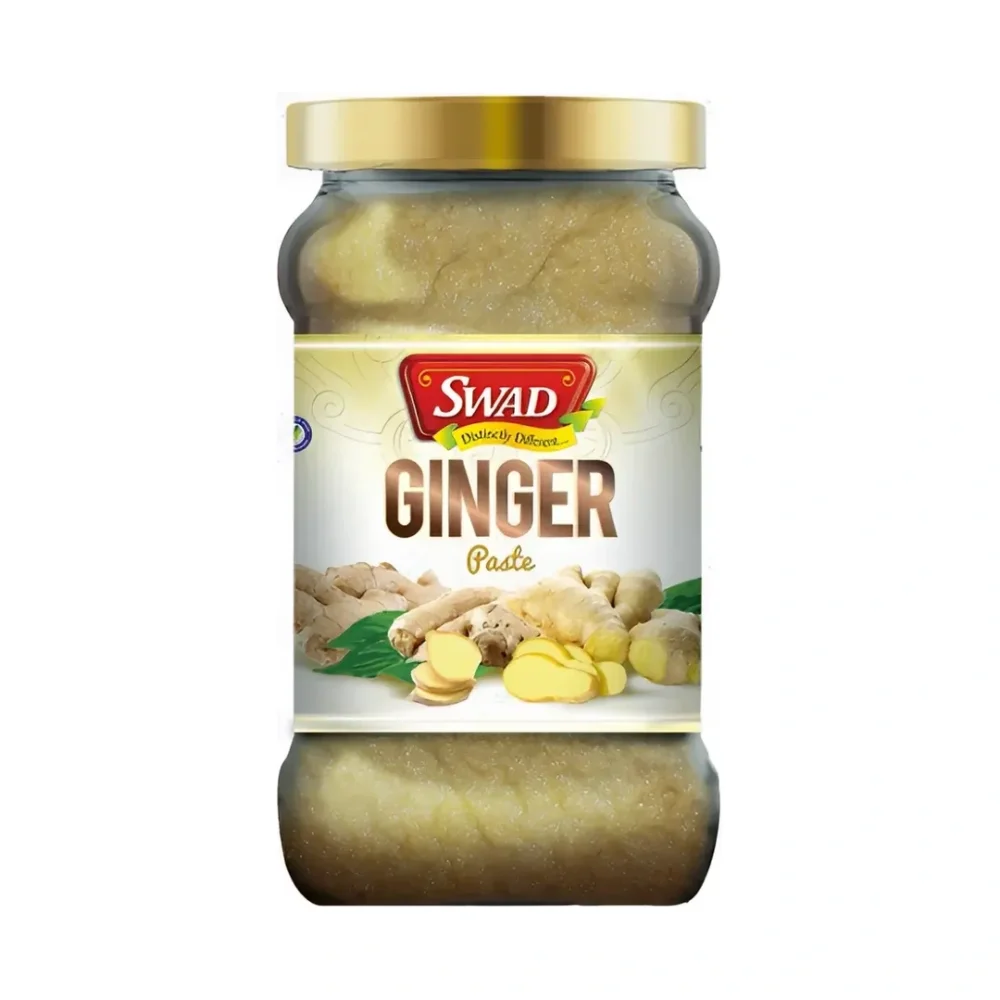
For quickly perfuming the base of the dish (marinade, sauce, broth) ginger often works well — for example in paste form if you want to add flavor directly without grating (SWAD ginger paste).
Common mistakes and misunderstandings (and how to avoid them)
- "Good tofu = as firm as possible": no. For soup, cold dishes, or cream, “the firmest” tofu is often a bad choice. Quality is mainly matching type and use.
- Frying silken tofu as a firm block: silken tofu is fragile. If you turn and stir it like firm tofu, it easily falls apart — even if it’s good quality.
- Excessive wateriness in tofu for pan: if you want to fry, it’s a problem when the tofu is too watery exactly where you expect firmness. It helps to choose a firmer type and work with drying/weighting down.
- Wrong expectations from taste: tofu often isn’t a “finished flavor,” but a carrier. When you lightly salt it, it can taste flat. It makes sense to work with sauces that form the flavor backbone of the dish (for example various types of soy sauces).
- Confusing soy sauce styles: under the name “soy sauce” hides a wide family. For example sweet styles (category sweet soy sauces) have a different logic than regular working sauce — they are not ideal as mechanical substitutes because they can fundamentally change sweetness and overall tone of a dish.
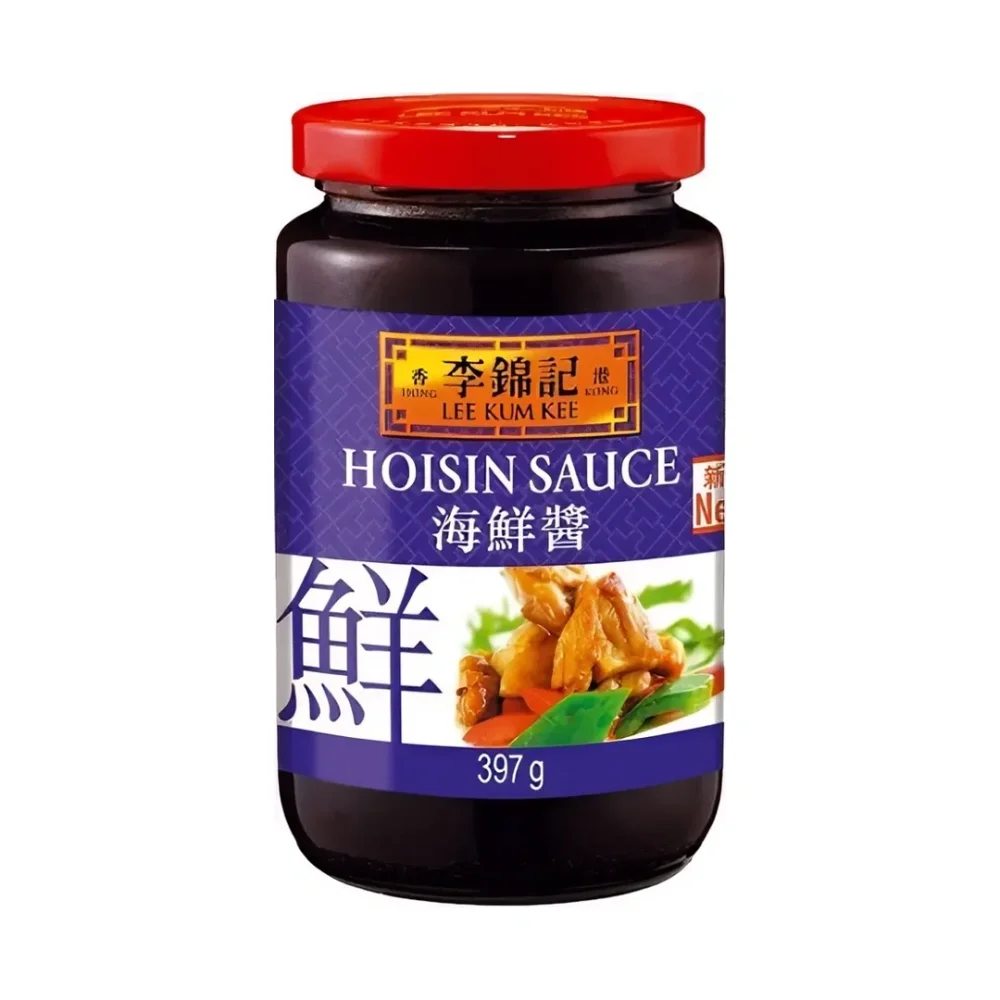
- Seasoning regardless of texture: thicker, sweet-salty sauces behave differently than light “working” seasoning. If you want to glaze tofu or use it as a dip, it’s a different style of work than when you just quickly salt tofu. A typical example of a sauce with a stronger sweet-salty flavor is Lee Kum Kee hoisin sauce.
What to take away from the article
- Good tofu is not one ideal — good tofu is that which suits your dish and technique.
- The basic orientation is the difference silken vs. firm: soft tofu for soups, creams, and cold dishes; firm tofu for pan, wok, grill, and baking.
- For fresh tofu, mainly watch type/texture, wateriness according to purpose, aroma purity, color and surface, simple composition and packaging condition.
- When cooking, notice if the tofu holds shape, doesn’t fall apart unexpectedly, can carry sauce and reacts predictably to pan, broth, or steam.
- A big part of "tofu problems" is actually wrong type choice or inappropriate handling, not necessarily a bad ingredient.

Read next
If you want to explore this topic further, continue with these related blog guides and articles:
