


 Česky (CZK)
 Slovensky (EUR)
 Deutsch (EUR)
 Austria
 Belgium
 Bulgaria
 Croatia
 Denmark
 Estonia
 Finland
 France
 Germany
 Greece
 Hungary
 Italy
Italy Latvia
 Lithuania
 Luxembourg
 Netherlands
 Poland
 Portugal
 Romania
 Slovenia
 Spain
Spain Sweden










How to recognize quality jasmine and basmati rice: aroma, grain, origin, and behavior after cooking
Both jasmine and basmati rice are aromatic varieties where quality is more apparent than anywhere else: in aroma, grain uniformity, and especially in how the rice behaves after cooking. The article features a practical checklist for selection, explanations of the differences between jasmine and basmati, and the most common reasons why home rice sometimes disappoints even from a “good” package.
Why focus on quality specifically for jasmine and basmati rice
Rice in many Asian cuisines is not just a “side item.” Often, it is the center of the meal, around which sauces, toppings, and side dishes are arranged – in some countries, the more common question is “what will go with the rice” rather than “what is the side dish.” And precisely for aromatic rices (typically jasmine and basmati), the difference between average and truly good packaging is surprisingly noticeable: in aroma, purity of taste, and texture.
Importantly, “quality” is not just a brand name. It is a set of features you can check yourself: how the grains look in the package, how the rice smells when opened, how the origin is marked, and what happens after cooking. The true test of quality reveals itself only in the kitchen – good rice maintains the typical texture of its variety, does not taste musty, and does not fall apart without reason.
Quick orientation: 4 things to recognize in rice (that also influence “quality”)
Before you start dealing with “which is best,” it helps to understand rice according to four criteria. They provide a clearer picture than the vague label “rice for Asian cooking.”
1) Grain length and shape
Long-grain rice tends to be more separate and fluffy after cooking. Short and medium grains usually have greater cohesion. This is important for expectations: when you want “elegant, separate grains,” you choose differently than when you need rice that sticks together (typically for sushi or some bowls).
👃 2) Aroma
Some varieties are grown specifically for their aroma – this includes jasmine and basmati rice. For aromatic rice, aroma is part of the quality: if after opening the package you smell almost nothing, the result can be disappointing even if you technically cook the rice properly.
3) Starch and texture: why rice sometimes sticks and other times is fluffy
The texture of rice is fundamentally determined by starch behavior. Generally speaking:
- rice with a higher proportion of amylose tends to be fluffier, firmer, and less sticky,
- rice with a lower proportion of amylose tends to be softer and stickier,
- so-called sticky rice has very little or almost no amylose – after cooking it is elastic and cohesive and its function is different from regular side dish rice.
For practical purposes, one thing is useful: “quality rice” does not mean it will always be fluffy. It means it will have the typical texture of its type and predictable behavior.
4) Grain processing: white, natural, parboiled
White, natural, and parboiled rice behave differently. The difference is not only in nutrition – flavor, absorption, and cooking time also change. In home Asian cooking, jasmine and basmati are most commonly encountered in the white version, but it’s good to know the principle: two rices with the same name can behave differently precisely because of processing.
👃 Jasmine vs. basmati: both are aromatic, but play different roles
Jasmine and basmati are often lumped together as a group of “fragrant rices.” That is true – both have aroma as an important characteristic. In the kitchen, however, they often serve different purposes, and if you swap them, the dish may shift in a direction you did not want.
Basmati: long grain, fluffy texture, and an “airy” side dish
Basmati is an aromatic long-grain rice mainly associated with India and Pakistan. Typical is a very long grain, which after cooking lengthens, and a relatively dry, fluffy texture. Compared to jasmine rice, it is usually less cohesive and feels “drier” and airier.
It is practically suitable where you want distinctly separate grains:
- Indian dishes with sauce, when you don’t want the rice to form a compact mass,
- pilafs and biryanis,
- roasted and grilled meats,
- situations where the fluffiest result is desired.
So if you expect “moist rice that gladly absorbs sauce,” basmati might surprise you – even if it is high quality. In such a case, it’s not necessarily a quality problem but a matter of choosing the right type.
Jasmine: a fragrant base for Southeast Asian dishes where you don’t want completely “dry” grains
In home Asian cooking, jasmine rice is often considered a versatile fragrant side dish for the Southeast Asian direction: curry, stir-fry, and everyday use. The important expectation: in practice, you want it to be fragrant, relatively fluffy, but not outright dry. That is why it is commonly paired with dishes that have sauce or strong seasoning – typically Thai and Laotian curries.
Quality checklist: what you can tell even before cooking
Quality is not determined just by the brand. When choosing (and even when comparing two packages at home), it makes sense to watch for several specific features.
1) Grain purity: dust, broken grains, impurities
There should not be too much dust, broken grains, or visible impurities in the package. Premium rices usually have more uniform grains. Broken grains themselves are not a “health issue,” but they often mean a less predictable cooking result – part of the rice may overcook and alter the texture of the whole batch.
2) Uniformity: size and color of grains
Similar size and color generally means a more predictable result. For aromatic rices, this is practical also because you want the whole batch to cook evenly: no part should be hard and another mushy.
👃 3) Aroma on opening: key for jasmine and basmati
Aroma is essential for aromatic rices. If you smell almost nothing upon opening the package, the result can be disappointing – even when the rice looks good “on sight.” Aroma alone is not the only parameter, but for jasmine and basmati, it is one of the main reasons people choose them.
🕰️ 4) Origin and labeling: when it really matters
For some types, origin is important. This applies for example to basmati or certified Thai Hom Mali (jasmine rice). It’s not about having the “right flag,” but about the fact that the label and origin often indicate whether you are buying rice that matches the expected style.
The real test of quality: what to check after cooking (and how to verify it without complicated science)
The most important things you find out only after cooking. Good rice maintains the typical texture of its type, does not taste musty, does not fall apart without reason, and tastes clean.
- Texture matches the type: basmati should be fluffy and separate; jasmine should be fragrant and pleasantly tender (not mushy).
- Aroma is not “tired”: with aromatic rice you want the aroma to be noticeable even on the plate, not just on paper in the name.
- Grains do not behave chaotically: when part of the batch falls apart and another part is hard, it often relates to grain unevenness (or choosing the wrong type for the cooking style).
A practical method when testing new rice: cook a small batch and taste it first plain. Only then combine it with sauce. For jasmine and basmati, this makes it much easier to recognize whether the problem is with the rice or the seasoning.
Practical shopping plan: what makes sense to have at home when cooking Asian
For regular home Asian cooking, it makes great sense to have at least three basic types at home. Not to collect exotic varieties, but because each type suits a different “world of meals.”
- Jasmine rice for curry, stir-fry, and universal Southeast Asian use.
- Basmati for Indian dishes and fluffier sides (if you want to navigate specific selection within one group, the guide Basmati rice).
- Sticky or sushi rice depending on whether you more often make desserts and Southeast Asian dishes or Japanese bowls and sushi (for the short-grain “cohesive” direction, a natural guide is Sushi rice; for Southeast Asian sticky rice, an example is Better Brand sticky rice).
If you cook often, rice typically isn’t worth buying just as the “cheapest commodity.” The difference in aroma, structure, and overall impression of the dish is often greater than people expect – especially with aromatic rices.
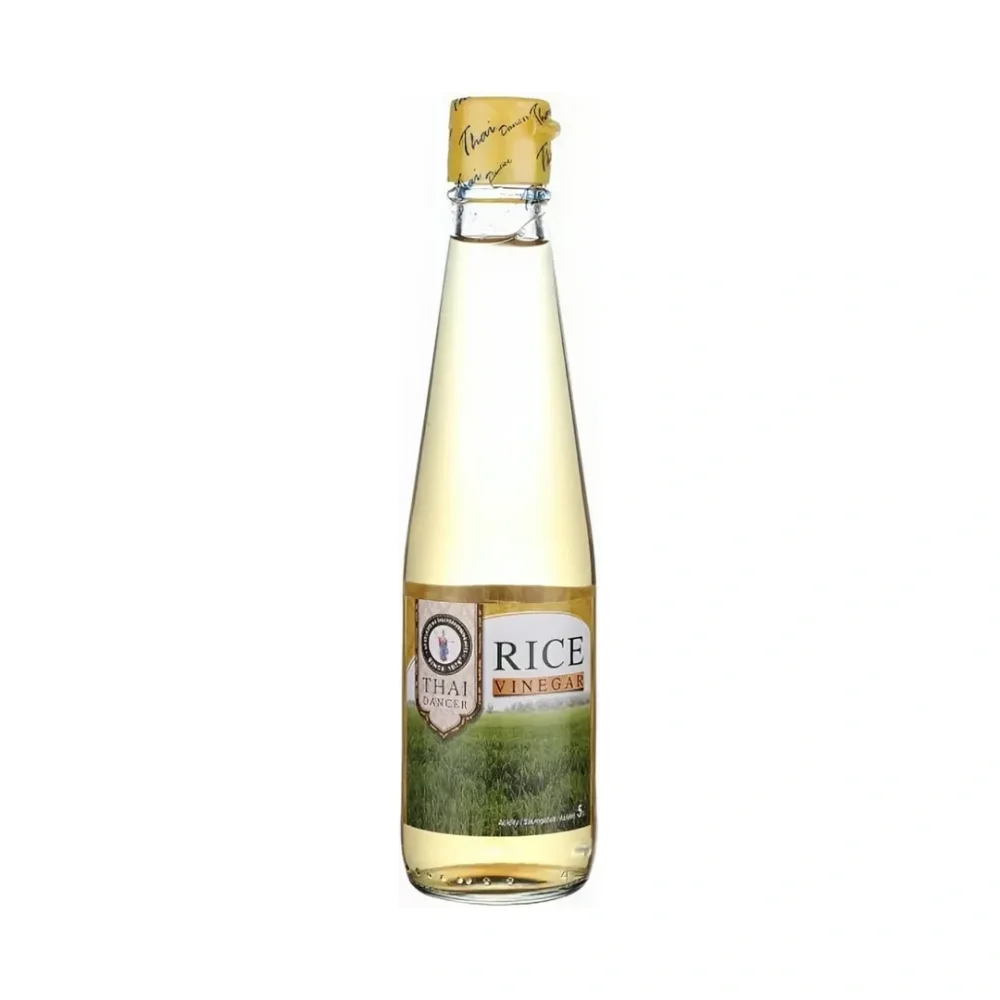
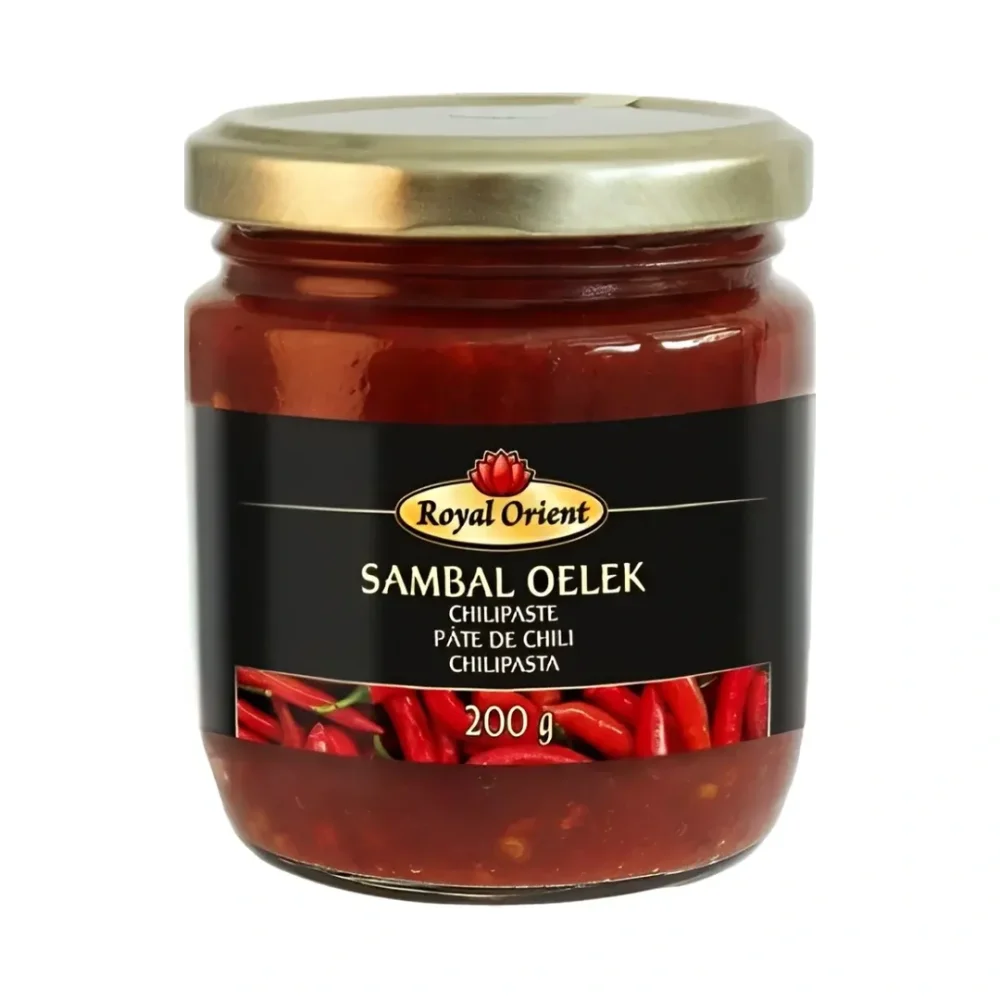
Once you have a good base, you can easily advance home rice bowls with seasoning. Sometimes a small thing is enough: gentle acidity for sushi rice (for example, rice vinegar) or pure spiciness for a simple bowl (Sambal Oelek). For broader inspiration on how to season rice, you can use the guide Pastes and spices for rice or umami directions like Fish sauces – generally, with those, small amounts have a big impact on flavor.
Most common mistakes and disappointments (and how to avoid them)
1) Choosing rice as a single universal commodity
For Asian cooking, it is key to distinguish at least between long aromatic rice, short sticky rice, and special types for specific uses. A common mistake is trying to replace all others with one type: sometimes it works, but sometimes the typical texture and the “logic” of the dish get lost.
2) Confusing “quality” with the idea that rice will always be fluffy
Fluffiness or stickiness is largely a property of the type (related to starch behavior). Quality rice is one that maintains the typical texture of its type. If you want very separate grains, basmati is a natural choice; if you want more cohesive rice for sushi and bowls, you choose another type. The point is not that one is “better” – it’s the right type for the right result.
👃 3) Ignoring aroma in aromatic rices
For jasmine and basmati, aroma is crucial. If you smell almost nothing after opening the package, it is hard to “save” that by cooking technique. You may cook the rice properly, but the resulting dish will be flatter than it could be.
🕰️ 4) Not considering origin and labeling where it makes sense
For basmati and certified Thai Hom Mali, origin is not just a formality. It helps differentiate rice that meets expectations from rice that only has a similar name but can behave differently in practice. If you buy aromatic rice for its typical profile, this is one of the most practical details to watch.
5) Buying too specialized before having the basics solved
Some ingredients (and this applies to some rice types as well) are not bad – just not suitable as first purchase. Warning signs are very narrow use, unclear expectations “what exactly do I want to use it for,” or large package sizes of a product you hardly use at home. The clearest path is to start with three basic types (jasmine, basmati, sticky/sushi) and only then expand according to the dishes you actually cook.
What to take away from the article
- For jasmine and basmati, quality is most recognizable by aroma and predictable texture. When aroma is missing, it is a problem for aromatic rice.
- Check purity and grain uniformity. Less dust and broken grains usually means a more stable result.
- Origin and labeling have real meaning for some types (basmati, certified Thai Hom Mali) because they indicate if you are buying the expected style.
- “Quality” does not mean “always fluffy.” Fluffiness vs. cohesion is mainly a matter of type and starch behavior.
- The easiest home strategy is to have three basic rices: jasmine for Southeast Asian dishes, basmati for Indian-style, and one more cohesive (sushi or sticky) depending on what you cook most often.

Read next
If you want to explore this topic further, continue with these related blog guides and articles:
