


 Česky (CZK)
 Slovensky (EUR)
 Deutsch (EUR)
 Austria
 Belgium
 Bulgaria
 Croatia
 Denmark
 Estonia
 Finland
 France
 Germany
 Greece
 Hungary
 Italy
Italy Latvia
 Lithuania
 Luxembourg
 Netherlands
 Poland
 Portugal
 Romania
 Slovenia
 Spain
Spain Sweden










Special ingredients not to be afraid of: mushrooms, seaweed, and a few smart shortcuts
“Special” ingredients in Asian cuisine are often not extravagances but practical flavor building blocks: they add umami, interesting texture, or just a subtle contrast at the end. When you know, what function to expect from them, they stop being unclear and start being useful. This guide will mainly walk you through seaweed and mushrooms (including dried) and show a few typical pitfalls people encounter when choosing.
🍜 Why “special” ingredients are so important in Asia (and why it makes sense at home too)
Mushrooms and seaweed in many Asian cuisines often don’t function as main ingredients, but as building blocks. They can add umami, texture, aroma, color, and contrast – and that’s why they appear in soups, broths, noodle dishes, rice bowls, salads, and quick stir-fries.
The practical background is also important: in coastal areas of East Asia, seaweed was naturally available and after drying, it was light, durable, and easy to carry. Similarly, dried mushrooms offered long shelf life and strong flavor outside the season. From a culinary perspective, they are mainly connected by umami: seaweed is important for glutamates, dried mushrooms for guanylate and other flavor compounds. In the right combination, they help "lift" the flavor of food without aggressive salting.
How to think practically about these ingredients: broth, texture, garnish
Before buying anything “exotic,” a simple question helps: what exactly should the ingredient do in the dish? With mushrooms and seaweed, you typically encounter several roles:
- Broth and depth – ingredients that are soaked or boiled for a flavor base.
- Texture – crunch, elasticity, or a “meatier” impression in a bite.
- Finishing – thin leaves or flakes that act as a delicate topping, coating, or final contrast on the plate.
- Full ingredient – an ingredient that goes into the pan, salad, or stew as a normal component.
When you know what role you want the ingredient for, it’s much easier to choose the right type – and above all, not expect from one thing what another can do.
Seaweed: main types and when to use them
For common home orientation, it’s usually enough to understand the trio nori, wakame, and kombu. In practice, other types exist (e.g., agar seaweed for jellies, various seaweed snacks, regional specialties or blends like furikake, where seaweed is only one component), but as a start, it’s better to be clear on the basics.
Nori: when you want a thin leaf or flakes for finishing
With seaweed, you often meet the role of “finishing”: thin leaves and flakes that serve as a delicate topping, coating, or last flavor accent. In this logic, nori is typically considered in cooking—not as a “big” ingredient for the pot but as something that highlights or complements food at the end.
Wakame: an easy start for soups, salads, and bowls
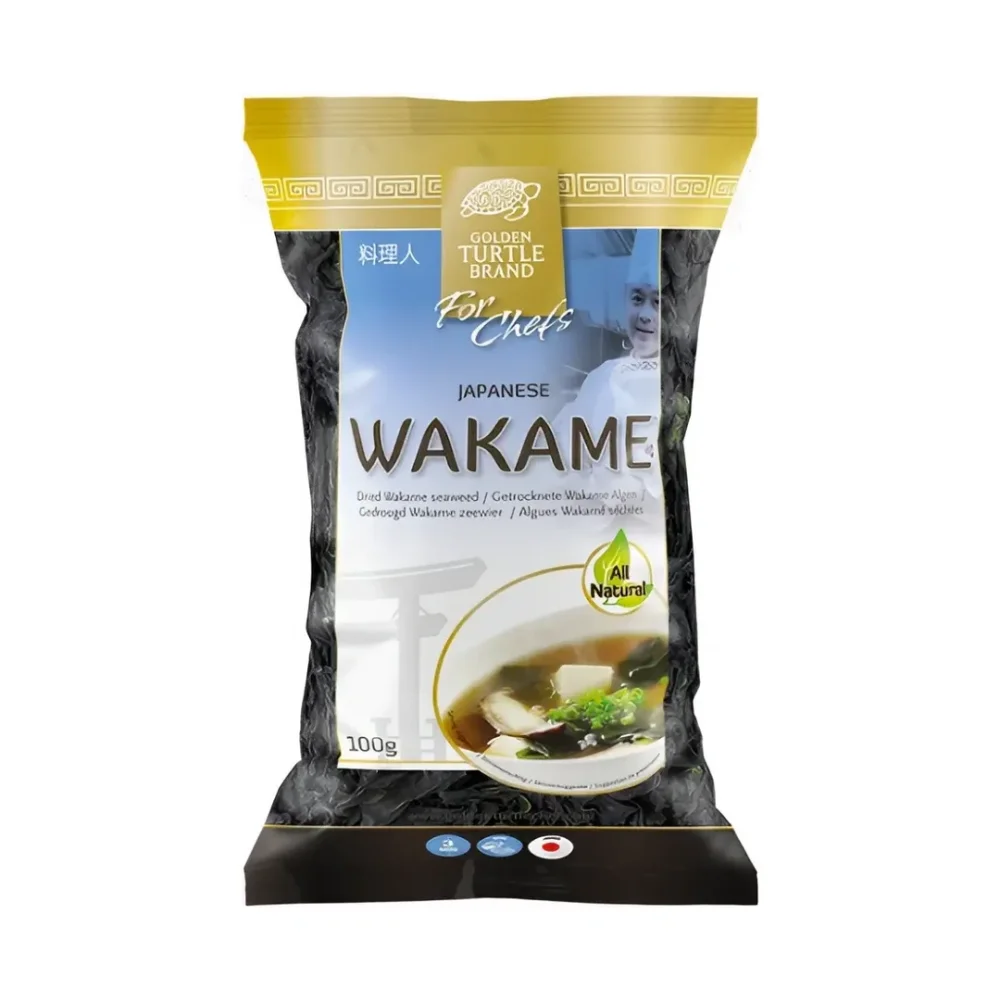
Wakame is practical because in dried form it holds well and after soaking softens and significantly increases in volume. If you want to start specifically, it’s a good “safe” choice for miso and ramen soups, salads, and rice bowls.
As one clear example, you can consider Golden Turtle Chef dried wakame seaweed – for this type of ingredient, it’s key to count on it taking up many times more space after rehydration than in dry form.
If you want orientation also in broader related ingredients, it makes sense to go through the guide Seafood products and perceive seaweed as one of kitchen “functions,” not as a rarity.
Kombu: when you deal with broth and depth
Kombu typically appears in home cooking when you want to enhance broth depth. A practical shortcut sounds: if you build a broth and want to add umami, it makes sense to consider a combination of dried mushrooms and kombu (each brings a slightly different flavor type).
Mushrooms in Asian cuisine: why they aren’t “just mushrooms”
The most common mistake about mushrooms is the idea that dried mushrooms are just a substitute for fresh ones. In Asian cuisine, this often does not apply: dried mushrooms are often a separate ingredient with their own aroma and texture. This is typically mentioned mainly for shiitake.
Dried mushrooms: rehydration is part of the flavor
With dried mushrooms, it makes a big difference, how you soak them and what you do next:
- Soak rather longer and more gently than briefly and aggressively.
- Don’t pour out soaking water carelessly (it often carries flavor).
- After rehydration, mushrooms should be well squeezed and possibly have hard parts cut off.
- Expect that after soaking they will significantly change volume and structure.
If you face the dilemma of cold vs. hot water: slow soaking in cold water, ideally for a longer time, often tastes better than a quick pour with hot water. The quick variation is practical, but slower rehydration often gives a “rounder” result.
Mushrooms by goal: umami, texture, broth, quick stir-fry
A good orientation for home use is to choose a mushroom depending on what it should do in the dish:
- For flavor and umami: shiitake is often chosen, ideally dried.
- For texture: depending on the dish, types like wood ear or enoki make sense (different elasticity, different mouthfeel).
- For broth: dried shiitake and possibly combined with kombu.
- For quick stir-fry: fresh shiitake, shimeji, or enoki depending on desired texture.
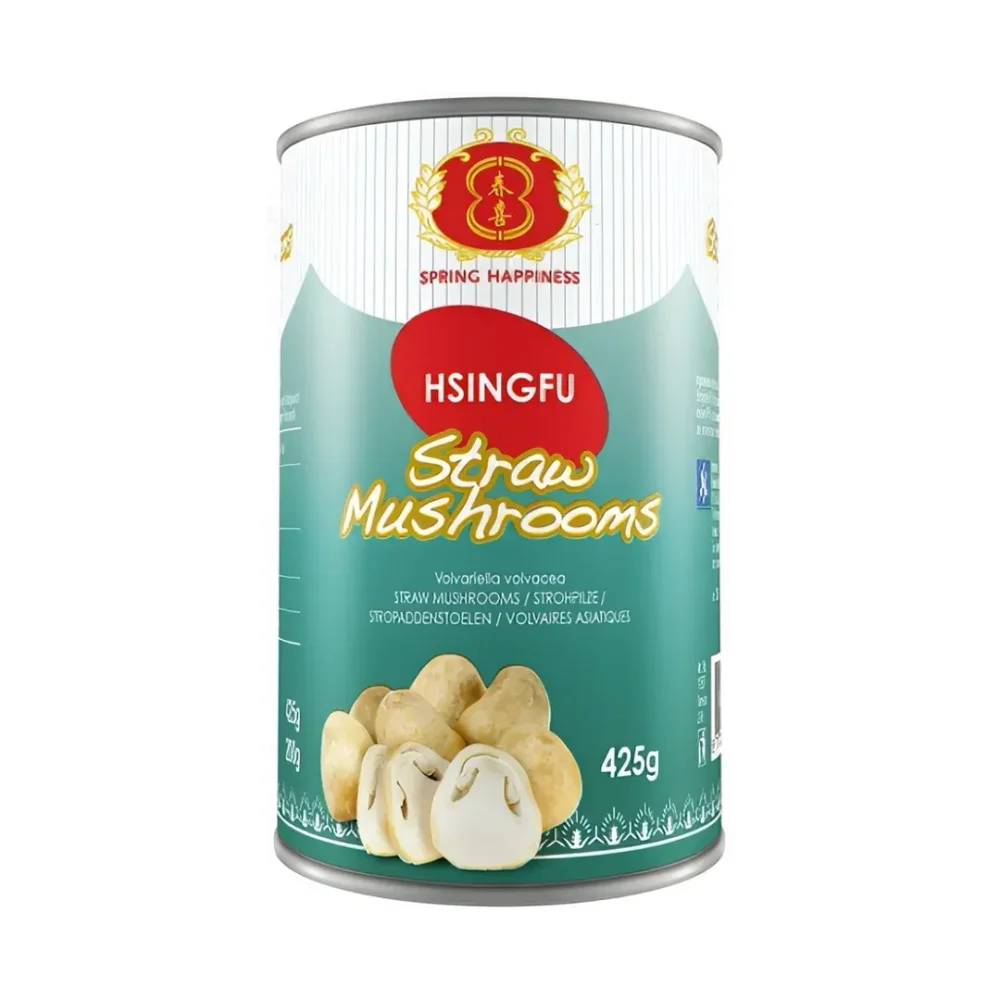
If you want something simple and quick that works in soup or sauce, canned mushrooms are a practical example – for instance, Spring Happiness whole straw mushrooms, which just need brief warming in sauce and can be used in Asian soups, wok mixes, and noodles.
For further orientation in mushrooms in general, a guide Vegetables and mushroomscan help.
How to choose so you’re not disappointed: label, type, and expectations
Choosing a good Asian ingredient doesn’t automatically mean buying the most expensive product or picking the boldest packaging. The basic principle is more practical: understand the function of the ingredient, its types, and what kind of dish you actually need it for. A large part of home disappointments comes from choosing the wrong ingredient for specific use.
First step: read the label (this is crucial for “specialties”)
For specialties, the front name doesn’t often decide, but the composition and product type do. In practice, it pays to watch two things:
- Is it a base or a seasoned product? For some categories, this fundamentally changes the use.
- Did you pick the right type, not just the “right category”? Two products from the same shelf can have completely different purposes.
Typical minefield: coconut milk is not a single standard
Coconut milk is a classic category where packaging can easily mislead. Differences may be in fat content, thickness, stabilization, fat separation, and how the product behaves after opening and warming. Practically, it’s worth choosing according to use:
- For curry and richer dishes, the fuller typeis often suitable.
- For drinks or lighter recipes, a milder variantmay make sense.
- For desserts, not only taste but also consistencyis key.
A common mistake is to think “coconut milk” is always one standard. It isn’t.
Typical minefield: sesame oil is not a universal oil for everything
Sesame is a good example that a small ingredient can have a big impact. The difference is between white and black sesame, between seeds, paste, and oil – and also between roasted (more aromatic) and milder variants. From practice, it’s mostly worth remembering this: a frequent mistake is to use aromatic sesame oil as a common universal oil for everything. It’s often more valuable in small amounts at the end, as a final aroma.
How to know that something is “too specialized” as a first purchase
Some ingredients are not bad – just not suitable as a start. Warning signs include:
- very narrow use,
- need for good dosing knowledge,
- very strong taste without easy versatility,
- large packaging for a product you hardly use at home,
- and unclear expectations of what you actually want it for.
This applies, for example, to some intense fermented pastes and specific sauces. If you are attracted to this world, it may be more practical to look at the assortment as a guide by use – for example through the category Other pastes – and choose only once you are sure for which specific dish and why you need the ingredient.
🍳 Preparation decides: dry, wet, and "mise en place" in Asian style
For many Asian dishes, the result is decided not on the stove but beforehand on the cutting board. The order of preparation, component separation, and timing are crucial in fast cooking.
Especially important is working with the surface of ingredients: too much moisture is mainly a problem for wok and stir-fry, for tofu, for mushrooms, for meat that should brown, and for vegetables that should stay fresh and not steam. Conversely, moisture is less critical for broth bases or stewing.
A practical tip: if you know you’ll make a quick stir-fry, don’t put ingredients into the pan straight “wet” from washing or soaking. For mushrooms and seaweed, prepare beforehand what belongs where (rehydrated, squeezed, measured, aside) – then cook. You keep the rhythm and won’t burn off aromas before the rest is ready.
Most common mistakes (and what to do about them)
- Mixing strength and quality: strong taste doesn’t automatically mean “better.” For fermented products, often not only strength but purity and length of flavor decide.
- Waiting for dried mushrooms is the same as for fresh ones: dried mushrooms are often a different ingredient. Longer and gentler soaking and working with the soaking water helps.
- Quickly pouring hot water and done: it’s practical, but slow rehydration in cold water usually tastes better.
- Throwing away soaking water automatically: sometimes it’s a waste. Before pouring it out, stop and consider if you want to use some of the flavor from it.
- Everything into the wok without drying: with mushrooms and other ingredients this often leads to steaming instead of frying. If you want a quick pan, watch dryness/moisture.
- “Coconut milk is just coconut milk”: it isn’t. They differ in fat, thickness, and behavior when cooking; choose according to use.
- Sesame oil as a universal oil: aromatic types often work best in small amounts at the end.
What to take away from the article
- Special ingredients are often functional shortcuts: they add umami, texture, or a final contrast.
- For both seaweed and mushrooms, first determine the role: broth, texture, or finishing.
- Dried mushrooms are not just a substitute for fresh ones: rehydration is part of the flavor and working with soaking water makes a difference.
- When choosing, the rule is: it’s not about the “most expensive,” but about the right type for the specific use – and you often recognize it mainly from the label.
- In quick cooking, preparation matters: watch moisture and prepare ingredients in advance to keep the dish’s rhythm.

Read next
If you want to explore this topic further, continue with these related blog guides and articles:
