

 Česky (CZK)
 Slovensky (EUR)
 Deutsch (EUR)
 Austria
 Belgium
 Bulgaria
 Croatia
 Denmark
 Estonia
 Finland
 France
 Germany
 Greece
 Hungary
 Italy
Italy Latvia
 Lithuania
 Luxembourg
 Netherlands
 Poland
 Portugal
 Romania
 Slovenia
 Spain
Spain Sweden










Kizami Nori: Fine Shredded Nori That Adds Sea Aroma and a Touch of Umami
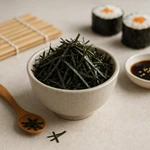
What is kizami nori? 🌊
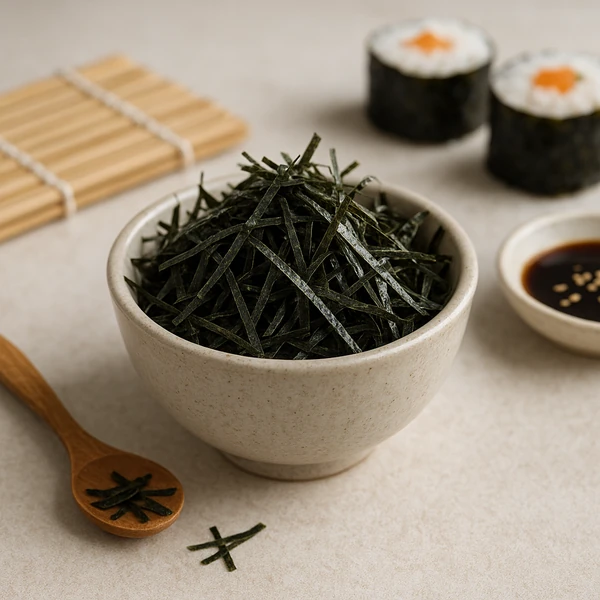
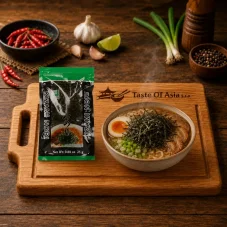
Kizami nori literally means “cut nori.” It’s the same type of seaweed used for sushi, but instead of a full sheet, it comes as thin, ready-to-use strips. In Japanese home cooking and restaurants, it’s a classic “final touch” topping—sprinkled on right before serving to make a bowl smell and look complete.
Because the strips are so light, they spread easily over food. You get the unmistakable nori aroma with almost no effort and no chopping.
Flavor, aroma, and texture: what to expect 👃
Kizami nori is not meant to be loud or fishy. Think of it as a clean sea scent with a light toasted note and a gentle savory depth (umami). It tastes mildly salty, but it’s more about aroma than strong seasoning.
- On hot food: it softens quickly, releasing fragrance into the steam.
- On cold dishes: it stays crisper longer and adds a delicate bite.
How to use it at home (the “sprinkle at the end” rule) 🍚
Kizami nori works best when you treat it like a finishing herb. Add it after cooking, not during, unless you deliberately want it fully softened.
Fast ideas you’ll actually use
- Rice bowls (donburi): sprinkle over rice with salmon, tuna, tofu, chicken, or a fried egg.
- Ramen and noodle soups: add right before serving so the aroma hits first.
- Miso soup: a small pinch on top gives a distinctly Japanese, roasted-sea note.
- Cold bowls and salads: great on cucumber salad, poke-style bowls, or chilled noodles.
- Onigiri-style rice snacks: mix a little into warm rice or scatter on top as a garnish.
Pairings that make kizami nori shine ✨
Nori plays especially well with ingredients that already lean savory:
- Soy-based flavors: soy sauce, teriyaki-style glazes, or simple salty-sweet seasonings.
- Egg: omelets, soft-boiled eggs, tamago-style toppings—nori adds contrast to the egg’s richness.
- Fish and seafood: natural match, from grilled salmon to tuna bowls.
- Tofu: turns simple tofu and rice into something more complete with almost no extra work.
- Sesame notes: toasted sesame flavor complements nori’s roasted character.
Timing tips: aroma vs. crunch ⏱️
- For maximum aroma: sprinkle on hot food and let it sit for 30–60 seconds so the steam carries the scent.
- For a fresher, slightly crisp feel: add on the plate and serve immediately (especially for cold bowls).
- For soups: always add at the end—otherwise it can over-soften and disappear into the broth.
Kizami nori vs. nori sheets: which should you choose? 🥢
Both are useful, but they do different jobs:
- Kizami nori: convenience topping. Best when you want instant garnish for rice, noodles, soups, and salads.
- Nori sheets (yaki nori): best for sushi rolls, onigiri wrapping, or when you want to cut your own strips at home.
How to choose and what to watch out for 🔍
- Look for a roasted aroma: fresh nori smells pleasantly toasty and sea-like, not musty.
- Check dryness: nori absorbs moisture easily. If it’s already soft in the pack, it may have been exposed to humidity.
- Use small amounts: a pinch is usually enough; too much can dominate delicate dishes.
Storage: keep it crisp and fragrant 🧊
Humidity is the main enemy. To keep kizami nori in good condition:
- Close the bag tightly and store it in a cool, dry place.
- Don’t leave it open near a steaming stove—nori absorbs kitchen moisture fast.
- If it turns soft, it’s still usable for flavor; it just won’t give the same light texture.
A simple 30-second serving idea (no recipe, just a reliable move) 🍜
Make a quick bowl with hot rice, a soft-boiled or fried egg, and a splash of soy sauce. Finish with a pinch of kizami nori. It’s a minimal effort way to get that “finished bowl” aroma without extra cooking.
Our picks
- JH foods Kizami Nori Seaweed 25 g – ready-cut strips for fast topping.
- JH foods Yaki Nori seaweed for sushi 25g – full sheets for sushi and onigiri.
- JH foods Yaki Nori seaweed for sushi gold 25 g – a premium option for neat rolls and clean flavor.
FAQ
Is kizami nori the same as sushi nori?
It’s typically the same type of roasted nori seaweed—just cut into thin strips so you can use it as a topping without preparing anything.
Can I cook kizami nori in soup?
You can, but most people add it at the end. Cooking it longer makes it melt into the broth and reduces its aroma.
Does kizami nori need soaking?
No. It’s meant to be sprinkled dry. It softens on hot food or stays lightly crisp on cold dishes.

Recommended products1
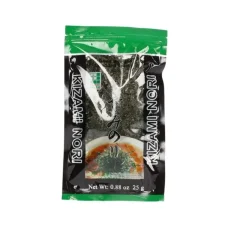
JH foods Kizami Nori Seaweed 25 g
Read next
If you want to continue with the same topic, here are more related articles to explore: