

 Česky (CZK)
 Slovensky (EUR)
 Deutsch (EUR)
 Austria
 Belgium
 Bulgaria
 Croatia
 Denmark
 Estonia
 Finland
 France
 Germany
 Greece
 Hungary
 Italy
Italy Latvia
 Lithuania
 Luxembourg
 Netherlands
 Poland
 Portugal
 Romania
 Slovenia
 Spain
Spain Sweden










Kimchi
🥬 Kimchi: Korea’s fermented legend that levels up rice, noodles and soups
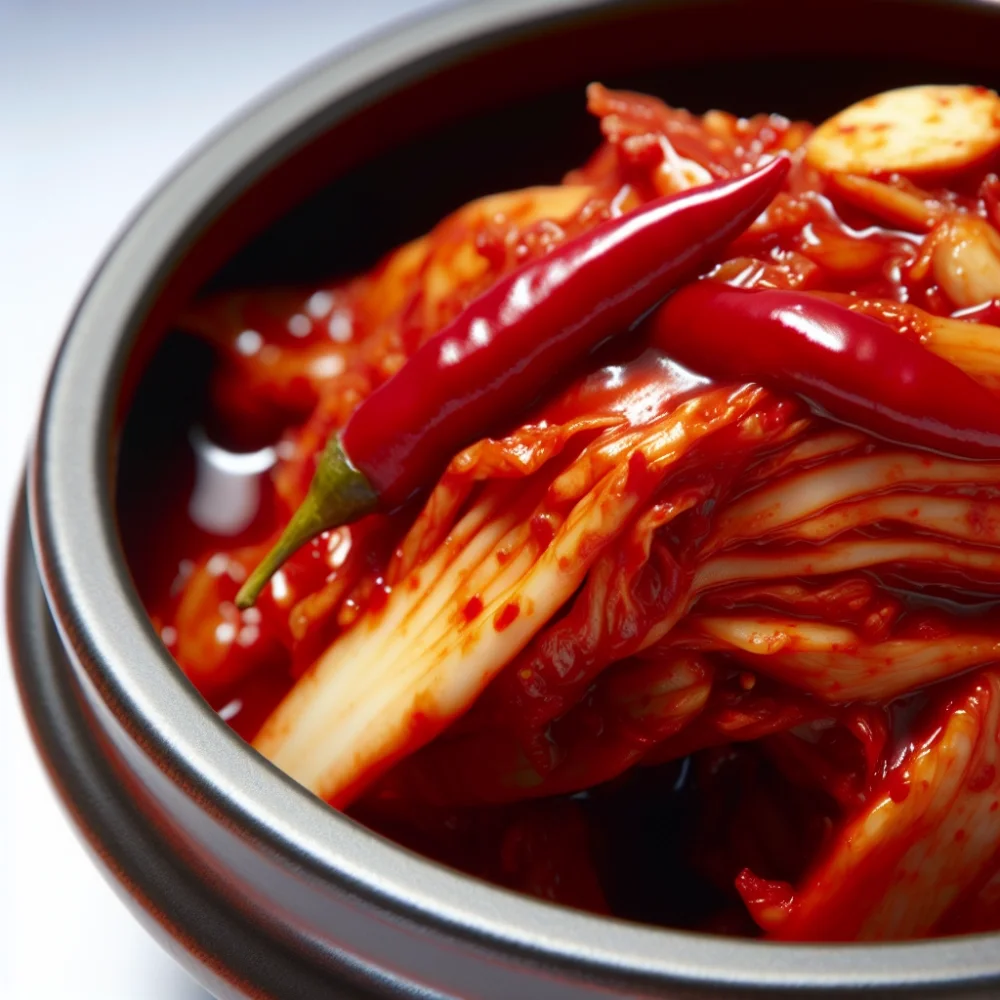
Kimchi is Korea’s fermented vegetables, most often napa cabbage. On the first bite it’s spicy, pleasantly tangy, gently salty and, most importantly, deeply umami. It’s a “small side” that makes a big difference. Great next to rice, but just as good in a pan, a wok or a warming stew-style soup.
💡 Kimchi is the shortcut to flavour. When you’re not sure how to “finish” a dish, a few bites often do the trick.
Find kimchi and Korean cooking essentials at Asian Food Shop
🕰️ History and origin
Kimchi started as a practical way to preserve vegetables for winter long before refrigerators. In Korea it evolved into hundreds of regional variations and remains one of the foundations of Korean home cooking. A key tradition is “kimjang”, the communal preparation of larger batches for the season. What began as preservation became a cultural ritual, passed down through families and shaped by local tastes.
🧪 How it’s made, types and key ingredients
The base is simple, but the flavour is layered:
- 🥬 vegetables: most often napa cabbage or radish
- 🧂 salting: draws out water, softens the veg and helps it absorb seasoning
- 🌶️ seasoning paste: chilli, garlic, ginger, something sweet and often a salty umami element
- ⏳ fermentation: builds tang, depth and that signature “alive” aroma
Common types you’ll see:
- 🥬 baechu kimchi: classic napa cabbage kimchi and the most versatile
- 🥕 kkakdugi: cubed radish kimchi, bold and crunchy
- 🥒 cucumber kimchi: fresh, quick and often lightly fermented
- 🤍 white kimchi: milder, without chilli
👃 Flavour profile
- 🌶️ heat: from gently spicy to seriously hot
- 🍋 tang: increases with fermentation and adds brightness
- 🍲 umami depth: from fermentation and the seasoning paste
- 🥬 crunch: more pronounced in younger kimchi, softer in aged kimchi
✅ Tip: Younger kimchi is perfect as a side. More aged, tangy kimchi shines in cooked dishes and soups.
🍳 How to use kimchi in the kitchen
🔥 Wok and quick pan dishes
Kimchi loves heat. A quick sauté rounds out the flavour and blends beautifully with sauces. It pairs especially well with Soy sauces and a splash of Oils
🍜 Soups and broths
Kimchi is ideal for hearty Korean soups. Simmering softens the heat and the tang creates depth. It’s also great with noodles from Noodles
🥪 Sandwiches and “fusion”
Think of kimchi as a spicy pickle. It adds contrast to meat, tofu and cheese and can replace pickles in sandwiches with extra umami.
🥘 Baking and melting
Baked kimchi becomes richer and rounder. Add it to vegetables or toast for a fast flavour punch.
🫶 Benefits in everyday eating
Kimchi is popular as a fermented vegetable side. In practice, it brings bold flavour and variety, often meaning you can use less additional seasoning. Think of it primarily as a tasty ingredient that helps you add vegetables and a bright, spicy-tangy profile to meals.
⚠️ If you have specific dietary needs, always check ingredients and consider your overall diet.
✅ How to choose the right kimchi
- 🌶️ heat level: milder for beginners, hotter for chilli lovers
- 🍋 fermentation: younger is crunchier, aged is tangier and better for cooking
- 🥬 use case: crunchy for sides, bolder for soups and stir-fries
- 📦 size: once you start cooking with it, it disappears fast
🛒 Our picks
For cooking with kimchi, it helps to have a ready-to-eat classic, a seasoning mix for homemade batches and a quick soup paste:
- A+ Kimchi fermented vegetables 160 g as a side for rice, in sandwiches or for fast fried rice
- Lobo Spice mix for Kimchi 100 g when you want homemade kimchi and control over heat and sweetness
- AHG Paste soup Kimchi 50 g for broth, ramen or a quick jjigae-style soup
🍲 Recipe: Kimchi jjigae (Korean kimchi stew soup)
Kimchi jjigae is a Korean home-cooking staple. It’s best with tangier, more mature kimchi, which builds a deep, umami and gently spicy base.
Ingredients (2–3 servings)
- kimchi 250–300 g
- pork belly 150–200 g
- onion 1
- garlic 2 cloves
- ginger 10–15 g
- gochujang 1–2 tsp
- soy sauce 1–2 tbsp
- stock or water 600–700 ml
- tofu 200 g
- spring onion to finish
- sesame to garnish (optional)
- sesame oil a few drops (optional)
Method
- In a pot, quickly sear the pork belly so it renders fat and takes on colour.
- Add the onion and soften for 2–3 minutes.
- Stir in garlic and ginger, then after 20–30 seconds add the kimchi.
- Add gochujang and mix so it perfumes the pot and coats the kimchi and pork.
- Pour in stock, add soy sauce and simmer gently for 15–20 minutes.
- Add tofu and warm through for 5 minutes.
- Adjust seasoning, then finish with spring onion, plus sesame and a few drops of sesame oil if you like.
✅ Tip: For a rounder flavour, sauté the kimchi briefly before adding liquid. That quick fry makes a real difference in jjigae.
Serve with a bowl of Rice and rice products

Recommended products2
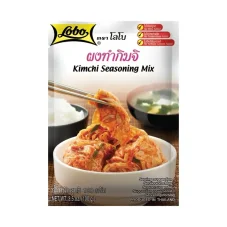
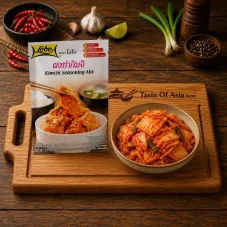


Lobo Spice mix for Kimchi 100 g

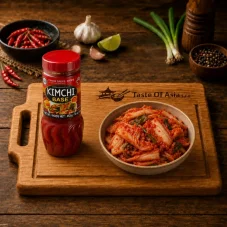
Surasang Hot sauce with Kimchi base 453 g
Read next
If you want to continue with the same topic, here are more related articles to explore: