


 Česky (CZK)
 Slovensky (EUR)
 Deutsch (EUR)
 Austria
 Belgium
 Bulgaria
 Croatia
 Denmark
 Estonia
 Finland
 France
 Germany
 Greece
 Hungary
 Italy
Italy Latvia
 Lithuania
 Luxembourg
 Netherlands
 Poland
 Portugal
 Romania
 Slovenia
 Spain
Spain Sweden










gochujang
Products
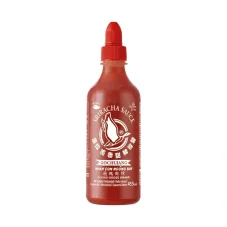
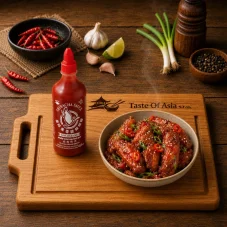
Flying Goose Chilli Sauce Sriracha Gochujang 455 ml
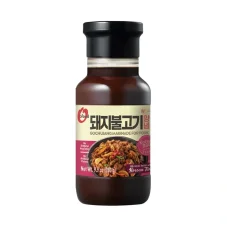
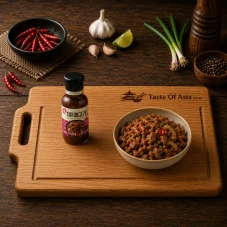
O'Food Gochujang Bulgogi marinade for Pork 280 g
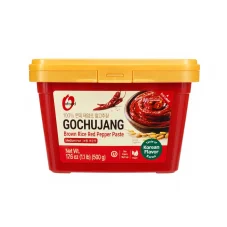
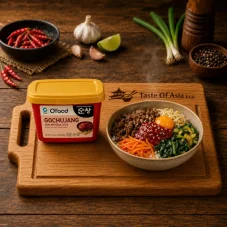


O'Food Chili paste from brown rice Gochujang 500 g
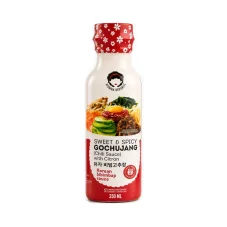
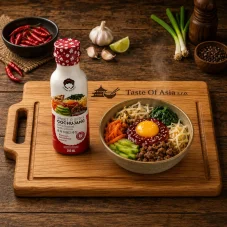
Ajumma Republic Korean sweet and spicy chili sauce with yuzu 250 ml
Articles
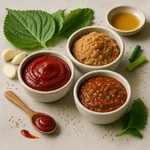
Gochujang, doenjang, and ssamjang: how to understand Korean fermented pastes
Korean “jang” – that is fermented sauces and pastes – are the flavor backbone of the entire cuisine. In practice, however, confusion often arises: gochujang, doenjang, and ssamjang look like “some dark pastes,” but each has a different role. In the article, we will show what to expect from them, how to use them in everyday cooking, and why it’s not worth mixing them up.

Brown rice chili paste
Discover the unique flavor of brown rice chili paste! This article will guide you through the world of exotic flavors and show you how this spicy ingredient can spice up your favorite recipes. Read on to find out how it's made, where to use it, and why you should try it!
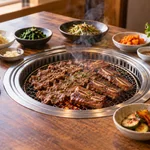
Korean BBQ
Discover the magic of Korean BBQ! With delicious sauces and tasty side dishes, you'll enjoy an unforgettable grilling experience full of flavors you'll love.
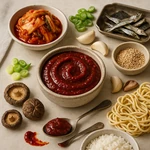
Basics of the Korean pantry: how to understand jang, kimchi, sesame, and soy sauce
The Korean "pantry" is not a list of exotic groceries, but a set of flavor foundations that make even simple dishes start to make sense. When you understand how fermented pastes and sauces (jang) work, the role of kimchi, why sesame is often used only at the very end, and how Korean soy sauces differ, Korean cuisine will come together for you into a clear system – not a random spicy mix.
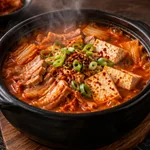
Kimchi Soup (Kimchi Jjigae) with Pork and Tofu
Kimchi soup is the kind of Korean comfort food that tastes bigger than its ingredient list: tangy, spicy, and deeply savory. This version uses pork and tofu for a hearty bowl you can cook on a weeknight—especially if you have well-fermented kimchi in the fridge.
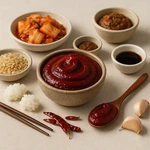
Taste of Korean cuisine: how spiciness, fermentation, rice, and “jang” work in practice
Korean cuisine is not just about spiciness and kimchi. We will explain the layers of flavors that make up Korean dishes – fermented bases (jang), types of spiciness, the role of rice, and working with textures – and provide specific, practical advice on how to safely put this together at home.
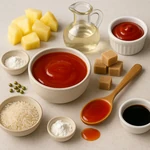
Best substitutes for key Asian ingredients (and when not to substitute)
Substitutes for Asian ingredients are practical — and at the same time deceptive. Often you’re not simply swapping “one thing for another,” but trying to replace a function: saltiness, umami, acidity, sweetness, aroma or texture. In this article you’ll find a system for making substitutions properly and with as little disappointment as possible — including cases when it’s better to admit a full substitute doesn’t exist.

Brown rice
Why does brown rice deserve a place in your kitchen? This article will introduce you to all its benefits, ways to prepare it, and tips on how to incorporate it into your favorite dishes. Discover how brown rice can enrich your diet and give it that extra something!
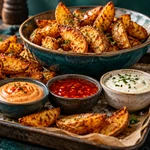
American-Style Potato Wedges: How to Get Them Crispy, Season Them Right, and Pick the Best Dips
“American potatoes” in Central Europe usually means oven-baked potato wedges with bold seasoning: crisp on the outside, fluffy inside, and made for dipping. This guide breaks down what makes wedges truly crunchy, how to season without burning spices, and how to pair them with punchy (including Asian-inspired) sauces.
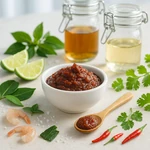
How to store fermented sauces and pastes: to keep them lasting and not lose flavor
Fermented sauces and pastes are among the most important "flavor bases" in Asian cuisines: in small amounts, they can provide umami, depth, aroma, and the finished character of a dish. To work as they should, they need, besides proper use, reasonable home storage – especially after opening, when you work with them by teaspoons and drops.
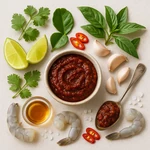
Fermented foundations of Asian cuisine: how to understand and use them at home
Fermentation is one of the key methods in Asian kitchens to create depth of flavor, umami, aroma, and a "finished taste" – often even in dishes that rely on only a few ingredients. This guide will help you navigate the main groups of fermented bases (from soy sauces through pastes to fish and marine ferments), understand their role, and avoid common mistakes in selection and use.
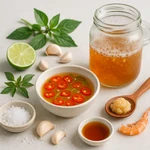
Basics of home fermentation for beginners: how to get oriented and start without unnecessary mistakes
Fermentation is not just a 'preservation trick'. In Asian cuisines, it is one of the main ways to create umami, smooth out sharp taste edges, change the texture of ingredients, and build a huge palette of sauces, pastes, side dishes, and soups from a few basics. This article will give you solid foundations: what fermentation means in the kitchen, why it is not the same as probiotics, what types of ferments exist, and how to start with them at home practically (even if you haven't fermented anything yourself yet).

Almond oil
Discover the power of almond oil in the kitchen! Ideal for cooking, baking, and seasoning, almond oil offers a delicate flavor and nutritional benefits. Read on to learn how to use it in your everyday cooking!
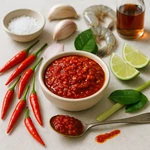
Sambal and fermented chili pastes: how to understand them and use them without mistakes
Chili paste can not only make food "spicy," but also give it a complete flavor, depth, and often umami. The key difference is whether the paste is fermented (and behaves like a concentrated base), or if it is more of a chili blend or chili paste in oil meant for quick seasoning. In this article, we compare the main types of fermented chili pastes in Asia, how to recognize them by their role in the kitchen, how to start using them at home, and how to avoid the most common mistakes.
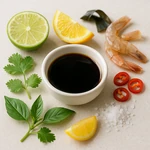
How to choose fermented and specialty soy products: sauces, pastes and “not tofu”
Fermented and specialty soy products are two different things in the kitchen at once: some of them act as a flavor base (soy sauces, fermented pastes), others are standalone ingredients with their own texture (yuba, aburaage, fermented tofu). Once you clarify that role, the “similar” names will stop confusing you and you’ll start choosing based on what the ingredient should actually do in the dish.
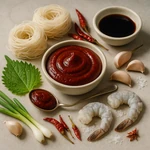
Local customs, ingredients, and climate in the kitchen: why the "same food" tastes different every time in Asia
In Asian cooking, you often don’t find a "secret ingredient" but a logic of the place: what can be grown, what can be preserved for a long time, what ingredients the sea or river brings, what flavors develop through fermentation, and how cultural rules and urban rhythms influence dishes. This article shows how to read these contexts – and how to practically apply them at home so you choose the right ingredients and cook with greater confidence.

Kimchi
Want to know what kimchi is and how it's made? Read about this traditional Korean delicacy, its origins, different types, and methods of preparation. Discover why kimchi has become popular around the world!
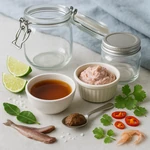
How to safely store fermented foods: sauces, pastes, and "live" side dishes
Fermented foods in Asian cuisine are more than just "something healthy": they often form the flavor backbone of a dish, bringing umami, depth, and a characteristic aroma. That's why it makes sense to address storage practically – so that the ferments remain safe, but also retain the best taste, aroma, and texture for as long as possible.
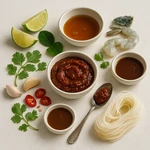
How to store sauces, pastes, and noodles: so they don't lose flavor or texture
For Asian sauces, pastes, and noodles, it's often not about whether they are "still edible." Much earlier, their aroma, flavor purity, or texture can change – and thus affect the overall outcome of the dish. The article provides a practical system for storing opened sauces and pastes at home, what to watch for with dried noodles, and how to avoid the most common mistakes.
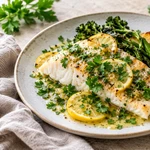
Parsley Leaf: the quiet herb that lifts soups, fish and marinades
Parsley leaf is easy to overlook because it rarely steals the spotlight—but that’s exactly why it’s so useful. A small pinch can brighten a broth, clean up a rich sauce, and add a fresh green finish to fish or grilled meats. Fresh and dried versions behave differently, so knowing when to use which makes everyday cooking noticeably more balanced.
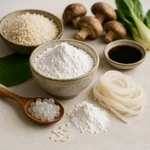
Naturally gluten-free Asian dishes: what is usually a safe base and where the traps lie
Asian cuisine can be great for gluten-free eating – it often relies on rice, legumes, vegetables, coconut, and fermented flavors. However, it can also surprise with "hidden" gluten in sauces, wheat noodles, coatings, or cross-contact during preparation. In the article, we clarify which dishes are naturally gluten-free, which are sometimes gluten-free, and how to navigate this at home and when ordering.
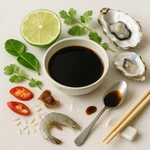
History of Asian cuisines: what shaped flavors from rice fields to big cities
“The history of Asian cuisines” is not a single timeline and a few famous dishes. It is the story of how climate, available crops, seas and rivers, religion, trade, migration and urban life gradually created very different cooking styles. The article will help you navigate the main differences (rice vs. wheat, coast vs. inland, fermentation vs. coconut vs. spices) and give you practical tips on how to choose a direction at home according to taste and how to get started.
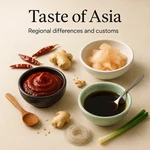
Regional differences and customs in Asian cuisine: how to navigate without unnecessary shortcuts
Regional style in Asia is not a minor detail – it is the key to why the same "Asian" dish can be based on broth and fermentation in one place, and elsewhere on coconut, herbs, or spices. In this article, we will create a practical map: what creates regional differences, how they appear in everyday food, and how to choose a direction that will work for you at home according to your taste.
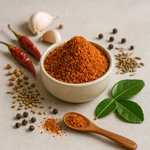
Seasoning Ground Meat: How to Turn a Plain Base into a Fragrant, Flavorful Dish (Including Asian Styles)
Ground meat is a weeknight workhorse—fast, versatile, and easy to portion. But it can taste surprisingly flat unless you build aroma and balance. This guide explains how to season ground meat on purpose: what flavors work, when to add spices, how to control heat and salt, and how to lean into Asian-inspired profiles with minimal effort.
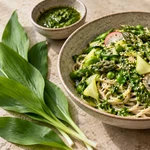
Wild Garlic (Ramsons): A Spring Herb With a Gentle Garlicky Aroma—And How to Use It in Asian Cooking
Wild garlic—also known as ramsons—is one of those short-season spring ingredients that can instantly make food taste brighter. It brings a fresh, leafy garlic character without the harsh bite of raw cloves, which makes it surprisingly easy to weave into quick Asian-style stir-fries, noodle dishes, coconut curries, and rice paper rolls.
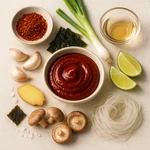
How to Start with Korean Cuisine: First Dishes, Basic Flavors, and Mistakes That Hold You Back
Korean cuisine can seem "wild" – spicy, fermented, and full of new names. In reality, however, it is very logical: it is based on rice, soups, smart fermented foundations, and small side dishes that balance flavor and texture. In this guide, you will clarify what is typical for Korea, which basics make sense to acquire first, and how to cook your first Korean week at home without unnecessary mistakes.
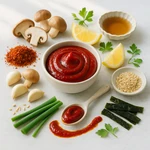
Typical Korean ingredients: how to understand “jang”, chili, and fermented bases
Korean cuisine is not just "spicy and kimchi." It is built on a thoughtful use of fermented bases, contrasts of flavors, and the harmony of rice, soup, and several smaller side dishes at the table. In this guide, you will clarify which ingredients make the Korean flavor Korean, what functions they have in the food, and how to select and use them at home without unnecessary mistakes.
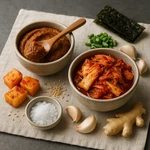
Kimchi, miso, and other fermented bases: how they work, how they differ, and how to start with them at home
Fermentation in Asian cuisine is not a "health trend," but one of the main ways to achieve flavor: umami, depth, subtle acidity, and interesting texture. Kimchi and miso are the two most accessible fermented worlds that clearly show why some ferments are eaten alone as side dishes, while others act more like an engine under sauces and soups. In the article, we'll also clarify the common misconception "fermented = probiotic" and add practical tips on how to incorporate fermented bases into everyday cooking without complicated recipes.
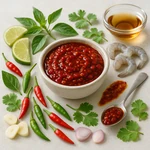
Chili sauces and chili pastes: how to understand them and use them correctly
"Chili" in Asian cuisine does not mean one universal sauce. Under the same word hide thin vinegar sauces for the table, thick fermented cooking pastes, fried and roasted mixtures with oil, chili oils, and coarse relishes. When you understand their role (not just spiciness), you will season more precisely and more often hit the flavor of a specific cuisine and dish.
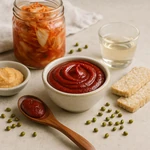
Fermented foods and probiotics in Asian cuisine: what they do to the taste and how to start with them at home
Fermentation is one of the oldest methods by which people preserved, transformed, and deepened the flavor of food. However, in Asian cuisines, it's not just about "durability": fermentation is one of the keys to umami, depth, aroma, acidity, and texture – and it explains why a wide range of sauces, pastes, side dishes, and soups are created from just a few basic ingredients. At the same time, it is important to be clear about one fundamental thing: fermented foods and probiotics are not the same.
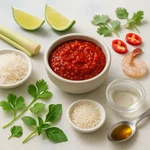
First purchase for the Asian pantry: what to buy to make cooking easy (and without unnecessary mistakes)
The Asian pantry is not a list of “exotic” items you have to buy all at once. It’s a thoughtful foundation that lets you repeatedly cook dishes with a clear character at home – even when you don’t have a full fridge. In this guide, you’ll clarify what is good to buy first, what to add later according to your favorite cuisine, and how to avoid typical shopping mistakes.
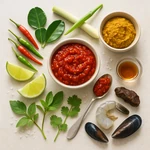
Chilli, sambal and curry pastes for beginners: how to understand heat and not overpower flavor
Chilli in Asian cuisine is not just a “test of courage.” In a balanced dish, spiciness is one layer of flavor – it can add energy, contrast, and depth, but only when you know what type of heat you are adding and what role a specific product plays. For a beginner, the key difference is between plain chilli, sambal, and curry paste.
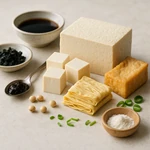
Guide to tofu and soy products: how to understand the types, taste, and uses
Tofu is not just one “white cube” and soy products are not a single universal meat substitute. From the same raw material – soy – both delicate, neutral ingredients (tofu, soy milk) and distinctive fermented products (tempeh, miso, soy sauces) are made. However, they behave completely differently in the kitchen. This guide will help you choose the right type for a specific dish, understand textural differences, and avoid the most common mistakes.
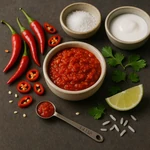
How to work with spiciness without ruining the food: add, tone down, and keep the flavor under control
Spiciness in Asian cuisine is not a contest of "the biggest fire," but one of the layers of flavor that is meant to enliven, highlight, and balance the dish. However, if you overdo the amount or choose the wrong type of chili base, you can easily end up with a dish that is sharp but flavorless—or downright inedible. In this article, you will find practical methods on how to safely increase spiciness, how to tone it down, and how to avoid common beginner mistakes.
