


 Česky (CZK)
 Slovensky (EUR)
 Deutsch (EUR)
 Austria
 Belgium
 Bulgaria
 Croatia
 Denmark
 Estonia
 Finland
 France
 Germany
 Greece
 Hungary
 Italy
Italy Latvia
 Lithuania
 Luxembourg
 Netherlands
 Poland
 Portugal
 Romania
 Slovenia
 Spain
Spain Sweden










Guide to tofu and soy products: how to understand the types, taste, and uses
Tofu is not just one “white cube” and soy products are not a single universal meat substitute. From the same raw material – soy – both delicate, neutral ingredients (tofu, soy milk) and distinctive fermented products (tempeh, miso, soy sauces) are made. However, they behave completely differently in the kitchen. This guide will help you choose the right type for a specific dish, understand textural differences, and avoid the most common mistakes.
Soy as the foundation of the whole group (and why soy products are not interchangeable)
Soy products are among the broadest families of ingredients in Asian cuisine. It’s tempting to treat them as one category, but in practice, this leads to misunderstandings: some products are delicate and flavor-neutral, others are strongly fermented and actively contribute flavor to a dish. The same “origin” therefore does not mean the same function.
For quick orientation, it helps to think based on how processed the product is and whether it is fermented:
- Fresh and minimally processed – for example edamame or soy milk.
- Coagulated and pressed – tofu and its texture variants.
- Fermented solid products – tempeh, natto, fermented tofu.
- Fermented pastes and seasonings – miso and related pastes, soy sauces and other fermented “flavor bases.”
The most important questions to ask about soy products are not "is it tofu?" but rather:
- Is the raw material soft or firm (how much water does it contain)?
- Is it intended for soup, pan cooking, grilling, or cream/dessert?
- Is it fermented, or fresh?
- Should it have its own distinct flavor, or mainly absorb surrounding flavors?
Tofu: the most versatile soy product
Tofu is the best-known soy product in European households mainly because it is extremely versatile. It is made from soy milk, which is coagulated similarly to milk in cheese production, and the resulting mass is pressed into blocks. Different textures arise depending on the amount of water, pressing, and further processing.
Its strength usually lies not in having an extremely intense flavor by itself. On the contrary: tofu works as a carrier of marinade, sauce, broth, or spices. And that’s exactly why choosing the right type is essential – you want a different block for soup than for the pan.
Basic types of tofu: silken vs. firm (and what soft/extra firm means)
For tofu, the most decisive factor in practice is water content – whether the tofu is soft and fragile or firm and “biteable.” In the labeling, you may encounter several common levels:
Silken tofu
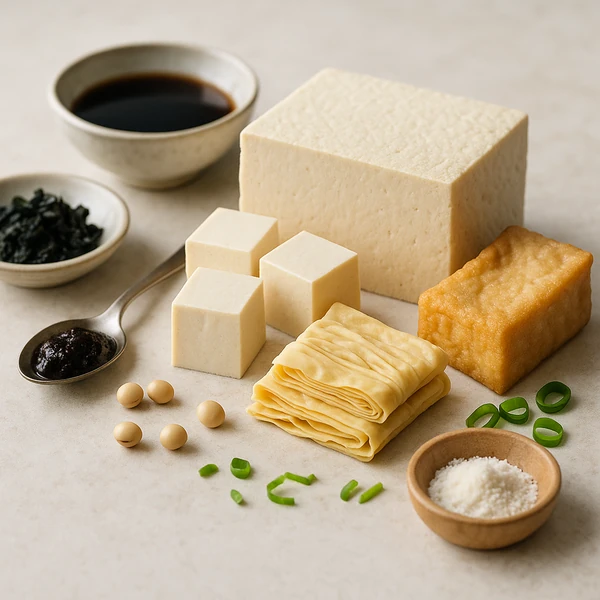
Silken tofu is very soft, smooth, and fragile. It is suitable for delicate soups (typically miso), gently stewed dishes, cold cuisine, dips, dressings, desserts, or creams. On the other hand, it is not suitable where you will stir it aggressively or frequently turn it in the pan.
Soft tofu (soft)
Soft tofu is a bit more stable than silken but still more “soup-like” and delicate. If you want tofu that easily breaks into smaller pieces in the dish but still retains its basic shape, this is a good compromise.
Firm tofu (firm) and extra firm
Firm and extra firm tofu usually contains less water, so it holds its shape better. That is why it is more suitable for pan, grill, or baking – places where you want to fry and turn cubes or slices of tofu, or let it develop a crust.
In a Japanese context, you may encounter traditional names that roughly correspond to two "worlds" of tofu:
- Kinugoshidofu – softer, “silky” tofu (closer to silken).
- Momendofu – firmer tofu with a coarser texture (closer to firm).
Soy milk, yuba, and aburaage: when soy changes form
The family of “tofu things” does not end with blocks. From soy milk and tofu technology, ingredients with completely different structures and uses arise.
Soy milk: more than just a plant-based drink
Soy milk is a water extract from soybeans. In the Asian context, it is not just a substitute for cow’s milk in coffee: it is used alone, in soups, sauces, and desserts, and is also the starting material for tofu production. The taste of plain soy milk is mildly bean-like, sometimes slightly nutty.
In the kitchen, it is practical to distinguish:
- drinking soy milk for drinking and general use,
- culinarily stronger soy milk for making tofu and desserts,
- sweetened and flavored variants, which are not universally suitable for savory dishes.
Yuba (tofu skin)
When soy milk is heated, a layer forms on the surface that can be collected and dried. This is yuba (also “tofu skin”). It has a completely different structure than tofu blocks: it is finely layered, elastic and often more concentrated in flavor. In Chinese and Japanese cuisine, it is used fresh or dried, sometimes rolled into knots, and often as part of stewed dishes or broths.
Aburaage (fried tofu)
Aburaage is fried tofu with its own flavor and texture. It is typical that it absorbs liquid well, so it is suitable for soups, broths, and rice dishes, often in Japanese and Korean cuisine. It is a good example of why “tofu” is not one thing – the same word can describe ingredients that behave completely differently.
Fermented soy products: tempeh, soy sauces, and “flavor bases”
Besides tofu, there is a second big world: fermented soy products. Some function as main ingredients (tempeh), others as concentrated flavor building blocks (miso, doenjang, soy sauces, sometimes even gochujang). It makes sense to distinguish them according to their role in the dish – because you don’t cook “the same” dishes with all of them, even though they are all made from soy.
Tempeh: firmer, fermented, and more pronounced than tofu
Tempeh originates from Indonesia and is one of the most characteristic soy products. It is made by fermenting whole (or partially peeled) soybeans. Unlike tofu, it is not made from soy milk but from beans that after fermentation hold together in a compact block.
In the kitchen, this means several practical differences:
- tempeh has a firmer “biteable” texture,
- is more aromatic (often nutty, slightly earthy to slightly sour),
- where tofu rather absorbs surrounding flavor, tempeh actively contributes to the dish,
- so it is suitable for pan, grill, marinades, sandwiches, salads, and noodle dishes when you want a more pronounced protein component.
Soy sauces: the broadest family of seasonings (and a common source of confusion)
Soy sauce is not a single fixed product. It is a broad group of liquid seasonings based on soy, salt, and fermentation (or a combination of fermentation and technologically adjusted ingredients). Under one name, significantly different styles meet: Chinese light and dark sauces, Japanese shoyu in several traditional types, Korean ganjang, Thai soy sauces for wok and noodles, Filipino toyo, and sweet Southeast Asian variants.
For home cooking, it is important to know that:
- different countries use different divisions and different names,
- words “light” and “dark” don’t mean the same everywhere,
- some sauces are long fermented and some are rather stylized for a specific purpose,
- besides “pure” soy sauces, there are also flavored derivatives (teriyaki, ponzu etc.) that don’t behave like a basic working sauce.
This is exactly why it makes sense to choose soy sauce according to the role: do you want a "working" sauce for everyday cooking or a sauce for final seasoning, glaze, or a specific regional style?
🍽️ How to choose tofu and what to start with at home
Choosing tofu can be simplified to one sentence: first choose the dish, then the tofu. It sounds banal, but most disappointments arise from the opposite approach (I buy tofu and only then figure out what to do with it).
🔎 Quick choice by cooking style:
- When cooking delicate dishes: reach for silken/kinugoshi type, or yuba.
- When cooking wok, pan, and grill: look for firm/extra firm tofu or tempeh; or fried tofu (aburaage).
- When you want fermented depth: tempeh, miso, doenjang, soy sauces, and other fermented products.
- When you want a quick bowl: edamame, ready marinated tofu, or firm blocks for quick frying.
In practice, it is useful to remember a simple texture rule: the firmer the tofu, the better it handles the pan and turning; the softer the tofu, the more it is “soup-like” and creamy.
What tofu is good for (and how to season it to make it work)
Because tofu often acts as a flavor carrier, it’s worth considering two things: the texture I want and the flavor base I give it. In Asian cuisine, sauces and fermented seasonings very often play this role.
Delicate soups and broths: silken tofu at home
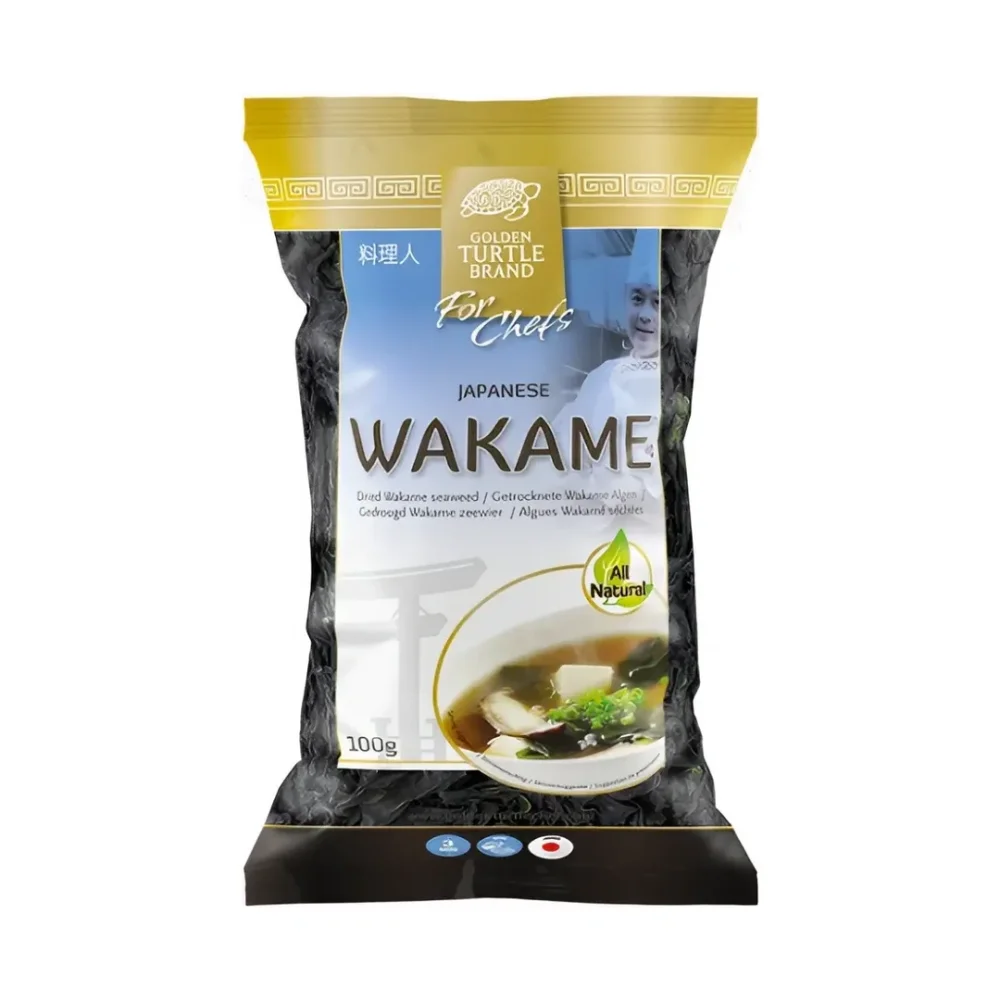
Silken tofu is typical in miso soup and other delicate soups where the tofu is meant to „quiver“ and be part of the broth, not to be fried. Seaweed is also often added to similar soups – for example dried wakame, which softens after soaking and mellows the flavor of the soup.
Stir-fry and pan: firm tofu needs a salty base
With firm/extra firm tofu you usually want it to hold its shape and withstand more intense heat. A simple “working” base is light soy sauce – it adds saltiness and umami without significant darkening. A practical example for first attempts is light soy sauce Dek Som Boon.
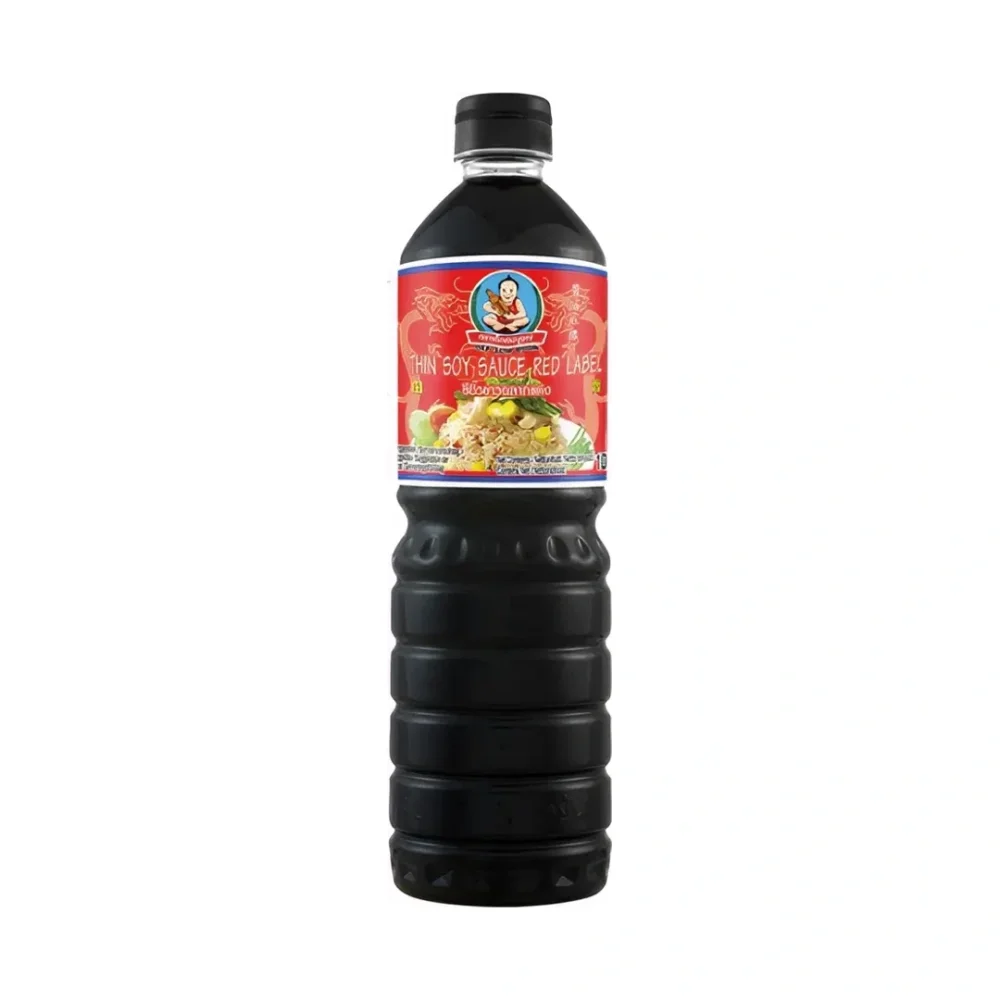
How much to add? When starting, it often pays off to add in small doses – for example 1 teaspoon per serving to the pan, stir, taste and add more if needed. It’s easy to over-salt with soy sauces, especially when adding other salty ingredients later.
Strong “umami” sauce: fermented beans and tofu
If you want to take tofu from neutral to intense, you can use sauces based on fermented beans. An example is Lee Kum Kee black bean sauce – it’s concentrated, so usually a small amount is enough and it works well in stir-fry (including tofu with vegetables).
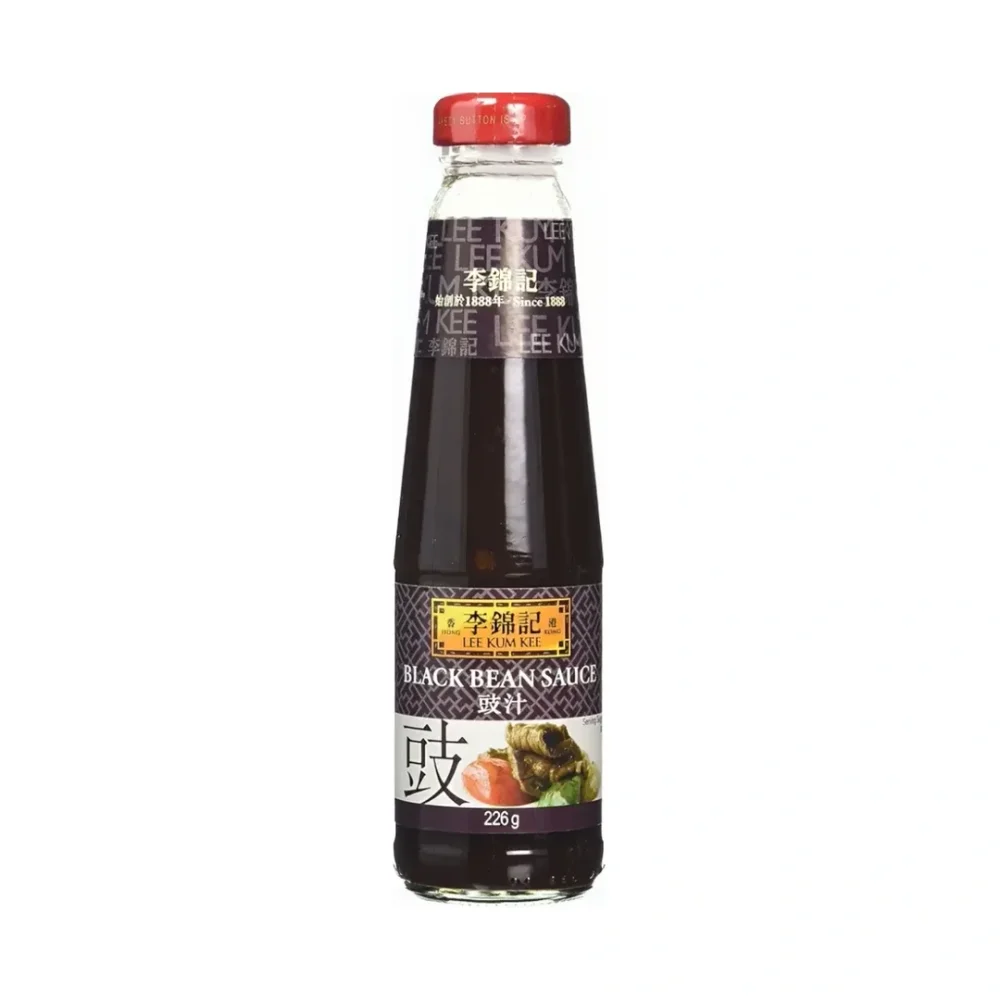
Here, too, careful dosing applies: start with about half to one teaspoon in the pan, because the flavor tends to be intense.
🍳 Crispy surface: light coating instead of complicated methods
If you want a lightly crispy surface on tofu, a light coating in flour or starch helps. In the Asian context, rice flour is often used – it is flavor-neutral and can create a more delicate crust. For this purpose, for example, Windmill rice flouris suitable.
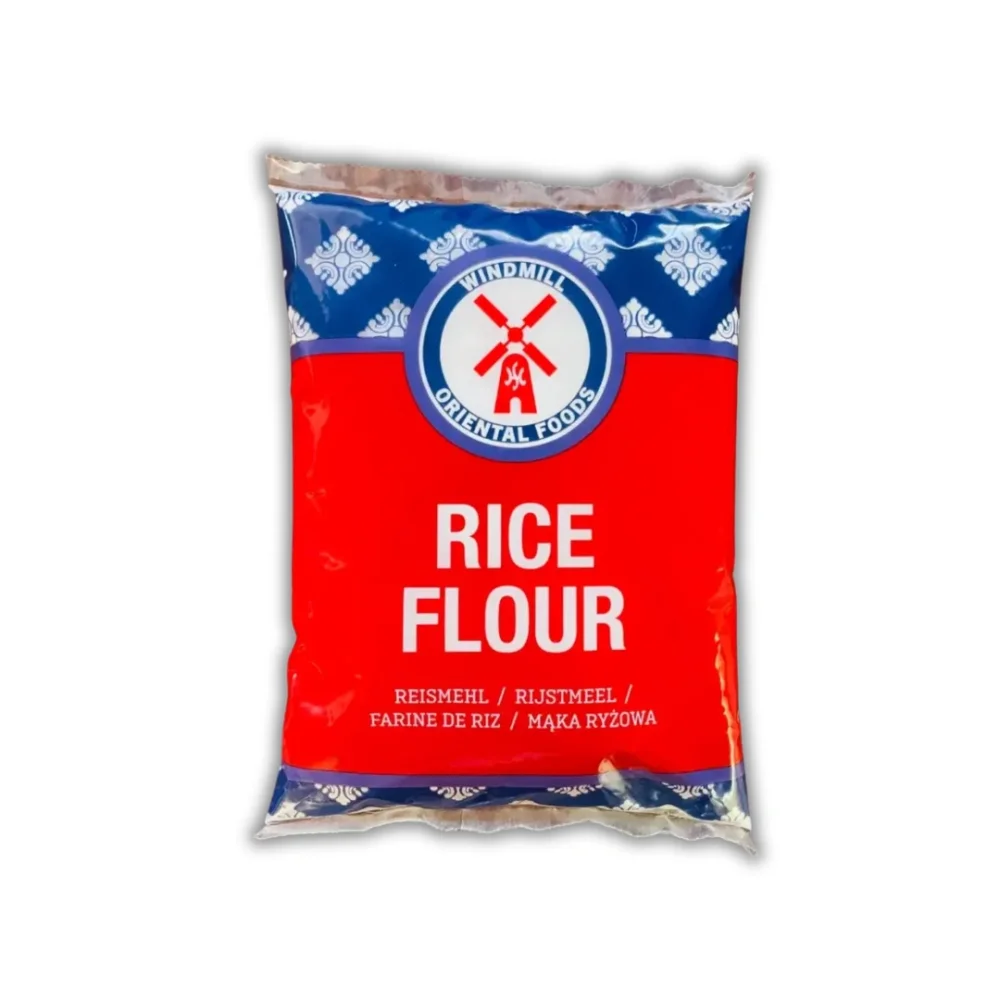
Gradually, it can be very simple: dry the tofu, lightly dust it with rice flour, shake off excess and briefly fry. It’s not a “recipe,” rather a technique mainly helpful for pan cooking.
Tofu in a rice bowl: the simplest home format
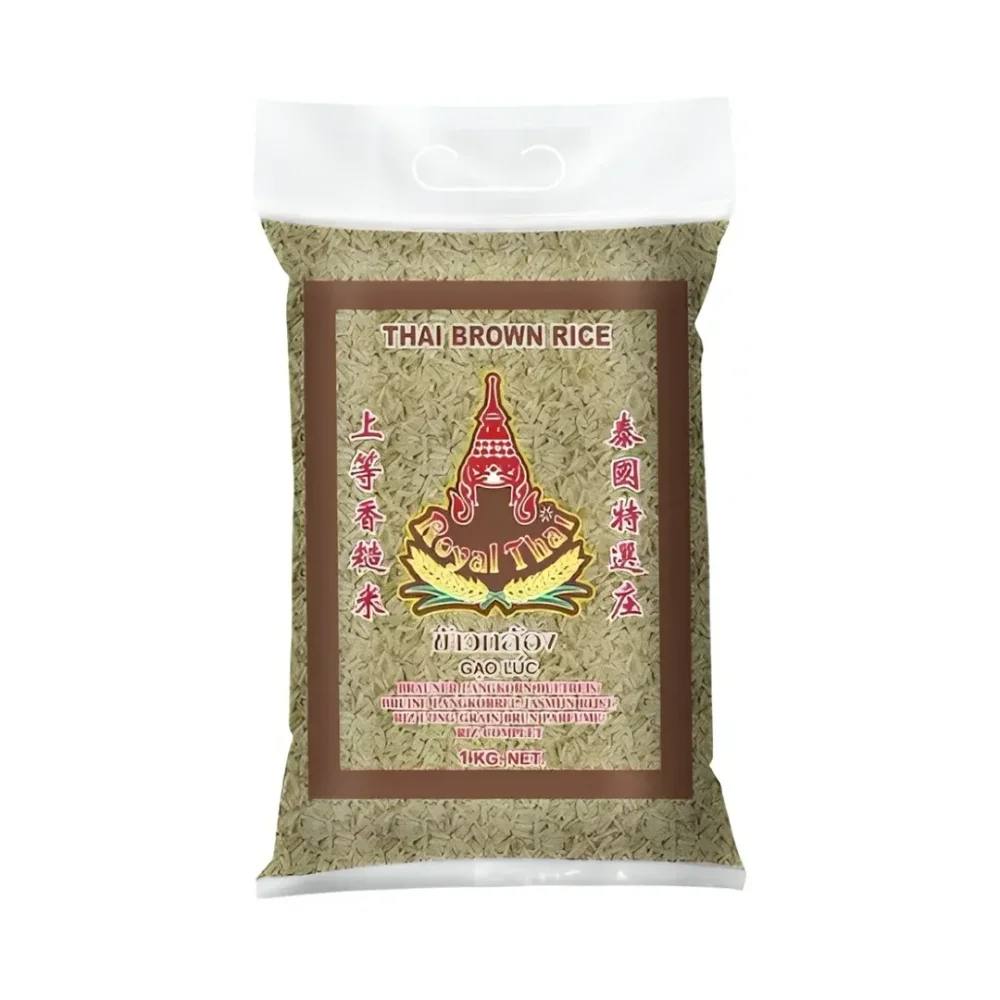
For many people, the friendliest start is tofu in a “bowl” format: rice + tofu + vegetables + sauce. If you want the rice to hold its shape and have a slightly nutty tone, it makes sense to use whole grain jasmine rice, for example, Royal Thai Hom Mali brown. On such a bowl, it’s clearly visible how the tofu absorbs the flavor of the dressing or sauce and how important it is whether you chose a soft or firm type.
Most common mistakes when cooking with tofu (and how to fix them quickly)
- “Tofu is tofu” and I’ll buy the first thing I see. Fix: always choose according to the dish. Silken/soft for soups, firm/extra firm for the pan.
- I treat silken tofu like firm tofu. Fix: silken is fragile – it belongs in delicate soups, creams, and cold dishes, not for aggressive flipping.
- I expect tofu to taste strongly on its own. Fix: tofu often works as a carrier. Give it a flavor base (soy sauce, fermented bean sauces, broth, spices) and taste in small amounts.
- I over-salt with “just” soy sauce. Fix: add gradually. Many sauces are concentrated mainly in salt and umami, so it's easy to overdo the amount.
- I confuse styles of soy sauce (light vs. dark, different countries). Fix: color and the words “light/dark” aren't universal. The name and purpose matter. For a universal working sauce, choose by type (and don't expect the same effect with specific styles).
- I assume tamari = gluten-free. Fix: wheat is common in soy sauces. Gluten-free cannot be automatically deduced from the style name – you need to check the specific label.
What to take away from the article
- Soy products are not one interchangeable category: they differ in processing, water content, and fermentation, and thus in use.
- For tofu, the main deciding factor is texture: silken/soft belongs in soups and creams, firm/extra firm for pan frying, grilling, and baking.
- Tofu is often not the “main flavor,” but a carrier – so it’s worth working with sauces and seasonings and dosing them in small steps.
- Tempeh is a different world than tofu: it is fermented from whole beans, firmer and more flavorful.
- Soy sauces are not just one sauce: there are different styles and terminology that is easily confusing – it helps to orient yourself by purpose and ingredients, not just by color.
- Yuba and aburaage show that the “tofu world” is broader than just the block – and offers textures often overlooked in everyday cooking.

Read next
If you want to explore this topic further, continue with these related blog guides and articles:
