


 Česky (CZK)
 Slovensky (EUR)
 Deutsch (EUR)
 Austria
 Belgium
 Bulgaria
 Croatia
 Denmark
 Estonia
 Finland
 France
 Germany
 Greece
 Hungary
 Italy
Italy Latvia
 Lithuania
 Luxembourg
 Netherlands
 Poland
 Portugal
 Romania
 Slovenia
 Spain
Spain Sweden










How to choose tofu: the key is texture (silken vs. firm) and the way it is used
Tofu is not a one-size-fits-all block. The differences between smooth silken tofu and firm tofu are crucial in the kitchen – they determine whether tofu will create a creamy texture in soup or withstand the pan, marinade, and grill. In this guide, you'll learn how tofu is made, what its main types are, and how to choose the right one based on the dish you want to cook.
Soy as the base: tofu is just one part of the whole "soy family"
Before you start choosing tofu, it's worth taking a step back: soy products are not an interchangeable category. From the same base (soy), ingredients are made that behave very differently in the kitchen – from mild and neutral to heavily fermented.
- Fresh and minimally processed – for example edamame or soy milk.
- Coagulated and pressed – tofu and its variants (this is our main focus).
- Fermented solid products – for example tempeh or natto.
- Fermented pastes and flavorings – for example miso and related pastes.
The practical impact is simple: if you expect all soy products to have the same taste and behave the same in the pan, you'll easily go wrong. With tofu, the most important thing is to stop asking only "is it tofu?" and start focusing on texture and purpose.
🌶️ What is tofu and why do different types behave so differently
Tofu is made from soy milk, which is coagulated (similar to milk when making cheese) and the resulting mass is pressed into blocks. This leads to the main rule that will save you the most disappointment when choosing:
- The more water tofu holds, the softer it is (and more fragile).
- The more it is pressed, the firmer it is (and more suitable for pan, grill, and baking).
Tofu itself is usually not very flavorful. Its strength is elsewhere: it absorbs the flavor of surrounding ingredients excellently. That’s why it works as a carrier of marinade, sauce, broth, or spices – and why it makes so much sense to choose a type based on what you’ll do with it.
Basic types of tofu: the most important distinction is silken vs. firm (and where soft / extra firm fit in)
In practice, there are more names, but for home orientation the key "two worlds" of tofu are: silken and firm. Intermediate types such as soft (softer) and extra firm (extra firm) are also often mentioned – but the biggest difference is always whether you want tofu to be "creamy" or "biteable."
Silken tofu: delicate, smooth, fragile (when you want creaminess)
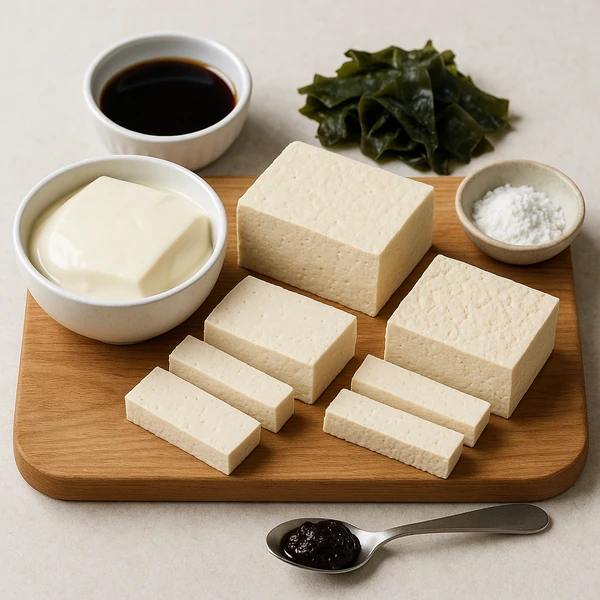
Silken tofu is very soft, smooth, and delicate. It is suitable where you want creaminess and a gentle texture and where tofu won’t be aggressively stirred or flipped in the pan.
- Typical uses: soups, mild stewed dishes, cold cuisine, dips, dressings, desserts, sauces, and creams.
- What it’s not suitable for: situations where tofu needs frequent flipping, vigorous stirring, or frying as cubes in a wok.
Firm tofu: firmer, holds shape (when you need a pan, wok, grill)
Firm tofu is firmer and better holds its shape. That’s exactly what you need when you want to cut tofu into cubes or slices and work with it more "forcefully."
- Typical uses: stir-fry and wok dishes, frying, baking, grilling, marinating, salads and bowls, curries and saucy dishes, street food.
- Practical rule: want softness → silken; want firmness and pan work → firm (or extra firm).
Yuba (tofu skin): when you want a completely different texture than a "block"
The broader family of soy products also includes yuba (tofu skin). It is made by collecting and drying the layer that forms on the surface when heating soy milk. Compared to regular tofu, it is gently layered, elastic, and flavor-concentrated. In Chinese and Japanese cuisine, it is used fresh or dried, sometimes rolled into knots, and often as part of stews and broths.
How tofu tastes and why it is a "flavor carrier": marinades, sauces, and the right soy sauce
Because tofu is generally mild on its own, the result often depends on how you season it. For tofu (especially firm types), sauces carrying saltiness and umami typically work – among them, the most versatile are soy sauces.
But "soy sauce" is not one thing. There are significantly different styles (Chinese, Japanese shoyu in several types, Korean ganjang, Thai wok working sauces, and sweet Southeast Asian variants) and market names mix origin and export designations. It’s especially important to know that the words "light" and "dark" do not mean the same everywhere.
If you want to start simply and universally, it makes sense to pick a working "light" soy sauce that enhances umami but does not darken the dish significantly – a typical example is Dek Som Boon light soy sauce.
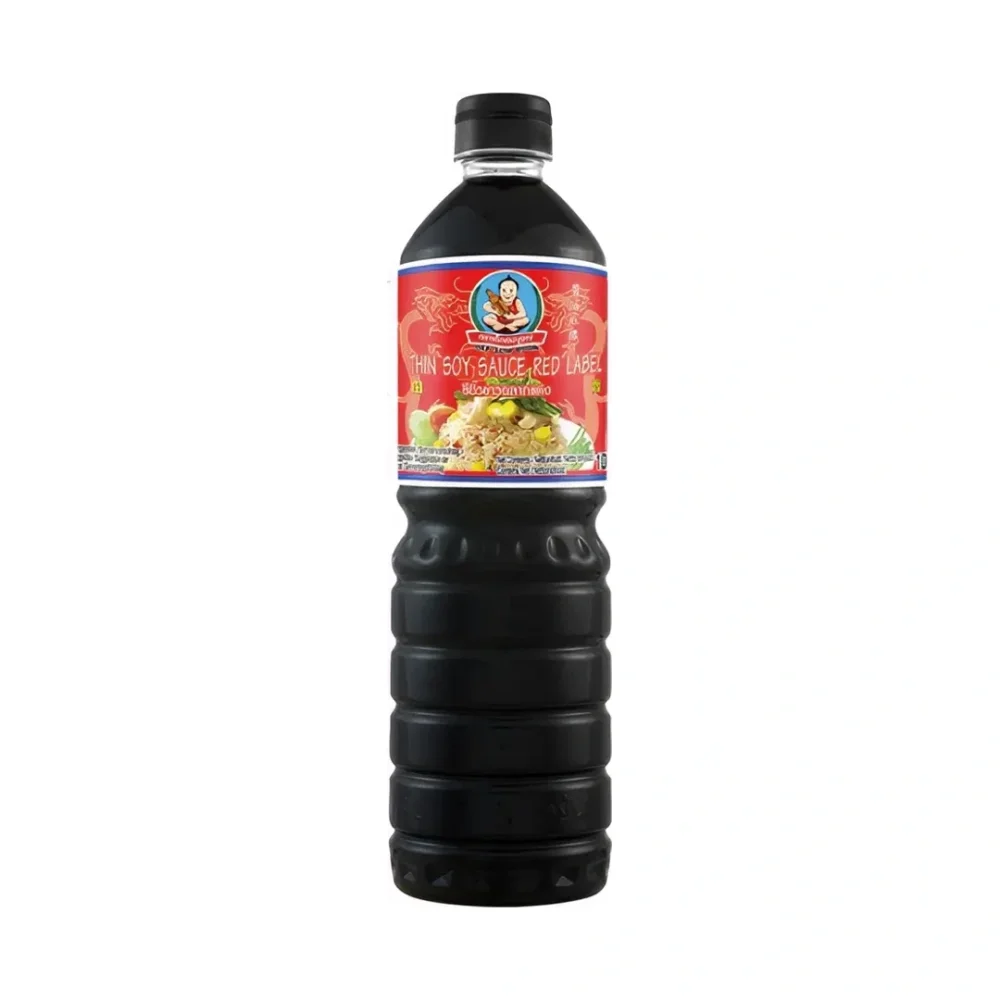
And watch out for one common shortcut: Japanese tamari is sometimes automatically assumed to be gluten-free, but it is not correct to treat this as a rule. If you have gluten concerns, always check the label of the specific bottle.
How to choose tofu based on the dish and cooking style (practical onboarding)
The most reliable way to choose is not "by brand," but by what you are cooking and the texture the dish should have. Before buying, try to answer three questions: do I want creaminess or cubes? will the tofu be in soup or in a pan? and should tofu only carry flavor, or should it be more pronounced itself?
If you cook delicate dishes (soups, cold cuisine, creams)
- Look for silken tofu (or labeling that suggests a delicate texture).
- Keep in mind that it breaks apart easily – add it so you don't have to stir long.
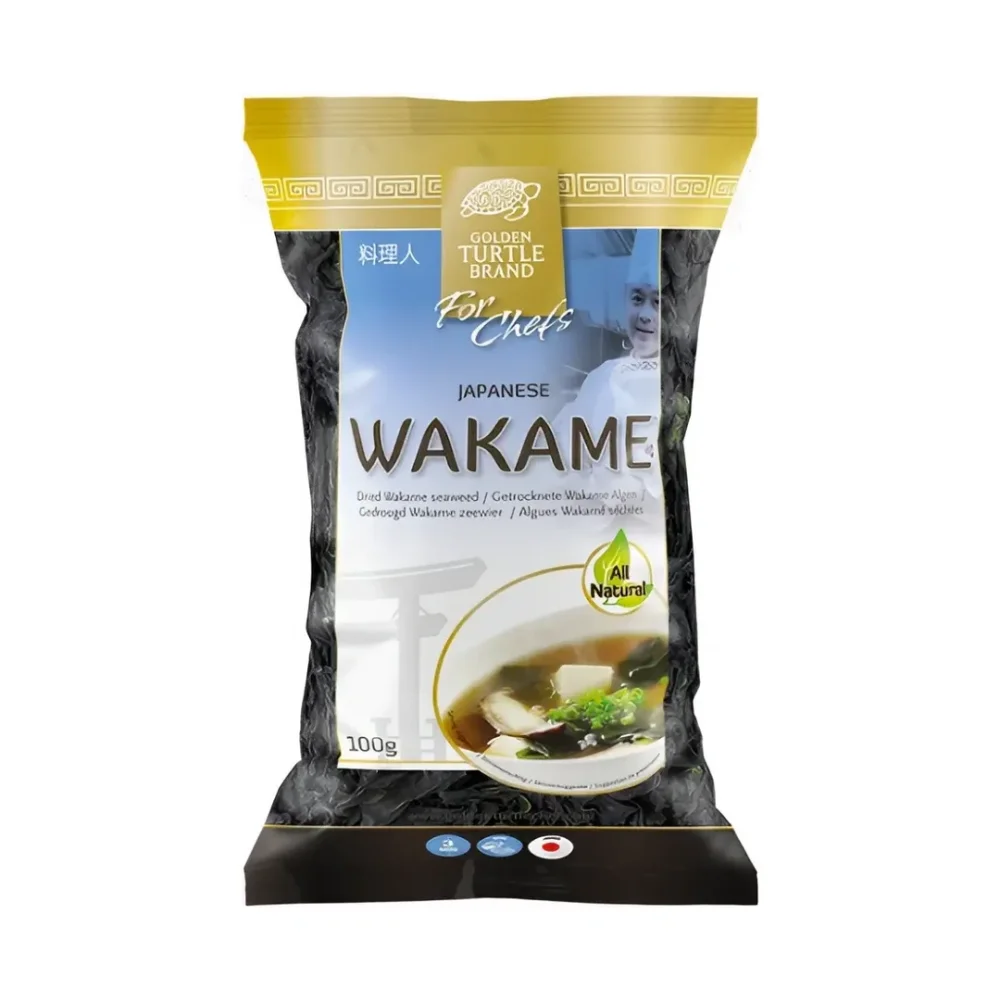
A specific kitchen image: tofu that won’t be "biteable" but rather complements texture is suitable for miso soup or mild broths. Wakame seaweed is also often added to similar soups – if you want to try this direction, a practical choice is dried wakame seaweed, which softens and expands after soaking.
If you cook with wok, pan, and grill (stir-fry, baking, marinating)
- Look for firm or extra firm tofu: it holds shape better and tolerates flipping and more intense work.
- In these dishes, tofu typically "carries" the sauce – so the choice of seasoning (light vs. dark, or shoyu style) is important.
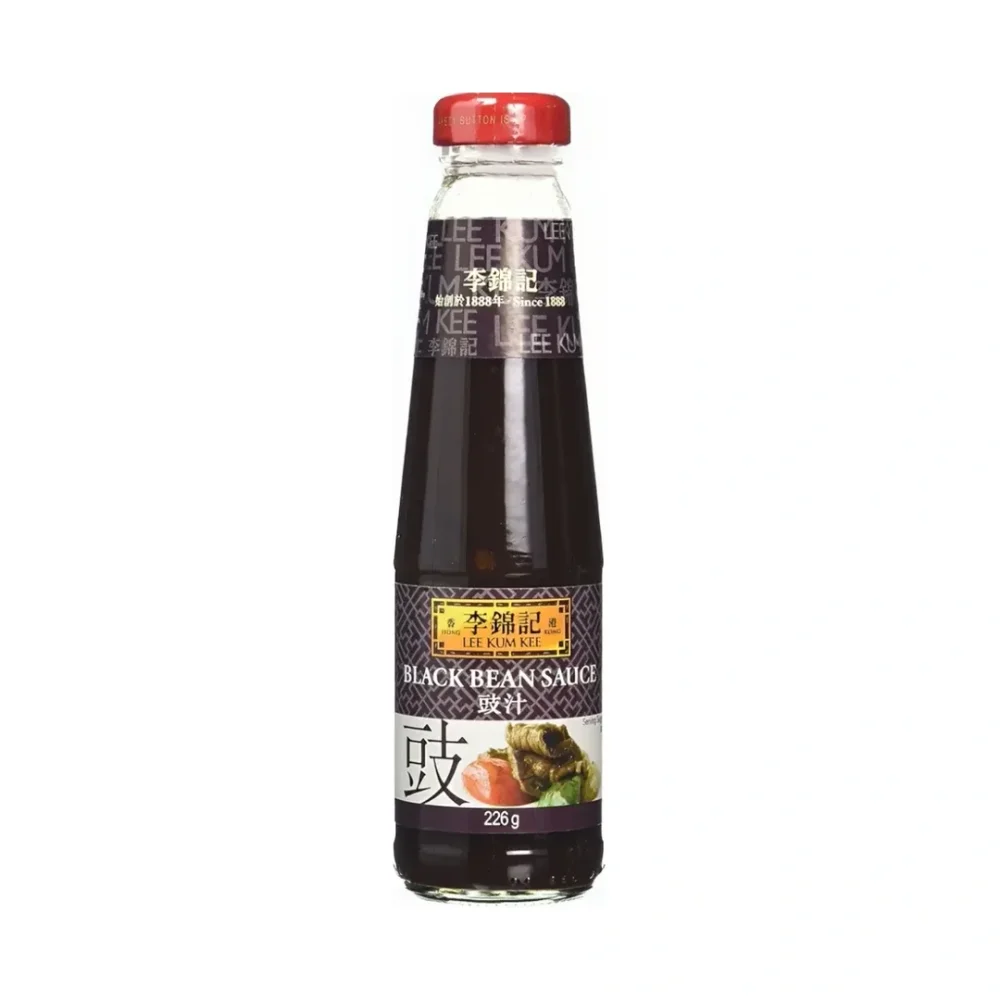
If you want to quickly understand how tofu works as an umami carrier, try pairing it with a strong fermented sauce used in small amounts. A typical example is fermented black bean sauce, which is suitable for stir-fry (and often used with tofu).
If you want crispiness on the surface
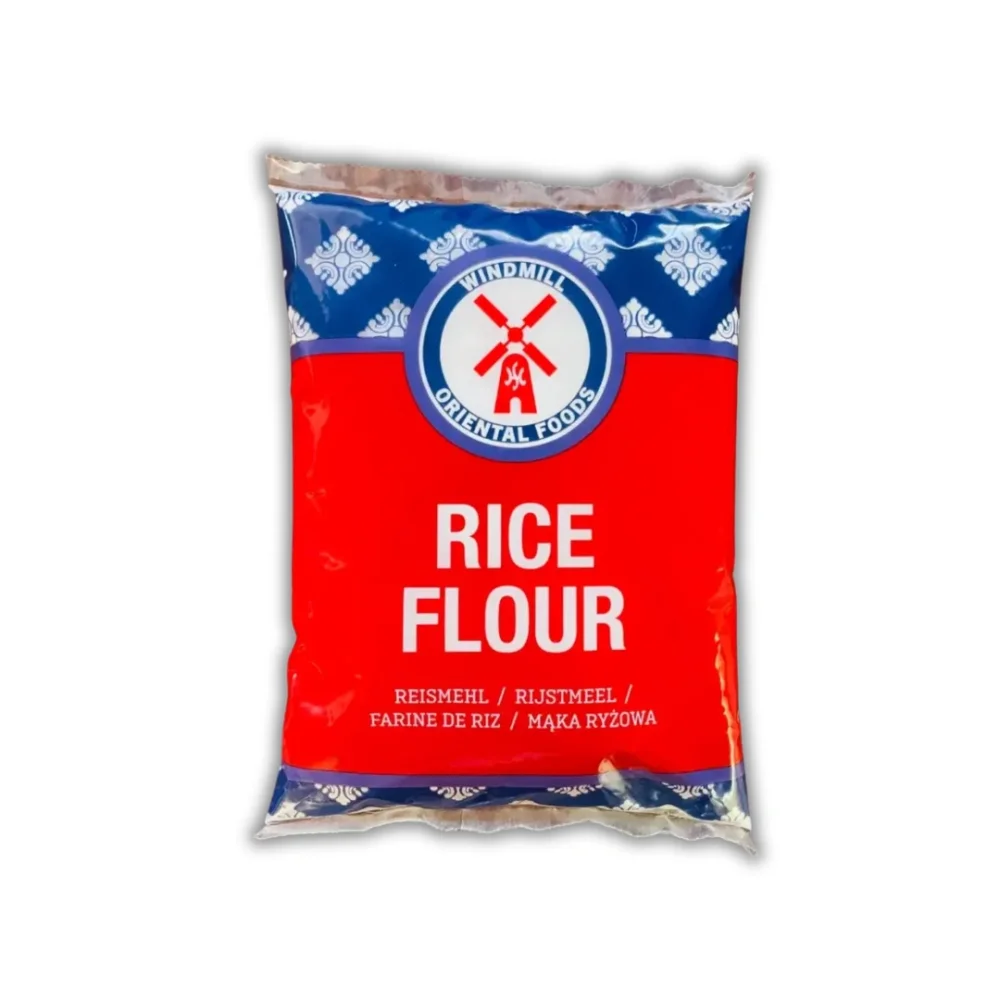
In Asian-style dishes, tofu is often combined with a light coating that creates a more pleasant surface texture. One universal ingredient for such use is rice flour – for example Windmill rice flour, which is also suitable for coating for a crispier crust.
If you want a simple bowl or "meal in a bowl"
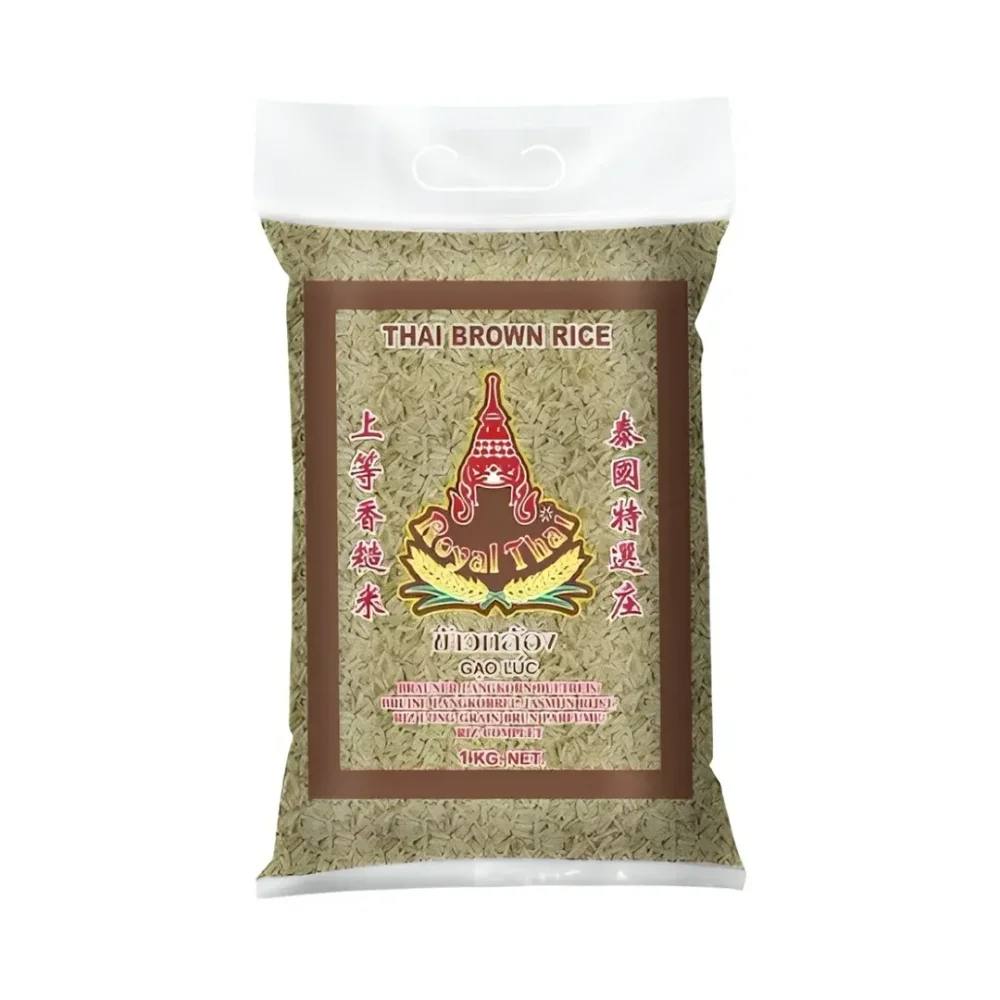
Tofu often works as a protein base alongside rice, vegetables, and sauce. If you’re assembling a bowl, rice that holds shape and has its own mild flavor will help – such as Hom Mali brown jasmine rice, which has a slightly nutty tone and complements stir-fry and curry well.
When tempeh makes more sense than tofu (and why it’s not interchangeable)
If you expect tofu to have a distinctly strong taste by itself, it might be better to choose another soy product. Tempeh is a fermented block made from whole (or partially hulled) soybeans. Compared to tofu, it has a denser bite, a more pronounced texture, and often a nutty, slightly earthy to slightly tangy flavor. Where tofu mainly absorbs surrounding flavors, tempeh actively contributes to the dish – which is why it’s suitable for marinades, pan-frying, and grilling when you want a stronger protein component.
Most common mistakes when cooking with tofu (and how to avoid them)
- Choosing tofu by name, not texture. First clarify if you need silken (soft) or firm. Only then consider a specific brand or style.
- Trying to "fry" silken tofu as cubes in a wok. Silken is fragile – it easily breaks apart with vigorous stirring. Firmer types belong on the pan and grill.
- Expecting tofu to be strongly flavored on its own. Tofu usually acts as a carrier: the result is made by marinade, sauce, broth, or spices.
- Mechanically confusing soy sauces. "Soy sauce" is not one thing – different styles have different tastes and functions. Also, "light/dark" does not mean the same in every country, so it’s better to consider the purpose as well (working sauce for cooking vs. strong final seasoning).
- Replacing regular working soy sauce with a sweet variant without thinking. Sweet directions (typically kecap manis) have different logic: they are sweeter, thicker, glaze, and quickly change the dish’s profile. Replacing regular soy sauce "1:1" with them often disrupts both sweetness and overall tone.
- Automatically assuming tamari = gluten-free. It is not good to take it as a rule; if you have allergen concerns, you must check the specific product.
What to take away from the article
- It’s worth choosing tofu based on water content and firmness: softer for soups and creams, firmer for pan, grill, and baking.
- The most important division is silken vs. firm; intermediate levels (soft, extra firm) only specify how much the tofu holds its shape.
- Tofu is strong mainly as a carrier of flavor – that's why the sauce and seasoning method play a big role (and with soy sauce, it's good to know there are different styles).
- If you want a stronger taste and a "chewy" texture, the answer isn't always "firmer tofu" – sometimes it makes sense tempeh, which is fermented and more aromatic.

Read next
If you want to explore this topic further, continue with these related blog guides and articles:
